Why Siem Reap’s Sewage Treatment Equipment Must Be Flood-Resilient
Siem Reap’s sewage treatment equipment must effectively handle a significant increase in hydraulic loads, particularly during the monsoon season when the Tonle Sap Lake expands dramatically. This expansion, from a dry-season area of 2,600 km² to a wet-season expanse of approximately 10,500 km², can necessitate a 30% increase in wastewater treatment plant hydraulic capacity to prevent system failures and environmental contamination. A prominent hotel in Siem Reap experienced this firsthand in 2023 when its sewage treatment plant was inundated by monsoon rains. The resulting operational downtime of three weeks, coupled with influent quality spikes (e.g., Total Suspended Solids exceeding 500 mg/L), led to non-compliance and incurred fines totaling USD 45,000. Such events highlight the critical need for flood-resilient designs. the brackish nature of the Tonle Sap's waters accelerates the corrosion of standard materials used in wastewater infrastructure. To counter this, specifications must mandate materials like 316L stainless steel for mechanical components and corrosion-resistant coatings for concrete structures. While enforcement trends in Phnom Penh indicate average fines of USD 15,000 per violation, the tourism-dependent economy of Siem Reap, especially areas near Angkor Wat, faces increasingly stringent scrutiny regarding environmental compliance, making proactive investment in robust, flood-resistant sewage treatment equipment not just a regulatory necessity but a crucial element of operational continuity and brand reputation.
Engineering Specs for Flood-Resilient Sewage Treatment Systems
Effective sewage treatment equipment in Siem Reap’s flood-prone industrial zones, hotels, and municipal projects requires meticulous engineering specifications to ensure operational integrity during the monsoon season. A critical parameter is the hydraulic capacity buffer, which should be designed to accommodate at least 30% above the calculated peak daily flow. For instance, a hotel with an average daily flow of 50 m³/h would need a system engineered for a peak flow of approximately 65 m³/h to manage surge events. Structural elevation is paramount; all critical components of the wastewater treatment plant, whether underground or above-ground, must be positioned at a minimum of 1.5 meters above the projected 100-year floodplain elevation, as recommended by World Bank data for flood-prone regions. This requires robust foundation designs, especially for underground systems, to prevent buoyancy and structural compromise. Material selection must prioritize longevity in corrosive environments; specifications should include 316L stainless steel for all submerged mechanical parts and exposed metal components, high-density polyethylene (HDPE) for piping, and epoxy-coated concrete for all tank structures. This approach mitigates corrosion rates, which can exceed 0.5 mm/year for carbon steel in brackish conditions, compared to less than 0.1 mm/year for 316L stainless steel. To ensure uninterrupted service, redundancy requirements are essential. This includes dual-speed pumps, backup power systems such as diesel generators or integrated solar power with battery storage, and advanced remote monitoring capabilities to provide real-time alerts for flood conditions and system performance. Considering Siem Reap’s average of 4 hours of power outages per month, reliable backup power is non-negotiable. Finally, the treated effluent must consistently meet Cambodia’s EPA effluent quality benchmarks: Chemical Oxygen Demand (COD) ≤ 120 mg/L, Total Suspended Solids (TSS) ≤ 50 mg/L, and Biochemical Oxygen Demand (BOD) ≤ 30 mg/L. For potential water reuse applications, such as irrigation for hotels or golf courses, meeting World Health Organization (WHO) standards of COD ≤ 50 mg/L for non-potable reuse becomes a strategic advantage.
| Parameter | Specification | Rationale for Siem Reap |
|---|---|---|
| Hydraulic Capacity Buffer | +30% above peak daily flow | Manages monsoon surge flows from Tonle Sap expansion. |
| Structural Elevation | Min. 1.5m above 100-year floodplain | Protects against seasonal inundation and extreme flood events. |
| Material Corrosion Resistance | 316L SS (metal), HDPE (piping), Epoxy-coated concrete (tanks) | Mitigates accelerated degradation from Tonle Sap's brackish water. |
| System Redundancy | Dual pumps, backup power (generator/solar+battery), remote monitoring | Ensures continuous operation during power outages and flood alerts. |
| Effluent Quality (Cambodia EPA) | COD ≤ 120 mg/L, TSS ≤ 50 mg/L, BOD ≤ 30 mg/L | Meets national discharge standards. |
| Effluent Quality (WHO Reuse) | COD ≤ 50 mg/L (for irrigation) | Enables cost-saving water reuse for hospitality and agriculture. |
MBR vs. A/O Systems for Siem Reap: Head-to-Head Comparison
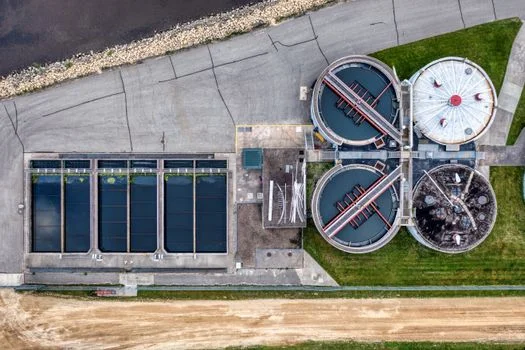
For Siem Reap’s diverse needs, from dense urban hotels to sprawling industrial sites, selecting the optimal wastewater treatment technology is crucial. Two leading contenders, Membrane Bioreactor (MBR) systems and Aerobic/Oxic (A/O) processes, offer distinct advantages and disadvantages, especially when considering the region’s tropical climate and flood risks. MBR systems typically deliver superior effluent quality, achieving COD levels below 30 mg/L and TSS below 5 mg/L, with removal efficiencies often reaching 92–97%. This high-quality effluent is ideal for direct discharge or advanced water reuse. However, MBR systems can consume more energy, ranging from 0.8–1.2 kWh/m³, and their submerged membranes are particularly vulnerable to clogging from sediment and debris during flood events, necessitating robust pre-treatment and emergency protocols. Conversely, A/O systems are more energy-efficient, consuming 0.4–0.6 kWh/m³, and are generally more robust against hydraulic shock loads. They can achieve COD levels below 100 mg/L and TSS below 20 mg/L, with removal efficiencies of 85–90%, which is sufficient for many discharge requirements. For a 50 m³/h plant, MBR systems typically occupy a significantly smaller footprint (around 15 m²) compared to A/O systems (around 40 m²), making them a better fit for space-constrained urban hotels. While A/O systems, often implemented as underground package plants, offer inherent flood protection through their buried nature, their efficacy depends heavily on proper waterproofing and elevated inlet/outlet configurations. The CAPEX for MBR systems is considerably higher, ranging from USD 200,000 to USD 1.5 million, with an additional recurring cost for membrane replacement every 10 years. A/O systems are more accessible, with CAPEX typically between USD 50,000 and USD 300,000, and a longer operational lifespan before major component overhaul. When factoring in Siem Reap-specific cost modifiers, such as a 10% premium for specialized corrosion-resistant materials, the initial investment for both technologies will be impacted. For a 100 m³/h plant, the annual energy cost difference can be substantial, with MBR systems costing approximately USD 12,000 more per year than A/O systems.
| Feature | MBR Systems | A/O Systems | Siem Reap Consideration |
|---|---|---|---|
| Effluent Quality (COD/TSS) | < 30 mg/L / < 5 mg/L (92–97% removal) | < 100 mg/L / < 20 mg/L (85–90% removal) | MBR for stringent reuse, A/O for standard discharge. |
| Footprint (50 m³/h plant) | ~15 m² | ~40 m² | MBR ideal for urban hotels; A/O suitable for larger sites. |
| Energy Consumption (kWh/m³) | 0.8–1.2 | 0.4–0.6 | A/O offers lower OPEX for energy-intensive operations. |
| Flood Resilience | Membranes vulnerable to sediment clogging; requires robust pre-filtration. | Underground tanks require waterproofing; elevated inlets/outlets critical. | Both need specific flood mitigation strategies; MBR pre-filters are crucial. |
| CAPEX (USD) | 200,000–1,500,000 | 50,000–300,000 | A/O offers lower initial investment. |
| OPEX (Annual for 50 m³/h) | ~USD 25,000 (incl. energy, chemicals, maintenance) | ~USD 15,000 (incl. energy, chemicals, maintenance) | MBR higher operational costs, A/O more economical. |
| Lifespan/Maintenance | 10-year membrane replacement cycle. | 15-year lifespan with standard component maintenance. | Long-term membrane replacement cost for MBR. |
For urban hotels and eco-resorts prioritizing water reuse and compact design, MBR systems for Siem Reap’s flood-prone urban zones are a strong contender. For industrial facilities or municipal projects where cost-effectiveness and robustness against hydraulic variability are paramount, underground A/O plants for Siem Reap’s floodplains offer a proven solution.
Siem Reap-Specific Cost Models: CAPEX, OPEX, and ROI
Procurement managers and municipal planners in Siem Reap must navigate complex cost models that account for local environmental conditions and regulatory demands. For a typical 50 m³/h wastewater treatment plant, the Capital Expenditure (CAPEX) is distributed across key areas: equipment procurement typically accounts for 60%, civil works for 20%, installation and commissioning for 15%, and permitting and compliance for the remaining 5%. Siem Reap-specific cost modifiers, such as the mandatory 10% premium for 316L stainless steel components to combat brackish water corrosion, must be factored into these estimates. The Operational Expenditure (OPEX), crucial for long-term financial planning, is primarily driven by energy consumption (around 40%), followed by chemical usage (20%), labor (15%), maintenance and spare parts (15%), and sludge disposal (10%). For a 50 m³/h plant, annual OPEX can range from approximately USD 15,000 for a well-managed A/O system to USD 25,000 for an MBR system, reflecting differences in energy demand and membrane replacement schedules. The Return on Investment (ROI) for flood-resilient sewage treatment equipment in Siem Reap is multifaceted. A primary driver is the avoidance of significant fines, with average penalties in Phnom Penh reaching USD 15,000 per violation. Additionally, treated water reuse for irrigation can generate savings of USD 0.50 per cubic meter compared to potable water supply. tourism sector incentives, such as green certification discounts offered by entities like Angkor Enterprise, can positively impact a property’s profitability. Various financing options are available to mitigate upfront costs, including potential grants of up to 50% of CAPEX coverage from World Bank Siem Reap wastewater projects, low-interest loans from the Cambodian government at rates as low as 5% APR, and flexible leasing programs tailored for hotels and industrial operators.
| Category | Component / Driver | Siem Reap Modifier / Example | Impact |
|---|---|---|---|
| CAPEX (50 m³/h Plant) | Equipment | 316L SS Premium: +10% | 60% of total CAPEX |
| Civil Works | Flood elevation foundations | 20% of total CAPEX | |
| Installation & Commissioning | Specialized flood-proofing measures | 15% of total CAPEX | |
| Permits & Compliance | Local environmental assessments | 5% of total CAPEX | |
| OPEX (Annual for 50 m³/h) | Energy | MBR (0.8-1.2 kWh/m³) vs. A/O (0.4-0.6 kWh/m³) | 40% of OPEX; USD 10K difference annually |
| Chemicals | Coagulants, disinfectants | 20% of OPEX | |
| Labor | Skilled operator requirement | 15% of OPEX | |
| Maintenance & Spares | Membrane replacement (MBR) vs. standard parts (A/O) | 15% of OPEX; significant for MBR every 10 years | |
| Sludge Disposal | Volume and treatment requirements | 10% of OPEX | |
| ROI Drivers | Fine Avoidance | Avg. USD 15K/violation (Phnom Penh) | Direct cost saving; 90%+ reduction in compliance risk |
| Water Reuse Savings | USD 0.50/m³ for irrigation | Reduced potable water costs for hotels/golf courses | |
| Tourism Incentives | Angkor Enterprise green certification | Enhanced brand image, potential discounts | |
| Financing Options | World Bank Grants, Govt. Loans, Leasing | Up to 50% CAPEX coverage, 5% APR loans | Reduced upfront financial burden |
Zero-Risk Compliance Framework for Siem Reap Buyers
Achieving and maintaining zero-risk compliance for sewage treatment equipment in Siem Reap necessitates a systematic approach that addresses local environmental challenges and regulatory requirements. The process begins with a comprehensive Step 1: Audit influent quality, which must include detailed analysis during both dry and wet seasons. This is critical in Siem Reap, where influent characteristics can fluctuate drastically, with TSS levels potentially spiking from 200 mg/L during dry periods to over 800 mg/L during heavy rainfall events. Following this, Step 2: Match technology to site constraints by employing a decision tree that considers factors like available space, desired effluent quality for discharge or reuse, and susceptibility to flooding. For instance, compact urban hotels might favor MBR systems for Siem Reap’s flood-prone urban zones, while larger industrial sites or more remote municipal projects might benefit from underground A/O plants for Siem Reap’s floodplains. Step 3: Validate vendor compliance by rigorously checking their adherence to both Cambodia EPA standards and international benchmarks, such as World Bank guidelines. Essential certifications include ISO 14001 for environmental management and CE marking for product safety. A crucial, yet often overlooked, step is Step 4: Pilot test equipment during monsoon season. A minimum 3-month pilot program involving daily effluent testing and hydraulic load stress tests under actual flood conditions will reveal performance limitations before full-scale investment. Finally, Step 5: Implement remote monitoring for real-time compliance alerts using compatible IoT platforms like Siemens MindSphere or Schneider EcoStruxure. This ensures immediate notification of any deviations from compliance parameters, enabling swift corrective action and safeguarding against penalties.
Frequently Asked Questions
What is the average cost of sewage treatment equipment in Siem Reap?
The average cost for sewage treatment equipment in Siem Reap ranges from USD 50,000 for basic underground A/O plants to USD 1.5 million for advanced MBR systems, with significant variations based on capacity, technology, and flood-resilience features.
What are the key Cambodian EPA effluent standards for wastewater discharge?
Cambodia's EPA effluent standards require a maximum Chemical Oxygen Demand (COD) of 120 mg/L, Total Suspended Solids (TSS) of 50 mg/L, and Biochemical Oxygen Demand (BOD) of 30 mg/L for treated wastewater discharge.
How does the Tonle Sap's seasonal expansion impact sewage treatment plant design?
The Tonle Sap's dramatic seasonal expansion necessitates sewage treatment plants with at least a 30% higher hydraulic capacity to effectively manage increased influent flow rates during the monsoon season and prevent operational failures.
Which wastewater treatment technology is best suited for Siem Reap's tropical climate?
Both MBR and A/O systems can be adapted, but MBR systems offer superior effluent quality for reuse, while A/O systems are generally more energy-efficient and robust against hydraulic shock, making the choice dependent on specific site needs and flood mitigation strategies.
What are the main operational costs for sewage treatment equipment in Siem Reap?
The primary operational costs include energy consumption (especially for MBR systems), chemical usage, labor for skilled operators, maintenance and spare parts (including periodic membrane replacement for MBRs), and sludge disposal.
Related Equipment
The following HydropureWater products are engineered for the wastewater challenges discussed above:
- DAF systems for pre-treatment in flood-prone areas — view specifications, capacity range, and technical data
Need a customized solution? Request a free quote with your specific flow rate and pollutant parameters.