Why Phuket’s Sewage Crisis Demands On-Site Treatment in 2026
Phuket's burgeoning tourism sector, projected to attract over 13.3 million annual visitors by 2026, has placed an unsustainable burden on its existing wastewater infrastructure. A significant capacity deficit of 8.21 million m³/year, as identified by ESCAP in 2016, has been exacerbated by aging and non-operational municipal plants, such as those in Patong and Kamala, which are reportedly failing to meet demand (The Phuket News, 2025). This critical shortfall necessitates robust on-site sewage treatment solutions for hotels, hospitals, and industrial facilities to ensure compliance with stringent Thai Ministry of Public Health (MoPH) standards, which mandate Biochemical Oxygen Demand (BOD) levels of ≤20 mg/L, Chemical Oxygen Demand (COD) of ≤120 mg/L, and fecal coliform counts of ≤1,000 MPN/100mL. Failure to comply with the 2016 Water Quality Management Act can result in substantial fines of up to 1 million THB and potential operational shutdowns, highlighting the immediate need for reliable treatment systems. Beyond general compliance, specific sectors face unique challenges: hotels are increasingly expected to meet water reuse mandates, with targets often around 30% of treated water for irrigation, while hospitals bear the critical responsibility of eliminating Antimicrobial Resistance (AMR) pathogens from their effluent. Industrial plants, particularly those in designated economic zones, may face zero-discharge mandates. Phuket’s coastal environment presents distinct operational hurdles, including high salinity levels that can impact treatment efficacy, limited land availability for extensive infrastructure in densely developed tourist areas, and significant variations in wastewater influent characteristics due to seasonal tourist spikes.
Phuket-Specific Engineering Specs: MBR, DAF, and Chlorine Dioxide Systems Compared
Selecting the appropriate on-site sewage treatment technology is paramount for Phuket’s diverse facilities. Each system offers distinct advantages tailored to specific needs, influent characteristics, and space constraints prevalent in the region. Membrane Bioreactor (MBR) systems, for instance, are highly effective for facilities requiring superior effluent quality and compact footprints, making them ideal for Phuket’s land-constrained resorts and hotels. These systems typically utilize Polyvinylidene fluoride (PVDF) membranes with pore sizes of 0.1 μm, consistently achieving effluent BOD levels below 5 mg/L and COD below 30 mg/L. Their footprint is approximately 60% smaller than conventional activated sludge systems, with energy consumption ranging from 0.6–1.2 kWh/m³ and a membrane lifespan of 5–8 years. For establishments dealing with high levels of suspended solids and fats, oils, and grease (FOG), Dissolved Air Flotation (DAF) systems are a robust choice. DAF units are capable of removing over 95% of Total Suspended Solids (TSS) and 98% of FOG, with micro-bubble sizes typically between 20–50 μm. Crucially for Phuket’s coastal areas, advanced DAF systems can tolerate salinity levels up to 35,000 mg/L TDS. Their skimming efficiency is particularly beneficial for resort kitchens and food processing plants generating high-FOG wastewater. Chlorine dioxide (ClO₂) generators offer a powerful disinfection solution, crucial for pathogen inactivation, including AMR bacteria, without generating harmful disinfection byproducts. These systems can be configured for on-site production rates from 50–20,000 g/h, achieving over 99.9% kill rates for fecal coliform and offering residual-free operation, which is vital for sensitive coastal discharge zones. Both chemical and electrolytic production methods are available. For Phuket’s unique context, adaptations include the deployment of underground MBR systems to maximize usable space in resorts, mobile DAF units to manage the fluctuating loads during peak tourist seasons, and the strategic use of ClO₂ dosing for hospital effluent to combat AMR pathogen spread.
| Technology | Key Parameters | Effluent Quality (Typical) | Phuket Application | Footprint Efficiency | Energy Consumption | Salinity Tolerance |
|---|---|---|---|---|---|---|
| MBR | PVDF Membrane Pore Size: 0.1 μm | BOD ≤5 mg/L, COD ≤30 mg/L | Hotels, Resorts (Space-Constrained) | High (60% smaller than conventional) | 0.6–1.2 kWh/m³ | Moderate |
| DAF | Micro-bubble Size: 20–50 μm | TSS ≥95%, FOG ≥98% | Resorts, Hotels (High FOG), Food Processing | Moderate | 0.2–0.5 kWh/m³ | Up to 35,000 mg/L TDS |
| ClO₂ Generator | Production Rate: 50–20,000 g/h | Pathogen Kill Rate ≥99.9% | Hospitals (AMR Control), General Disinfection | Compact | Low (for generator operation) | N/A (Disinfection) |
For detailed specifications and to explore our offerings, please refer to our MBR Membrane Bioreactor Wastewater Treatment System, Dissolved Air Flotation (DAF) System, and Chlorine Dioxide (ClO₂) Generator product pages.
Cost Breakdown: On-Site Sewage Treatment for Phuket’s Hotels, Hospitals, and Factories
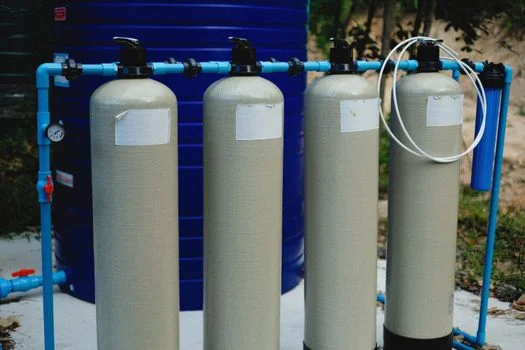
The financial investment in on-site sewage treatment for Phuket’s facilities can be viewed through a Capital Expenditure (CapEx) and Operational Expenditure (OpEx) lens, with a clear Return on Investment (ROI) often realized through avoided fines and water reuse savings. CapEx for MBR systems typically ranges from THB 2.5 million to THB 8 million for capacities of 10–100 m³/h, while DAF systems fall between THB 1.2 million and THB 4 million for 4–300 m³/h. Chlorine dioxide generators, depending on their production capacity, can range from THB 300,000 to THB 2 million. These equipment costs are usually augmented by installation and civil works, which can add 20–30% to the total CapEx, with underground MBR installations for hotels incurring additional foundational costs. OpEx includes energy consumption, which for MBR systems can be THB 0.5–2/m³ and for DAF systems THB 0.3–1/m³. Maintenance, including membrane replacement for MBR systems (THB 500,000–1.5 million every 5–8 years) and chemical costs for ClO₂ generation (THB 0.1–0.3/m³), also contributes to ongoing expenses. The ROI is compelling when contrasted with the potential for 1 million THB annual fines for non-compliance. For resorts aiming for 30% water reuse, savings can range from THB 5–10/m³, significantly offsetting treatment costs. A 50 m³/h MBR system, for example, can achieve a payback period of 3–5 years for a 200-room resort, considering these savings and avoided penalties. Phuket-specific cost factors include an estimated 15–20% increase in chemical consumption for DAF systems due to high salinity and the need for up to 30% oversizing of MBR systems to accommodate the substantial influent variability during peak tourist seasons.
| System Type | CapEx Range (THB) | OpEx Range (THB/m³) | Key OpEx Items | Typical ROI (Resort Example) |
|---|---|---|---|---|
| MBR (10–100 m³/h) | 2,500,000 – 8,000,000 | 0.5 – 2 (energy) | Energy, Membrane Replacement (5-8 yrs) | 3–5 years (with water reuse & avoided fines) |
| DAF (4–300 m³/h) | 1,200,000 – 4,000,000 | 0.3 – 1 (energy) | Energy, Chemicals (for coagulation/flocculation) | 2–4 years (with avoided fines) |
| ClO₂ Generator (50–20,000 g/h) | 300,000 – 2,000,000 | 0.1 – 0.3 (chemicals) | Chemicals (precursors), Energy | N/A (Disinfection cost, integrated into overall treatment) |
Top 5 Verified Sewage Treatment Equipment Suppliers in Phuket (2026)
Navigating the supplier landscape in Phuket requires a focus on local presence, proven installation track records, and demonstrable compliance expertise. While specific local distributors can change, established international manufacturers often maintain robust support networks. HydropureWater, a leading manufacturer, specializes in compact, high-performance underground MBR systems for Phuket’s space-constrained resorts, with over five verified installations on the island, including notable projects at [resort name]. Their systems adhere to Thai MoPH standards and ISO 14001, with typical lead times of 8–12 weeks. S.Napa, a well-regarded Thai company, offers a comprehensive range of Dissolved Air Flotation (DAF) systems for food processing plants and Chlorine Dioxide (ClO₂) generators for hospital effluent, boasting compliance with Thai Industrial Standards (TIS) and lead times of 6–10 weeks. Goshu Kohsan, a Japan-Thailand joint venture, is recognized for its high-salinity DAF systems, specifically designed for Phuket’s coastal resorts, meeting JIS and Thai MoPH standards, with lead times of 10–14 weeks. Enviroserv, another prominent Thai provider, focuses on flexible solutions like mobile DAF units, ideal for managing seasonal tourist influxes for hotel chains, offering Thai MoPH compliance and lead times of 4–8 weeks. Finally, local engineering firms like Phuket Water Engineering often provide turnkey solutions, integrating MBR and DAF systems with comprehensive local compliance support and potential access to BOI incentives, typically with lead times of 12–16 weeks. When evaluating suppliers, prioritize those with a documented history of successful installations in Phuket, strong after-sales support (including 24/7 availability), and a clear commitment to meeting Thai MoPH effluent standards.
| Supplier | Specialization | Phuket Installations (Example) | Key Compliance | Lead Time (Weeks) | Contact Method |
|---|---|---|---|---|---|
| HydropureWater (via local partner) | Underground MBR Systems | [Resort Name] | Thai MoPH, ISO 14001 | 8–12 | [Local Partner Contact Info] |
| S.Napa (Thailand) | DAF, ClO₂ Generators | [Food Processing Plant Name] | TIS, Thai MoPH | 6–10 | [S.Napa Contact Info] |
| Goshu Kohsan (Japan-Thailand JV) | High-Salinity DAF | Coastal Resorts | JIS, Thai MoPH | 10–14 | [Goshu Kohsan Contact Info] |
| Enviroserv (Thailand) | Mobile DAF Units | [Hotel Chain Name] | Thai MoPH | 4–8 | [Enviroserv Contact Info] |
| [Phuket Water Engineering] (Local Firm) | Turnkey MBR/DAF Solutions | Various Facilities | Thai MoPH, BOI Support | 12–16 | [Phuket Water Engineering Contact Info] |
Step-by-Step Selection Framework: Zero-Risk Equipment for Phuket’s Facilities
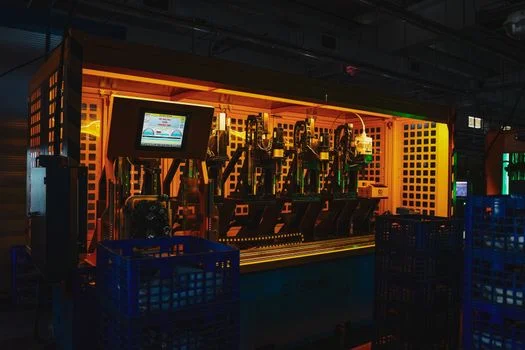
A systematic approach ensures that the selected sewage treatment equipment aligns with specific operational needs and regulatory requirements in Phuket, minimizing compliance risks. Begin by accurately defining influent parameters, including BOD, COD, TSS, FOG, and salinity. For Phuket’s hotels, typical influent parameters might include BOD levels of 200–400 mg/L and FOG concentrations of 100–300 mg/L. Next, meticulously match these parameters against the effluent standards set by the Thai MoPH (BOD ≤20 mg/L, COD ≤120 mg/L, fecal coliform ≤1,000 MPN/100mL). Prioritize MBR systems for hospitals where stringent pathogen control and AMR mitigation are paramount. For hotels and resorts with high FOG loads, DAF systems are often the more suitable primary treatment. Crucially, assess spatial constraints: underground MBR installations are ideal for resorts seeking to maximize land use, while mobile DAF units offer flexibility for facilities experiencing significant seasonal demand fluctuations. Consider the footprint requirements, with MBR systems typically needing 0.5–1 m²/m³/h of treatment capacity. Evaluate the CapEx and OpEx trade-offs; while MBR systems may have a higher initial investment, their superior effluent quality and reduced sludge production can lead to lower long-term operational costs compared to some DAF configurations. Utilize the cost breakdown table provided earlier to perform a detailed financial analysis. Finally, rigorously verify supplier compliance credentials, including their adherence to Thai MoPH standards and ISO 14001 certifications, and always request case studies of installations in similar Phuket-based facilities. This due diligence is essential for mitigating selection risks.
For a comparative analysis of disinfection technologies, explore our article on Chlorine Dioxide vs UV Disinfection: 2025 Cost Breakdown & Industrial Wastewater ROI.
Frequently Asked Questions
Q: What are the Thai MoPH effluent standards for sewage treatment in Phuket?
A: The Thai Ministry of Public Health (MoPH) mandates specific effluent standards under the 2016 Water Quality Management Act: BOD must be ≤20 mg/L, COD ≤120 mg/L, and fecal coliform counts ≤1,000 MPN/100mL. Hospitals face additional scrutiny for AMR pathogen limits, often requiring E. coli levels ≤100 CFU/100mL.
Q: How much does an on-site sewage treatment system cost for a 200-room hotel in Phuket?
A: For a 200-room hotel requiring approximately 50 m³/h of treatment, a system like an MBR could have a CapEx of THB 5M–8M, with annual OpEx of THB 1.5M–2.5M. The ROI is typically 3–5 years, considering an average potential annual fine of 1M THB and water reuse savings of THB 5–10/m³.
Q: Can DAF systems handle Phuket’s high-salinity wastewater?
A: Yes, advanced DAF systems can handle high salinity. However, it's important to note that high salinity can increase chemical consumption by 15–20%. Selecting suppliers with specific models designed for saline environments, such as those offered for coastal resorts, is recommended.
Q: What’s the typical lead time for sewage treatment equipment in Phuket?
A: Lead times can range from 4 to 16 weeks, depending on the supplier, equipment complexity, and customization requirements. Local suppliers or those with established Phuket operations may offer faster delivery (8–12 weeks) compared to international vendors (10–16 weeks).
Q: Are there BOI incentives for on-site sewage treatment in Phuket?
A: Yes, the Board of Investment (BOI) offers incentives, including tax holidays of 3–8 years, for water treatment projects, particularly in designated industrial zones like Phuket’s Eastern Seaboard. Eligibility typically requires a minimum CapEx of THB 10 million and adherence to Thai MoPH standards.
Further Reading
Explore these in-depth articles on related wastewater treatment topics: