Why Chile’s Food Processors Are Failing DS 90/2000: Influent Challenges vs. Effluent Limits
Chile’s food processing sector faces increasingly stringent wastewater discharge limits under DS 90/2000, which mandates biochemical oxygen demand (BOD) below 35 mg/L and total suspended solids (TSS) below 80 mg/L. Compounding this, the growing demand for water reuse, driven by standards like NCh 1333 requiring turbidity below 1 NTU and fecal coliforms below 10 CFU/100mL, necessitates advanced treatment solutions. Typical food processing wastewater, characterized by high organic loads (COD 2,500–4,500 mg/L, BOD 1,200–2,500 mg/L) and significant fats, oils, and grease (FOG) content (80–250 mg/L), frequently exceeds these limits by a substantial margin. Enforcement data from the Superintendencia del Medio Ambiente (SMA) in 2024 reveals that approximately 40% of food processors fail TSS limits and 25% struggle with BOD compliance, leading to annual penalties potentially ranging from $50,000 to $200,000. The water stress index in Santiago, at 0.4, further amplifies the financial imperative for efficient treatment and water recovery. Seasonal variations in influent, such as during wine harvests or peak dairy production, can significantly impact treatment system sizing and performance, demanding robust and adaptable designs.
| Food Processing Sub-Sector | Typical COD (mg/L) | Typical BOD (mg/L) | Typical FOG (mg/L) | Typical TSS (mg/L) |
|---|---|---|---|---|
| Fruit Processing | 2,500–4,500 | 1,200–2,500 | 80–250 | 800–1,800 |
| Dairy Processing | 3,000–5,000 | 1,500–3,000 | 100–300 | 1,000–2,000 |
| Meat Processing | 4,000–6,000 | 2,000–3,500 | 150–400 | 1,500–2,500 |
| Wine Production | 1,500–3,000 | 800–1,800 | 20–80 | 500–1,200 |
Meeting NCh 1333 standards for water reuse, especially for applications like irrigation or internal process water, requires achieving turbidity levels below 1 NTU and minimizing fecal coliforms. This often necessitates advanced filtration stages beyond the requirements of DS 90/2000, adding approximately 20–30% to the capital expenditure (CapEx) of a treatment system.
Hybrid System Designs for Food Processing Wastewater: DAF, MBR, and RO Process Flows
To effectively address the complex influent characteristics of food processing wastewater and meet stringent Chilean regulations, hybrid treatment systems are essential. These systems combine multiple treatment technologies to achieve optimal removal efficiencies. Dissolved Air Flotation (DAF) units, such as those in our DAF systems for FOG and TSS removal in food processing wastewater, are highly effective in removing 90–95% of FOG and 60–70% of TSS. However, DAF alone typically leaves 20–30% of the initial COD load for downstream treatment. For comprehensive organic load reduction, MBR systems for COD and TN reduction in high-strength food processing wastewater, like our DF series, are crucial. MBR technology integrates biological treatment with membrane filtration, achieving effluent COD levels below 50 mg/L and total nitrogen (TN) below 10 mg/L. This integration eliminates the need for secondary clarifiers, reducing the system's footprint by up to 60% compared to conventional activated sludge processes. For facilities aiming for zero-discharge and maximum water reuse, a three-stage hybrid system incorporating DAF, MBR, and Reverse Osmosis (RO) is the most effective. This train typically involves initial screening and equalization, followed by DAF for bulk FOG and TSS removal, then MBR for advanced biological treatment, and finally RO for polishing the water to meet NCh 1333 standards. RO systems can achieve recovery rates of 75–90% for food processing wastewater, producing permeate quality with turbidity below 1 NTU, suitable for a wide range of reuse applications.
| Treatment Stage | Primary Function | Typical Influent (Example: Fruit Processing) | Typical Effluent (Example: Fruit Processing) | Removal Efficiency (Approx.) | Relevant HydropureWater Product |
|---|---|---|---|---|---|
| Screening & Equalization | Remove large solids, buffer flow/load variations | COD: 4,500 mg/L, BOD: 2,500 mg/L, FOG: 250 mg/L, TSS: 1,800 mg/L | COD: 4,000 mg/L, BOD: 2,200 mg/L, FOG: 220 mg/L, TSS: 1,600 mg/L | N/A (Pre-treatment) | Rotary Drum Screen |
| DAF | FOG & TSS removal | COD: 4,000 mg/L, BOD: 2,200 mg/L, FOG: 220 mg/L, TSS: 1,600 mg/L | COD: 2,800 mg/L, BOD: 1,500 mg/L, FOG: 15 mg/L, TSS: 500 mg/L | FOG: 95%, TSS: 70%, COD: 30% | DAF |
| MBR (DF Series) | Biological COD & TN reduction | COD: 2,800 mg/L, BOD: 1,500 mg/L, FOG: 15 mg/L, TSS: 500 mg/L | COD: 40 mg/L, BOD: 10 mg/L, FOG: <2 mg/L, TSS: <5 mg/L | COD: 98%, BOD: 99%, TSS: 99% | DF Series MBR |
| RO (2-Stage) | High-purity water production for reuse | COD: 40 mg/L, BOD: 10 mg/L, FOG: <2 mg/L, TSS: <5 mg/L | COD: <5 mg/L, BOD: <1 mg/L, FOG: <1 mg/L, TSS: <1 mg/L, Turbidity: <1 NTU | COD: 90%+, Turbidity: 99%+ | RO Systems |
CapEx and OPEX Breakdown: DAF vs. MBR vs. Hybrid Systems for Chilean Food Processors
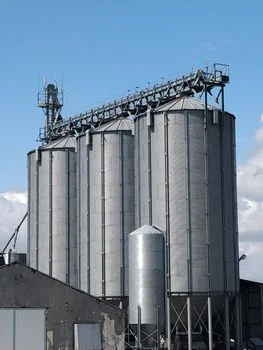
Selecting the appropriate wastewater treatment system involves a thorough evaluation of both capital expenditure (CapEx) and operational expenditure (OPEX). For Chilean food processors, the investment can range significantly based on the chosen technology. A DAF-only system, primarily for FOG and TSS removal, might have a CapEx of $120,000 to $500,000. Incorporating an MBR system for enhanced biological treatment elevates the CapEx to $800,000 to $1.5 million. A hybrid DAF-MBR system, offering a robust solution for organic load reduction and solids removal, typically falls between $1 million and $1.8 million. For facilities pursuing zero-discharge goals and maximum water reuse, a comprehensive DAF-MBR-RO system represents the highest CapEx, ranging from $1.8 million to $2.4 million. Operational costs also vary considerably. Energy consumption for DAF and MBR systems typically ranges from $0.20 to $0.40 per cubic meter (m³). Chemical costs for DAF pre-treatment (e.g., using PLC-controlled chemical dosing for DAF pH adjustment and coagulation) can be $0.15–$0.30/m³, while MBR systems generally require less ($0.10–$0.20/m³). Sludge disposal costs, a significant factor in food processing wastewater, are estimated at $0.05–$0.15/m³. Membrane replacement for MBR and RO systems, crucial for maintaining performance, adds an OPEX of $0.08–$0.12/m³ over their lifespan. RO membrane lifespan in food processing applications is typically 3–5 years due to organic fouling, compared to 5–7 years in municipal applications.
| System Type | Typical CapEx Range (USD) | Typical OPEX Range (/m³) | Typical Payback Period (Water Reuse, Santiago) |
|---|---|---|---|
| DAF Only | $120,000 – $500,000 | $0.40 – $0.70 | N/A (Limited reuse capability) |
| MBR Only | $800,000 – $1,500,000 | $0.50 – $0.90 | 3-5 years (Process water reuse) |
| DAF + MBR | $1,000,000 – $1,800,000 | $0.55 – $1.00 | 2-4 years (Irrigation/Process water reuse) |
| DAF + MBR + RO | $1,800,000 – $2,400,000 | $0.70 – $1.20 | 1-3 years (High-value water reuse, zero discharge) |
Case Study: Santiago Fruit Processor Achieves Zero-Discharge with DAF-MBR-RO System
A prominent fruit processing facility in Santiago, operating at a capacity of 750 m³/day, faced significant challenges in meeting DS 90/2000 effluent standards and increasing water reuse demands. The plant’s influent wastewater was characterized by high levels of COD (3,200 mg/L), BOD (1,800 mg/L), TSS (1,200 mg/L), and FOG (150 mg/L). To address these issues and achieve a zero-discharge objective, a comprehensive hybrid treatment system was implemented. The system comprised initial screening and equalization, followed by a DAF-100 unit for efficient removal of FOG and suspended solids. This was integrated with a DF-150 MBR system to tackle the substantial organic load. Finally, a two-stage RO system was employed to polish the effluent to potable or near-potable quality, enabling maximum water recovery. The implemented solution achieved remarkable results, with treated effluent consistently showing COD below 10 mg/L, TSS below 5 mg/L, and FOG below 2 mg/L, far exceeding DS 90/2000 requirements and meeting NCh 1333 standards for reuse. The system demonstrated a 99.7% COD removal and 99.5% TSS removal, with a water recovery rate of 90%. The total CapEx for this project was approximately $1.6 million. With an OPEX of $0.55/m³, the facility realized a 4-year ROI primarily through substantial water savings (valued at $1.20/m³) and the avoidance of significant environmental penalties, estimated at $150,000 annually. This case exemplifies the financial and environmental benefits of investing in advanced hybrid wastewater treatment for the food processing industry in Chile.
How to Select the Right System for Your Food Processing Plant: A Zero-Risk Decision Framework
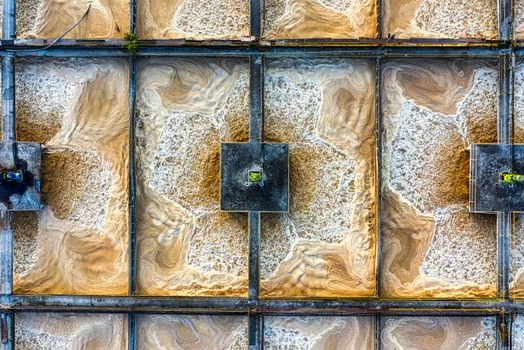
Choosing the optimal wastewater treatment system requires a structured approach that aligns influent characteristics with regulatory compliance and water reuse objectives. The process begins with a detailed characterization of your plant's wastewater, focusing on key parameters like COD, BOD, FOG, and TSS, and comparing these against the specific limits set by DS 90/2000 and NCh 1333. This initial assessment is crucial for identifying the gap between current discharge quality and required effluent standards.
The next step involves defining your water reuse goals. Are you aiming for basic compliance with no reuse, or do you aspire to reuse treated water for irrigation, cooling towers, or even process water? Your reuse targets will dictate the necessary level of treatment. For instance, compliance alone might be achievable with DAF and basic biological treatment, while high-grade reuse will invariably require advanced filtration such as MBR and RO. This decision directly influences the selection of the treatment train, whether it's DAF-only, DAF-MBR, or a comprehensive DAF-MBR-RO configuration.
Following system selection, it is vital to accurately size the system based on peak flow rates, which can fluctuate significantly with seasonal operations like fruit harvests or wine production. Utilize the CapEx and OPEX data provided earlier to estimate total project costs and understand ongoing operational expenses. This financial analysis should also incorporate potential savings from water reuse and avoided penalties.
Finally, evaluate potential vendors not just on their equipment but also on their ability to provide robust compliance guarantees and reliable local support. Look for vendors offering performance guarantees, such as a commitment to meeting DS 90/2000 effluent standards or a partial refund of CapEx, and ensure they have a strong service presence in Chile to minimize downtime. The decision framework can be visualized as follows:
| Step | Action | Key Considerations | Decision Outcome |
|---|---|---|---|
| 1 | Influent & Regulatory Assessment | Characterize COD, BOD, FOG, TSS. Compare against DS 90/2000 & NCh 1333. Identify compliance gaps. | Understanding of treatment needs & regulatory hurdles. |
| 2 | Water Reuse Goal Definition | No reuse, irrigation, cooling, process water? | Determines required effluent quality & filtration stage (DAF, MBR, RO). |
| 3 | System Sizing & Costing | Peak flow rates, CapEx/OPEX estimation, ROI calculation. | Project budget, financial viability, payback period. |
| 4 | Vendor & Support Evaluation | Compliance guarantees, local service, track record. | Selection of a reliable partner and risk mitigation. |
Frequently Asked Questions
Q1: What are the primary challenges in treating food processing wastewater in Chile according to DS 90/2000?
A1: The primary challenges are the high organic load (COD/BOD) and significant FOG and TSS content, which frequently exceed the strict limits set by DS 90/2000 (<35 mg/L BOD, <80 mg/L TSS).
Q2: How does NCh 1333 differ from DS 90/2000, and why is it important for water reuse?
A2: DS 90/2000 sets discharge limits for environmental protection. NCh 1333 specifies quality parameters for water reuse applications, such as turbidity <1 NTU and fecal coliforms <10 CFU/100mL, which are more stringent and require advanced treatment beyond DS 90/2000 compliance.
Q3: What is the typical cost range for a DAF system for food processing wastewater in Chile?
A3: A DAF-only system for FOG and TSS removal typically ranges from $120,000 to $500,000 in CapEx, depending on the plant's flow rate and specific requirements.
Q4: Can a single DAF system achieve DS 90/2000 compliance for BOD?
A4: No, a DAF system primarily removes FOG and TSS. It cannot effectively reduce BOD to the <35 mg/L limit required by DS 90/2000; additional biological treatment such as an MBR is necessary for BOD reduction.
Q5: What is the role of MBR in a hybrid food processing wastewater treatment system?
A5: MBR systems are crucial for biologically degrading dissolved organic compounds (COD/BOD) and nutrients (Nitrogen). They integrate biological treatment with membrane filtration, achieving high-quality effluent and a smaller footprint than conventional systems.
Q6: Is zero-discharge wastewater treatment economically viable for Chilean food processors?
A6: Yes, for facilities in water-scarce regions like Santiago, the ROI for zero-discharge systems (DAF-MBR-RO) can be as short as 1-3 years due to significant savings from water reuse and avoidance of substantial environmental penalties.
Further Reading
Explore these in-depth articles on related wastewater treatment topics: