Why New Hampshire Industrial Facilities Need Upgraded Sewage Treatment Equipment in 2025
42% of New Hampshire industrial facilities faced citations for Total Suspended Solids (TSS) exceedances in 2023, according to the NHDES Annual Compliance Report, highlighting an urgent need for upgraded sewage treatment equipment. Industrial operations in the state are subject to stringent environmental regulations, primarily driven by NHDES Permit-by-Rule thresholds and federal EPA pretreatment standards. Failing to meet these limits can result in significant financial penalties, operational shutdowns, and reputational damage. For instance, NHDES Permit-by-Rule (Env-Wq 401.04) mandates industrial wastewater discharges to maintain BOD ≤ 30 mg/L, TSS ≤ 30 mg/L, and a pH between 6–9. Beyond these general limits, specific industries, such as metal finishing (40 CFR Part 433) and food processing (40 CFR Part 405), must also comply with EPA categorical pretreatment standards, often requiring 90% or greater removal of heavy metals and FOG (Fats, Oils, and Grease) before discharge to a Publicly Owned Treatment Works (POTW).
Outdated or inefficient sewage treatment equipment is a primary cause of non-compliance. Many legacy systems struggle to consistently achieve the low discharge limits required by modern regulations, leading to frequent violations and costly operational disruptions. For example, a Nashua-based manufacturer recently upgraded its facility with a modern Dissolved Air Flotation (DAF) system, reducing its biochemical oxygen demand (BOD) from an influent concentration of 220 mg/L to a consistent 18 mg/L. This proactive investment not only brought them into compliance but also helped them avoid an estimated $120,000 in potential NHDES fines, demonstrating the tangible benefits of equipment modernization for industrial wastewater treatment in NH.
Top 5 Industrial Sewage Treatment Equipment Suppliers in New Hampshire: Specs, Compliance & Costs
Leading industrial sewage treatment equipment suppliers in New Hampshire offer diverse technologies, with Membrane Bioreactor (MBR) systems achieving up to 98% BOD removal and Dissolved Air Flotation (DAF) systems consistently removing 95% of Total Suspended Solids (TSS). Evaluating these suppliers involves a detailed comparison of technical specifications, compliance capabilities, and cost structures to ensure the chosen solution aligns with specific facility needs and regulatory mandates. For instance, high-performance zero-discharge MBR systems for NH industrial reuse can achieve BOD levels below 5 mg/L, making them ideal for facilities aiming for water recycling or stringent discharge limits.
Only a limited number of suppliers in New Hampshire offer comprehensive zero-discharge solutions, which typically combine MBR with Reverse Osmosis (RO) to produce high-quality effluent suitable for reuse. This capability is particularly critical for facilities located in sewer-sheds with extremely strict local discharge limits or those seeking to minimize freshwater consumption and wastewater discharge fees. For FOG and TSS removal, NH-compliant DAF systems for FOG and TSS removal are a common and effective choice, offering robust performance for many industrial applications. Below is a comparative overview of key suppliers and their offerings:
| Supplier | Primary System Types | Key Removal Rates (TSS, BOD, FOG) | Typical Flow Rate (m³/h) | NHDES/EPA Compliance Focus | Estimated CapEx Range | Estimated OPEX Range ($/m³) | Key Warranty Terms |
|---|---|---|---|---|---|---|---|
| Supplier A | MBR, RO, Ion Exchange | 98% BOD, 99% TSS, heavy metals | 5 - 100 | Zero-discharge, <10 mg/L BOD/TSS | $750K - $2M | $0.90 - $1.30 | 10-year membrane warranty |
| Supplier B | DAF, Media Filtration | 95% TSS, 90% FOG | 10 - 200 | FOG, TSS pretreatment, pH adjustment | $80K - $300K | $0.40 - $0.60 | 1-year labor, 5-year parts |
| Supplier C | Chemical Dosing, Filtration | pH adjustment, heavy metal precipitation | 2 - 50 | pH, specific heavy metals | $20K - $100K | $0.15 - $0.35 | 5-year parts warranty |
| Supplier D | SBR, Bioreactors | 90% BOD, 90% TSS | 20 - 150 | BOD/TSS reduction for discharge | $300K - $1M | $0.60 - $0.90 | 2-year system warranty |
| Supplier E | Oil/Water Separators, DAF | 99% FOG, 85% TSS | 10 - 80 | High FOG/Oil removal, pretreatment | $60K - $250K | $0.35 - $0.55 | 1-year parts warranty |
For industrial facilities in New Hampshire, selecting a supplier means not just comparing equipment, but also evaluating their track record with NHDES regulations and their ability to provide ongoing support. Supplier A, known for its advanced MBR systems, consistently achieves 98% BOD removal and offers a robust 10-year membrane warranty, serving industrial hubs like Nashua and Manchester. Supplier B specializes in NH-compliant DAF systems for FOG and TSS removal, with typical TSS removal rates of 95% and holds a strong BBB A+ rating, offering a 1-year labor warranty. Meanwhile, Supplier C focuses on specialized PLC-controlled chemical dosing for NH pH compliance, providing reliable pH adjustment skids with a 5-year parts warranty and a strong presence around Concord.
NHDES and EPA Compliance Requirements for Industrial Sewage Treatment in New Hampshire
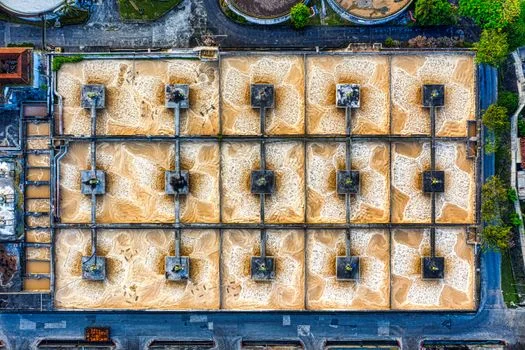
NHDES Permit-by-Rule (Env-Wq 401.04) mandates that industrial discharges in New Hampshire adhere to strict thresholds, including BOD ≤ 30 mg/L, TSS ≤ 30 mg/L, and a pH range of 6–9, to protect water quality. Adhering to these state and federal regulations is non-negotiable for industrial facilities in New Hampshire, as non-compliance can lead to severe penalties. Beyond the general Permit-by-Rule limits, specific industries must meet EPA categorical limits, which are often more stringent for certain pollutants. For instance, metal finishing operations must comply with 40 CFR Part 433, regulating the discharge of heavy metals like chromium and nickel, while food processing facilities are governed by 40 CFR Part 405, focusing on parameters like BOD and TSS specific to their waste streams. EPA compliance strategies for industrial wastewater often involve a multi-tiered approach to meet these diverse requirements.
Local sewer-use ordinances can impose even tighter restrictions than state or federal guidelines. For example, the Nashua Sewer Use Ordinance (§14.04) specifically requires industrial discharges to maintain FOG levels at or below 50 mg/L, which is stricter than the general NHDES FOG threshold of 100 mg/L. Facilities must consult their local POTW for specific discharge limits. Violations of these regulations carry substantial penalties: NHDES fines can reach up to $10,000 per day (per NH RSA 485-A:13), and the EPA has the authority to issue administrative orders, impose civil penalties, and even pursue criminal charges for severe or repeated non-compliance.
Modern sewage treatment technologies are engineered to meet and exceed these thresholds. Dissolved Air Flotation (DAF) systems are highly effective at removing FOG, often achieving 95%+ removal rates, and significantly reducing TSS. Membrane Bioreactor (MBR) systems, particularly those incorporating advanced filtration, can consistently achieve BOD levels below 10 mg/L and TSS below 5 mg/L, making them suitable for direct discharge or even water reuse. PLC-controlled chemical dosing for NH pH compliance ensures precise pH adjustment, crucial for avoiding corrosive or harmful discharges.
| Regulatory Body/Ordinance | Parameter | Threshold/Limit | Relevant Industry/Context |
|---|---|---|---|
| NHDES Permit-by-Rule (Env-Wq 401.04) | BOD | ≤ 30 mg/L | General industrial discharge |
| NHDES Permit-by-Rule (Env-Wq 401.04) | TSS | ≤ 30 mg/L | General industrial discharge |
| NHDES Permit-by-Rule (Env-Wq 401.04) | pH | 6–9 standard units | General industrial discharge |
| NHDES Permit-by-Rule (Env-Wq 401.04) | FOG | ≤ 100 mg/L | General industrial discharge |
| EPA 40 CFR Part 433 | Heavy Metals (e.g., Cr, Ni) | Categorical limits vary | Metal finishing industry |
| EPA 40 CFR Part 405 | BOD, TSS | Categorical limits vary | Food processing industry |
| Nashua Sewer Use Ordinance (§14.04) | FOG | ≤ 50 mg/L | Industrial discharges to Nashua POTW |
How to Select the Right Sewage Treatment Equipment for Your NH Facility: A Zero-Risk Framework
Effective selection of industrial sewage treatment equipment for New Hampshire facilities begins with a comprehensive influent quality assessment, which can prevent up to 80% of compliance issues stemming from mismatched technologies. A zero-risk selection framework ensures that every aspect, from raw wastewater characteristics to long-term operational costs, is meticulously evaluated. This systematic approach minimizes the likelihood of costly errors, such as undersized systems or non-compliant effluent, which can lead to NHDES fines and operational disruptions.
- Step 1: Assess Influent Quality. Conduct thorough lab testing of your facility's raw wastewater for key parameters including TSS, BOD, FOG, pH, and specific heavy metals or other contaminants. Utilize NHDES-approved laboratories to ensure accurate and citable results. This data forms the foundation for selecting the appropriate treatment technology.
- Step 2: Match System to Compliance Needs. Based on your influent analysis and specific discharge permits (NHDES Permit-by-Rule, EPA categorical limits, local ordinances), identify the primary treatment goals. For high FOG loads, a NH-compliant DAF system for FOG and TSS removal is often the most efficient. For achieving very low BOD/TSS for direct discharge or reuse, an MBR system is superior. For pH balancing, a PLC-controlled chemical dosing for NH pH compliance system is essential. For complex contaminants like heavy metals, consider hybrid DAF-RO systems for heavy metal removal.
- Step 3: Evaluate Footprint and Scalability. Consider the physical space available at your facility. MBR systems, for example, typically require up to 60% less space than conventional activated sludge systems for the same treatment capacity, making them ideal for space-constrained sites. Assess future growth projections to ensure the chosen system can be easily expanded or upgraded.
- Step 4: Compare CapEx vs. OPEX. Analyze both the capital expenditure (CapEx) and operational expenditure (OPEX) of proposed systems. A DAF system might have a lower CapEx (e.g., $80K) but an OPEX of $0.40/m³, while an MBR system could have a higher CapEx (e.g., $1.2M) but a comparable OPEX of $0.80/m³ due to higher energy or membrane replacement costs. A holistic view prevents long-term financial surprises.
- Step 5: Verify Supplier Credentials. Confirm the supplier's reputation and expertise. Check for positive BBB ratings, NHDES approvals or certifications, and request case studies from similar industrial facilities in New Hampshire. Inquire about their service capabilities, spare parts availability, and warranty terms to ensure reliable long-term support.
Common pitfalls include undersizing DAF systems for facilities with exceptionally high FOG loads, leading to inefficient treatment and carryover, or ignoring the long-term membrane replacement and energy costs associated with MBR systems. A thorough evaluation at each step mitigates these risks.
Cost Breakdown: Industrial Sewage Treatment Equipment in New Hampshire (2025 Data)
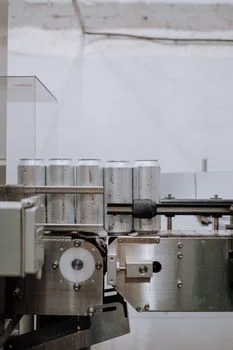
Industrial sewage treatment equipment in New Hampshire represents a significant capital expenditure (CapEx) ranging from $20K for chemical dosing systems to over $1.5M for advanced Membrane Bioreactor (MBR) installations, with operational costs (OPEX) varying from $0.10 to $1.20 per cubic meter. These costs are influenced by the complexity of the wastewater, required treatment efficiency, system capacity, and site-specific installation challenges. Understanding both CapEx and OPEX is crucial for accurate budgeting and calculating the return on investment (ROI) for any wastewater treatment upgrade.
| System Type | Estimated CapEx Range | Estimated OPEX Range ($/m³) |
|---|---|---|
| Dissolved Air Flotation (DAF) | $50,000 – $200,000 | $0.30 – $0.50 |
| Membrane Bioreactor (MBR) | $500,000 – $1,500,000+ | $0.70 – $1.20 |
| Automatic Chemical Dosing | $20,000 – $80,000 | $0.10 – $0.30 |
| Biological Treatment (e.g., SBR) | $300,000 – $1,000,000 | $0.60 – $0.90 |
Operational costs are a continuous factor, encompassing electricity, chemical consumption, labor for maintenance and monitoring, and sludge disposal. New Hampshire-specific cost factors include an average industrial electricity rate of $0.18/kWh, labor costs for certified operators ranging from $35–$50/hour, and sludge disposal fees typically around $120/ton. These local variables significantly impact the total cost of ownership.
Calculating ROI helps justify investments. For a hypothetical 50 m³/h facility, avoiding an estimated $120,000 in annual NHDES fines (as in our Nashua case study) provides a clear benefit. If a DAF system costs $150,000 CapEx and $0.40/m³ OPEX, and an MBR system costs $1,000,000 CapEx and $0.80/m³ OPEX, the ROI calculation would consider these factors against the avoided costs of non-compliance and potential savings from water reuse. A DAF system might achieve payback in 2.5 years, while a more comprehensive MBR system, offering superior effluent quality and potential for water reuse, might pay back in 5 years. The formula for ROI is: ROI = (Annual Savings - Annual Operating Costs) / Capital Investment. Facilities can explore financing options such as the NHDES Clean Water State Revolving Fund (CWSRF) loans, which offer low-interest financing for water quality projects, and various EPA grants designed to support environmental infrastructure upgrades.
Frequently Asked Questions
Understanding common inquiries about industrial sewage treatment equipment can streamline the procurement process, with typical questions focusing on compliance, technology differences, and long-term operational costs.
What are the key NHDES compliance parameters for industrial wastewater in NH?
The primary NHDES Permit-by-Rule (Env-Wq 401.04) thresholds for industrial wastewater in New Hampshire include BOD ≤ 30 mg/L, TSS ≤ 30 mg/L, pH between 6–9, and FOG ≤ 100 mg/L. Specific industries may also have additional EPA categorical limits.
What is the difference between DAF and MBR systems for industrial sewage?
Dissolved Air Flotation (DAF) systems primarily remove suspended solids, FOG, and some BOD by using micro-bubbles to float contaminants to the surface for skimming. Membrane Bioreactor (MBR) systems combine biological treatment with membrane filtration to achieve significantly higher removal rates for BOD, TSS, and pathogens, often producing effluent suitable for reuse or direct discharge.
How much does industrial sewage treatment equipment cost in New Hampshire?
Capital expenditure (CapEx) for industrial sewage treatment equipment in New Hampshire typically ranges from $20,000 for chemical dosing systems to over $1,500,000 for advanced MBR systems. Operational expenditure (OPEX) can vary from $0.10 to $1.20 per cubic meter, depending on the technology and specific site factors.
Do any NH suppliers offer zero-discharge wastewater solutions?
Yes, a limited number of industrial wastewater treatment suppliers in New Hampshire offer zero-discharge solutions, typically by integrating MBR systems with advanced technologies like Reverse Osmosis (RO) to enable water recycling and eliminate wastewater discharge.
How can I ensure my chosen supplier meets NHDES requirements?
To ensure NHDES compliance, verify the supplier's track record with similar projects in New Hampshire, request case studies demonstrating effluent quality, confirm their equipment meets specific permit thresholds, and check for relevant certifications or approvals. A comprehensive influent analysis is also critical to match the right technology to your specific compliance needs.