Sewage treatment equipment suppliers in Quebec serve municipal plants and industrial sites that must meet Q-2, r. 34.1 effluent averages of CBOD5 ≤ 25 mg/L and suspended solids (SS) ≤ 25 mg/L, with pH between 6.0 and 9.5. Earlier buyer guides often cited tighter municipal targets such as TSS ≤ 15 mg/L and BOD ≤ 20 mg/L; those figures still appear in some RFPs, but the regulation’s baseline averages are 25 mg/L for CBOD5 and SS. Winter design for −30°C, sector-specific pretreatment, and local odor or noise bylaws drive CAPEX. Typical budgets still range from about $1.2M for a 500 m³/day municipal plant to about $500K for a 100 m³/day industrial DAF train, with COD removal on well-tuned trains reported up to 95% and MBR energy often 0.6–0.8 kWh/m³ under normal municipal loads.
What sewage treatment equipment suppliers in Quebec must deliver
Quebec plants must meet Q-2, r. 34.1 averages of CBOD5 ≤ 25 mg/L and SS ≤ 25 mg/L at the effluent, plus any stricter attestation limits. Cold-climate packages need insulation, freeze-protected sludge lines, and heated buildings for membranes or presses. Buyers compare COD removal, kWh/m³, local spare parts, and proven winter operation before locking CAPEX.
Why Quebec’s wastewater market differs from other Canadian provinces
Quebec municipal works south of 54°N with average flow above 10 m³/day fall under the Regulation respecting municipal wastewater treatment works (Q-2, r. 34.1). According to Légis Québec (current to 15 April 2026), plant effluent must meet CBOD5 ≤ 25 mg/L, SS ≤ 25 mg/L (algae exceptions for lagoons), and pH 6.0–9.5 on the averaging periods in Schedule I. Federal Wastewater Systems Effluent Regulations set a similar secondary-treatment floor nationally, but an equivalency agreement has covered many Quebec municipal systems since October 2018, so provincial rules and attestations govern day-to-day compliance.
Earlier marketing sheets often listed municipal TSS ≤ 15 mg/L, BOD ≤ 20 mg/L, E. coli ≤ 200 CFU/100 mL, and phosphorus ≤ 1 mg/L for plants above 10,000 PE. Those values can still appear as project-specific or attestation limits. They are not the Q-2, r. 34.1 baseline quartet. Industrial pulp and paper permits commonly still reference COD ≤ 150 mg/L, AOX ≤ 0.8 kg/tonne, and pH 6–9 in buyer scopes, so pretreatment trains must be sector-specific.
Quebec winters near −30°C force insulation, freeze-resistant membranes, and heated sludge handling such as screw presses with thermal jackets. Roughly 40% of provincial industrial wastewater still comes from pulp and paper, 30% from food processing, and 20% from textiles. Food plants lean on dissolved air flotation (DAF systems for Quebec’s food processing and textile industries) for FOG; metal-bearing streams need dosing and precipitation. Montreal, Quebec City, and Laval bylaws often add odor control and property-line noise below 60 dB, which pushes biofilters, carbon beds, and acoustic enclosures into the package.
| Quebec-Specific Challenge | Specific Requirement / Impact | Equipment & Design Implications |
|---|---|---|
| MDDELCC 2025 Effluent Limits | Municipal: TSS ≤ 15 mg/L, BOD ≤ 20 mg/L Industrial (Pulp & Paper): COD ≤ 150 mg/L Regulatory baseline (Q-2, r. 34.1): CBOD5 ≤ 25 mg/L, SS ≤ 25 mg/L, pH 6.0–9.5 |
Demands advanced secondary/tertiary treatment (e.g., MBR, post-biological DAF) |
| Cold Climate (-30°C Winters) | Freeze-resistant components, insulation, heating for critical systems | Requires robust materials, thermal jackets for sludge lines, enclosed systems, heated buildings |
| Diverse Industrial Mix | Tailored pretreatment for FOG, heavy metals, high COD, specific organic loads | Specialized DAF systems, chemical dosing, advanced oxidation processes, sector-specific biological reactors |
| Municipal Bylaws | Odor control for urban plants, noise limits (<60 dB) for residential proximity | Biofilters, activated carbon systems, acoustic enclosures, underground plant designs |
How do wastewater treatment plant equipment suppliers compare?
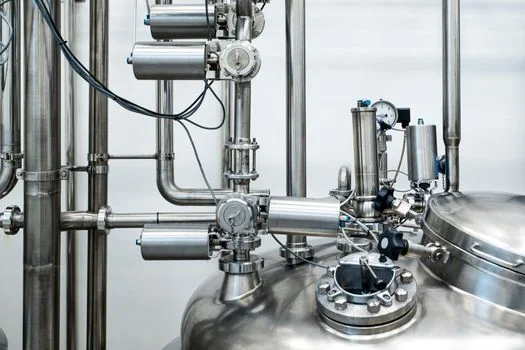
Wastewater treatment plant equipment suppliers serving Quebec differ on COD removal, energy use, turnkey scope, and local service depth. Procurement teams should score COD removal, kWh/m³, winter references, and spare-parts lead time beside price, and weigh how how EU wastewater standards compare to Quebec’s MDDELCC requirements when importing European packages.
- Brault Maxtech: Quebec’s largest distributor represents over 15 global manufacturers, including Evoqua and Veolia, with full turnkey delivery. CAPEX for 500–1,000 m³/day municipal plants typically runs $1.5M–$3M.
- H2Flow: More than 30 years in Canada, focused on energy-efficient MBR. Reported MBR energy is often 0.6–0.8 kWh/m³, with CAPEX about $1.2M–$2.5M for 500–1,000 m³/day biological packages. Physical-chemical and dewatering scope is thinner.
- BioService: Quebec-based since 1996, centered on biotechnology and odor control for urban sites such as Montreal’s Jean-R.-Marcotte plant. Not a full primary/secondary equipment house.
- SSI: Global MBR and DAF vendor citing COD removal up to 95%, with integrated CAPEX about $1.4M–$2.8M and lead times often 12–16 weeks on international supply.
- Ishigaki: Screw presses aimed at 80–90% dry solids, component CAPEX $200K–$500K. Buyers still need separate biological or physico-chemical trains.
- Alberta CleanTech: Turnkey focus on mining and oil-and-gas wastewater, CAPEX $1M–$4M and OPEX often $0.50–$1.00/m³ on complex loads.
- Quebec Environmental Systems (QES): Biological packages mainly below 500 m³/day, CAPEX $800K–$2M for smaller municipal or industrial jobs.
Most plants we size under 500 m³/day in Quebec lean toward compact biological or package layouts when land is tight. An Underground Package Sewage Treatment Plant (WSZ Series) can cut freeze exposure and surface footprint on institutional or remote sites when the attestation limits match the package rating.
| Supplier | Primary Focus / Strength | COD Removal % (Typical) | Energy Use (kWh/m³) | CAPEX Range (500-1000 m³/day) | Turnkey Capability | Local Support (Quebec) | Cold-Climate Design | Odor Control Options |
|---|---|---|---|---|---|---|---|---|
| Brault Maxtech | Distributor, Full Turnkey, Diverse Tech | Up to 95% (varies by tech) | Varies by technology | $1.5M–$3M | Full | Strong | Yes (integrated) | Varies by solution |
| H2Flow | MBR Systems, Energy Efficiency | 90-98% (MBR) | 0.6–0.8 (MBR) | $1.2M–$2.5M | Limited (Biological) | Strong | Yes | Integrated with MBR |
| BioService | Biotech, Odor Management | N/A (Specialist) | N/A | N/A (Specialist) | No (Specialist) | Strong | N/A | Primary focus |
| SSI | Global MBR & DAF, High Performance | 95% | Varies by technology | $1.4M–$2.8M | Yes | Moderate | Yes | Integrated with systems |
| Ishigaki | Sludge Dewatering (Screw Presses) | N/A (Component) | Low (component specific) | $200K–$500K (component) | No (Component) | Moderate | N/A | N/A |
| Alberta CleanTech | Tough Industrial Wastewater | 85-95% | Higher (complex ops) | $1M–$4M | Full | Moderate | Yes | Varies by solution |
| Quebec Env. Systems (QES) | Biological Treatment (<500 m³/day) | 80-90% | Moderate | $800K–$2M (<500 m³/day) | Yes | Strong | Yes | Varies by solution |
Quebec compliance checklist: Q-2, r. 34.1, attestations, and BNQ scope
Quebec compliance for municipal sewage plants starts with Q-2, r. 34.1 averages of CBOD5 ≤ 25 mg/L and SS ≤ 25 mg/L, plus pH 6.0–9.5, then adds attestation limits for phosphorus, disinfection, or toxicity where the receiving water requires them. Earlier checklists that opened with TSS ≤ 15 mg/L and BOD ≤ 20 mg/L remain useful as design targets when an attestation or RFP writes them in. They should not be confused with the regulation’s baseline averages. Pulp and paper scopes in Quebec still commonly list COD ≤ 150 mg/L, AOX ≤ 0.8 kg/tonne, and pH 6–9.
BNQ 3680-905 is Quebec’s standard for dimensional and physical characteristics of prefabricated residential septic tanks in concrete, FRP, or polyethylene (BNQ). It is not a blanket certificate for municipal MBR halls or industrial DAF skids. Onsite domestic systems use other BNQ documents such as CAN/BNQ 3680-600. Buyers who ask vendors for “BNQ 3680-905 on the whole plant” are asking the wrong question for a 500 m³/day works.
Urban bylaws still drive odor control with biofilters or activated carbon, noise below 60 dB at the property line, and winterization such as heated MBR buildings. Suppliers prove fitness with third-party tests (for example NSF/ANSI 40 on some packaged plants), Quebec pilot data, and effluent warranties. Some distributors advertise 10-year effluent compliance warranties; read the force-majeure and influent clauses before relying on them.
| Compliance Area | Specific Requirement | Supplier Demonstration Method |
|---|---|---|
| MDDELCC Effluent Limits (2025) | Municipal: TSS ≤ 15 mg/L, BOD ≤ 20 mg/L, E. coli ≤ 200 CFU/100 mL, P ≤ 1 mg/L (>10,000 PE) Q-2, r. 34.1 baseline: CBOD5 ≤ 25 mg/L, SS ≤ 25 mg/L, pH 6.0–9.5 |
Performance guarantees, third-party effluent testing reports, pilot study data, reference installations |
| Industrial Sector-Specific Limits | Pulp & Paper: COD ≤ 150 mg/L, AOX ≤ 0.8 kg/tonne, pH 6–9 | Process design reports, specialized treatment modules, field performance data, chemical consumption logs |
| BNQ 3680-905 Certification | Materials (e.g., 316L SS), Performance (e.g., 90% TSS removal), Durability (e.g., 20-year concrete lifespan) Official BNQ scope: prefabricated residential septic tanks — dimensional and physical characteristics |
BNQ certification documents, material certificates, engineering drawings, long-term warranties |
| Municipal Bylaws | Odor control (e.g., biofilters), Noise limits (<60 dB), Winterization (e.g., heated buildings) | Air quality reports, acoustic enclosure specifications, noise impact assessments, cold-climate design documentation |
CAPEX and OPEX breakdown for Quebec sewage treatment projects
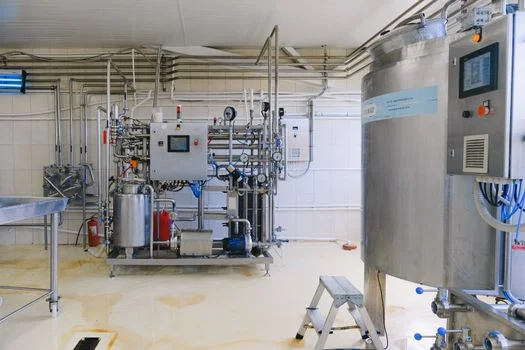
CAPEX and OPEX for Quebec sewage projects usually carry a 15–20% cold-climate premium versus milder regions when tanks are insulated and sludge lines are heated. Budget that premium early; it rarely disappears in final bids.
For a typical 500 m³/day municipal plant, CAPEX still lands near $1.2M–$1.8M, with OPEX about $0.30–$0.50/m³ for energy, chemicals, and labor. Cost shares stay close to 40% equipment, 30% civil works, 20% installation, and 10% commissioning.
An industrial DAF system at 100 m³/day typically costs $250K–$400K CAPEX and $0.40–$0.70/m³ OPEX, driven by FOG chemistry. Split is often 50% for the DAF systems for Quebec’s food processing and textile industries, 25% skid assembly, 15% installation, and 10% training.
A 200 m³/day hospital or institutional MBR usually sits at $800K–$1.2M CAPEX and $0.50–$0.80/m³ OPEX because membrane aeration dominates power. Breakdowns near 60% for the MBR systems for Quebec’s energy-efficient municipal and hospital wastewater treatment, 20% membranes, 15% automation, and 5% commissioning remain typical. Specifiers who also asked for “BNQ-certified equipment” sometimes added another 10–15% in past bids; confirm whether that premium buys the correct BNQ document for the asset class.
Energy often takes 30–40% of OPEX, chemicals 20–30%, labor 15–25%, and maintenance the rest. MBR membrane replacement every 5–7 years can consume 10–15% of long-run OPEX when influent is harsh.
| Project Type (Typical Size) | Estimated CAPEX Range | Estimated OPEX Range ($/m³) | Typical CAPEX Breakdown | Primary OPEX Drivers |
|---|---|---|---|---|
| Municipal Plant (500 m³/day) | $1.2M–$1.8M | $0.30–$0.50 | Equipment (40%), Civil Works (30%), Installation (20%), Commissioning (10%) | Energy (35%), Chemicals (25%), Labor (20%), Maintenance (20%) |
| Industrial DAF System (100 m³/day) | $250K–$400K | $0.40–$0.70 | Equipment (50%), Skid-Mounted Assembly (25%), Installation (15%), Training (10%) | Chemicals (40%), Energy (30%), Labor (20%), Sludge Disposal (10%) |
| MBR System (200 m³/day) | $800K–$1.2M | $0.50–$0.80 | Equipment (60%), Membranes (20%), Automation (15%), Commissioning (5%) | Energy (40%), Membrane Replacement (20%), Chemicals (15%), Labor (15%), Maintenance (10%) |
What makes a reliable wastewater equipment supplier for municipal facilities?
A reliable wastewater equipment supplier for municipal facilities shows Quebec winter references, attestation-ready effluent guarantees, and a local parts path—not only a glossy COD percentage. Use a short selection checklist before RFQ release.
- Define flow and limits. State design flow (for example 500 m³/day), influent COD/BOD/TSS, and the attestation or RFP limits. If the sheet still lists TSS ≤ 15 mg/L and BOD ≤ 20 mg/L, keep them as project targets and also require Q-2, r. 34.1 baseline compliance language.
- Shortlist on process fit. Match MBR, DAF, or package biology to the load. Score energy in kWh/m³ and cold-climate features before brand preference.
- Demand Quebec evidence. Ask for pilots or operating references in Quebec winters. Montreal or Quebec City visits beat brochure curves.
- Compare CAPEX/OPEX on the same boundary. Normalize chemical, sludge, and membrane replacement assumptions. Negotiate effluent warranties with clear influent envelopes.
- Check service footprint. Confirm Quebec technicians, spare-parts stock, and response times for −30°C failures.
- Decide package vs site-built. Remote or space-limited sites may favor skid-mounted treatment plants for Quebec’s remote industrial sites or an Underground Package Sewage Treatment Plant (WSZ Series) when flows stay modest.
- Verify commercial strength. Years in market, bonding capacity, and named subcontractors matter as much as the process flow sheet.
Common misses: skipping freeze testing, understating OPEX, and treating BNQ 3680-905 as a plant-wide stamp. Those errors show up as winter downtime and change orders.
Who this is for / Next step
This guide is for Quebec municipal utilities, EPC firms, and industrial EHS managers comparing distributors and OEMs on compliance and lifecycle cost. Buyers who only need a residential septic tank should use BNQ 3680-905 product listings instead of this municipal/industrial frame. If you have flow, influent, and attestation limits ready, request a Quebec project quote with those numbers attached so sizing stays honest.
Frequently Asked Questions
What are the municipal sewage effluent limits in Quebec?
Quebec’s Q-2, r. 34.1 requires plant effluent averages of CBOD5 ≤ 25 mg/L and suspended solids ≤ 25 mg/L, with pH 6.0–9.5, on the Schedule I averaging periods. Earlier guides often cited TSS ≤ 15 mg/L, BOD ≤ 20 mg/L, E. coli ≤ 200 CFU/100 mL, and phosphorus ≤ 1 mg/L above 10,000 PE; those can still appear in attestations or RFPs. Industrial pulp and paper scopes commonly keep COD ≤ 150 mg/L among other permit terms.
How much does a 500 m³/day sewage plant cost in Quebec?
CAPEX for a 500 m³/day municipal plant in Quebec typically ranges from $1.2M–$1.8M, with OPEX about $0.30–$0.50/m³. Cold-climate insulation, heated sludge handling, and enclosed buildings usually add 15–20% versus warmer regions. Equipment, civil works, installation, and commissioning still split near 40/30/20/10 percent on many bids.
Which treatment works best for Quebec food processors?
Dissolved air flotation is the usual first stage for FOG and TSS in Quebec food plants. DAF systems for Quebec’s food processing and textile industries are often specified for 92–97% FOG/TSS removal on well-tuned trains. CAPEX for a 100 m³/day DAF package still starts near $250K, with OPEX about $0.40–$0.70/m³ when chemical dose tracks FOG peaks.
Do Quebec suppliers offer turnkey sewage plants?
Several Quebec-facing vendors, including Brault Maxtech, H2Flow, and Alberta CleanTech, sell design-supply-commission packages with compliance support. Turnkey scope can raise CAPEX by 20–30% versus equipment-only buys because installation, integration, and guarantees sit in one contract. Component specialists such as Ishigaki still require separate process partners.
What is BNQ 3680-905 and when does it matter?
BNQ 3680-905 specifies dimensional and physical characteristics for prefabricated residential septic tanks, not full municipal or industrial process trains. Older buyer guides sometimes treated it as a general wastewater equipment certificate and listed 316L tanks, 90% TSS removal, or 20-year concrete life under that number. For plant-scale MBR or DAF trains, ask for the correct material specs, performance guarantees, and any onsite BNQ standard that actually applies.
Related Equipment
- WSZ series underground sewage treatment plants for Quebec municipalities — view specifications, capacity range, and technical data
Need a customized solution? Request a free quote with your specific flow rate and pollutant parameters.