Wastewater treatment plant CAPEX and OPEX in Lagos Nigeria span ₦5M for a 5 m³/h package plant to ₦5.2B at municipal scale, with OPEX of ₦200–₦500/m³; the A/O, DAF or MBR choice moves both numbers.
Wastewater Treatment Plant CAPEX and OPEX in Lagos Nigeria: The 2026 Numbers
Industrial wastewater treatment plant costs in Lagos range from ₦5M for a 5 m³/h package plant to ₦5.2B for a 50,000 m³/day municipal-scale facility. A/O systems cost ₦1.2M–₦15M (5–50 m³/h), DAF systems ₦3M–₦45M (10–300 m³/h), and MBR systems ₦8M–₦120M (10–200 m³/h), before civil works add 25–35%.
OPEX averages ₦200–₦500/m³ treated, with energy (about 40% of OPEX) and sludge disposal (about 30%) as the top expenses. Compliance with Lagos State Environmental Protection Agency (LASEPA) standards — COD ≤ 120 mg/L, TSS ≤ 30 mg/L, FOG ≤ 10 mg/L — drives technology choice more than any vendor claim. Every cost figure below assumes continuous duty at the stated flow rate, not nameplate capacity.
Why Lagos Factories Need Industrial Wastewater Treatment
Industrial wastewater treatment in Lagos is a regulatory and cost decision, not an optional upgrade. In 2024, the Lagos State Environmental Protection Agency (LASEPA) fined 127 industrial facilities a cumulative ₦1.8 billion for non-compliance with effluent discharge standards, averaging ₦14.2 million per factory. These penalties, with the risk of facility shutdowns, push plants toward compliant treatment. An illustrative Lagos textile factory facing repeated fines for high COD and TSS discharge installed a 30 m³/h DAF system for high-FOG wastewater in Lagos abattoirs and restaurants; that upgrade cut regulatory fines by an estimated 90% and generated annual savings of ₦45 million through avoided penalties and process efficiency gains.
Treated industrial effluent can offset up to 60% of a factory's process water demand, cutting reliance on municipal supply at ₦300–₦500/m³ (HydropureWater field data, 2025). The most common LASEPA violations driving fines are COD exceeding 120 mg/L (58% of fines), TSS above 30 mg/L (32%), and FOG exceeding 10 mg/L (10%). Meeting the standard is both a compliance duty and a cash-flow decision.
Industrial Wastewater Treatment Plant Cost in Lagos 2026: CAPEX by Technology and Scale
Industrial wastewater treatment plant CAPEX in Lagos varies sharply with technology and flow rate. Local fabrication typically cuts costs by 20–40% versus imported systems. Beyond equipment price, budget for civil works (25–35% of CAPEX), LASEPA permitting and EIA fees (₦2M–₦5M), and land at ₦50K–₦200K/m² in industrial zones — costs that favor compact designs.
| Technology | Flow Rate (m³/h) | Local CAPEX (₦M) | Imported CAPEX (₦M) | Estimated Footprint (m²) | Compliance Suitability |
|---|---|---|---|---|---|
| A/O System (Aerobic/Anaerobic) | 5 | 1.2 – 2.5 | 2.0 – 4.0 | 20 – 30 | General industrial, lower flow |
| 10 | 2.5 – 5.0 | 4.0 – 8.0 | 40 – 60 | General industrial, small factories | |
| 50 | 12.0 – 18.0 | 22.0 – 30.0 | 150 – 200 | Medium factories, moderate organic load | |
| 100 | 20.0 – 28.0 | 35.0 – 48.0 | 250 – 350 | Large factories, general effluent | |
| 500 | 80.0 – 120.0 | 140.0 – 200.0 | 1000 – 1500 | Very large industrial, pre-treatment | |
| DAF System (Dissolved Air Flotation) | 10 | 3.0 – 6.0 | 5.0 – 9.0 | 25 – 40 | High FOG, TSS, oil & grease |
| 50 | 10.0 – 18.0 | 18.0 – 28.0 | 70 – 100 | Food processing, abattoirs, textiles | |
| 100 | 18.0 – 28.0 | 30.0 – 45.0 | 120 – 180 | Large-scale FOG/TSS removal | |
| 300 | 45.0 – 65.0 | 75.0 – 100.0 | 300 – 450 | Very large FOG/TSS pre-treatment | |
| MBR System (Membrane Bioreactor) | 10 | 8.0 – 15.0 | 15.0 – 25.0 | 15 – 25 | High-quality effluent, water reuse |
| 50 | 30.0 – 45.0 | 50.0 – 75.0 | 50 – 80 | Food processing, pharmaceuticals, water reuse | |
| 100 | 55.0 – 80.0 | 90.0 – 120.0 | 90 – 140 | Large-scale water reuse, strict limits | |
| 200 | 90.0 – 120.0 | 150.0 – 200.0 | 160 – 240 | Very large water reuse, minimal footprint |
A 50 m³/h A/O-based underground sewage treatment plant for Lagos industrial zones runs ₦12M–₦18M locally versus ₦22M–₦30M imported, on roughly 150 m². Where land is tight, an MBR system for water reuse in Lagos food processing plants needs up to 60% less footprint than A/O. Economies of scale are real: CAPEX per m³ treated can fall by about 40% when scaling from a 10 m³/h to a 100 m³/h A/O system.
A 300 m³/d plant (12.5 m³/h) sits between the first two A/O rows — the query industrial water treatment plant cost 300 cubic meters per day nigeria is a common procurement search at exactly this duty. For context beyond Lagos, the Wastewater Treatment Plant Cost in Nigeria 2026: CAPEX, OPEX & Tech-Specific Breakdown covers the national picture. Buyers comparing coastal industrial corridors can also review the Rivers State wastewater treatment plant cost breakdown.
OPEX Breakdown: Energy, Chemicals, and Sludge Disposal
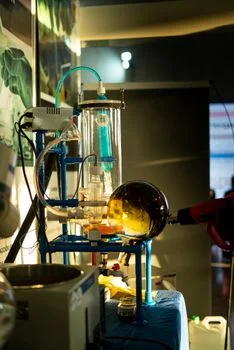
Operational expenditure for industrial wastewater treatment plants in Lagos runs ₦200–₦500 per m³ treated. Energy and sludge disposal dominate; chemicals and labor trail. Most plants we size for Lagos sit at the lower end of this band when influent is moderate and reuse offsets part of the load.
| OPEX Component | A/O System (₦/m³) | DAF System (₦/m³) | MBR System (₦/m³) | Notes (Lagos Specific) |
|---|---|---|---|---|
| Energy | 80 – 150 | 100 – 180 | 180 – 280 | Electricity tariffs ₦80–₦120/kWh (2025). A/O: 0.3-0.5 kWh/m³; DAF: 0.4-0.6 kWh/m³; MBR: 0.8-1.2 kWh/m³. |
| Chemicals | 50 – 120 | 80 – 150 | 30 – 80 | Coagulants (₦15K–₦25K/ton), flocculants (₦30K–₦50K/ton), pH adjusters (₦10K–₦20K/ton). DAF uses more. |
| Labor | 30 – 60 | 30 – 60 | 40 – 80 | Operator salaries, maintenance staff. MBR requires specialized membrane cleaning. |
| Sludge Disposal | 40 – 80 | 20 – 50 | 30 – 70 | Landfill tipping fees ₦15K–₦30K/ton in Lagos. DAF significantly reduces sludge volume. |
| Maintenance & Spares | 10 – 20 | 15 – 25 | 30 – 60 | Routine checks, pump repairs, membrane replacement (MBR). |
| Total OPEX (Avg.) | 210 – 430 | 245 – 465 | 310 – 560 | Per cubic meter treated. |
How Do Lagos Electricity Tariffs Drive Energy OPEX for Wastewater Treatment?
Energy is roughly 40% of OPEX, and the tariff line moved. Earlier guidance used ₦80–₦120/kWh; Ikeja Electric Band A under NERC MYTO (Nov 2025, effective 7 Dec 2025) is ₦209.50/kWh, with Band B–C at ₦62.48–₦50.00/kWh. Band A sites should expect energy OPEX above the table band. MBR consumes 0.8–1.2 kWh/m³, versus 0.3–0.5 kWh/m³ for A/O and 0.4–0.6 kWh/m³ for DAF — material when sizing a generator or solar buffer. Automatic chemical dosing systems cut waste and operator time on the chemicals line, which adds another 15–30% of OPEX at ₦50–₦150/m³ depending on influent.
Sludge disposal is 25–30% of OPEX, with landfill tipping at ₦15K–₦30K/ton. DAF cuts sludge volume by up to 70% versus conventional settling, and plate and frame filter presses dewater further to cut hauling frequency.
What Does LASEPA Effluent Discharge Compliance Cost in Nigeria?
LASEPA compliance costs split into permitting (₦2M–₦5M for permits and the EIA) and exposure to fines from ₦500K to ₦50M depending on severity and duration. Discharge targets are COD ≤ 120 mg/L, TSS ≤ 30 mg/L, FOG ≤ 10 mg/L, pH 6–9, and zero visible oil sheen. LASEPA's published mandate is to protect and improve the environment and to assist public and private organizations and industries achieve compliance through environment-friendly solutions. Treating that mandate as a pre-investment, not a post-fine expense, is what separates plants that pass inspection from plants that fund the 2024 fine statistics.
MBR vs. DAF vs. A/O: Which Technology Fits Your Facility?
Technology choice in Lagos hinges on effluent type, target discharge quality, footprint, and budget. MBR, DAF, and A/O each solve different problems; matching the right unit to the waste stream is the largest cost lever after flow rate.
| Parameter | A/O System | DAF System | MBR System |
|---|---|---|---|
| Primary Use Case | General industrial effluent, municipal sewage | High FOG, TSS, oil & grease removal | High-quality effluent, water reuse, strict limits |
| CAPEX (Relative) | Low to Moderate | Moderate | High |
| OPEX (Relative) | Low to Moderate | Moderate | High |
| Footprint (Relative) | Large | Moderate | Smallest (up to 60% less than A/O) |
| Effluent Quality (COD) | 100 – 150 mg/L | 150 – 250 mg/L (post-DAF, pre-secondary) | < 50 mg/L |
| Effluent Quality (TSS) | 20 – 50 mg/L | < 30 mg/L (post-DAF, pre-secondary) | < 5 mg/L |
| Key Strengths | Robust biological treatment, cost-effective | Excellent FOG/TSS removal, fast separation | Superior effluent quality, compact, eliminates secondary clarifier |
| Maintenance Needs | Regular aeration, sludge handling | Weekly skimmer adjustments, chemical dosing calibration (₦500K–₦1M/year) | Membrane cleaning every 3–6 months (₦2M–₦5M/year), membrane replacement every 5-10 years |
| Pre-treatment Required | Screening, grit removal | Screening, pH adjustment | Fine screening, grit removal |
| Water Reuse Potential | Limited (needs tertiary) | Limited (needs secondary/tertiary) | High (direct reuse for non-potable) |
| Typical Industries | Textile, general manufacturing | Food processing, abattoirs, restaurants, oil/gas | Food processing, pharmaceuticals, municipal, textile finishing |
MBR delivers the cleanest water — COD below 50 mg/L and TSS below 5 mg/L — and removes the secondary clarifier. That makes MBR systems for water reuse in Lagos food processing plants the default for food, pharma, and any site chasing direct reuse. DAF hits over 95% removal on FOG and TSS, which is why DAF systems for high-FOG wastewater in Lagos abattoirs and restaurants show up first in food and oil & gas — usually paired with a downstream biological step to hit LASEPA limits.
A/O is the workhorse for moderate organic loads at the lowest CAPEX, though it needs more land. An A/O-based underground sewage treatment plant for Lagos industrial zones handles footprint by going below grade, which also simplifies permitting on tight plots.
Local vs. Imported Equipment: Cost, Reliability, and Compliance Trade-offs
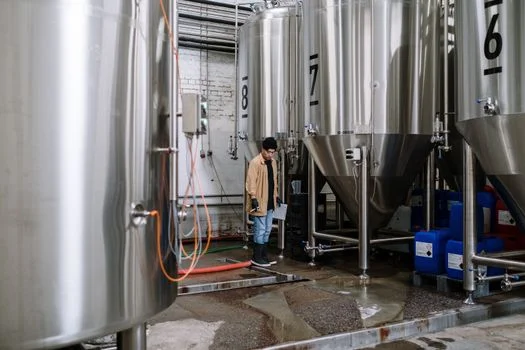
Choosing between locally fabricated and imported wastewater treatment equipment in Lagos is a CAPEX-versus-OPEX trade-off. Local fabrication cuts upfront price by 30–40% — no import duty, lower material cost, and delivery in 4–8 weeks versus 12–24 weeks for imported units. The catch: OPEX can run 15–25% higher over the asset life because local units often use less efficient motors and need more manual intervention.
On reliability, imported critical components (pumps, membranes) typically last 8–10 years; local equivalents run 5–7 years. Spare-part availability favors local builds, though imported spares often ship with the original order. For LASEPA approval, international suppliers usually bundle EPA/WHO-aligned documentation; local fabricators may need extra verification. Request the compliance paperwork before signing.
How to Select a Wastewater Treatment Supplier in Lagos
A simple 5-step framework keeps Lagos buyers out of trouble: define the effluent, vet the supplier, benchmark the price, check credentials, and lock performance terms in writing.
Step 1: Define effluent quality requirements. Lock discharge targets — COD ≤ 120 mg/L, TSS ≤ 30 mg/L, FOG ≤ 10 mg/L, pH 6–9 — and decide whether reuse is in scope, since reuse pushes the spec toward MBR-class effluent.
Step 2: Request Lagos-based case studies. Ask for LASEPA compliance certificates, operating data, and OPEX records from running plants. A supplier without a verifiable Nigerian install is a red flag.
Step 3: Benchmark CAPEX and OPEX quotes. Use the cost tables above to sanity-check proposals. Confirm civil works, permitting, chemicals, and sludge disposal sit in the total — not as extras.
Step 4: Verify certifications and technical expertise. ISO 9001, EPA/WHO references for imported components, and a track record on LASEPA filings matter more than brochure quality.
Step 5: Negotiate contracted performance and SLAs. Insist on contracted effluent quality, 90% uptime minimum, defined penalties for non-compliance, and an SLA covering spares and response time. Walk away from vague OPEX numbers and suppliers who refuse to put figures in writing.
Next Step: Get a Sized Lagos Proposal
Any wastewater treatment plant CAPEX and OPEX estimate for Lagos Nigeria should be re-run against Band A power tariffs and reuse scope before contract signature, because those two lines move the 5-year cost more than the equipment discount. Send your flow rate, influent profile, and target effluent to HydropureWater's Lagos team for a sized proposal with CAPEX, OPEX, and a LASEPA-ready equipment list.
Frequently Asked Questions
What is the cost of a 50 m³/h wastewater treatment plant in Lagos?
A 50 m³/h A/O plant typically costs ₦12M–₦18M for local fabrication or ₦22M–₦30M imported, with OPEX around ₦250–₦400/m³ treated. For higher effluent quality, a 50 m³/h MBR runs ₦30M–₦45M (local) or ₦50M–₦75M (imported), with OPEX of ₦350–₦500/m³. Add civil works at 25–35% of CAPEX before comparing quotes.
How long does it take to install a wastewater treatment plant in Lagos?
Local suppliers deliver and install a standard industrial wastewater treatment plant in 4–8 weeks; imported systems need 12–24 weeks for shipping and customs. LASEPA permitting and the environmental impact assessment typically add another 6–12 weeks on top. Commissioning and performance trial runs sit inside that same window.
What are the LASEPA compliance requirements for industrial wastewater in Lagos?
LASEPA requires COD ≤ 120 mg/L, TSS ≤ 30 mg/L, FOG ≤ 10 mg/L, pH 6–9, and zero visible oil sheen. Fines for non-compliance range from ₦500K to ₦50M depending on severity and duration. Permitting and the EIA (₦2M–₦5M) belong in the project budget, not in the contingency line.
Can treated wastewater be reused in Lagos factories?
Yes. MBR-treated effluent at COD ≤ 50 mg/L and TSS ≤ 5 mg/L suits cooling-tower make-up, irrigation, utility washing, and some process duties. This can offset up to 60% of municipal water use, saving ₦300–₦500/m³. Reuse scope should be decided before equipment selection, since it pushes the specification toward MBR-class effluent.
What is the payback period for a wastewater treatment plant in Lagos?
Payback runs 1.5–3 years for most Lagos industrial plants, driven by avoided LASEPA fines (₦1M–₦50M/year at stake) and reuse savings of ₦300–₦500/m³. Lower environmental liability and CSR value extend the upside beyond the headline payback. Plants pairing reuse with MBR-class effluent sit at the fast end of that range because water savings compound daily.
Which electricity band should a Lagos plant budget against?
Band A, at ₦209.50/kWh under the NERC MYTO order effective 7 Dec 2025, is the safe planning number for industrial estates in Ikeja Electric's network. Band B–C sites pay ₦62.48–₦50.00/kWh, which shifts energy from roughly 40% of OPEX toward the low end of that share. Budget MBR at 0.8–1.2 kWh/m³ and A/O at 0.3–0.5 kWh/m³ when testing both scenarios.