Hospital wastewater in Hail requires treatment systems that meet Saudi SFDA and MWE effluent standards (e.g., COD ≤ 120 mg/L, BOD ≤ 30 mg/L, fecal coliform ≤ 200 CFU/100 mL). MBR systems achieve 92-97% COD removal and <1 μm filtration, while DAF pre-treatment removes 90%+ of suspended solids and FOG. Chlorine dioxide (ClO₂) generators provide 99%+ disinfection without chemical residuals, critical for arid climates where water reuse is mandated.
Why Hospital Wastewater in Hail Fails SFDA Inspections (And How to Fix It)
Hospital wastewater treatment in Hail often fails to meet Saudi Food & Drug Authority (SFDA) inspections primarily due to inadequate removal of organic pollutants, pharmaceutical residues, and insufficient disinfection. SFDA’s 2025 effluent limits for hospitals in Hail mandate stringent parameters, including COD ≤ 120 mg/L, BOD ≤ 30 mg/L, and fecal coliform ≤ 200 CFU/100 mL, which are comparable to or stricter than international benchmarks like the EU 91/271/EEC (COD ≤ 125 mg/L).
A significant challenge unique to Hail’s hospital wastewater is the elevated concentration of pharmaceutical compounds. A 2024 KACST study indicated that Hail’s hospital wastewater contains 2-5 times higher concentrations of β-receptor blockers (e.g., metoprolol) compared to typical municipal wastewater. These complex organic compounds are resistant to conventional biological treatment processes, leading to non-compliance for emerging contaminants. Hail’s groundwater, often used for facility operations, contributes to high salinity (TDS 1,200-1,800 mg/L) in the wastewater stream. This high salinity exacerbates membrane fouling in advanced systems like MBRs, potentially reducing membrane flux by up to 30% without appropriate pre-treatment, thus compromising system performance and increasing operational costs.
Recent SFDA violation cases in Hail hospitals from 2023-2024 highlight common root causes. One hospital faced fines for elevated fecal coliform counts, directly attributable to an outdated chlorination system that failed to provide adequate disinfection. Another received a violation for high COD and pharmaceutical residues, stemming from a lack of tertiary treatment capable of removing persistent organic pollutants. A third case involved a hospital exceeding TSS limits, indicating insufficient primary treatment or inadequate separation of fats, oils, and grease (FOG). These failures underscore the necessity for robust, localized treatment strategies that account for specific regional wastewater characteristics and stringent Saudi SFDA wastewater standards.
| Parameter | SFDA 2025 Effluent Limits (Hail Hospitals) | EU 91/271/EEC (Urban Wastewater) |
|---|---|---|
| COD | ≤ 120 mg/L | ≤ 125 mg/L |
| BOD₅ | ≤ 30 mg/L | ≤ 25 mg/L |
| TSS | ≤ 30 mg/L | ≤ 35 mg/L |
| Fecal Coliform | ≤ 200 CFU/100 mL | ≤ 250 CFU/100 mL |
| Amoxicillin | ≤ 0.5 μg/L | ≤ 1 μg/L (General Pharmaceutical Limit) |
Saudi Standards vs Global Benchmarks: What Hail Hospitals Must Meet
Hail hospitals must adhere to a multi-layered regulatory framework established by the Saudi Food & Drug Authority (SFDA), the Ministry of Water and Environment (MWE), and the Saudi Standards, Metrology and Quality Organization (SASO). The SFDA’s 2025 Pharmaceutical Wastewater Guidelines (SFDA/GSO 2274:2025) are particularly stringent, setting limits for 12 specific antibiotics, with some compounds like amoxicillin restricted to ≤ 0.5 μg/L—a stricter threshold than the general 1 μg/L limit often seen in EU guidelines for individual pharmaceuticals. This focus on pharmaceutical removal is a key differentiator for Saudi compliance.
the MWE’s Water Reuse Decree (MWE/2024/11) mandates 100% tertiary treatment for all hospital effluent in Hail. This requirement is driven by concerns over groundwater recharge risks in arid regions and the strategic importance of water conservation and reuse. Consequently, treated hospital wastewater must meet standards suitable for non-potable reuse applications, often necessitating advanced treatment beyond conventional secondary processes.
Disinfection protocols are also strictly regulated by SASO 1433:2020, which specifically requires the use of chlorine dioxide (ClO₂) or ozone for disinfection in hospital wastewater treatment in Hail. This standard effectively bans chlorine-based disinfection methods due to the potential for trihalomethane (THM) formation, particularly in high-salinity water characteristic of the Hail region. THMs are carcinogenic byproducts that pose environmental and health risks, making ClO₂ generators compliant with SASO 1433:2020 or ozone systems the preferred choice for effective and safe disinfection.
| Parameter | Saudi Standards (SFDA, MWE, SASO) | EPA (USA Secondary Treatment) | EU Urban Waste Water Directive (91/271/EEC) | WHO Guidelines (Treated Wastewater Reuse) |
|---|---|---|---|---|
| COD | ≤ 120 mg/L | N/A (focus on BOD) | ≤ 125 mg/L | ≤ 100 mg/L (for irrigation) |
| BOD₅ | ≤ 30 mg/L | ≤ 30 mg/L | ≤ 25 mg/L | ≤ 10 mg/L (for irrigation) |
| TSS | ≤ 30 mg/L | ≤ 30 mg/L | ≤ 35 mg/L | ≤ 10 mg/L (for irrigation) |
| Fecal Coliform | ≤ 200 CFU/100 mL | N/A (focus on E. coli) | ≤ 250 CFU/100 mL | < 1000 CFU/100 mL (restricted irrigation) |
| Amoxicillin | ≤ 0.5 μg/L | N/A (emerging contaminant) | ≤ 1 μg/L (general) | N/A (emerging contaminant) |
| Disinfection Method | ClO₂ or Ozone (SASO 1433:2020) | Chlorination (common) | Various, often UV or Chlorination | Various, depends on reuse |
MBR vs DAF vs ClO₂: Head-to-Head Comparison for Hail Hospitals
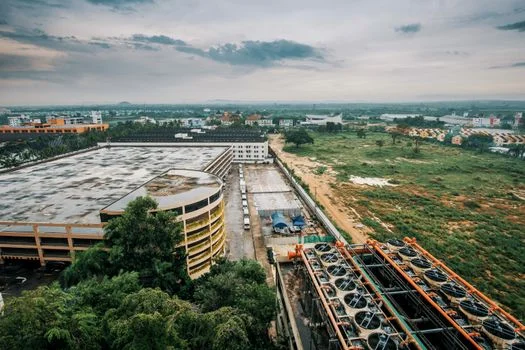
Selecting the optimal hospital wastewater treatment in Hail requires a careful evaluation of advanced technologies, each offering distinct advantages for arid climates, high salinity, and stringent SFDA limits. Membrane Bioreactor (MBR) systems are highly effective, achieving COD removal rates of 92-97% and producing effluent with TSS typically below 5 mg/L and filtration down to <1 μm, making them ideal for meeting water reuse standards. However, the initial capital expenditure (CAPEX) for MBR systems for hospital wastewater in Hail ranges from $120,000 to $450,000 for capacities of 10–100 m³/h, based on 2025 Saudi market data. These systems are available as /product/2-mbr-integrated-wastewater-treatment.html and offer superior effluent quality suitable for direct reuse.
Dissolved Air Flotation (DAF) pre-treatment systems offer robust removal of suspended solids and FOG, which is crucial for protecting downstream advanced treatment. DAF systems achieve TSS removal rates of 90-95% and FOG removal exceeding 98%, effectively reducing the organic load and preventing fouling in subsequent processes. The CAPEX for DAF systems typically ranges from $40,000 to $150,000. While highly efficient for pre-treatment, DAF pre-treatment for high-salinity hospital wastewater requires a downstream disinfection stage, such as a ClO₂ generator, to meet microbial limits. HydropureWater offers /product/4-dissolved-air-flotation-daf-machine.html for effective pre-treatment.
Chlorine dioxide (ClO₂) generators, like HydropureWater’s, provide 99%+ disinfection efficacy, crucial for eliminating bacteria and viruses without forming harmful trihalomethanes (THMs), a key requirement under SASO 1433:2020 in Hail. The operational expenditure (OPEX) for ClO₂ generators compliant with SASO 1433:2020 is estimated at $0.80–$1.20/m³ due to chemical costs, making them a cost-effective disinfection solution. Unlike chlorine, ClO₂’s effectiveness is less impacted by pH fluctuations or the presence of ammonia, which is beneficial in variable wastewater matrices. These systems are available as /product/11-chlorine-dioxide-generator.html.
| System Configuration | CAPEX (2025 Saudi Market) | OPEX (per m³) | Footprint (Relative) | Compliance Level (SFDA, MWE, SASO) | Maintenance Complexity |
|---|---|---|---|---|---|
| MBR (Biological + Filtration) | $120K–$450K | $0.40–$0.70 | Medium | High (Pharmaceuticals, COD, BOD, TSS) | Medium (Membrane cleaning, replacement) |
| DAF + ClO₂ (Pre-treatment + Disinfection) | $70K–$200K | $0.30–$0.50 | Medium | Medium (TSS, FOG, Disinfection; requires further treatment for pharmaceuticals) | Low (Sludge handling, chemical dosing) |
| MBR + RO (Advanced Reuse) | $400K–$800K | $0.80–$1.50 | Large | Very High (Near-potable quality, full pharmaceutical removal) | High (Membrane fouling, extensive chemical cleaning) |
Engineering Specs for Hail’s Hospital Wastewater: Flow Rates, Retention Times, and Chemical Dosing
Accurate engineering specifications are paramount for designing effective hospital wastewater treatment systems in Hail, considering local conditions such as high salinity and temperature variations. For MBR systems, a Hydraulic Retention Time (HRT) of 6–8 hours is typically recommended to ensure sufficient biological degradation of organic matter and pharmaceuticals. The Mixed Liquor Suspended Solids (MLSS) concentration should be maintained between 8–12 g/L to optimize biological activity and membrane performance. Membrane flux rates, typically 15–25 LMH (liters per square meter per hour), must be carefully adjusted, especially when influent TDS exceeds 1,200 mg/L, as high salinity can reduce flux and increase fouling rates, necessitating more frequent cleaning cycles or enhanced pre-treatment.
DAF pre-treatment systems require specific parameters to maximize solids and FOG removal. An Air-to-Solids (A/S) ratio of 0.02–0.04 is crucial for effective flotation, ensuring adequate micro-bubble generation to lift suspended particles. A retention time of 20–30 minutes within the DAF tank allows for sufficient contact between air bubbles and flocs. Coagulant dosing, typically 50–100 mg/L of polyaluminium chloride (PAC) or ferric chloride, is essential to destabilize particles and promote flocculation before flotation. These parameters ensure that the DAF system efficiently reduces the load on subsequent treatment stages.
For disinfection with ClO₂ generators, a dosing concentration of 2–5 mg/L is generally effective for achieving 99% disinfection, meeting the fecal coliform limits specified by SFDA. A contact time of 30–60 minutes is required to ensure complete pathogen inactivation, as stipulated by SASO 1433:2020. This contact time is critical for preventing SFDA violations and ensuring the treated effluent is safe for reuse in Hail’s arid environment. Proper sizing of the contact tank is essential to achieve this retention time at peak flow rates.
| Parameter | Influent Specs (Hail Hospital Wastewater) | MBR Effluent Target | DAF Effluent Target | ClO₂ Effluent Target |
|---|---|---|---|---|
| COD | 300–800 mg/L | ≤ 120 mg/L | 150–400 mg/L (pre-treatment) | N/A (disinfection only) |
| BOD₅ | 150–400 mg/L | ≤ 30 mg/L | 75–200 mg/L (pre-treatment) | N/A (disinfection only) |
| TSS | 100–300 mg/L | ≤ 5 mg/L | ≤ 30 mg/L | N/A (disinfection only) |
| Salinity (TDS) | 1,200–1,800 mg/L | 1,200–1,800 mg/L (no change) | 1,200–1,800 mg/L (no change) | 1,200–1,800 mg/L (no change) |
| Fecal Coliform | 10⁶–10⁸ CFU/100 mL | 10³–10⁴ CFU/100 mL (pre-disinfection) | 10⁵–10⁷ CFU/100 mL (pre-disinfection) | ≤ 200 CFU/100 mL |
| Pharmaceuticals (e.g., Amoxicillin) | 0.5–5 μg/L | ≤ 0.5 μg/L | N/A (minimal removal) | N/A (no removal) |
CAPEX and ROI: 2025 Cost Breakdown for Hail Hospital Wastewater Systems
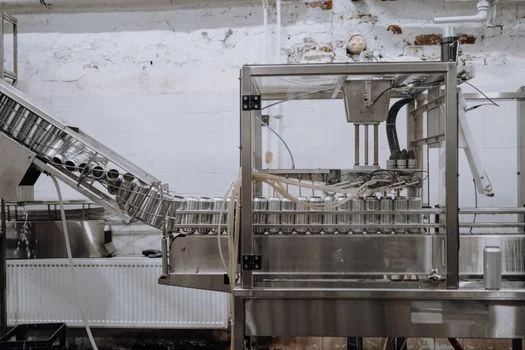
Accurate budgeting and return on investment (ROI) analysis are critical for procurement teams evaluating hospital wastewater treatment in Hail. For MBR systems with capacities of 10–100 m³/h, the Capital Expenditure (CAPEX) in the 2025 Saudi market ranges from $120,000 to $450,000. Operational Expenditure (OPEX) for MBRs is typically $0.40–$0.70/m³, primarily driven by energy consumption, membrane cleaning chemicals, and membrane replacement costs, with membranes typically lasting 5–7 years under Hail’s conditions before needing replacement.
A DAF + ClO₂ system, providing robust pre-treatment and disinfection, represents a lower initial investment. The combined CAPEX for this configuration ranges from $70,000 to $200,000. OPEX for a DAF + ClO₂ system is estimated at $0.30–$0.50/m³, with chemical costs for coagulants and chlorine dioxide dominating the operational budget. While effective for TSS, FOG, and disinfection, this configuration may require additional stages for full pharmaceutical removal to meet stringent SFDA/GSO 2274:2025 guidelines.
ROI drivers for investing in compliant wastewater treatment are substantial. SFDA fines for effluent violations can range from SAR 50,000 to SAR 200,000 per violation, making non-compliance a significant financial risk. MWE’s water reuse mandate in Hail allows hospitals to realize substantial savings from reusing treated water for irrigation, cooling towers, or toilet flushing, with potential savings of SAR 15–30/m³ on municipal water purchases. Energy costs are another key factor, with MBR systems typically consuming 0.6–1.2 kWh/m³. Factoring in these costs and savings provides a clear picture of the long-term financial benefits of advanced treatment systems.
| System Configuration | CAPEX (Installation) | Annual OPEX (per m³) | 5-Year Total Cost of Ownership (TCO) Estimate | Compliance Risk (SFDA, MWE, SASO) |
|---|---|---|---|---|
| MBR (Biological + Filtration) | $120K–$450K | $0.40–$0.70 | $250K–$800K | Low (High compliance for most parameters) |
| DAF + ClO₂ (Pre-treatment + Disinfection) | $70K–$200K | $0.30–$0.50 | $150K–$350K | Medium (May require additional tertiary for pharmaceuticals) |
| MBR + RO (Advanced Reuse) | $400K–$800K | $0.80–$1.50 | $800K–$1.5M | Very Low (Near-potable quality effluent) |
Zero-Risk Procurement Checklist for Hail Hospital Wastewater Systems
To mitigate compliance failures, cost overruns, and operational disruptions, hospitals in Hail must follow a stringent procurement process for wastewater treatment systems. First, verify that the vendor demonstrates full compliance with SASO 1433:2020 for disinfection methods (e.g., ClO₂ or ozone) and SFDA/GSO 2274:2025 for pharmaceutical removal. This ensures the proposed system meets all local regulatory requirements, preventing costly violations.
Second, for MBR systems, insist on conducting pilot testing using actual Hail hospital wastewater. This pilot should specifically evaluate membrane flux decline, aiming for less than 20% reduction over a 30-day period in Hail’s high-salinity water. This step is crucial for validating system performance under real-world conditions and identifying potential fouling issues beforehand. For hospitals considering MBR vs DAF vs ClO₂ for small-to-medium hospitals, pilot testing can offer invaluable comparative data.
Third, ensure that any ClO₂ generators proposed are EPA-registered and certified to produce >95% pure ClO₂ solution, consistent with HydropureWater specifications. This purity is vital for effective disinfection and preventing unwanted byproducts. Finally, negotiate comprehensive performance guarantees with the vendor. These guarantees should explicitly state that the treated effluent will consistently meet SFDA limits—specifically COD ≤ 120 mg/L, BOD ≤ 30 mg/L, and fecal coliform ≤ 200 CFU/100 mL—for at least 12 months post-installation. This provides a crucial layer of protection against underperforming systems and ensures long-term compliance.
Frequently Asked Questions
Navigating the complexities of hospital wastewater treatment in Hail often brings forth specific questions from facility managers and environmental engineers.
What are the SFDA’s 2025 limits for hospital wastewater in Hail?
The SFDA’s 2025 limits for hospital wastewater in Hail are stringent, requiring COD ≤ 120 mg/L, BOD ≤ 30 mg/L, and fecal coliform ≤ 200 CFU/100 mL. Additionally, SFDA/GSO 2274:2025 sets specific limits for 12 pharmaceuticals, typically ranging from ≤ 0.1–1 μg/L depending on the compound.
How does Hail’s high salinity affect MBR performance?
Hail’s high salinity, with TDS levels often between 1,200-1,800 mg/L, can significantly impact MBR performance. Without proper pre-treatment, high salinity can reduce membrane flux by up to 30% and accelerate fouling, leading to increased cleaning frequency and higher operational costs. DAF or Reverse Osmosis (RO) pre-treatment is often recommended to mitigate these effects.
Is chlorine allowed for hospital wastewater disinfection in Hail?
No, chlorine is not allowed for hospital wastewater disinfection in Hail. SASO 1433:2020 specifically bans chlorine due to the potential for trihalomethane (THM) formation, particularly in high-salinity water. Instead, chlorine dioxide (ClO₂) or ozone disinfection systems are mandated for compliance.
What’s the CAPEX for a 50 m³/h hospital wastewater system in Hail?
For a 50 m³/h hospital wastewater system in Hail, the estimated CAPEX varies by technology. An MBR system typically costs $250,000–$350,000. A DAF + ClO₂ system, offering pre-treatment and disinfection, would be in the range of $120,000–$180,000. For the highest quality effluent suitable for advanced reuse, an MBR + RO system could range from $400,000–$600,000.
How often do MBR membranes need replacement in Hail’s conditions?
In Hail’s conditions, MBR membranes typically require replacement every 5–7 years. However, this lifespan can be reduced if adequate pre-treatment is not in place or if membrane flux declines by 30% or more from its baseline performance, indicating severe fouling or damage.