Erbil’s first modern sewage treatment facility (52,500 m³/day, $228M JICA-funded) will begin operations in 2028, but industrial and municipal buyers need solutions now. KRG’s effluent standards (COD ≤ 125 mg/L, BOD ≤ 25 mg/L, TSS ≤ 30 mg/L) require equipment like MBR systems (footprint 60% smaller than conventional) or DAF units (92–97% TSS removal). This guide compares 5 supplier tiers—from $50K underground package plants to $5M MBR systems—with CAPEX, OPEX, and compliance benchmarks for zero-risk selection.
Why Erbil’s Wastewater Crisis Demands Immediate Action
Erbil’s population of over 2 million residents currently lacks a comprehensive centralized sewage treatment network, resulting in approximately 70% of the city’s wastewater being discharged untreated into the environment (KRG Ministry of Health 2024 data). This systemic lack of infrastructure has forced individual industrial plant operators and residential developers to manage their own waste streams or face severe legal consequences. For procurement managers, the risk is no longer just environmental; it is financial and operational.
Groundwater contamination in the Erbil basin has reached critical levels, with nitrate concentrations frequently exceeding 50 mg/L and fecal coliform counts surpassing 0 CFU/100mL, according to a 2023 UNICEF report. Because many industrial sites in the Erbil Industrial Area rely on deep wells for process water, discharging untreated effluent directly threatens their own water supply. The KRG Ministry of Municipalities and Tourism has responded by intensifying enforcement of KRG Law No. 12 of 2020. Non-compliant facilities now face immediate fines of 5 million IQD ($3,800 USD) per violation, with additional daily penalties that accumulate until a compliant treatment system is commissioned.
The financial impact of inaction is best illustrated by a 2024 case study involving a textile factory in Erbil. The facility was found to be discharging high-color, high-COD wastewater into local drainage channels. Before a 500 m³/day MBR system could be installed and commissioned, the company had accrued 45 million IQD ($34,000 USD) in fines and faced a temporary closure order. By investing in MBR systems for Erbil’s strict COD/BOD limits and limited footprint, industrial operators can bypass these penalties while ensuring long-term operational stability.
KRG Effluent Standards: What Your Treatment System Must Achieve
KRG effluent limits under the Ministry of Municipalities Regulation 2023 mandate COD levels ≤ 125 mg/L and BOD ≤ 25 mg/L for all discharge into public sewers or natural water bodies. These standards are significantly more stringent than the historical Iraq National Standards (Law No. 25 of 1967), reflecting the Kurdistan Regional Government's push toward modern environmental governance. For example, the KRG standard for Total Suspended Solids (TSS) is 50% stricter than the national Iraqi limit, requiring high-efficiency filtration or membrane separation.
Certain industrial sectors face even more rigorous requirements. Food processing facilities must maintain Fats, Oils, and Grease (FOG) levels below 10 mg/L, often necessitating the use of DAF systems for Erbil’s food processing plants as a primary treatment stage. Hospitals and medical clinics are required to ensure a residual chlorine level of ≥ 0.5 mg/L to prevent the spread of waterborne pathogens, a specification that directly impacts the design of the disinfection tank and dosing system. You can review specific hospital wastewater treatment specs for KRG’s chlorine residual requirements to ensure equipment matches these medical-grade standards.
The following table outlines the compliance gap between regional and national standards, which dictates the type of equipment required for project approval by the General Directorate of Water and Sewerage (GDWS).
| Parameter | KRG Standard (2023) | Iraq National (Law 25) | Required Equipment Tier |
|---|---|---|---|
| COD (Chemical Oxygen Demand) | ≤ 125 mg/L | ≤ 150 mg/L | Secondary (SBR/MBR) |
| BOD (Biological Oxygen Demand) | ≤ 25 mg/L | ≤ 40 mg/L | Biological Treatment |
| TSS (Total Suspended Solids) | ≤ 30 mg/L | ≤ 60 mg/L | Membrane or Sand Filter |
| pH Range | 6.0 – 9.0 | 6.0 – 9.5 | Auto-Dosing System |
| Fecal Coliform | ≤ 1,000 CFU/100mL | Not Specified | UV or Chlorine Disinfection |
Before any equipment is installed, the design must be pre-approved by the GDWS. This process typically requires a 6 to 12-month lead time, including site inspections and technical dossier reviews. Selecting a supplier who understands this local approval workflow is critical to avoiding project delays.
MBR vs DAF vs SBR: Engineering Specs for Erbil’s Top 3 Technologies
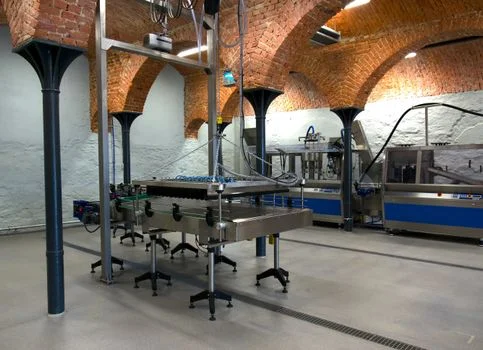
Membrane Bioreactor (MBR) technology achieves the highest effluent quality in Erbil, maintaining COD levels below 30 mg/L while requiring 60% less space than conventional activated sludge systems. For municipal engineers working on residential compounds or shopping malls where land value is high, MBR is the preferred choice. These systems utilize PVDF membranes with a 0.1 μm pore size to physically strain out bacteria and solids, producing water suitable for irrigation reuse in Erbil’s parks and green belts.
Dissolved Air Flotation (DAF) is the engineering standard for Erbil’s industrial sector, particularly in the oil and gas and food processing industries. By introducing micro-bubbles into the wastewater, DAF units for Erbil’s high-FOG industrial wastewater achieve 92–97% TSS removal and 95–99% FOG removal. DAF is often used as a pretreatment stage to protect downstream biological units from fouling. For many Erbil factories, a DAF unit followed by a simple biological filter is sufficient to meet KRG discharge limits without the higher energy costs of a full MBR system.
Sequencing Batch Reactor (SBR) systems offer a balanced approach for larger municipal projects (1,000 m³/day+) that have more available footprint. SBRs operate in a timed cycle of fill, react, settle, and decant, all within a single tank. While their footprint is larger (1.5–2.5 m²/m³/day) compared to MBR, their energy consumption is lower, typically ranging from 0.4 to 0.6 kWh/m³. For decentralized community projects, underground package sewage treatment plants for Erbil’s space-constrained sites often utilize SBR or MBBR technology to minimize surface noise and odor.
| Engineering Parameter | MBR (Membrane Bioreactor) | DAF (Dissolved Air Flotation) | SBR (Sequencing Batch Reactor) |
|---|---|---|---|
| Effluent COD | < 30 mg/L | 150–300 mg/L (Pretreatment) | 40–60 mg/L |
| Footprint Requirement | 0.5 – 1.0 m²/m³/day | 0.2 – 0.4 m²/m³/day | 1.5 – 2.5 m²/m³/day |
| Energy Consumption | 0.8 – 1.2 kWh/m³ | 0.3 – 0.5 kWh/m³ | 0.4 – 0.6 kWh/m³ |
| Sludge Production | 0.2 – 0.4 kg TSS/kg BOD | 0.1 – 0.3 kg TSS/kg TSS removed | 0.3 – 0.5 kg TSS/kg BOD |
| Primary Application | High-end reuse/Small sites | Industrial FOG/TSS removal | Municipal/Large industrial |
Erbil Supplier Landscape: 5 Tiers of Sewage Treatment Equipment Providers
The Erbil wastewater equipment market is segmented into five distinct supplier tiers, ranging from international EPC firms handling JICA-funded infrastructure to local component distributors. Tier 1 consists of global EPCs like ITOCHU and Çalık Enerji. These firms manage projects exceeding $50M and capacities over 10,000 m³/day, typically backed by international financing. While they offer the highest level of engineering, they are generally inaccessible for private industrial or mid-sized municipal projects.
Tier 2 includes regional turnkey suppliers such as Sama-Al Raqim and Water Power Company. These companies specialize in projects ranging from $1M to $10M and have established relationships with the GDWS. They provide full design-build services and typically source equipment from high-quality international manufacturers. Tier 3 is composed of local distributors who act as agents for Chinese or Turkish manufacturers. While they offer lower prices, after-sales support and technical depth can be inconsistent, making them a higher risk for complex industrial projects.
Tier 4 represents prefabricated plant manufacturers like HydropureWater. These suppliers focus on $50K to $2M projects with capacities between 1 and 1,000 m³/day. Their primary advantage is the "plug-and-play" nature of their equipment, which can be delivered to Erbil in 6 to 12 weeks. Finally, Tier 5 consists of component suppliers who sell individual membranes, pumps, or chemicals. These are suitable for retrofitting existing plants but are not recommended for buyers seeking a guaranteed compliance outcome.
| Supplier Tier | Typical Project Scale | Lead Time | Compliance Risk |
|---|---|---|---|
| Tier 1: Global EPC | > $50M (Municipal) | 24 – 48 Months | Zero (JICA/WB backed) |
| Tier 2: Regional Turnkey | $1M – $10M | 12 – 18 Months | Low (KRG experienced) |
| Tier 3: Local Distributor | $50K – $500K | 16 – 24 Weeks | Moderate (Support issues) |
| Tier 4: Prefab Manufacturer | $50K – $2M | 8 – 12 Weeks | Low (Factory tested) |
| Tier 5: Component Vendor | $5K – $50K | 2 – 4 Weeks | High (DIY integration) |
CAPEX & OPEX Breakdown: What Erbil Projects Really Cost
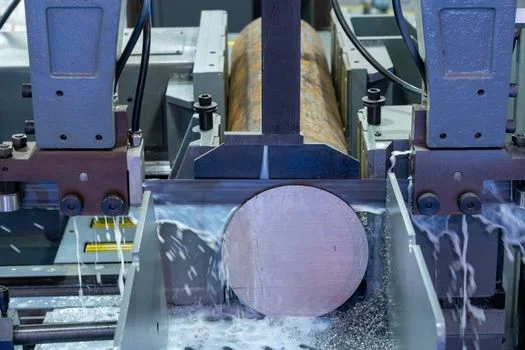
Capital expenditure for sewage treatment in Erbil ranges from $5,000 per m³/day for specialized industrial units to $1,200 per m³/day for large-scale municipal MBR systems. For a standard 1,000 m³/day MBR plant, buyers should budget between $1.2M and $2.5M USD, depending on the level of automation and the quality of the membrane materials. In contrast, an SBR system of the same capacity might cost $800,000 to $1.5M, but it will require significantly more land area, which can offset the equipment savings in urban Erbil.
Operating expenditures (OPEX) are driven primarily by energy costs and chemical consumption. Industrial systems in Erbil typically see OPEX between 0.15 and 0.40 USD/m³, while larger municipal systems can achieve economies of scale, dropping to 0.05–0.20 USD/m³. MBR systems have the highest OPEX due to the energy required for membrane scouring (air-blowing to prevent fouling) and the cost of membrane replacement every 5–8 years. However, the high-quality effluent produced by MBR can be sold or reused for irrigation, providing a potential ROI that SBR or DAF systems lack.
| Technology | CAPEX (per m³/day) | OPEX (per m³) | Typical ROI (Years) |
|---|---|---|---|
| MBR System | $1,200 – $2,500 | $0.25 – $0.40 | 4 – 6 (with reuse) |
| DAF System | $200 – $800 | $0.10 – $0.20 | 2 – 3 (fine avoidance) |
| SBR System | $800 – $1,500 | $0.15 – $0.25 | 5 – 7 |
| Package Plant | $1,000 – $1,800 | $0.20 – $0.35 | 3 – 5 |
Financing options in the Kurdistan Region are expanding. While large municipal projects rely on JICA ODA loans (such as the 34.4B yen loan for the Erbil central plant), private industrial buyers can often access KRG grants for environmental compliance or negotiate staged payment plans with Tier 2 and Tier 4 suppliers. Typical terms include a 30% down payment, 60% upon delivery, and 10% after successful commissioning and GDWS approval.
Zero-Risk Supplier Selection: A 10-Point Checklist for Erbil Buyers
Verification of General Directorate of Water and Sewerage (GDWS) pre-approval is the primary step in mitigating regulatory risk for wastewater projects in the Kurdistan Region. Without this approval, equipment may be installed but will never be legally commissioned, leaving the operator liable for fines. Beyond regulatory status, buyers should follow supplier selection best practices for Gulf region projects to ensure long-term reliability in arid climates.
- 1. GDWS Approval: Does the supplier have a current registration and pre-approved equipment list with the Ministry of Municipalities?
- 2. KRG References: Can the supplier provide contact details for at least three operational projects in Erbil or Sulaymaniyah?
- 3. Local Presence: Does the supplier have a physical office in Erbil with stocked spare parts (membranes, blowers, sensors)?
- 4. Technology Match: Is the proposed technology capable of meeting KRG’s specific limits for your sector (e.g., FOG for food, chlorine for hospitals)?
- 5. Footprint: Does the equipment fit within your site constraints without requiring expensive land acquisition?
- 6. Energy Efficiency: What is the guaranteed kWh/m³? Ask for a breakdown of motor and blower ratings.
- 7. Sludge Management: What is the daily sludge production, and does the supplier provide a dewatering solution (e.g., screw press)?
- 8. CAPEX/OPEX Transparency: Did the quote include a 5-year projected OPEX, including chemical and membrane replacement costs?
- 9. Warranty Terms: Is there a minimum 2-year warranty on mechanical equipment and a 1-year performance guarantee on membranes?
- 10. Training Program: Does the contract include 2 weeks of on-site operator training and KRG-approved O&M manuals in Kurdish or Arabic?
Frequently Asked Questions
Q: What are the KRG’s effluent limits for industrial wastewater?
A: According to the 2023 Ministry of Municipalities Regulation, the limits are COD ≤ 125 mg/L, BOD ≤ 25 mg/L, TSS ≤ 30 mg/L, and pH 6–9. Fecal coliform must be ≤ 1,000 CFU/100mL. Specific industries like food processing must also maintain FOG ≤ 10 mg/L.
Q: How much does a 1,000 m³/day MBR system cost in Erbil?
A: A turnkey MBR system generally costs between $1.2M and $2.5M USD. This includes engineering design, equipment procurement, installation, and commissioning. The OPEX for such a system typically ranges from $0.25 to $0.40 per cubic meter treated.
Q: Can I use a DAF system for municipal sewage in Erbil?
A: DAF is not typically used as a standalone solution for municipal sewage because it is designed for physical separation of solids and oils, not biological nutrient removal. However, it is an excellent pretreatment stage for municipal plants that receive high levels of industrial fats or greases.
Q: How long does it take to get GDWS approval for a plant in Erbil?
A: The process usually takes 6–12 months. This includes the technical review of the design, site inspections by GDWS engineers, and final commissioning tests. Using a supplier with pre-approved equipment can often shorten this window to 4–6 months.
Q: What happens to the sludge produced by these systems in Erbil?
A: Currently, most sludge must be dewatered on-site (using a screw press or filter press) to at least 20% dry solids content before being transported to designated municipal landfills. Some Tier 4 suppliers are now offering sludge solar drying beds to further reduce disposal costs.