Uganda’s top 5 sewage treatment equipment suppliers in 2025 include Davis & Shirtliff (East African leader since 1946), Hydro Concepts (anaerobic specialists for tropical climates), and Ecotech (compact municipal plants). Key selection criteria: NEMA compliance (e.g., COD < 50 mg/L), CAPEX ($120K–$5M), and tech fit (e.g., DAF for high TSS, MBR for land-constrained sites). This guide provides a zero-risk decision framework with Uganda-specific cost benchmarks and regulatory checklists.
Why Uganda’s Sewage Treatment Market is Unique: Climate, Compliance, and Cost Constraints
Uganda’s tropical climate, characterized by average temperatures between 25–30°C, significantly influences wastewater treatment design, accelerating biological processes but increasing odor risks if not properly managed. Suppliers adapt to these conditions by incorporating features such as covered tanks and biofilters to mitigate unpleasant smells, ensuring community acceptance for both industrial and municipal wastewater treatment systems. the National Environment Management Authority (NEMA) sets stringent effluent limits, with the 2024 ‘Guidelines for Wastewater Discharge’ stipulating levels like COD < 50 mg/L and TSS < 30 mg/L, which are often stricter than those in neighboring East African countries, including Kenya’s wastewater treatment cost benchmarks for East African comparison. This regulatory environment necessitates robust treatment technologies capable of consistent performance.
Grid instability, with an average of 2–5 power outages per month across key industrial and municipal areas, demands energy-resilient sewage treatment solutions. Equipment suppliers offer systems with integrated backup power solutions, such as solar-powered MBR systems, or advocate for inherently energy-efficient technologies like anaerobic digesters. Land scarcity in rapidly urbanizing areas like Kampala and Entebbe is another critical design constraint, driving demand for compact systems. Technologies such as Membrane Bioreactors (MBR) and underground package plants, like HydropureWater’s WSZ Series, offer significantly reduced footprints. For instance, Ecotech’s Fort Portal municipal wastewater treatment plant, completed in 2022, demonstrates how compact designs can handle substantial capacities even with limited land availability.
The table below highlights key Ugandan environmental parameters and their impact on wastewater treatment plant design:
| Parameter | Uganda-Specific Condition | Impact on WWTP Design | NEMA 2024 Effluent Limit |
|---|---|---|---|
| Climate | Avg. 25-30°C, high humidity | Accelerated biological activity, increased odor risk, higher evaporation | N/A (Process, not effluent) |
| Power Stability | 2-5 outages/month | Requires backup power, energy-efficient systems (e.g., anaerobic digestion, solar integration) | N/A (Operational, not effluent) |
| Land Availability | Scarce in urban areas (Kampala, Entebbe) | Preference for compact (MBR) or underground systems (WSZ) | N/A (Site, not effluent) |
| Effluent COD | High industrial/domestic loads | Requires advanced biological/chemical treatment | < 50 mg/L |
| Effluent TSS | High suspended solids from various sources | Requires effective primary/secondary clarification or membrane filtration | < 30 mg/L |
Top 5 Sewage Treatment Equipment Suppliers in Uganda: 2025 Comparison Matrix
Selecting a sewage treatment equipment supplier in Uganda requires a structured comparison across technical capabilities, compliance adherence, and local support infrastructure. The market features a mix of established regional players and specialized international providers, each with distinct strengths and weaknesses relevant to Uganda’s unique operating environment. This comparison matrix provides actionable data for procurement managers to shortlist vendors based on key criteria such as NEMA compliance, typical CAPEX ranges, and technological fit for specific applications.
| Company | Founded | Uganda Presence (Years) | NEMA Compliance (Certification/Expertise) | Key Technologies | CAPEX Range ($) | Lead Time (Weeks) | Local Support (Service Centers) |
|---|---|---|---|---|---|---|---|
| Davis & Shirtliff | 1946 | ~50+ | Strong, NEMA-certified projects | Conventional Activated Sludge, SBR, MBR, Package Plants, Pumps | $150K - $5M+ | 8-16 | Extensive (Kampala, Mbarara, Jinja) |
| Hydro Concepts | ~2000s | ~15+ | High (Anaerobic focus) | Anaerobic Digestion (UASB, EGSB), Biogas Recovery, Industrial ETPs | $200K - $4M | 12-24 | Good (Kampala) |
| Ecotech | ~2000s | ~15+ | Strong (Municipal projects) | Compact Municipal Plants, MBR, SBR, Package Plants | $120K - $2.5M | 10-20 | Moderate (Kampala) |
| Attaquant Enterprises | ~2010s | ~10+ | Specialized (ZLD focus) | Zero Liquid Discharge (ZLD), RO, Evaporators, MEE | $500K - $7M+ | 16-30 | Limited (Project-based) |
| Ningbo Golden Yangtze | 2007 | Project-based | International (CE/ISO9001, but no direct NEMA) | RO Systems, UF, Industrial Water Treatment | $80K - $1.5M | 20-40+ (Import) | Minimal (Remote/Distributor) |
Davis & Shirtliff: An East African leader since 1946, Davis & Shirtliff offers a comprehensive range of water and energy solutions. Their strengths lie in an extensive regional network, providing turnkey solutions from design to installation and maintenance, with numerous NEMA-certified projects in their portfolio. However, their core expertise is broader, and they may have more limited in-house specialization for highly complex Zero Liquid Discharge (ZLD) applications compared to dedicated ZLD providers.
Hydro Concepts: Specializing in anaerobic digestion, Hydro Concepts is particularly strong in developing wastewater treatment solutions for tropical climates. They excel in resource recovery, including biogas generation, making them a suitable choice for industries seeking energy efficiency. Their focus on custom designs for specific wastewater characteristics can sometimes lead to longer lead times compared to off-the-shelf solutions.
Ecotech: Known for their compact municipal wastewater treatment plants, Ecotech has a strong track record of delivering NEMA-certified projects, such as the Fort Portal plant in 2022. Their strength is in providing efficient, space-saving solutions for urban development. While capable, their industrial portfolio is comparatively smaller than some competitors, potentially limiting their experience with highly specialized industrial effluents.
Attaquant Enterprises: As a leading Zero Liquid Discharge (ZLD) plant manufacturer and supplier in Uganda, Attaquant specializes in advanced treatment for industries aiming for complete water reuse. Their expertise in technologies like RO and evaporators is a key advantage for environmental compliance and water conservation. However, ZLD systems typically involve higher CAPEX and may require more specialized operational support, which can be a consideration given their project-based local service model.
Ningbo Golden Yangtze: Established in 2007 with CE and ISO9001 certifications, Ningbo Golden Yangtze specializes in RO systems and industrial water treatment. Their strength lies in providing cost-effective reverse osmosis solutions. A key weakness is the absence of a direct Uganda office, which can result in import delays, challenges with direct NEMA compliance navigation, and reliance on remote or third-party service for maintenance and support.
Matching Equipment to Uganda’s Use Cases: Industrial, Municipal, and Land-Constrained Sites
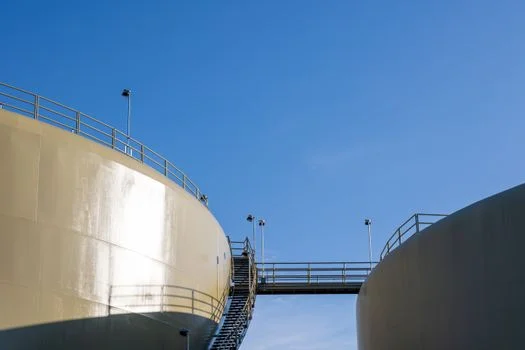
Selecting the appropriate sewage treatment technology in Uganda is a critical decision that directly impacts operational efficiency, compliance, and long-term costs. A decision framework based on specific site characteristics, wastewater quality, and resource constraints can prevent costly mismatches. For example, if a site faces severe land constraints or requires high-quality effluent for reuse, Membrane Bioreactor (MBR) technology is often the most suitable choice. Conversely, for high suspended solids (TSS) in industrial wastewater, Dissolved Air Flotation (DAF) systems prove highly effective.
Industrial Applications: Facilities such as Nile Breweries or Kakira Sugar, which generate high volumes of wastewater with significant suspended solids and organic loads, benefit from robust primary and secondary treatment. Dissolved Air Flotation (DAF) systems for Uganda’s industrial wastewater with 95% TSS removal are highly effective for pre-treatment, achieving up to 95% TSS reduction and 60% BOD removal. Following this, advanced biological treatment and Reverse Osmosis (RO) systems are often employed for water reuse, as demonstrated by Hydro Concepts’ 2023 case study where industrial TSS was reduced from 500 mg/L to 25 mg/L, enabling water recycling within the facility. For industrial sites with high organic loads and a need for energy recovery, anaerobic digestion systems are ideal, generating biogas that can offset operational energy costs.
Municipal Applications: For urban centers like Kampala and Jinja, where population density and effluent quality for discharge into sensitive water bodies are concerns, MBR systems for Kampala’s municipal wastewater with reuse-quality effluent are increasingly favored. MBR technology offers a compact footprint, typically 60% smaller than conventional activated sludge plants, making it suitable for land-constrained municipal sites. The Ecotech Fort Portal plant (2022) is a notable example, showcasing efficient municipal wastewater treatment within a confined urban space. Anaerobic digesters, particularly for larger municipal facilities, offer the added benefit of energy recovery from sludge, reducing reliance on the unstable national grid.
Land-Constrained Sites: Hospitals in Entebbe or densely populated informal settlements (slums) often have minimal land available for traditional wastewater treatment infrastructure. In these scenarios, compact underground sewage treatment plants for land-constrained sites in Uganda, such as HydropureWater’s WSZ Series, or containerized MBR systems, are optimal. These integrated solutions minimize above-ground footprint and can be discreetly installed, often requiring less than 50% of the land area of conventional systems for comparable capacity. Solar-integrated MBR systems, like the one deployed by Davis & Shirtliff in Mbarara in 2024, also address power instability by reducing grid dependency.
The following table illustrates footprint comparisons for different treatment technologies:
| Technology Type | Typical Footprint (m² per 1000 m³/day) | Key Advantage for Uganda | HydropureWater Product Link |
|---|---|---|---|
| Conventional Activated Sludge | 200-300 | Lower CAPEX, robust | N/A |
| MBR System | 80-120 | Compact, high effluent quality, water reuse | MBR Membrane Bioreactor Wastewater Treatment System |
| Underground WSZ Plant | 50-80 | Minimal above-ground footprint, aesthetic | Underground Package Sewage Treatment Plant (WSZ Series) |
| DAF System (pre-treatment) | 20-40 | High TSS removal, compact pre-treatment | Dissolved Air Flotation (DAF) System |
| Anaerobic Digester | 100-150 | Energy recovery, low OPEX | N/A |
Uganda-Specific CAPEX and OPEX: 2025 Cost Benchmarks for Budget Approval
Budgeting for a sewage treatment plant in Uganda requires a clear understanding of both Capital Expenditure (CAPEX) and Operational Expenditure (OPEX), which are significantly influenced by local market conditions, regulatory requirements, and energy costs. A typical industrial or municipal wastewater treatment plant in Uganda can range from $120,000 for a small package plant to over $5 million for a large-scale municipal or complex industrial facility. For example, Ecotech’s Fort Portal municipal plant, with a capacity of 5,000 m³/day, involved a CAPEX of approximately $1.2 million, translating to roughly $240 per m³/day of capacity (Ecotech project data, 2022).
The following table provides a CAPEX breakdown for common system types in Uganda:
| System Type | Capacity Range (m³/day) | Estimated CAPEX ($) | $/m³ Capacity | Uganda-Specific Notes |
|---|---|---|---|---|
| Small Package Plant (SBR/MBR) | 50-200 | $120,000 - $350,000 | $1,500 - $2,400 | Suitable for small facilities, hotels; installation costs higher due to remoteness. |
| Medium MBR System | 500-2,000 | $500,000 - $1,800,000 | $900 - $1,200 | Popular for medium industries, municipalities; high effluent quality for reuse. |
| Large Anaerobic/Aerobic System | 2,000-10,000 | $1,500,000 - $5,000,000 | $500 - $750 | For major industries (e.g., breweries, sugar), large towns; biogas potential. |
| ZLD System (Industrial) | 100-500 | $800,000 - $3,000,000 | $3,000 - $6,000 | High specialization, for industries with strict discharge limits; significant import costs. |
Operational Expenditure (OPEX) is primarily driven by energy consumption, chemical usage, and labor. Energy costs in Uganda can vary, with MBR systems typically consuming 0.1–0.3 kWh/m³ of treated wastewater due to aeration and membrane filtration, while anaerobic digesters are significantly more energy-efficient, often requiring only 0.05 kWh/m³ or even producing net energy. Chemical costs, such as for coagulants in DAF systems, average around $0.02/m³. Labor requirements for automated systems are typically 1–2 operators, but manual plants may require more. Hidden costs can significantly inflate project budgets, including NEMA permitting fees, which range from $5,000 to $20,000 depending on project complexity. Import duties, comprising an 18% VAT and a 10% environmental levy on imported equipment, must also be factored in. the reliance on diesel generators for grid backup can add substantial costs, with diesel power often exceeding $0.50/kWh during outages. MBR systems, while having higher initial CAPEX, can demonstrate a strong Return on Investment (ROI) by enabling water reuse. For instance, industries like Nile Breweries can save approximately $0.50/m³ by treating and reusing water, leading to a payback period of 3–5 years for MBR investments (Hydro Concepts data, 2023).
NEMA Compliance Checklist: How to Avoid Fines and Project Delays
Navigating Uganda’s environmental regulations is paramount for any sewage treatment project to avoid substantial fines and costly project delays. The National Environment Management Authority (NEMA) sets and enforces strict effluent discharge limits, which are detailed in their 2024 ‘Guidelines for Wastewater Discharge’. Key parameters include a Chemical Oxygen Demand (COD) of less than 50 mg/L, Total Suspended Solids (TSS) below 30 mg/L, a pH range of 6–9, and Fecal Coliform counts under 1,000 CFU/100mL. Adherence to these standards is non-negotiable for all industrial and municipal discharges into the environment.
The permitting process, crucial for legal operation, typically spans 8–12 weeks. It requires the submission of a comprehensive Environmental Impact Assessment (EIA), detailed technical specifications of the proposed treatment plant, and a site plan. Associated fees for NEMA permitting generally range from $5,000 to $20,000, varying with the project's scale and complexity. Common pitfalls that lead to project delays or non-compliance include underestimating the scope of the EIA, particularly for industrial projects that might require specialized assessments like odor modeling for breweries, or failing to account for NEMA’s mandatory annual inspections. Ignoring these inspections can result in fines up to $50,000, alongside potential operational shutdowns.
When evaluating sewage treatment equipment suppliers, procurement managers must look for specific red flags that indicate potential compliance risks. Suppliers lacking clear NEMA certification for their installed projects or those providing vague technical specifications (e.g., merely stating ‘high efficiency’ without quantifiable removal rates for COD or TSS) should be approached with caution. a lack of a local service center or verifiable local support, as might be the case with some international suppliers like Ningbo Golden Yangtze, can complicate ongoing compliance monitoring, maintenance, and rapid response to operational issues, increasing the risk of regulatory breaches.
Frequently Asked Questions
What are the NEMA wastewater discharge limits in Uganda?
NEMA’s 2024 effluent limits for discharge in Uganda include COD < 50 mg/L, TSS < 30 mg/L, pH 6–9, and Fecal Coliform < 1,000 CFU/100mL, as per the ‘Guidelines for Wastewater Discharge’ (NEMA, 2023).
How much does an industrial sewage treatment plant cost in Uganda?
Industrial sewage treatment plant CAPEX in Uganda typically ranges from $200,000 for smaller facilities (500 m³/day) to over $5 million for large-scale, complex systems (10,000 m³/day or ZLD), with a cost per m³ of capacity generally between $500 and $6,000 depending on technology and scale.
Which wastewater treatment technology is best for land-constrained sites in Uganda?
For land-constrained sites in Uganda, Membrane Bioreactor (MBR) systems or compact underground sewage treatment plants (like HydropureWater’s WSZ Series) are best. MBR systems can reduce footprint by 60% compared to conventional plants, while underground units offer minimal above-ground impact.
What are the typical OPEX costs for a sewage treatment plant in Uganda?
Typical OPEX drivers in Uganda include energy (0.1–0.3 kWh/m³ for MBR vs. 0.05 kWh/m³ for anaerobic digesters), chemicals (approximately $0.02/m³ for coagulants), and labor (1–2 operators for automated systems).
Are there any suppliers specializing in zero liquid discharge (ZLD) in Uganda?
Yes, Attaquant Enterprises Pvt. Ltd. is a prominent supplier specializing in Zero Liquid Discharge (ZLD) plants in Uganda, offering advanced technologies like Reverse Osmosis (RO) and evaporators for complete water reuse in industrial applications.
Further Reading
Explore these in-depth articles on related wastewater treatment topics: