Wastewater treatment plant (WWTP) costs in Madrid for a 10 MLD municipal facility typically range from €3–5M in capital expenditure (CAPEX), with operational expenses (OPEX) between €0.20–€0.40 per cubic meter. For industrial WWTPs of the same capacity, particularly in sectors like food processing or pharmaceuticals requiring advanced MBR or DAF systems, CAPEX can escalate to €5–8M, with OPEX at €0.30–€0.60/m³. Significant lifecycle savings are achievable, with energy consumption reductions of 15% and CO₂ emissions reductions of 10% benchmarked by SWAN Forum 2025 data, offsetting initial investments over a 10–15-year operational lifespan. This comprehensive guide offers a 2025 engineering breakdown, an ROI calculator, and a strategic decision framework specifically for Madrid buyers evaluating WWTP investments.
Why Madrid’s Wastewater Treatment Costs Are Rising in 2025
Madrid’s WWTP capacity expanded by 22% between 2015 and 2023, yet 30% of existing plants still struggle to comply with EU nitrogen and phosphorus limits (Canal de Isabel II 2024 report; Madrid Regional Government 2024 audit). This compliance gap, coupled with escalating operational pressures, is driving up the overall cost of wastewater treatment in the region. Energy costs, for instance, now account for 35–45% of total OPEX for many facilities, a figure exacerbated by an 18% year-over-year increase in Spanish electricity prices in 2024 (Eurostat; SWAN Forum case study). These rising energy expenditures directly impact the long-term financial viability of conventional treatment methods.
industrial sectors such as food processing, pharmaceuticals, and textiles are facing increasingly stringent discharge limits under Madrid’s 2025 Industrial Emissions Plan. Meeting these updated standards often necessitates the integration of advanced treatment technologies like Membrane Bioreactors (MBR) or Dissolved Air Flotation (DAF), which can increase initial capital expenditure (CAPEX) by 20–30% compared to traditional systems. The imperative for higher quality effluent is also driven by Spain’s 2023 Water Reuse Regulation (Royal Decree 3/2023), which mandates specific tertiary treatment requirements for various reuse applications. For example, irrigation of food crops now requires advanced disinfection and nutrient removal, directly impacting WWTP design and elevating the associated capital and operational costs for facilities aiming to achieve Madrid water reuse targets 2025. These regulatory shifts underscore the need for forward-thinking investment in robust and compliant wastewater treatment solutions.
Wastewater Treatment Plant Cost Breakdown: CAPEX vs. OPEX for Madrid Buyers
Capital expenditure (CAPEX) for a wastewater treatment plant in Madrid is typically dominated by civil works (30–40%) and mechanical/electrical equipment (40–50%), with civil works alone reaching €1.2–2M for a 10 MLD facility (Madrid Regional Government 2024 cost benchmarks). These initial investments cover everything from land acquisition and site preparation to the construction of tanks, buildings, and the installation of pumps, blowers, and control systems. Engineering, design, and permitting costs typically constitute another 10–20% of the total CAPEX, reflecting the complex regulatory landscape and technical expertise required for a Madrid WWTP CAPEX project.
Operational expenses (OPEX), on the other hand, represent the recurring costs incurred during the plant’s operational lifespan. Energy is the single largest component, accounting for 35–45% of total OPEX, with aeration systems alone consuming between €0.15–€0.25 per cubic meter of treated wastewater (SWAN Forum 2025 data). Chemical consumption for coagulation, flocculation, and disinfection typically adds another 15–20% to the OPEX. Labor costs, including operators, technicians, and administrative staff, generally fall within the 10–15% range, while routine maintenance and spare parts contribute another 10–15%. Sludge disposal, which varies significantly based on treatment method (e.g., landfill, incineration, agricultural reuse) and Madrid’s regional regulations, typically accounts for 5–10% of the total wastewater treatment OPEX Spain. A useful rule-of-thumb for estimating OPEX is: OPEX (€/m³) = (Energy Cost × 0.4) + (Chemical Cost × 0.2) + (Labor Cost × 0.15) + (Maintenance × 0.1) + (Sludge Disposal × 0.05).
| Cost Category | Typical Percentage of Total Cost | Key Components | Notes for Madrid Buyers |
|---|---|---|---|
| CAPEX | 100% (Initial Investment) | ||
| Civil Works | 30–40% of CAPEX | Excavation, concrete structures, buildings, site preparation | Can exceed €2M for 10 MLD plants due to local material/labor costs. |
| Mechanical & Electrical Equipment | 40–50% of CAPEX | Pumps, blowers, screens, clarifiers, control systems, instrumentation | Advanced systems (MBR, DAF) increase this share. |
| Engineering & Permitting | 10–20% of CAPEX | Design, project management, regulatory approvals, environmental impact studies | Critical for compliance with EU Directive 91/271/EEC. |
| OPEX | (Annual Recurring Costs) | ||
| Energy | 35–45% of OPEX | Electricity for aeration, pumping, mixing | Significant impact from Spain's rising electricity prices. |
| Chemicals | 15–20% of OPEX | Coagulants, flocculants, disinfectants, pH adjusters | Varies by influent quality and discharge limits. |
| Labor | 10–15% of OPEX | Operators, technicians, maintenance staff, administration | Influenced by automation level and plant complexity. |
| Maintenance & Spare Parts | 10–15% of OPEX | Routine servicing, equipment repair, filter/membrane replacement | Higher for advanced or aging systems. |
| Sludge Disposal | 5–10% of OPEX | Transport, landfill fees, incineration, agricultural reuse | Costs depend heavily on regional regulations and disposal options. |
Cost by Plant Size: How Capacity Impacts Your Madrid WWTP Budget
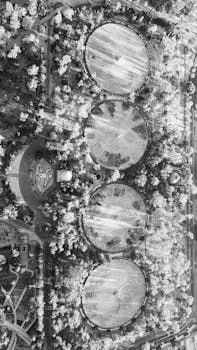
For municipal wastewater treatment plants in Madrid, the capital expenditure (CAPEX) per MLD significantly decreases with increasing capacity, ranging from €500K–700K/MLD for smaller 1–5 MLD facilities to €200K–300K/MLD for plants exceeding 50 MLD (Canal de Isabel II 2024 cost data). This economy of scale reflects the fact that larger plants can amortize fixed costs such as engineering, land, and certain equipment more efficiently across a greater volume of treated water. For industrial WWTPs, particularly those in sectors like food processing or pharmaceuticals that require advanced pretreatment for specific contaminants, CAPEX per MLD is notably higher. These specialized industrial facilities typically incur CAPEX of €700K–1M/MLD for 1–5 MLD capacities and €500K–800K/MLD for 5–50 MLD systems (Madrid Industrial Water Association 2025 report), due to the need for robust pretreatment, specialized filtration, and often higher-grade materials.
Similarly, operational expenses (OPEX) per cubic meter also demonstrate economies of scale, decreasing as plant capacity grows. Smaller 1–5 MLD plants typically face OPEX between €0.30–0.50/m³, while medium-sized 5–50 MLD facilities can achieve €0.20–0.35/m³, and large plants over 50 MLD benefit from OPEX as low as €0.15–0.25/m³ (SWAN Forum 2025 benchmarks). For small-scale projects ranging from 1–10 MLD, the adoption of modular or package plants, such as HydropureWater’s compact WSZ series package plants for small-scale WWTPs in Madrid, can significantly reduce CAPEX by 20–30% compared to custom-built solutions. These pre-engineered, prefabricated systems minimize on-site construction time and labor, offering a cost-effective and rapid deployment option for decentralized or industrial applications with limited footprints.
| Plant Capacity (MLD) | Type of WWTP | Estimated CAPEX (€/MLD) | Estimated OPEX (€/m³) | Notes for Madrid Buyers |
|---|---|---|---|---|
| 1–5 MLD | Municipal | €500K–700K | €0.30–0.50 | Higher per-unit costs; suitable for smaller communities or package plants. |
| Industrial (e.g., Food, Pharma) | €700K–1M | €0.35–0.60 | Higher due to specialized pretreatment and effluent quality demands. | |
| 5–50 MLD | Municipal | €300K–500K | €0.20–0.35 | Moderate economies of scale; common for mid-sized towns. |
| Industrial (e.g., Food, Pharma) | €500K–800K | €0.25–0.45 | Still higher than municipal due to complex waste streams. | |
| 50+ MLD | Municipal | €200K–300K | €0.15–0.25 | Significant economies of scale; large regional facilities. |
| Industrial (Large Complex) | €400K–700K | €0.20–0.40 | Large industrial parks or integrated facilities. |
Technology Comparison: MBR vs. DAF vs. Conventional Systems for Madrid WWTPs
Conventional activated sludge (CAS) systems represent the lowest capital expenditure (CAPEX) option for wastewater treatment in Madrid, typically costing €200K–400K per MLD, but require larger land footprints (0.5–1 m²/PE) and incur higher operational expenses (€0.25–0.40/m³) primarily due to sludge management (EPA 2024 benchmarks). While CAS systems are robust and well-understood, their reliance on large clarifiers and aerobic tanks often makes them unsuitable for sites with limited space, a common constraint in urbanized areas of Madrid. their effluent quality may require additional polishing steps to meet increasingly strict discharge limits or water reuse standards.
Dissolved Air Flotation (DAF) systems, such as HydropureWater’s DAF systems for industrial wastewater in Madrid, are particularly effective for industrial wastewater with high concentrations of fats, oils, grease (FOG), or total suspended solids (TSS). DAF systems typically have a CAPEX ranging from €300K–600K/MLD and OPEX between €0.30–0.50/m³. Their strength lies in achieving high TSS removal rates of 95–98% (HydropureWater 2025 product data), making them an ideal pretreatment step or standalone solution for industries like food processing, slaughterhouses, or pulp and paper. While DAF systems offer a smaller footprint than CAS, their operational costs can be influenced by chemical dosing requirements.
Membrane Bioreactor (MBR) systems, including HydropureWater’s DF series MBR modules for water reuse in Madrid, deliver near-reuse-quality effluent by combining biological treatment with advanced membrane filtration (<1 μm). This superior effluent quality makes MBR systems highly favored for applications demanding high-purity water, especially given Madrid’s 2025 water reuse targets, which aim for 30% of treated wastewater to be reused by 2030. However, MBR systems have the highest CAPEX, typically between €500K–900K/MLD, and higher OPEX (€0.40–0.60/m³) primarily due to the energy required for membrane operation and the periodic need for membrane replacement (every 5–8 years). Despite the higher costs, MBR systems offer a significantly smaller footprint (0.1–0.3 m²/PE), often 60% smaller than CAS, making them an attractive option for space-constrained industrial or municipal sites requiring advanced treatment and water reuse capabilities. For a deeper dive into industrial wastewater treatment technologies, refer to this engineering guide for industrial WWTPs in Europe.
| Technology | CAPEX (€/MLD) | OPEX (€/m³) | Footprint (m²/PE) | Key Advantages | Key Disadvantages | Ideal Application for Madrid |
|---|---|---|---|---|---|---|
| Conventional Activated Sludge (CAS) | €200K–400K | €0.25–0.40 | 0.5–1 | Low initial CAPEX, proven reliability, robust for variable loads. | Large footprint, moderate effluent quality, higher sludge volume. | Large municipal plants with ample land, less stringent reuse targets. |
| Dissolved Air Flotation (DAF) | €300K–600K | €0.30–0.50 | 0.2–0.5 | Excellent for FOG/TSS removal, compact, rapid solids separation. | Requires chemical dosing, mainly pretreatment, not full biological. | Industrial wastewater (food, dairy, textiles) with high FOG/TSS. |
| Membrane Bioreactor (MBR) | €500K–900K | €0.40–0.60 | 0.1–0.3 | Superior effluent quality (near reuse), small footprint, stable operation. | High CAPEX, energy intensive, membrane replacement costs. | Space-constrained sites, industrial/municipal water reuse, strict discharge limits. |
ROI and Payback Period: How to Justify Your Madrid WWTP Investment
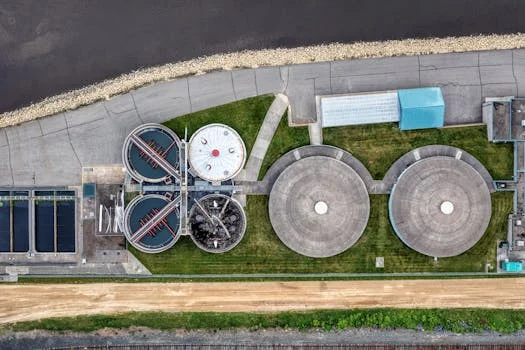
Return on Investment (ROI) for municipal wastewater treatment plants in Madrid typically ranges from 8–12 years, primarily driven by avoided non-compliance fines of €50K–200K/year under EU Directive 91/271/EEC and significant energy savings. Modern, energy-efficient WWTPs can achieve a 15% reduction in energy consumption, translating to annual savings of €50K–150K for a 10 MLD plant, directly improving the wastewater treatment OPEX Spain. For industrial WWTPs, the payback period can be even shorter, often falling within 5–8 years. This accelerated ROI is largely due to the substantial cost reductions achieved through water reuse, which can decrease freshwater intake costs by 30–50%, and the avoidance of escalating discharge fees, which can range from €0.50–1.50/m³ in Madrid for non-compliant or high-volume discharges.
A step-by-step ROI calculation can be performed using the formula: Payback Period (years) = (CAPEX + Total Annual OPEX) / (Annual Savings + Annual Revenue from Water Reuse). For example, a 5 MLD industrial WWTP with a CAPEX of €3.5M and annual OPEX of €600K could achieve annual savings of €200K from reduced freshwater intake and €100K from avoided discharge fees. Its payback period would be (€3,500,000 + €600,000) / (€200,000 + €100,000) = €4,100,000 / €300,000 = 13.67 years. However, if this plant also qualifies for a 40% NextGenEU grant (reducing CAPEX by €1.4M), the payback period drops to (€2,100,000 + €600,000) / €300,000 = 9 years. Madrid-specific incentives further enhance ROI, including grants up to 40% of CAPEX from NextGenEU funds, tax credits of 10–15% for energy-efficient systems, and low-interest loans (1.5–2.5%) from the Instituto de Crédito Oficial (ICO). These financial mechanisms are crucial for making advanced WWTP investments economically viable.
| Incentive Type | Description | Impact on ROI/Payback | Source/Eligibility for Madrid WWTPs |
|---|---|---|---|
| NextGenEU Grants | Up to 40% of CAPEX for projects aligning with green transition. | Directly reduces initial investment, significantly shortening payback. | EU Recovery and Resilience Facility, managed by Spanish government. |
| Tax Credits | 10–15% of investment for energy-efficient or innovative systems. | Reduces tax liability, improving net project profitability. | Spanish national and regional tax incentives for environmental investments. |
| ICO Loans | Low-interest loans (1.5–2.5%) for sustainable infrastructure. | Reduces financing costs, making large CAPEX projects more affordable. | Instituto de Crédito Oficial (ICO), Spanish public financial entity. |
| Avoided Fines | €50K–200K/year for non-compliance with EU Directive 91/271/EEC. | Direct annual savings, especially for upgrading non-compliant plants. | EU and national environmental enforcement agencies. |
| Water Reuse Revenue/Savings | 30–50% reduction in freshwater intake, potential for selling treated water. | Creates new revenue streams or significant operational savings. | Spain’s 2023 Water Reuse Regulation, local water utilities. |
Decision Framework: How to Choose the Right WWTP for Your Madrid Project
Selecting the optimal wastewater treatment plant for a Madrid project begins with a precise definition of influent characteristics, including BOD, COD, TSS, FOG, and pH, alongside strict adherence to EU Directive 91/271/EEC and Madrid regional discharge limits. This initial assessment establishes the baseline for treatment requirements, guiding technology selection. Step 2 involves assessing site constraints, such as available footprint, soil conditions, noise restrictions, and energy availability (grid connection vs. potential for on-site renewables). A compact solution like HydropureWater’s WSZ underground integrated sewage treatment plant can be ideal for sites with limited space.
Step 3 requires comparing technology options, including Conventional Activated Sludge (CAS), Dissolved Air Flotation (DAF), and Membrane Bioreactor (MBR) systems, using the comparison table provided earlier. A simplified decision tree can guide this: 'If TSS > 500 mg/L and high FOG → consider DAF for industrial wastewater; if water reuse is a primary requirement and space is limited → MBR is highly suitable.' Step 4 focuses on requesting comprehensive quotes from 3–5 reputable vendors. When evaluating proposals, a checklist should include energy efficiency guarantees, membrane warranties (for MBR systems), local service support, and lifecycle cost projections. Comparing healthcare wastewater treatment technologies or DAF systems in other regions can provide valuable context for performance and cost benchmarks, as detailed in this DAF system cost and performance benchmarks for industrial buyers. Finally, Step 5 involves securing all necessary permits from authorities like the Madrid Regional Government and Canal de Isabel II, which typically takes 6–12 months. Common pitfalls include underestimating sludge disposal costs and failing to account for future regulatory tightening, emphasizing the need for flexible and scalable designs.
Frequently Asked Questions
How much does a wastewater treatment project cost?
The total cost of a wastewater treatment project in Madrid varies significantly based on capacity, technology, and effluent quality requirements. For a 10 MLD municipal plant, CAPEX can range from €3–5M, while a similar capacity industrial plant with advanced treatment might cost €5–8M. OPEX typically falls between €0.20–€0.60/m³. These figures encompass civil works, equipment, engineering, permitting, and recurring expenses like energy, chemicals, and labor, with economies of scale reducing per-unit costs for larger facilities.
How much does it cost to install a water treatment plant?
Installation costs, a component of CAPEX, largely depend on the plant's size, complexity, and chosen technology. For a 1 MLD package plant, installation might be relatively quick and cost-effective due to pre-fabrication. However, for a 50 MLD custom-built facility, civil works and equipment installation can account for 70-90% of the CAPEX, potentially totaling tens of millions of euros. Site-specific factors, such as soil conditions and accessibility, also influence these costs.
Do waste water treatment plants make money?
While municipal wastewater treatment plants are typically public utilities, industrial WWTPs can generate significant financial returns. This is achieved through substantial savings on freshwater intake by implementing water reuse systems (reducing costs by 30-50%), avoiding escalating discharge fees (€0.50–1.50/m³ in Madrid), and potentially selling treated effluent for non-potable uses. Additionally, energy efficiency improvements and compliance with environmental directives prevent costly fines, contributing to a positive ROI and payback periods often within 5-8 years for industrial facilities.
How much is 1 mld of water?
One MLD (Million Liters per Day) refers to the volume of water treated daily. As a cost metric, 1 MLD is a benchmark for capacity. For example, a 1 MLD municipal plant might have a CAPEX of €500K–700K per MLD, and OPEX of €0.30–0.50 per cubic meter. This means treating 1,000 cubic meters of water daily. The cost of 1 MLD is not a fixed price for the water itself, but rather the investment and operational expense associated with treating that volume of wastewater.