Why Myanmar’s Sewage Treatment Market Demands Zero-Risk Equipment Selection
Myanmar’s industrial buyers face a critical choice: selecting sewage treatment equipment that meets Yangon City Development Council’s effluent standards (BOD <30 mg/L, TSS <50 mg/L) while balancing CAPEX ($50K–$5M) and footprint constraints. A textile factory in the Hlaing Tharyar Industrial Zone recently faced daily fines of MMK 500,000 after its legacy system failed to maintain a BOD level below 30 mg/L, demonstrating the severe financial consequences of equipment misalignment (HydropureWater field data, 2024). Beyond fines, the Yangon City Development Council (YCDC) has increased enforcement of pre-approval requirements for Johkasou systems and other prefabricated units, making regulatory knowledge as vital as technical specifications.
The regulatory landscape in Myanmar is shifting toward stricter oversight, particularly for the textile, food processing, and hospital sectors. For instance, hospitals now face specific pathogen limits that require advanced disinfection stages, while food processing plants must manage high Fats, Oils, and Grease (FOG) levels to avoid clogging municipal lines. Miscalculating these requirements during the procurement phase is a high-stakes error; a misaligned system can add 30–50% to total project costs due to emergency redesigns or the need for secondary retrofits (per Amd Myanmar’s 200+ local project audits). To mitigate these risks, facility owners must move away from generic "one-size-fits-all" solutions and adopt a decision framework that matches system type—whether MBR, DAF, or conventional—to specific compliance needs and site constraints like flood vulnerability.
This guide provides a structured framework for navigating the Myanmar market. By comparing technical specs, installation timelines, and CAPEX benchmarks for Southeast Asia’s emerging markets, buyers can identify equipment that ensures long-term compliance. Whether you are managing a space-constrained hotel in Yangon or a high-volume food plant in Mandalay, the following data-driven analysis will help you avoid costly fines and project delays.
Myanmar’s Effluent Standards: What Your Sewage Treatment System Must Achieve
The Yangon City Development Council (YCDC) mandates that industrial effluent meet a Biological Oxygen Demand (BOD) limit of <30 mg/L and Total Suspended Solids (TSS) of <50 mg/L for most urban discharge. These standards are notably stricter than those in neighboring Thailand (where BOD limits often hover around <50 mg/L) but align closely with Vietnam’s industrial discharge regulations. For procurement managers, this means equipment designed for less regulated markets will likely fail quarterly YCDC audits, triggering mandatory system upgrades or operational suspensions.
Enforcement is particularly rigorous in industrial zones where discharge impacts local water bodies. Textile factories are held to a Chemical Oxygen Demand (COD) limit of <250 mg/L, while food processing facilities must ensure pH levels remain between 6.0 and 9.0 to prevent corrosion of public infrastructure. Hospitals and healthcare facilities face additional scrutiny regarding pathogens, requiring integrated chlorine dioxide disinfection for Myanmar’s hospital and food processing effluent to meet safety protocols. Quarterly audits by YCDC officials involve on-site sampling; non-compliance not only results in fines but also creates a public record of environmental violations that can jeopardize international export contracts.
| Parameter | YCDC Standard (General) | Textile Sector Limit | Food Processing Limit |
|---|---|---|---|
| BOD (Biological Oxygen Demand) | < 30 mg/L | < 40 mg/L | < 30 mg/L |
| TSS (Total Suspended Solids) | < 50 mg/L | < 50 mg/L | < 50 mg/L |
| COD (Chemical Oxygen Demand) | < 150 mg/L | < 250 mg/L | < 200 mg/L |
| pH Value | 6.0 – 9.0 | 6.0 – 9.0 | 6.0 – 9.0 |
| Oil & Grease (FOG) | < 10 mg/L | < 10 mg/L | < 30 mg/L (Pre-treatment) |
Sewage Treatment System Types Compared: MBR vs. DAF vs. Conventional for Myanmar’s Market
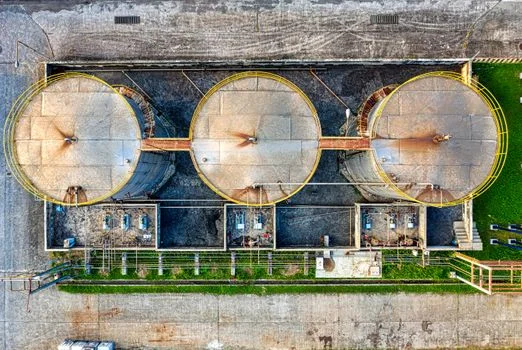
Membrane Bioreactor (MBR) systems currently command a CAPEX of $150–$250 per cubic meter in the Myanmar market, but they offer a 60% reduction in footprint compared to conventional activated sludge plants. This makes MBR systems for Myanmar’s space-constrained industrial sites particularly attractive for hotels in downtown Yangon or factories in crowded industrial zones. By combining submerged PVDF membranes with activated sludge, MBRs produce high-quality effluent (BOD <10 mg/L) that is suitable for non-potable reuse, such as landscape irrigation or cooling tower make-up water.
Dissolved Air Flotation (DAF) systems serve as the primary solution for industries dealing with high suspended solids and fats, such as food processing and textile manufacturing. With a CAPEX ranging from $80 to $150 per cubic meter, DAF systems for Myanmar’s food processing and textile plants utilize micro-bubbles and flocculation to achieve TSS removal rates of 92–97%. While DAF is highly effective for pre-treatment, it is often paired with a secondary biological stage to meet YCDC’s final discharge limits. In contrast, Conventional Activated Sludge (CAS) systems remain the baseline for large-scale projects exceeding 500 m³/day, offering the lowest CAPEX ($50–$120/m³) but requiring the largest physical footprint and longer construction times for reinforced concrete tanks.
| System Type | Typical Effluent Quality | CAPEX (per m³) | Footprint Requirement | Best Use Case in Myanmar |
|---|---|---|---|---|
| MBR | BOD <10, TSS <5 | $150 – $250 | Minimal (Integrated) | Hotels, Hospitals, Urban Sites |
| DAF | TSS Removal 95% | $80 – $150 | Moderate | Food Processing, Textile (Pre-treat) |
| Conventional | BOD <30, TSS <50 | $50 – $120 | High | Large Industrial Estates (>500m³) |
| MBBR (Hybrid) | BOD <20, TSS <30 | $100 – $180 | Moderate | Mid-sized Factories (100-500m³) |
CAPEX and OPEX Breakdown: How Much Does Sewage Treatment Equipment Cost in Myanmar?
Capital expenditure for reinforced concrete (RC) wastewater plants in Myanmar typically ranges from $120 to $300 per cubic meter, depending on soil conditions and the need for piling in flood-prone areas. For many buyers, prefabricated Fiber Reinforced Plastic (FRP) tanks offer a more predictable cost model, ranging from $80 to $200 per cubic meter. Data from local installations shows that Kubota Johkasou systems can save up to 80% on installation time compared to traditional RC builds, which translates to a labor cost saving of MMK 5 million to 10 million for a standard 200 m³/day plant (per WM Water's Myanmar project data).
Operational expenditure (OPEX) is dominated by energy consumption and chemical requirements. MBR systems, while efficient in space, have higher energy demands (0.8–1.2 kWh/m³) compared to DAF (0.3–0.5 kWh/m³) or conventional systems. buyers must factor in the cost of membrane replacement every 5 to 7 years for MBRs, which is a significant long-term budget item. When comparing regional markets, how Penang’s industrial wastewater regulations compare to Myanmar’s reveals that while Myanmar’s electricity costs are lower, the lack of local membrane manufacturing increases import duties and logistics costs for replacement parts.
| Cost Component | MBR System | DAF System | Conventional (RC) |
|---|---|---|---|
| CAPEX ($/m³) | $150 – $250 | $80 – $150 | $120 – $300 (Total build) |
| Energy (kWh/m³) | 0.8 – 1.2 | 0.3 – 0.5 | 0.4 – 0.7 |
| Chemicals | Low (Cleaning only) | High (Coagulants) | Moderate |
| Maintenance | Membrane replacement | Mechanical parts | Sludge management |
Myanmar Compliance Checklist: 7 Steps to Avoid Fines and Project Delays
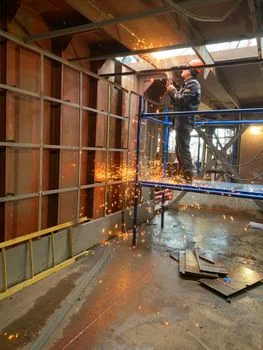
Achieving 100% compliance in Myanmar requires a 7-step validation process that begins long before the equipment arrives on site. The first and most critical step is verifying the specific effluent limits for your industrial sector; for example, a hospital must meet different pathogen standards than a beverage plant. Secondly, buyers must confirm pre-approval requirements with the YCDC, as certain "package" systems like Johkasou require specific sign-offs before installation can legally commence. This prevents the "buy first, ask later" mistake that often leads to months of project downtime.
Site assessment is the third pillar of the checklist. In flood-prone regions like Yangon’s industrial zones, FRP tanks must be properly anchored or elevated to prevent "floating" during the monsoon season—a common failure point in local projects. Following this, the selection of system type must be balanced against the engineering specs and cost models seen in India's wastewater market, which often shares similar climate and scale challenges. Finally, planning for operator training and post-installation quarterly audits ensures the system continues to perform at its design capacity, avoiding the performance decay that triggers YCDC fines.
| Step | Action Item | Critical Requirement |
|---|---|---|
| 1 | Sector Verification | Check COD/Pathogen limits for your specific industry |
| 2 | YCDC Pre-approval | Submit system design for Johkasou or package units |
| 3 | Site Flood Assessment | Specify anchoring for FRP or choose RC for high-risk zones |
| 4 | Tech Selection | Choose MBR for reuse or DAF for high FOG/TSS loads |
| 5 | Budgeting | Include 5-year OPEX and membrane replacement costs |
| 6 | Operator Training | Ensure staff can perform membrane cleaning/DAF dosing |
| 7 | Audit Schedule | Establish quarterly internal testing before YCDC visits |
How to Select a Sewage Treatment Equipment Supplier in Myanmar: A Zero-Risk Framework
The most reliable sewage treatment equipment suppliers in Myanmar demonstrate a portfolio of at least 50 successfully commissioned local projects. Given the complexities of the local power grid and seasonal flooding, a supplier’s ability to provide site-specific customization is more valuable than a low initial quote. Procurement managers should prioritize suppliers who offer a "Zero-Risk" framework, which includes local compliance expertise and a documented history of navigating the YCDC approval process. Suppliers who cannot provide local references or who offer vague guarantees on effluent quality should be considered high-risk.
After-sales support is a non-negotiable criterion in the Myanmar market. Because many advanced systems like MBR require specialized spare parts and membrane cleaning chemicals, ensure your supplier maintains a local inventory of consumables. A 24/7 technical support agreement is essential to minimize downtime, as even 48 hours of system failure can lead to non-compliant discharge and heavy fines. Finally, demand cost transparency; a professional supplier will provide a detailed breakdown of CAPEX, OPEX, and potential hidden costs such as permitting fees and site preparation, preventing budget overruns during the installation phase.
- Local Compliance Expertise: Supplier must prove knowledge of YCDC limits and sector-specific discharge permits.
- Proven Portfolio: Seek evidence of 50+ local installations (e.g., projects similar to Amd Myanmar’s 200+ sites).
- Technical Support: Verify the availability of local technicians and spare parts for MBR membranes or DAF pumps.
- Site Customization: Supplier should conduct a site visit to assess flood risks and power stability before quoting.
- Red Flags: Avoid suppliers with no local presence, those refusing to provide effluent quality guarantees, or those with unusually short lead times that bypass regulatory steps.
Frequently Asked Questions
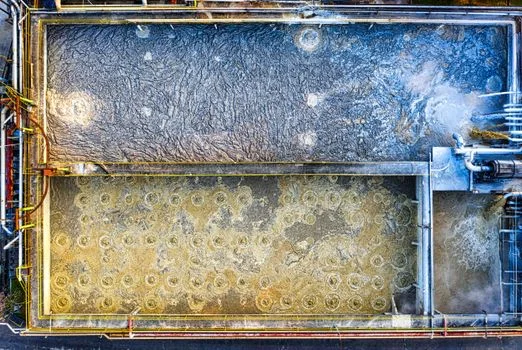
Q: Can I install an FRP tank in a flood-prone area like Yangon’s industrial zones?
A: Yes, FRP tanks are lightweight and corrosion-resistant, making them popular in Myanmar. However, in flood-prone areas, they require concrete anchoring or elevation to prevent buoyancy issues. For sites with extreme flood risk, reinforced concrete tanks are often the safer, albeit more expensive, choice (per Amd Myanmar’s field experience).Q: What’s the lead time for a 100 m³/day MBR system in Myanmar?
A: The total timeline is typically 4–6 months. This includes 2–4 months for YCDC design approval and 2 months for equipment delivery and installation. DAF systems generally have a shorter lead time of 3–4 months because they involve fewer biological stabilization periods.Q: Do I need a separate disinfection system for my sewage treatment plant?
A: Yes. To meet Myanmar’s pathogen limits, especially for hospitals and food processing, a post-treatment disinfection stage is required. Integrated chlorine dioxide disinfection for Myanmar’s hospital and food processing effluent is a standard industry solution to ensure compliance with BOD <30 mg/L and TSS <50 mg/L safety standards.Q: How often do I need to replace MBR membranes in Myanmar’s climate?
A: With proper maintenance and pre-treatment, MBR membranes last 5–7 years. However, if the influent contains high levels of untreated FOG or TSS, the lifespan can drop to 3 years. Regular chemical cleaning (CIP) is essential to maintain membrane flux.Q: Can I reuse treated sewage for irrigation in Myanmar?
A: Yes, but only if the effluent meets reuse standards, which are stricter than discharge limits (typically BOD <10 mg/L and TSS <5 mg/L). MBR systems for Myanmar’s space-constrained industrial sites are the preferred technology for reuse applications due to their superior filtration capabilities.