In 2025, Abidjan’s industrial and municipal buyers face strict effluent limits (COD < 50 mg/L, BOD < 30 mg/L) under Côte d’Ivoire’s updated water regulations. Top suppliers like IRIM and GreenFlow offer DAF, MBR, and WSZ systems with CAPEX ranging from €50K for small package plants to €5M+ for zero-liquid-discharge (ZLD) industrial solutions. Local challenges—such as Port of Abidjan delays (average 30-day clearance) and 220V/50Hz grid requirements—demand equipment tailored to West African logistics and compliance. This guide provides a zero-risk selection framework, including cost benchmarks, supplier comparisons, and a step-by-step decision tree for matching technology to your project’s needs.
Côte d’Ivoire’s 2025 Wastewater Regulations: What Abidjan Buyers Must Know
Côte d’Ivoire’s Ministère de l’Environnement et du Développement Durable has established 2025 discharge limits for industrial effluent requiring Chemical Oxygen Demand (COD) levels below 50 mg/L and Biological Oxygen Demand (BOD) under 30 mg/L. These standards represent a significant tightening of previous environmental codes, aimed at protecting the Ébrié Lagoon and the Gulf of Guinea from industrial runoff. For municipal projects, plants must now align with the EU Urban Waste Water Directive 91/271/EEC, which mandates secondary treatment for all agglomerations with a population equivalent greater than 2,000.
The financial risks of non-compliance are substantial, with administrative fines reaching up to 10 million FCFA (€15,000) per violation and the potential for immediate plant shutdowns. A 2023 case study of a cocoa processing facility in San-Pédro demonstrated these risks when it was shuttered for three weeks following the discharge of high-lipid effluent into local waterways, resulting in millions in lost revenue. Abidjan’s tropical climate, characterized by an average temperature of 28°C and 80% humidity, creates unique operational challenges. High ambient temperatures accelerate biological activity, which often leads to rapid bio-fouling in membrane systems. Engineering data suggests that MBR systems for Côte d’Ivoire’s strict COD limits require approximately 20% more membrane aeration than temperate-climate counterparts to prevent transmembrane pressure (TMP) spikes.
| Parameter | Industrial Limit (2025) | Municipal Limit (EU 91/271) | Typical Raw Sewage (Abidjan) |
|---|---|---|---|
| COD (mg/L) | < 50 | < 125 | 400 – 800 |
| BOD5 (mg/L) | < 30 | < 25 | 200 – 400 |
| TSS (mg/L) | < 30 | < 35 | 250 – 500 |
| Total Nitrogen (mg/L) | < 15 | < 15 | 30 – 60 |
Sewage Treatment Equipment Types for Abidjan: DAF vs MBR vs WSZ Systems
Dissolved Air Flotation (DAF) systems achieve 92-97% Total Suspended Solids (TSS) removal and are the primary choice for Abidjan’s food processing, textile, and petrochemical sectors. These systems operate by injecting micro-bubbles into the wastewater, causing fats, oils, and grease (FOG) to float for mechanical skimming. A high-efficiency DAF system for Abidjan’s food processing plants is particularly effective at handling the high organic loads found in palm oil and cocoa processing, where hydraulic retention times (HRT) typically range from 30 to 60 minutes.
Membrane Bioreactor (MBR) systems provide superior effluent quality, often reaching COD levels ≤30 mg/L, making them suitable for water reuse in industrial cooling or irrigation. While MBRs offer a footprint 60% smaller than conventional activated sludge plants, they carry approximately 30% higher operational expenses (OPEX). This is largely due to the periodic replacement of PVDF membranes, which costs between €50 and €100 per square meter annually. In the context of Abidjan’s infrastructure, MBR systems face a critical dependency on power stability. With the city averaging 2.5 power outages per month, MBR installations require dedicated backup generators (typically 100-250 kVA) to maintain membrane scouring and prevent irreversible fouling during downtime, adding €20,000–€50,000 to the initial CAPEX.
For decentralized applications, the WSZ series for Abidjan’s residential communities and hospitals offers a fully automated, underground solution. These package plants handle flows from 1 to 80 m³/h and require minimal operator intervention. By installing the system below grade, developers can utilize the surface area for landscaping or parking, which is a vital consideration in Abidjan’s high-density urban zones like Cocody or Plateau.
| System Type | Ideal Use Case | Energy Use (kWh/m³) | Footprint | Maintenance Level |
|---|---|---|---|---|
| DAF | Mining, Food Processing | 0.2 – 0.5 | Medium | Moderate |
| MBR (Integrated) | Textiles, Water Reuse | 0.8 – 1.2 | Very Small | High (Technical) |
| WSZ (Underground) | Hospitals, Housing | 0.4 – 0.6 | Small (Sub-grade) | Low (Automated) |
2025 CAPEX and OPEX Benchmarks for Abidjan Sewage Treatment Plants
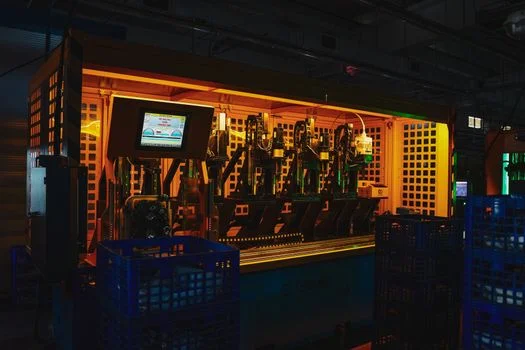
Capital expenditure (CAPEX) for sewage treatment plants in Abidjan is heavily influenced by international logistics and the complexity of the required treatment level. Small-scale municipal WSZ series plants generally range from €50,000 to €200,000, while industrial-grade MBR systems for high-strength wastewater can require investments of €500,000 to €2 million. For heavy industrial players requiring Zero Liquid Discharge (ZLD) to avoid all environmental discharge fees, CAPEX can exceed €5 million. To understand how CAPEX benchmarks compare in other emerging markets, buyers should note that Abidjan’s costs are often 15-20% higher due to West African freight and port logistics.
Operational expenditure (OPEX) is driven by energy consumption and specialized labor. While Côte d’Ivoire offers relatively competitive labor rates for certified wastewater operators—ranging from €15 to €25 per hour—the technical nature of MBR and DAF systems often requires at least one full-time equivalent (FTE) for WSZ plants and up to three FTEs for complex industrial MBR sites. Logistical bottlenecks at the Port of Abidjan significantly impact project timelines and costs; the average clearance time for heavy machinery is 30 days. Buyers often incur between €5,000 and €15,000 in demurrage fees for oversized equipment like DAF skids if documentation is not perfectly aligned. To mitigate the impact of the erratic power grid, many facilities are now integrating solar-powered solutions for Abidjan’s frequent power outages, which can reduce long-term energy OPEX by 30-50% despite the higher upfront cost for voltage converters and battery storage.
| Cost Component | Estimated Range (Abidjan) | Key Variables |
|---|---|---|
| Equipment CAPEX | €50,000 – €2,000,000+ | Flow rate, effluent quality targets |
| Port Clearance & Logistics | €8,000 – €25,000 | Demurrage, import duties (UEMOA) |
| Annual OPEX (Energy/Chemicals) | €0.40 – €1.50 per m³ | Grid vs. Generator, chemical dosing |
| Replacement Parts (Annual) | 2% – 5% of CAPEX | Membrane life, pump seals, diffusers |
Top 5 Sewage Treatment Equipment Suppliers in Abidjan: Capabilities and Risks
Abidjan has several key suppliers for sewage treatment equipment.IRIM (Ivoirienne de Représentation, d'Importation et de Maintenance) functions as a prominent local supplier specializing in agro-industrial projects. They offer CPT/CFR Abidjan delivery through their SORIM sourcing arm, providing a significant advantage in managing local customs. However, their primary risk lies in limited in-house engineering for highly complex MBR systems, often requiring third-party consultants for biological process design. GreenFlow Industries is a major importer of Asian and European equipment, particularly strong in the mining sector with specialized filter press solutions. The primary risk for GreenFlow buyers is the potential for 45-day lead times on specialized spare parts, as they operate on a lean local inventory model.
EcoTreat Solutions maintains a strong local engineering presence in Abidjan, focusing on tailored effluent treatment for the cocoa and sugar sectors. While their local expertise is high, they may struggle with high-flow DAF systems exceeding 100 m³/h due to manufacturing capacity constraints. HydropureWater is a global manufacturer with a portfolio of over 500 industrial projects, offering standardized DAF, MBR, and WSZ systems. While they provide high-spec engineering, the lack of a physical office in Abidjan requires buyers to coordinate via remote project managers, which can be a hurdle for fast-track municipal projects. Finally, ESE Africa leverages German partnerships for municipal-scale infrastructure. While their systems are built to the highest EU standards, they typically carry a 20-30% CAPEX premium compared to other suppliers in the market.
| Supplier | Core Strength | Primary Risk |
|---|---|---|
| IRIM | Local maintenance & sourcing | Complex MBR engineering gaps |
| GreenFlow | Mining & Filter Press expertise | Long lead times for spares |
| EcoTreat | Agro-industrial tailoring | Limited high-flow inventory |
| HydropureWater | Global industrial scale & R&D | Remote project coordination |
| ESE Africa | EU-standard municipal plants | Higher CAPEX premium |
Zero-Risk Selection Framework: 7 Steps to Choose the Right Supplier
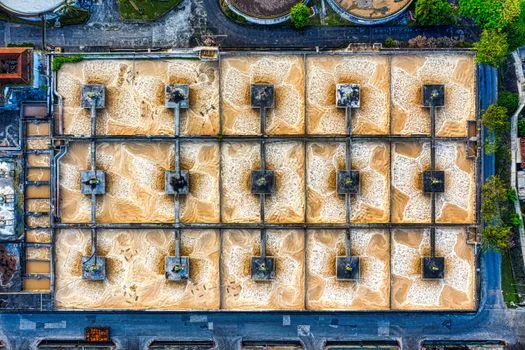
To avoid the common pitfalls of equipment procurement in West Africa, buyers should follow a structured decision tree that prioritizes compliance and operational continuity.
- Step 1: Define Effluent Targets. Consult Côte d’Ivoire