Hospital wastewater treatment in San Jose requires on-site systems that remove pharmaceuticals, pathogens, and chemical residues before discharge. The Medical Wastewater Treatment System achieves 99%+ microbial kill via ozone disinfection and complies with EPA and EU Urban Waste Water Directive 91/271/EEC, handling flows from 1–10 m³/day in a footprint as small as 0.5 m².
Why Hospital Wastewater Is Different from Municipal Sewage
Hospital wastewater contains a complex mix of pollutants, including antibiotics, contrast agents, disinfectants, and elevated pathogen loads, which standard municipal treatment plants are not designed to fully remove. Unlike typical residential or commercial sewage, medical effluent presents unique challenges due to its variable composition and the presence of micropollutants. For example, pharmaceutical residues like carbamazepine and ibuprofen have been detected in San Jose Creek tributaries, as reported in the 2022 Santa Clara County Wastewater Master Plan, indicating that conventional municipal treatment often falls short in addressing these contaminants. These substances can pass through municipal facilities largely unaltered, posing environmental risks and potentially impacting water reuse efforts.
The Centers for Disease Control (CDC) and the U.S. Environmental Protection Agency (EPA) recommend on-site wastewater treatment for healthcare facilities generating more than 1,000 liters per day of medical wastewater. Effective hospital wastewater treatment targets the removal of pharmaceutical active compounds (PhACs), endocrine-disrupting chemicals (EDCs), and antibiotic-resistant bacteria. Without dedicated medical wastewater pretreatment, healthcare facilities in San Jose risk contributing to environmental contamination and failing to meet evolving discharge standards.
San Jose Regulations for Medical Facility Discharge
The City of San Jose enforces stringent pretreatment standards under Municipal Code Chapter 14.08, limiting the discharge of toxic organics, heavy metals, and biohazards from non-domestic sources into the municipal sewer system. Healthcare facilities must implement on-site wastewater treatment systems to ensure their effluent meets specified quality parameters before release. Non-compliance can result in significant fines, cease and desist orders, or termination of sewer services.
Facilities must pre-treat effluent to achieve specific thresholds: biochemical oxygen demand (BOD) ≤5 mg/L, total suspended solids (TSS) ≤10 mg/L, and pH within a neutral range (6.0–9.0). California Water Code Section 13267 requires the disinfection of medical wastewater containing infectious agents, emphasizing the need for robust pathogen removal. Implementing an effective on-site wastewater system is essential for mitigating regulatory risks and ensuring environmental stewardship.
Key Treatment Technologies for Hospital Effluent
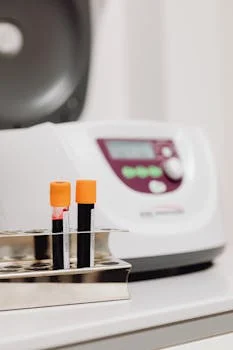
Multi-stage filtration systems are fundamental for hospital wastewater pretreatment, removing particulates, colloids, and biofilms, and reducing the organic and suspended solid load on downstream disinfection processes. These systems involve screens, grit chambers, and media filters (e.g., sand, activated carbon) to achieve progressive purification.
Ozone disinfection achieves a 99%+ pathogen kill rate without forming harmful chlorinated byproducts. Ozone effectively oxidizes many pharmaceutical compounds and their metabolites, reducing environmental impact. Ozone generators produce ozone on-site, eliminating the need for chemical storage and handling.
Membrane bioreactor (MBR) systems deliver exceptional effluent quality, achieving <1 μm filtration, which removes virtually all suspended solids, bacteria, and many viruses. MBR technology integrates biological treatment with membrane separation, offering a 60% smaller footprint compared to conventional activated sludge plants. This compact design is ideal for urban hospitals with limited space.
| Technology | Primary Function | Effluent Quality | Footprint Efficiency | Key Advantages for Hospitals |
|---|---|---|---|---|
| Multi-stage Filtration | Particulate & Biofilm Removal | Reduced TSS, BOD | Moderate | Pre-treatment, protects downstream systems |
| Ozone Disinfection | Pathogen Inactivation, Oxidation | 99%+ microbial kill, reduced PhACs | Compact | No chemical storage, no DBPs, effective hospital effluent disinfection |
| MBR Systems | Biological Treatment & Filtration | <1 μm effluent, high pathogen removal | Very Compact (60% less) | High-quality effluent, potential for reuse, superior pharmaceutical removal |
Comparing On-Site Treatment Systems for San Jose Hospitals
These diverse treatment technologies can be applied in various configurations to meet the specific needs of San Jose hospitals. Selecting the optimal system depends on factors like daily flow rate, available footprint, and effluent quality targets.
The Medical Wastewater Treatment System is a compact, fully automated system for smaller hospitals and clinics with flow rates from 1–10 m³/day. It achieves high pathogen kill rates using ozone-based disinfection without chemical dosing.
The WSZ Series Underground Integrated Sewage Treatment System supports flow rates from 1–80 m³/h and integrates anaerobic/aerobic biological treatment, sedimentation, and disinfection. Its subterranean design minimizes visual impact and noise.
The Dissolved Air Flotation (DAF) machine effectively removes fats, oils, grease (FOG), and suspended solids from laboratory, surgical center, and hospital kitchen wastewater. DAF systems achieve 92–97% removal efficiency for FOG and suspended solids.
| System Series | Primary Technology | Capacity Range | Footprint (approx.) | Key Features & Application |
|---|---|---|---|---|
| Compact medical wastewater system | Ozone Disinfection | 1–10 m³/day | 0.5–3 m² | Compact, fully automated, zero chemical dosing. Ideal for clinics & small hospitals. |
| WSZ Series | A/O Biological, Sedimentation, Disinfection | 1–80 m³/h | Underground installation | Integrated, high capacity, suitable for large hospitals, minimal surface impact. |
| DAF line | Dissolved Air Flotation (DAF) | Flow-dependent | Modular | Removes 92–97% FOG & suspended solids. Excellent for labs, surgical centers, kitchens. |
Installation and Compliance Verification in Santa Clara County
Achieving compliant operation for an on-site hospital wastewater treatment system requires a structured process of permitting, performance testing, and ongoing reporting. Detailed engineering plans must be submitted to the San José Public Works Department for pre-approval, demonstrating compliance with Municipal Code Chapter 14.08 and other relevant state codes.
Following installation, a mandatory 30-day performance testing period verifies compliance with discharge limits for key parameters like Biochemical Oxygen Demand (BOD), Total Suspended Solids (TSS), and microbial indicators. Ongoing compliance verification includes annual reporting under the Regional Water Quality Control Board Order WQ 2021-001-DWQ.
Frequently Asked Questions
Healthcare facilities in San Jose frequently inquire about on-site wastewater treatment solutions.
Do hospitals treat wastewater on-site? Yes, especially in San Jose where pretreatment is mandatory for medical facilities discharging specific contaminants to the municipal sewer.
What is the best disinfection method for hospital effluent? Ozone disinfection is preferred for hospital effluent, offering a high microbial kill rate without producing harmful chlorinated byproducts.
Can small clinics use compact systems? Yes, compact units are designed for small clinics, fitting in spaces under 1 m² and requiring no dedicated operator.
How much does a hospital wastewater system cost in San Jose? Compact units start at $18,000, while larger MBR systems or underground solutions range from $85,000 to $250,000 installed.
Is MBR better than conventional treatment for hospitals? Yes, MBR systems achieve higher effluent quality, a smaller footprint, and superior pathogen removal efficiency, making them ideal for hospitals seeking advanced treatment and potential water reuse.