Fez Wastewater Treatment Plant Cost 2026: CAPEX, OPEX & Tech-Specific Breakdown for Industrial & Municipal Buyers
In Fez, a municipal wastewater treatment plant (WWTP) with tertiary treatment and water reuse costs MAD 200–500 million (USD 20–50 million) for a 50,000 m³/day capacity, based on Waterleau’s LUCAS® technology deployed in the city. CAPEX includes civil works (40%), equipment (35%), and engineering (25%), while OPEX averages MAD 0.80–1.20/m³, driven by energy (30%), labor (25%), and sludge disposal (20%). Industrial plants in Fez (e.g., textile or food processing) see CAPEX ranges of MAD 50–200 million for 5,000–20,000 m³/day, with OPEX heavily influenced by influent strength (COD 1,200–3,000 mg/L) and local compliance requirements (e.g., Moroccan Law 10-95).
Why Fez’s Wastewater Treatment Costs Are Unique: Climate, Regulations, and Influent Quality
Fez’s specific environmental and regulatory conditions significantly influence the capital and operational expenditures of wastewater treatment plants. The city's arid climate, with an average annual rainfall of only 300 mm, creates a high demand for water reuse, directly impacting treatment plant design and cost. This increased water scarcity justifies the inclusion of tertiary treatment processes, which typically add 20–30% to the initial CAPEX, but can lead to long-term water cost reductions of MAD 0.30–0.50/m³ by reducing reliance on potable water sources, as demonstrated by the Waterleau Fez case study.
Moroccan Law 10-95 is a critical regulatory driver, mandating tertiary treatment for any wastewater discharged into sensitive areas, such as the Sebou River basin near Fez. While this regulation adds to compliance costs, it concurrently enables beneficial reuse applications like irrigation, with Fez’s municipal plant supplying treated wastewater for 12,000 hectares of farmland. This regulatory push for high-quality effluent transforms a compliance burden into an economic opportunity. industrial influent in Fez, particularly from textile and food processing sectors, frequently exhibits high organic loads, averaging a Chemical Oxygen Demand (COD) of 1,200–3,000 mg/L. Such high-strength wastewater necessitates robust pre-treatment solutions like dissolved air flotation (DAF) or fine screening to prevent biological system overload, adding an estimated 15–25% to the CAPEX for industrial facilities. The local climate also facilitates cost-saving innovations; solar sludge drying, a method effectively utilized in Fez’s plant, reduces sludge disposal costs by approximately 40% compared to conventional mechanical dewatering, though it requires a considerable land footprint of 2,000+ m², which is generally feasible in Fez’s peri-urban areas.
Fez Wastewater Treatment Plant Cost Breakdown: CAPEX by Capacity and Treatment Level
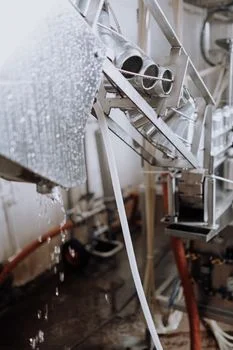
Municipal wastewater treatment plant (WWTP) CAPEX in Fez, based on 2026 projections and historical data, typically ranges from MAD 50 million for a 5,000 m³/day secondary treatment facility to MAD 500 million for a 50,000 m³/day plant incorporating tertiary treatment and water reuse. The Waterleau plant in Fez, designed for an ultimate capacity of 110,000 m³/day, had an initial cost of approximately MAD 450 million in 2015, which, when adjusted for inflation and expanded scope, aligns with current estimates for large-scale, advanced treatment facilities. The allocation of CAPEX for WWTPs in Fez is broadly consistent with global benchmarks, with civil works accounting for approximately 40%, equipment purchases for 35%, engineering and design for 15%, and commissioning and startup for the remaining 10%. Land costs, however, present a variable factor, ranging from MAD 50–150/m² in designated industrial zones to MAD 300–500/m² for sites closer to the city center, which can significantly impact overall project budgets.
For industrial WWTPs in Fez, CAPEX varies significantly based on effluent characteristics and desired discharge standards. A typical industrial plant requiring DAF for pre-treatment followed by activated sludge for biological treatment, with a capacity of 5,000 m³/day, might incur a CAPEX of MAD 50 million. More advanced industrial facilities, such as those treating 20,000 m³/day with membrane bioreactor (MBR) and reverse osmosis (RO) systems for high-quality reuse, could see CAPEX reach MAD 200 million. Textile plants, common in Fez, face additional costs of 10–15% for specialized color removal technologies. Implementing tertiary treatment, which includes advanced filtration and disinfection, adds an estimated MAD 15–30/m³ of capacity to the CAPEX, but this investment often yields a return on investment (ROI) within 5–7 years in Fez's water-scarce environment, due to the value of reclaimed water.
| WWTP Type & Capacity | Treatment Level | Estimated CAPEX (MAD, 2026) | Key Cost Drivers |
|---|---|---|---|
| Municipal (5,000 m³/day) | Secondary (Activated Sludge) | 50–80 Million | Civil works, basic equipment, land acquisition |
| Municipal (50,000 m³/day) | Tertiary + Water Reuse | 200–500 Million | Advanced equipment (MBR, RO), extensive civil works, biogas recovery |
| Industrial (5,000 m³/day) | DAF + Activated Sludge | 50–70 Million | Pre-treatment (DAF), biological reactors, sludge handling |
| Industrial (20,000 m³/day) | MBR + RO (High Reuse) | 150–200 Million | Membrane systems, advanced filtration, specialized industrial pre-treatment |
OPEX in Fez: Energy, Labor, and Sludge Disposal Costs by Technology
Operational expenditures (OPEX) for wastewater treatment plants in Fez are primarily driven by energy consumption, labor, chemical usage, and sludge disposal, with municipal plants typically experiencing OPEX in the range of MAD 0.80–1.20/m³, according to data from the Waterleau Fez plant. Energy constitutes a significant portion, roughly 30% of total OPEX, averaging MAD 0.25–0.40/m³. However, the integration of biogas recovery systems, as successfully implemented in the Fez municipal plant, can substantially reduce energy OPEX by 20–30% by utilizing methane produced from anaerobic digestion to generate electricity or heat.
Labor costs in Fez for skilled operators typically range from MAD 80–120/hour. Technology choice directly impacts labor requirements; for instance, membrane bioreactor (MBR) systems generally demand about 30% more labor than conventional activated sludge plants due to the specialized nature of membrane cleaning and maintenance. Sludge disposal costs present another critical OPEX factor. While landfilling can cost MAD 200–400/ton, agricultural reuse of dried sludge can reduce this to MAD 50–100/ton. The Fez municipal plant exemplifies cost optimization by reusing 100% of its dried sludge for road construction, eliminating disposal fees entirely. Chemical costs, primarily for coagulants, flocculants, and disinfectants, typically range from MAD 0.10–0.25/m³, with higher concentrations required for treating stronger industrial influent. For tertiary disinfection, the use of chlorine dioxide (ClO₂) adds MAD 0.05–0.10/m³ but offers benefits such as reduced disinfection by-products (DBPs) compared to traditional chlorine, making a ClO₂ generator for Fez’s tertiary disinfection a valuable investment.
| OPEX Driver | Typical Cost/Share in Fez | Influencing Factors | Cost Reduction Strategy |
|---|---|---|---|
| Energy | 30% of total OPEX (MAD 0.25–0.40/m³) | Aeration intensity, pump efficiency, treatment technology | Biogas recovery (20–30% savings), high-efficiency equipment, solar power integration |
| Labor | 25% of total OPEX (MAD 80–120/hour) | Automation level, technology complexity (e.g., MBR requires more labor) | Automation, comprehensive operator training |
| Sludge Disposal | 20% of total OPEX (MAD 200–400/ton landfill) | Sludge volume, dewatering method, disposal site fees | Solar sludge drying (40% savings), agricultural reuse, co-composting |
| Chemicals | 10–15% of total OPEX (MAD 0.10–0.25/m³) | Influent strength, treatment process (coagulation/flocculation, disinfection) | Optimized dosing, alternative disinfection (e.g., UV), source reduction |
| Maintenance | 10–15% of total OPEX | Equipment age, preventative maintenance schedule, technology type | Regular maintenance, durable equipment, modular design |
Fez Wastewater Treatment Technologies Compared: CAPEX, OPEX, and Suitability
Selecting the optimal wastewater treatment technology in Fez requires a careful balance of CAPEX, OPEX, land footprint, and suitability for specific influent characteristics and compliance targets. Conventional activated sludge (AS) systems represent the lowest initial CAPEX option, typically costing MAD 30–50/m³ of capacity, but they demand a substantial land footprint of 2–3 m²/m³ and can incur OPEX of MAD 0.70–1.00/m³. AS systems often struggle with Fez’s high total suspended solids (TSS) levels (500–1,500 mg/L in industrial effluent) without adequate pre-treatment, which can lead to operational inefficiencies.
Membrane bioreactor (MBR) technology offers a more compact solution, with CAPEX ranging from MAD 80–120/m³ of capacity due to the cost of membranes and advanced aeration systems. However, MBR systems boast a significantly smaller footprint, up to 60% less than AS, making an MBR system for Fez’s space-constrained industrial sites an ideal choice for urban or industrial park locations where land is at a premium. OPEX for MBR systems typically falls between MAD 1.00–1.40/m³, reflecting higher energy use for aeration and membrane cleaning. For industrial applications, particularly those dealing with textile or food processing effluent in Fez, a combination of dissolved air flotation (DAF) followed by activated sludge (DAF + AS) proves highly effective. This approach has a CAPEX of MAD 50–70/m³ of capacity and OPEX of MAD 0.80–1.10/m³. The DAF system for Fez’s high-TSS industrial effluent can remove up to 90% of TSS and fats, oils, and grease (FOG) before biological treatment, protecting the downstream biological process from overload and enhancing overall efficiency. Waterleau’s proprietary LUCAS® technology, implemented in Fez’s municipal plant, offers a comprehensive solution with a CAPEX of MAD 70–90/m³ of capacity. This integrated system features biogas recovery and solar sludge drying, resulting in a low total cost of ownership (TCO) with OPEX ranging from MAD 0.60–0.90/m³.
| Technology | Typical CAPEX (MAD/m³ capacity) | Typical OPEX (MAD/m³) | Land Footprint (m²/m³ capacity) | Suitability for Fez Conditions |
|---|---|---|---|---|
| Activated Sludge (AS) | 30–50 | 0.70–1.00 | 2–3 | Lowest initial cost, but large footprint; struggles with high TSS without pre-treatment. |
| Membrane Bioreactor (MBR) | 80–120 | 1.00–1.40 | 0.8–1.2 (60% smaller than AS) | High effluent quality, compact design, ideal for space-constrained sites and reuse. |
| DAF + Activated Sludge | 50–70 | 0.80–1.10 | 1.5–2.5 | Excellent for industrial effluent with high TSS/FOG (textile, food processing), protects biological stage. |
| LUCAS® (Waterleau) | 70–90 | 0.60–0.90 | 1.0–1.5 | Integrated solution with biogas recovery & solar drying, low TCO, proven in Fez. |
How to Reduce Wastewater Treatment Costs in Fez: 5 Proven Strategies
Optimizing the total cost of ownership for wastewater treatment plants in Fez requires strategic planning and the adoption of proven technologies. Implementing effective pre-treatment for industrial influent is a primary strategy. Utilizing systems like DAF or fine screening significantly reduces the organic and solids load on downstream biological systems, leading to CAPEX reductions of 15–25% and OPEX savings of 20–40%, as observed in Fez textile plant case studies. This initial investment in pre-treatment prevents costly overloads and extends the lifespan of biological reactors.
Biogas recovery is another highly effective cost-reduction measure for plants with anaerobic digestion. Fez’s municipal plant, for instance, recovers approximately 3,000 m³/day of biogas, which is then used to generate energy, reducing the plant's electricity OPEX by about 25%. This strategy offers an attractive ROI of 3–5 years for plants with capacities exceeding 10,000 m³/day. Given Fez’s abundant sunlight, solar sludge drying presents a sustainable and cost-effective alternative to mechanical dewatering. The Fez plant successfully dries 100% of its sludge using solar energy, achieving a 40% reduction in disposal costs, though it necessitates a land area of 2,000+ m². investing in water reuse capabilities, typically involving tertiary treatment (filtration and disinfection), adds MAD 15–30/m³ to CAPEX. However, in Fez’s arid climate, this investment generates significant savings of MAD 0.30–0.50/m³ by reducing the need to purchase fresh water, offering a compelling economic incentive. Finally, adopting modular design principles, such as pre-fabricated MBR or DAF systems, can reduce civil works costs by 20–30% and shorten construction timelines by 6–12 months, which is particularly beneficial for the rapid development of Fez’s industrial zones.
Fez Wastewater Treatment Plant Compliance: Moroccan Standards and EU Directives
Compliance with wastewater discharge regulations in Fez is governed primarily by Moroccan Law 10-95, which sets stringent effluent limits for various parameters to protect water bodies. For general discharge, this law typically requires Chemical Oxygen Demand (COD) to be less than 125 mg/L, Biological Oxygen Demand (BOD) less than 25 mg/L, Total Suspended Solids (TSS) less than 35 mg/L, and pathogens less than 1,000 CFU/100 mL. Crucially, tertiary treatment is mandated for any discharge into sensitive receiving environments, such as the Sebou River, which flows near Fez. This requirement directly impacts CAPEX, adding 20–30% to the overall project cost, but simultaneously enables the beneficial reuse of treated water, generating savings of MAD 0.30–0.50/m³.
Beyond national standards, the EU Urban Waste Water Directive 91/271/EEC also influences Fez’s municipal wastewater treatment, particularly for plants serving a population equivalent (PE) greater than 10,000. While Morocco is not an EU member, adherence to these international best practices is often sought for large-scale projects and international financing. This directive requires secondary treatment (e.g., BOD <25 mg/L) as a minimum, and for larger agglomerations (population equivalent >100,000), it mandates nutrient removal (Total Nitrogen <10 mg/L, Total Phosphorus <1 mg/L), further increasing the complexity and cost of treatment. Fez’s local regulations may impose additional specific limits for industrial effluent, such as maximum concentrations for textile dyes (<50 mg/L). Industrial facilities are frequently required to implement pre-treatment before discharging into municipal sewers to prevent damage to the public network or interference with the municipal WWTP's biological processes. Non-compliance with Moroccan Law 10-95 carries significant penalties, with fines ranging from MAD 50,000 to MAD 500,000 per violation, underscoring the critical importance of robust treatment and continuous monitoring.
Frequently Asked Questions About Fez Wastewater Treatment Plant Costs
Q: What is the average cost per m³ for a wastewater treatment plant in Fez?
A: Municipal plants in Fez typically incur an OPEX of MAD 0.80–1.20/m³, based on data from the Waterleau Fez plant. Industrial plants, depending on influent strength (e.g., COD 1,200–3,000 mg/L), generally have a higher OPEX ranging from MAD 1.50–3.00/m³. CAPEX for new plants can range from MAD 50 million for smaller 5,000 m³/day facilities to MAD 500 million for larger 50,000 m³/day plants with advanced treatment and reuse capabilities.
Q: How does Fez’s climate affect wastewater treatment costs?
A: Fez's arid climate, with only 300 mm/year rainfall, significantly increases the demand for water reuse. This justifies the higher CAPEX (an additional 20–30%) for tertiary treatment, which in turn reduces long-term water purchase costs by MAD 0.30–0.50/m³. The high-sunlight conditions in Fez also make solar sludge drying a highly cost-effective option, reducing disposal costs by 40% compared to mechanical methods.
Q: What are the most cost-effective technologies for Fez’s industrial wastewater?
A: For industrial wastewater from sectors like textile and food processing, a DAF (Dissolved Air Flotation) system followed by activated sludge is highly cost-effective, with CAPEX around MAD 50–70/m³ capacity and OPEX of MAD 0.80–1.10/m³. For sites with limited space, MBR (Membrane Bioreactor) technology is a strong alternative, offering a compact footprint with CAPEX of MAD 80–120/m³ capacity and OPEX of MAD 1.00–1.40/m³.
Q: What are the compliance requirements for wastewater treatment in Fez?
A: The primary regulation is Moroccan Law 10-95, which sets effluent limits for parameters like COD (<125 mg/L), BOD (<25 mg/L), and TSS (<35 mg/L). Tertiary treatment is mandatory for discharges to sensitive areas like the Sebou River. Additionally, the EU Urban Waste Water Directive 91/271/EEC applies to municipal plants serving a population equivalent over 10,000. Industrial plants often require pre-treatment to meet specific local limits before discharging into municipal sewers.
Q: How can I reduce OPEX for my Fez wastewater treatment plant?
A: Proven strategies include implementing biogas recovery systems, which can reduce energy OPEX by 25% for plants over 10,000 m³/day. Solar sludge drying can cut disposal costs by 40%. Water reuse, enabled by tertiary treatment, generates MAD 0.30–0.50/m³ in savings from reduced water purchases. effective pre-treatment (e.g., DAF or screening) for industrial influent can significantly reduce biological system load, cutting overall OPEX by 20–40%.