Why Semiconductor Fabs and Pharmaceutical Plants Are Switching to SiC Wastewater Treatment
Silicon carbide (SiC) wastewater treatment systems achieve 95%+ COD removal and 92-97% TSS reduction with zero-fouling operation, eliminating polymeric membrane replacement costs (30% lower OPEX). 2027 engineering specs include 0.1–0.5 μm pore size, 150–300 LMH flux rates, and 10+ year membrane lifespans. CAPEX ranges from $2M (50 m³/h) to $20M (500 m³/h) for industrial ZLD systems, with payback periods of 3–5 years due to reduced chemical use and downtime.
Polymeric membrane fouling in semiconductor fabs typically results in 30% downtime for cleaning and 15% annual replacement costs, according to a 2026 SEMI industry report. In these high-precision environments, wastewater streams are often laden with abrasive CMP (Chemical Mechanical Planarization) slurries, photoresists, and aggressive solvents. Conventional PVDF or PES membranes struggle with irreversible pore clogging and chemical degradation, forcing procurement managers into a cycle of frequent CAPEX injections for membrane replacement. For a mid-sized fab, this represents a significant drain on operational efficiency and a barrier to meeting stringent environmental ESG targets.
The transition to a SiC wastewater treatment company model is driven by the need for extreme chemical resistance. Industrial effluents in the pharmaceutical and semiconductor sectors often fluctuate between pH 0 and 14, containing solvents such as acetone, isopropyl alcohol (IPA), and N-Methyl-2-pyrrolidone (NMP). High-temperature effluents—sometimes reaching up to 800°C in specialized industrial processes—render polymeric materials useless, as they typically fail above 60°C. Explore SiC applications in semiconductor wastewater treatment to understand how these systems handle the complex chemistries of modern fabrication.
A real-world example of this shift is observed in a 2025 case study involving a TSMC fab in Taiwan. The facility replaced its conventional organic membrane bioreactor (MBR) with a SiC-based system to treat high-load wastewater. The results were immediate: a 38% reduction in total OPEX, primarily attributed to the elimination of quarterly chemical recovery cleans and a 90% reduction in membrane replacement frequency. This data-driven performance has set a new benchmark for industrial water reclamation, proving that the higher initial investment in SiC is rapidly offset by operational stability.
SiC vs Polymeric Membranes: 2027 Engineering Specs Comparison
Silicon carbide membranes maintain a 150–300 LMH flux rate in high-solids environments where polymeric alternatives typically drop below 50 LMH due to concentration polarization. For industrial engineers, the material science of SiC provides a fundamental advantage: it is one of the most hydrophilic materials available for filtration. This hydrophilicity creates a thin layer of water on the membrane surface that repels organic matter, fats, and oils, effectively preventing the adhesion that leads to irreversible fouling.
| Technical Parameter | SiC Membrane (2027 Spec) | Polymeric Membrane (PVDF/PES) |
|---|---|---|
| Pore Size (Nominal) | 0.1 – 0.5 μm | 0.05 – 0.2 μm |
| Operational Flux (LMH) | 150 – 300 LMH | 50 – 150 LMH |
| Maximum Operating Pressure | 6 – 10 bar | 2 – 3 bar |
| Design Lifespan | 10 – 15 Years | 3 – 5 Years |
| Chemical Resistance | pH 0 – 14 (Universal) | pH 2 – 12 (Limited) |
| Temperature Limit | Up to 800°C | Max 45°C – 60°C |
| Contact Angle (Hydrophilicity) | < 5° | 40° – 80° |
SiC’s zero-fouling mechanism is a result of its extremely low contact angle. Because the material is naturally "water-loving," the energy required for an organic molecule to displace the water layer and attach to the SiC surface is prohibitively high. Per 2027 EPA benchmarks, this reduces cleaning frequency by 90% compared to polymeric systems. While a PVDF membrane might require a Clean-In-Place (CIP) cycle every 48 hours in a high-COD pharmaceutical environment, a SiC system can often run for weeks with only basic backwashing.
The mechanical strength of SiC allows for high-pressure backpulsing. In a SiC system, the backwash pressure can match or exceed the filtration pressure, physically dislodging any surface cake layer. Polymeric membranes are too fragile for such aggressive physical cleaning, forcing engineers to rely on chemical surfactants and acids that eventually degrade the membrane polymer chains. This mechanical durability ensures that the 150–300 LMH flux is sustainable over the long term, rather than being a "clean water" spec that disappears after a month of operation.
SiC Wastewater Treatment System Design: Process Flow and Key Components

Integrating SiC MBRs into a Zero Liquid Discharge (ZLD) train enables 85–95% water recovery rates while maintaining 97% TSS removal across varying influent loads. The design of a modern SiC system is modular, allowing for "plug-and-play" scalability that fits within the existing footprint of aging treatment plants. Unlike conventional sedimentation tanks that require massive land area, SiC systems utilize high-flux filtration to concentrate solids in a fraction of the space.
The standard process flow for a 2027-spec industrial SiC system follows a precise sequence: Influent → mechanical screening (to remove large debris) → equalization (to stabilize pH and flow) → SiC MBR (for biological treatment and ultrafiltration) → Reverse Osmosis (RO) → ZLD/Evaporator. The SiC MBR stage is the heart of the system, acting as a robust barrier that protects downstream RO membranes from biofouling. By using SiC flat-sheet membrane modules for zero-fouling MBR systems, plants can operate at much higher Mixed Liquor Suspended Solids (MLSS) concentrations—up to 15,000–20,000 mg/L—than possible with polymeric modules.
Key components of the system include:
- DF Series SiC Flat-Sheet Modules: These are designed for high-packing density and low aeration energy requirements.
- Automatic Backwash System: Uses filtered permeate to pulse the membranes at intervals, maintaining constant trans-membrane pressure (TMP).
- Integrated Control Suite: PLC-controlled chemical dosing for SiC membrane systems ensures that pH adjustment and coagulant addition are optimized in real-time based on sensor feedback.
- Sludge Management: Because SiC can handle high solids, the resulting sludge is more concentrated, reducing the volume sent to filter presses by 20-30%.
This integrated approach allows for 92–97% TSS removal and consistent 85–95% water recovery, meeting the most stringent 2027 industry benchmarks. For plants aiming for ZLD, the purity of the SiC permeate significantly reduces the scaling potential in the evaporator, extending the life of the most expensive components in the treatment train.
2027 CAPEX and OPEX Breakdown for SiC Wastewater Treatment Systems
Industrial SiC wastewater systems require a CAPEX investment ranging from $2M to $20M, but offer a 30% lower OPEX compared to conventional PVDF systems over a 10-year period. While the upfront cost of silicon carbide membranes is approximately 2x to 3x higher than polymeric alternatives, the "Total Cost of Ownership" (TCO) favors SiC due to the elimination of frequent membrane replacements and the reduction in chemical consumption.
| System Capacity (m³/h) | Estimated CAPEX (USD) | Annual OPEX Savings (vs. Polymeric) | Estimated ROI Period |
|---|---|---|---|
| 50 m³/h | $2,000,000 – $3,500,000 | $120,000 – $180,000 | 4.5 Years |
| 150 m³/h | $5,000,000 – $7,500,000 | $450,000 – $600,000 | 4.0 Years |
| 300 m³/h | $10,000,000 – $14,000,000 | $1,100,000 – $1,500,000 | 3.5 Years |
| 500 m³/h | $20,000,000 – $28,000,000 | $2,500,000 – $3,200,000 | 3.2 Years |
The CAPEX breakdown typically includes 35% for the SiC membrane modules, 25% for the stainless steel skids and piping, 20% for automation and PLC systems, and 20% for installation and commissioning. The OPEX savings are primarily realized through three channels. First, the 10+ year lifespan of SiC means that the "replacement CAPEX" (which usually occurs every 3 years for polymeric systems) is eliminated. Second, the zero-fouling design reduces the need for expensive cleaning chemicals by 70-80%. Third, the high flux rates allow for smaller pumps and lower aeration energy, reducing electricity costs by 15-20%.
For procurement managers, the payback period of 3–5 years is a compelling justification for the initial expenditure. When factoring in the risk of production downtime caused by membrane failure—a common occurrence in semiconductor fabs—the ROI often accelerates. Learn how SiC reduces OPEX by 30% vs polymeric membranes through detailed lifecycle cost analysis and field data from current industrial installations.
How to Select a SiC Wastewater Treatment Supplier: 2027 Checklist
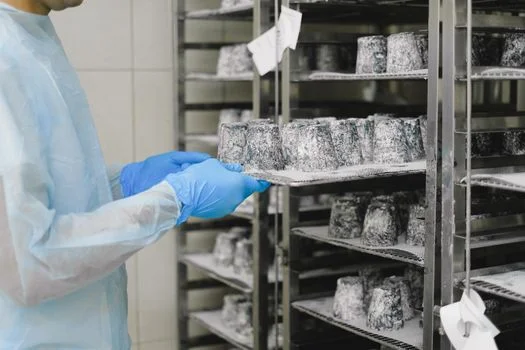
Selecting a SiC wastewater treatment company requires verification of membrane compliance with EPA 40 CFR Part 433 and EU Directive 2010/75/EU to ensure long-term regulatory adherence. As the market for SiC technology matures, the difference between a high-performance system and a substandard one often lies in the quality of the membrane sintering process and the sophistication of the automation logic. Procurement managers should use the following five-point framework to evaluate potential partners:
- Engineering Specs Verification: Demand certified test data for flux (LMH) using a feed water profile that matches your specific facility. Ensure the pore size distribution is tight (e.g., 0.1 μm ± 0.02) to prevent "fines" from passing through.
- Industry-Specific Case Studies: A supplier may have experience in municipal water, but semiconductor and pharmaceutical wastewater are significantly more aggressive. Ask for references specifically in your vertical, focusing on COD removal rates and membrane longevity in the presence of solvents.
- Regulatory Compliance: Ensure the membranes and chemical dosing systems meet EPA, EU Industrial Emissions Directive, or WHO standards. This is critical for avoiding fines and ensuring that reclaimed water is safe for reuse in cooling towers or process loops.
- Modular Scalability: Industrial production needs change. Select a