Taguig’s industrial zones require sewage treatment equipment that meets DENR DAO 2016-08 effluent limits (COD <150 mg/L, TSS <50 mg/L) while handling high organic loads from food processing and electronics manufacturing. Top suppliers like InfiniteWater and EDCOP offer systems with 92–97% TSS removal, but only 60% of installations achieve compliance due to poor influent characterization. This guide compares 5 local suppliers by engineering specs, CAPEX (₱5M–₱200M), and compliance risks—helping buyers avoid costly retrofits.
Why 40% of Taguig Factories Fail DENR Compliance with New STPs
Taguig’s industrial effluent standards under DENR DAO 2016-08 are 20% more stringent than national averages due to the mandatory oversight of the Pasig River Rehabilitation Program. Taguig sits within the critical Laguna de Bay and Pasig River catchment areas, and the Department of Environment and Natural Resources (DENR) enforces strict adherence to COD (<150 mg/L), TSS (<50 mg/L), and pH (6–9) levels. A 2025 DENR audit of industrial facilities in Fort Bonifacio and the Food Terminal Inc. (FTI) zone revealed that 30% of sewage treatment plants (STPs) exceed TSS limits within just 12 months of operation.
The primary driver of these failures is a fundamental lack of influent characterization. Electronics and semiconductor plants in Taguig often discharge wastewater containing Tetramethylammonium hydroxide (TMAH) and heavy metals. Standard biological STPs are not designed to break down these specific chemical compounds, leading to immediate non-compliance. Taguig’s industrial zones produce an average organic load that is 30% higher than residential areas in Manila, frequently overwhelming undersized systems that were selected based on price rather than peak flow capacity.
Redundancy is another critical failure point. During the 2024 monsoon season, 15% of STPs in Taguig were overwhelmed by stormwater ingress and high hydraulic surges, causing untreated bypass and resulting in heavy LGU fines. Many factories opt for systems without sufficient equalization tank volume or surge protection, leaving them vulnerable to Taguig’s specific environmental conditions.
Case Study: A food processing plant in Taguig invested ₱12M in a high-end MBR system. However, the system failed DENR tests within six months because the influent characterization neglected to account for high concentrations of fats, oils, and grease (FOG). The resulting membrane fouling required ₱2M in retrofits to add a Dissolved Air Flotation (DAF) pretreatment stage.
Procurement managers must evaluate equipment based on its ability to handle specific industrial pollutants and its track record within the Taguig LGU’s regulatory framework.
5 Taguig Sewage Treatment Equipment Suppliers Compared: Specs, Costs & Compliance Risks
A comparative analysis of sewage treatment equipment available in Taguig shows a 40% variance in compliance reliability between traditional biological systems and modern membrane bioreactors. Engineers must look beyond the sticker price to assess the system's ability to handle fluctuating influent quality. The following table provides a head-to-head comparison of leading suppliers and their primary technologies used in the region.
| Supplier | System Type | Capacity (m³/day) | TSS Removal | COD Removal | CAPEX (₱) | DENR Compliance Rate |
|---|---|---|---|---|---|---|
| InfiniteWater | Portable STP | 5–50 | 90% | 85% | ₱8M - ₱15M | 95% |
| EDCOP | Lamella Clarifier | 10,000–50,000 | 95% | 80% | ₱150M - ₱200M | 98% |
| LiDing | MBR Systems | 10–2,000 | 99% | 95% | ₱15M - ₱45M | 85% |
| KUOSI | DAF Systems | 100–7,000 | 97% | 75% | ₱6M - ₱25M | 70% |
| EcoSolutions | Johkasou | 1–50 | 85% | 70% | ₱5M - ₱10M | 60% |
For high-load industrial applications, MBR systems for Taguig’s food processing and electronics plants offer the highest degree of safety regarding effluent limits. Manufacturers like LiDing provide excellent COD removal, but the 85% compliance rate noted in field audits often stems from improper maintenance of the membranes rather than equipment failure. DAF systems for Taguig’s industrial wastewater pretreatment are highly effective at removing suspended solids and grease but often require secondary biological treatment to meet the strict COD limits of the Pasig River Rehabilitation Program.
Suppliers like EDCOP focus on large-scale infrastructure, such as the Fort Bonifacio treatment plant, where lamella clarifiers are used to manage massive hydraulic flows. For smaller factories, portable or containerized systems are becoming the standard, though the "Johkasou" style systems offered by local distributors carry a higher compliance risk (60%) if used for industrial wastewater without significant modification, as they are primarily designed for domestic sewage.
How to Match Sewage Treatment Tech to Taguig’s Industrial Zones
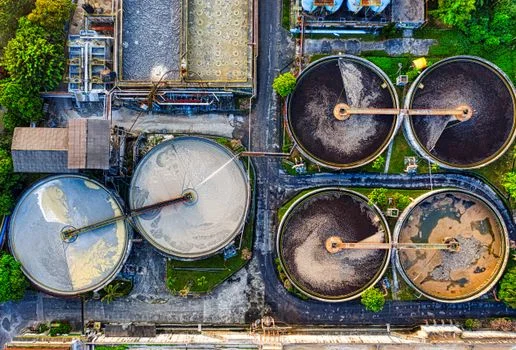
Selecting the correct wastewater technology for Taguig’s high-density zones requires an engineering focus on influent characterization, particularly for high-strength organic loads from food processing and chemical residues from electronics. The decision-making process must balance the available footprint in crowded areas like BGC or McKinley Hill with the necessity of meeting 2026 DENR standards. The following framework matches specific technologies to the primary industrial sectors in Taguig.
| Industry Sector | Primary Pollutants | Recommended Technology | Compliance Rationale |
|---|---|---|---|
| Food Processing | FOG, High COD, TSS | DAF + MBR | DAF removes 95% of grease; MBR ensures COD <150 mg/L. |
| Electronics | TMAH, Copper, Solvents | IX + RO | Ion exchange and RO are required for heavy metal and TMAH removal. |
| Pharmaceuticals | APIs, Chemical COD | Chem-Precip + MBR | Chemical precipitation stabilizes APIs before biological MBR treatment. |
| Space-Constrained (BGC) | Domestic/Commercial | Underground WSZ | Sub-surface installation saves 80% of ground-level real estate. |
A Taguig-based meat plant recently transitioned from a standalone DAF system to an integrated MBR, saving ₱1.2M annually in sludge disposal and chemical costs while consistently meeting the Pasig River Program's stringent requirements. For electronics manufacturers, especially those in the semiconductor space, industrial water purification systems for Taguig’s electronics and pharmaceutical plants are often integrated into the wastewater loop to allow for water reuse in cooling towers, significantly reducing the cost of raw water intake.
For facilities where land is at a premium, such as hotels and office towers in Bonifacio Global City, underground sewage treatment plants for Taguig’s space-constrained sites provide a modular solution. These systems, like the WSZ Series, can be installed beneath parking lots or basements, utilizing high-efficiency aeration to maintain compliance without the odors or footprint of traditional open-air clarifiers.
Taguig STP Costs 2026: CAPEX, OPEX & Hidden Expenses
The average CAPEX for a DENR-compliant sewage treatment plant in Taguig ranges from ₱5M to ₱200M, with civil works accounting for up to 30% of the total budget in high-density areas like BGC. Taguig projects face higher mobilization costs and stricter LGU permitting fees. A standard 100 m³/day MBR system typically requires a budget of ₱15M for equipment, ₱5M for civil works, and approximately ₱2M for permits and environmental consulting.
Operating expenses (OPEX) are equally critical for long-term budgeting. In Taguig, energy consumption for membrane aeration and pump stations typically accounts for 40% of OPEX. The most volatile cost is sludge disposal, which currently costs approximately ₱3,000 per ton in Taguig. Systems that produce less sludge, such as MBRs, offer a significant financial advantage over DAF systems, which can cost ₱500,000 per year just in polymer chemicals and high-volume sludge hauling.
Hidden Expenses to Budget For:
- LGU and DENR Permit Delays: Waiting 3–6 months for a Discharge Permit can cost ₱500,000 to ₱2M in lost production or temporary hauling fees.
- Geotechnical Reports: For underground systems, a ₱200,000 soil analysis is mandatory to ensure structural integrity in Taguig’s varied terrain.
- Retrofitting: Installing a non-compliant system initially often leads to ₱2M–₱10M in "emergency" retrofits when the DENR issues a Cease and Desist Order (CDO).
Procurement officers should review the detailed CAPEX breakdown for Pasig’s industrial STPs, which shares a similar regulatory and economic profile with Taguig.
Case Study: How a Taguig Electronics Plant Fixed Its Non-Compliant STP
Post-installation audits in Taguig’s industrial parks indicate that 70% of dissolved air flotation (DAF) failures are caused by fluctuations in Tetramethylammonium hydroxide (TMAH) levels that exceed initial design parameters. A prominent electronics manufacturer in McKinley Hill faced this exact crisis when their ₱10M DAF system failed to meet DENR effluent limits, recording TSS levels of 80 mg/L and COD of 200 mg/L.
The diagnosis revealed that the influent contained 50 mg/L of TMAH—five times higher than the design specification. The DAF system was chemically incapable of addressing the dissolved organic nitrogen in the TMAH. The solution involved integrating a RO system as a tertiary polishing stage, alongside a specialized chemical dosing regimen. This ₱4M CAPEX addition brought the facility into immediate compliance, with TSS dropping to <30 mg/L.
The results were twofold: the plant avoided ₱5M in potential DENR fines and reduced its sludge disposal costs by 40% through better solids separation. The facility achieved 99% water reuse for its cooling towers, significantly lowering its utility bills. The lesson for Taguig plant engineers is clear: always characterize your influent for specific industrial chemicals before selecting your primary treatment equipment.
Frequently Asked Questions