Selangor Municipal Sewage Treatment Plants 2026: Engineering Specs, Costs & Zero-Risk Compliance for Malaysian Buyers
Selangor’s municipal sewage treatment plants face urgent upgrades to meet Malaysia’s DOE discharge standards (BOD < 20 mg/L, COD < 50 mg/L, TSS < 50 mg/L). With 72% of rivers eutrophic and 24% of STPs still using outdated Imhoff tanks (IWK 2023), advanced technologies like MBR, MBBR, and ASP are critical. This guide provides 2026 engineering specs, cost benchmarks (MYR 5M–500M+ for 10,000–500,000 PE), and a zero-risk compliance framework for Selangor projects.
Why Selangor’s Municipal STPs Need Urgent Upgrades: Environmental and Regulatory Pressures
Seventy-two percent of Malaysia’s rivers are eutrophic (Huang et al., 2015), with Selangor’s Klang River identified as one of the most polluted by the Department of Environment (DOE 2023). This widespread pollution is directly linked to insufficient wastewater treatment capacity and outdated technologies in municipal sewage treatment plants (STPs). A significant challenge in Malaysia is that 24% of all STPs nationwide still rely on primary treatment systems such as Imhoff tanks (IWK 2023), which are inherently incapable of achieving the stringent secondary discharge standards set by the DOE. Selangor, with its high urban density and rapid industrialization, experiences exacerbated pressure on its aging sewerage infrastructure, contributing disproportionately to river degradation.
The Department of Environment actively enforces compliance, imposing substantial fines ranging from MYR 50,000 to MYR 500,000 per violation for non-compliant discharges, alongside mandatory upgrades for persistent offenders under Section 45 of the Sewerage Services Act 1993. These regulatory penalties underscore the financial and reputational risks associated with inadequate wastewater management. Selangor's population growth, estimated at 3.5% annually, coupled with continuous industrial expansion, significantly increases the volume and complexity of municipal wastewater. This escalating demand strains existing infrastructure, making the adoption of advanced municipal wastewater treatment technologies not merely an environmental imperative but a critical economic and public health necessity for the state.
DOE Discharge Standards for Selangor: What You Must Achieve in 2026
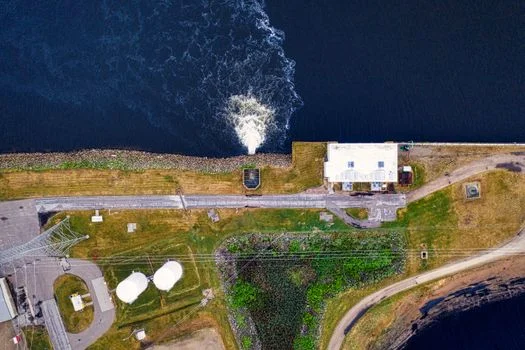
The Department of Environment (DOE) mandates specific discharge standards for municipal sewage treatment plants (STPs) in Selangor, requiring Biochemical Oxygen Demand (BOD) to be less than 20 mg/L, Chemical Oxygen Demand (COD) less than 50 mg/L, and Total Suspended Solids (TSS) less than 50 mg/L (DOE 2023). These parameters are crucial for protecting aquatic ecosystems and public health. In addition to these primary indicators, effluent pH must be maintained between 6.0 and 9.0, and Ammoniacal Nitrogen (NH₃-N) must be below 5 mg/L, particularly for discharges into sensitive water bodies or for potential water reuse applications.
Selangor’s DOE offices conduct quarterly sampling and inspections of municipal STPs. Non-compliance triggers a series of escalating enforcement actions, starting with warning letters, followed by administrative fines, and ultimately leading to mandatory Corrective Action Plans (CAPs) with strict timelines for upgrades. For new STPs, a 90% compliance rate must be demonstrated within six months of commissioning. Existing plants, undergoing upgrades, are typically granted a two-year grace period to achieve full compliance with the updated standards. Operators are also required to utilize the DOE’s online reporting system, e-STAR, for submitting self-monitoring data, making transparency and continuous performance tracking integral to compliance management.
| Parameter | Standard Limit (DOE 2023) | Monitoring Frequency (Selangor DOE) |
|---|---|---|
| Biochemical Oxygen Demand (BOD) | < 20 mg/L | Quarterly (Minimum) |
| Chemical Oxygen Demand (COD) | < 50 mg/L | Quarterly (Minimum) |
| Total Suspended Solids (TSS) | < 50 mg/L | Quarterly (Minimum) |
| Ammoniacal Nitrogen (NH₃-N) | < 5 mg/L | Quarterly (Minimum) |
| pH | 6.0 – 9.0 | Continuous/Daily (Operator) |
| Oil & Grease | < 10 mg/L | Quarterly (Minimum) |
Technology Deep Dive: ASP, MBR, and MBBR for Selangor’s STPs
Advanced wastewater treatment technologies such as Activated Sludge Process (ASP), Membrane Bioreactor (MBR), and Moving Bed Biofilm Reactor (MBBR) offer distinct advantages for municipal sewage treatment plants in Selangor, each suited to specific site constraints and effluent quality goals. The choice among these technologies significantly impacts footprint, capital expenditure (CAPEX), operational expenditure (OPEX), and effluent quality, directly influencing compliance with Selangor DOE wastewater standards.
- Activated Sludge Process (ASP): This conventional biological treatment method is well-established, offering a proven and generally lower CAPEX solution, typically ranging from MYR 5M–8M for a 10,000 PE plant. However, ASP requires a substantial land footprint, usually 1.5–2 m²/PE, due to the need for large aeration tanks and secondary clarifiers. Effluent quality typically achieves BOD 10–20 mg/L and TSS 10–30 mg/L, meeting basic DOE standards but often falling short for water reuse applications. ASP systems are often considered for less land-constrained rural districts in Selangor due to their lower operational complexity and energy consumption compared to membrane-based systems.
- Membrane Bioreactor (MBR): MBR systems integrate biological treatment with membrane filtration, offering a significantly smaller footprint (0.5–1 m²/PE) and producing exceptionally high-quality effluent (BOD ≤5 mg/L, TSS ≤1 mg/L). This makes MBR ideal for land-scarce urban areas like Petaling Jaya, where land acquisition costs are prohibitive. The high effluent quality also facilitates potential water reuse in Malaysia for non-potable applications such as irrigation or industrial processes. However, MBR technology comes with a higher CAPEX (MYR 8M–12M for 10,000 PE) and requires periodic membrane replacement, typically every 5 years, costing MYR 1M–2M. HydropureWater offers advanced MBR systems for compact, high-quality effluent treatment, designed for durability and performance.
- Moving Bed Biofilm Reactor (MBBR): MBBR is a hybrid technology that combines aspects of activated sludge and biofilm processes. It utilizes small plastic carriers within aeration tanks to provide a large surface area for biofilm growth, enabling 30–50% higher loading rates compared to conventional ASP. This results in a moderate footprint (1–1.5 m²/PE), making it a viable option for sites with some land constraints but not as severe as those requiring MBR. CAPEX for MBBR systems typically ranges from MYR 6M–10M for a 10,000 PE plant. Effluent quality is generally good, achieving BOD 5–15 mg/L and TSS 10–20 mg/L. MBBR’s key advantage for Selangor’s climate is its inherent resilience to hydraulic shocks, making it particularly suitable for managing variable flows during the monsoon season.
When designing a municipal sewage treatment plant in Selangor, considering factors like monsoon resilience for MBBR, the compact nature of MBR for urban density, and the lower OPEX of ASP for rural areas is crucial for optimal, compliant, and cost-effective solutions.
| Feature | Activated Sludge Process (ASP) | Membrane Bioreactor (MBR) | Moving Bed Biofilm Reactor (MBBR) |
|---|---|---|---|
| Footprint (m²/PE) | 1.5 – 2.0 | 0.5 – 1.0 | 1.0 – 1.5 |
| Effluent BOD (mg/L) | 10 – 20 | ≤ 5 | 5 – 15 |
| Effluent TSS (mg/L) | 10 – 30 | ≤ 1 | 10 – 20 |
| CAPEX (10,000 PE, MYR) | 5M – 8M | 8M – 12M | 6M – 10M |
| OPEX (MYR/year, indicative) | 1.2M – 1.8M | 2.0M – 3.0M | 1.5M – 2.2M |
| Monsoon Resilience | Moderate (prone to washouts) | High (stable effluent) | High (biofilm protection) |
| Water Reuse Potential | Low (requires tertiary) | High (direct reuse) | Moderate (requires tertiary) |
Cost Benchmarks for Selangor STPs: CAPEX, OPEX, and ROI by Technology
The capital expenditure (CAPEX) for a 10,000 Population Equivalent (PE) municipal sewage treatment plant in Selangor ranges from MYR 5 million for an Activated Sludge Process (ASP) to MYR 12 million for a Membrane Bioreactor (MBR) system in 2026. These figures represent comprehensive project costs, including civil works, equipment procurement, installation, and commissioning. Understanding these STP CAPEX Malaysia 2026 benchmarks is crucial for accurate budgeting and financial planning.
A detailed breakdown of CAPEX by technology for a 10,000 PE facility includes:
- ASP: MYR 5M–8M. This typically covers aeration tanks, secondary clarifiers, sludge handling, and basic instrumentation. Civil works constitute a significant portion due to the larger footprint.
- MBBR: MYR 6M–10M. While civil works are less extensive than ASP, the cost of specialized media and enhanced aeration systems contributes to a higher CAPEX.
- MBR: MYR 8M–12M. The compact design reduces civil works, but the advanced membrane modules and associated ultrafiltration equipment represent a substantial investment.
Operational expenditure (OPEX) is another critical factor, often overlooked in initial budgeting. For a 10,000 PE plant, annual OPEX can range from MYR 1.2M–1.8M for ASP, MYR 1.5M–2.2M for MBBR, and MYR 2M–3M for MBR. Energy consumption typically accounts for 40–60% of total OPEX, with MBR systems having higher energy demands due to membrane filtration and aeration for scour. A key differentiator for MBR is the periodic membrane replacement cost, estimated at MYR 1M–2M every 5 years. Sludge disposal is another significant OPEX component across all technologies, costing MYR 300–500 per ton in Selangor. HydropureWater provides robust sludge dewatering equipment to reduce disposal costs, optimizing overall OPEX.
Return on Investment (ROI) for STP upgrades can be calculated based on DOE fine avoidance, which can reach MYR 500,000 per violation, and potential revenue from water reuse. MBR, for instance, enables up to 30% water recycling for irrigation or industrial cooling, offering a tangible financial return that can offset its higher CAPEX over time. Beyond direct project costs, Selangor-specific expenses include land acquisition, which can be MYR 200–500/m² in urban centers, and DOE permitting fees, ranging from MYR 50,000–100,000 for major projects.
| Cost Category | ASP (10,000 PE) | MBBR (10,000 PE) | MBR (10,000 PE) |
|---|---|---|---|
| CAPEX (MYR, 2026) | 5M – 8M | 6M – 10M | 8M – 12M |
| - Civil Works | 40-50% | 30-40% | 20-30% |
| - Equipment & Installation | 30-40% | 40-50% | 50-60% |
| - Commissioning & Permitting | 10-15% | 10-15% | 10-15% |
| OPEX (MYR/year) | 1.2M – 1.8M | 1.5M – 2.2M | 2.0M – 3.0M |
| - Energy Costs | 35-45% | 40-50% | 50-60% |
| - Sludge Disposal | 20-30% | 15-25% | 10-20% |
| - Maintenance & Labor | 20-25% | 20-25% | 20-25% |
| - Membrane Replacement (Avg.) | N/A | N/A | MYR 200k-400k/year |
| Selangor-Specific Costs | |||
| - Land Acquisition (urban) | MYR 200–500/m² | ||
| - Sludge Disposal Rate | MYR 300–500/ton | ||
| - DOE Permitting Fees | MYR 50,000–100,000 | ||
Step-by-Step Guide: Selecting the Right Technology for Your Selangor STP
Selecting the optimal technology for a municipal sewage treatment plant in Selangor requires a structured decision-making process that balances effluent quality targets, land availability, and budgetary constraints. This framework helps municipal engineers and procurement teams make informed choices for their specific project needs.
- Step 1: Define Effluent Quality Requirements. The primary consideration is whether the project aims for basic DOE compliance (BOD < 20 mg/L, COD < 50 mg/L) or if higher-quality effluent is desired for water reuse. If the goal is to achieve reuse-grade effluent (e.g., BOD ≤5 mg/L, TSS ≤1 mg/L) for non-potable applications, such as irrigation or industrial cooling, then Membrane Bioreactor (MBR) is typically the only standalone option that can consistently meet these stringent standards without extensive tertiary treatment. For basic compliance, ASP or MBBR may suffice.
- Step 2: Assess Land Availability. Land costs in Selangor, particularly in urban areas, are a significant factor. MBR technology requires the smallest footprint, typically 0.5–1 m² per Population Equivalent (PE), making it ideal for land-constrained sites. If land is moderately available (1–1.5 m²/PE), a Moving Bed Biofilm Reactor (MBBR) can be a cost-effective choice, offering higher treatment capacity per unit area than conventional systems. For projects with ample land (1.5–2 m²/PE), the Activated Sludge Process (ASP) remains a viable option due to its lower initial investment.
- Step 3: Evaluate Budget. Capital Expenditure (CAPEX) varies significantly among technologies. ASP is the most budget-friendly, with CAPEX ranging from MYR 5M–8M for a 10,000 PE plant. MBBR falls in the mid-range (MYR 6M–10M), while MBR is the most expensive upfront (MYR 8M–12M). While MBR has a higher initial cost, its ability to enable water reuse can lead to long-term financial benefits and offset some of the initial investment.
- Step 4: Consider Operational Expenditure (OPEX). Beyond initial CAPEX, long-term operating costs must be factored in. MBR systems typically have higher energy consumption and periodic membrane replacement costs. ASP, while having lower energy costs, often incurs higher sludge disposal costs due to the larger volume of sludge generated. MBBR offers a balance, with moderate energy consumption and robust performance, but requires careful aeration optimization. Precise chemical dosing for DOE compliance can also impact OPEX, regardless of the core technology chosen.
- Step 5: Plan for Future Expansion and Resilience. Consider the projected population growth and potential for increased wastewater volumes in Selangor. MBBR’s modular design allows for relatively easy capacity upgrades by simply adding more biofilm media within existing tanks, offering flexibility for future expansion without extensive civil works. Additionally, MBBR’s inherent resilience to hydraulic shocks, common during Selangor’s monsoon season, makes it a robust choice for maintaining consistent effluent quality.
Case Study: Upgrading a 50,000 PE STP in Shah Alam with MBBR
An upgrade project at a 50,000 Population Equivalent (PE) municipal sewage treatment plant in Shah Alam successfully transitioned from an Activated Sludge Process (ASP) to a Moving Bed Biofilm Reactor (MBBR) system between 2023 and 2024, demonstrating enhanced compliance and operational efficiency. This project addressed critical challenges faced by many municipal wastewater treatment plants in Selangor.
The existing ASP plant struggled with several issues: significant land constraints, with only 1.2 m²/PE available for expansion, making a conventional ASP upgrade infeasible. the influent wastewater contained high loads from nearby industrial zones, leading to Chemical Oxygen Demand (COD) spikes between 800–1,200 mg/L, which frequently caused DOE non-compliance fines amounting to approximately MYR 200,000 per year. The plant was also prone to upsets during heavy monsoon rains, leading to inconsistent effluent quality.
The chosen solution was an MBBR system, integrated into the existing tankage with minimal civil modifications. Key features included a 30% media fill rate with high-surface-area HDPE biofilm carriers, an enhanced pre-treatment stage for FOG (fats, oils, and grease) removal, and an automated Dissolved Oxygen (DO) control system to optimize aeration efficiency. This approach provided the necessary biological capacity within the limited footprint.
The results were transformative: Post-commissioning data showed consistent effluent quality, with BOD averaging 8 mg/L, COD 35 mg/L, and TSS 15 mg/L, all well within DOE compliance limits. The CAPEX for the MBBR upgrade was MYR 32M, significantly lower than the estimated MYR 40M for an equivalent MBR system, while delivering comparable performance for the specific compliance needs. Annual OPEX was reduced to MYR 4.5M, a notable saving compared to the estimated MYR 6M for maintaining and consistently upgrading the old ASP system to meet new standards. Lessons learned included the importance of selecting appropriate media (HDPE vs. PP) based on influent characteristics to optimize biofilm growth and the critical role of aeration optimization, which alone reduced energy costs by 15% through precise DO control.
Frequently Asked Questions
Municipal engineers and procurement managers frequently inquire about the regulatory, cost, and technical aspects of upgrading or constructing sewage treatment plants in Selangor to ensure compliance and optimal performance.
What are the DOE’s penalties for non-compliant STPs in Selangor?
The Department of Environment (DOE) imposes fines starting at MYR 50,000 per violation for non-compliant discharges from municipal sewage treatment plants in Selangor. Persistent offenders face escalating fines, mandatory corrective action plans, and potentially legal action under the Sewerage Services Act 1993, Section 45, which can lead to fines up to MYR 500,000.
How much does it cost to build a 10,000 PE STP in Selangor?
The capital expenditure (CAPEX) for a 10,000 Population Equivalent (PE) municipal sewage treatment plant in Selangor ranges from MYR 5 million for a conventional Activated Sludge Process (ASP) to MYR 12 million for a Membrane Bioreactor (MBR) system, depending on the chosen technology and local land costs. Annual operational expenditure (OPEX) for such a plant typically falls between MYR 1.2 million and MYR 3 million, influenced heavily by energy consumption and sludge disposal.
Which technology is best for land-constrained sites in Selangor?
For land-constrained sites in Selangor, the Membrane Bioreactor (MBR) technology is generally the most suitable. It requires the smallest footprint, typically 0.5–1 m² per Population Equivalent (PE), compared to 1.5–2 m²/PE for ASP. MBR also produces high-quality, reuse-grade effluent, making it ideal for urban areas where land is expensive and water reuse is a strategic goal, although its initial CAPEX is 20–30% higher than ASP.
Can MBBR handle Selangor’s monsoon season?
Yes, Moving Bed Biofilm Reactor (MBBR) technology is well-suited to handle Selangor’s monsoon season. Its robust biofilm design, where microorganisms attach to plastic carriers, provides inherent resilience to hydraulic shocks and fluctuations in influent quality and flow rates. This stability ensures more consistent effluent quality even during heavy rainfall events, a critical factor for municipal wastewater treatment in high-rainfall areas.
What are the hidden costs of STP upgrades in Selangor?
Beyond direct equipment and construction, hidden costs for municipal sewage treatment plant upgrades in Selangor include significant expenses for land acquisition, which can range from MYR 200–500/m² in urban areas. Sludge disposal costs, at MYR 300–500 per ton, represent a continuous operational expense. Additionally, DOE permitting fees and environmental impact assessment (EIA) costs typically amount to MYR 50,000–100,000 for major projects, and these must be factored into the overall budget. For a broader perspective on regulatory landscapes, insights from Kuala Lumpur’s industrial wastewater treatment standards can also be informative.