Alaska’s DEC enforces strict secondary treatment limits (30 mg/L BOD/TSS) for sewage discharge, but remote sites face unique challenges: influent temperatures as low as 4°C, permafrost soil, and seasonal flow variations. Suppliers must provide freeze-protected equipment with remote monitoring—Alaska-optimized MBR systems for DEC-compliant effluent (effluent <10 mg/L BOD/TSS) and permafrost-proof underground sewage plants for Alaska (1–80 m³/h) are proven for Alaska’s climate, with CAPEX ranging from $50K for small lodges to $2M for industrial facilities.
Why Alaska’s Sewage Treatment Needs Are Unique
Alaska’s extreme cold, vast remoteness, and specific DEC regulations significantly differentiate its sewage treatment requirements from other regions. The Alaska Department of Environmental Conservation (DEC) mandates secondary treatment, typically requiring effluent biological oxygen demand (BOD) and total suspended solids (TSS) to be below 30 mg/L, as evidenced by compliance data from facilities like the Anchorage Wastewater Treatment Facility.
A critical factor is the influent temperature, which can drop as low as 4°C in winter, according to HydroTactics, a local water conditioning expert. Such low temperatures severely inhibit the metabolic rates of microorganisms crucial for biological treatment. This slowdown necessitates significantly longer Hydraulic Retention Times (HRT) and larger tank volumes compared to warmer climates to achieve the same treatment efficiency. Failing to account for this can lead to inadequate treatment and permit violations.
Permafrost soil, prevalent across much of Alaska, presents another formidable challenge. It prevents traditional deep excavations for gravity-fed systems or conventional below-grade installations. Equipment must be designed as above-ground, skid-mounted, or specialized underground systems that account for frost heave and thermal stability. For remote site wastewater systems, limited access to grid power means equipment must be energy-efficient or compatible with alternative power sources. While MBR systems require significant power for aeration and membrane pumping, heated DAF systems for Alaska’s seafood processing plants also demand power for compressors and pumps, making low-draw designs or reliable diesel generators and solar/battery hybrids essential.
seasonal flow variations, common for tourism lodges, mining camps, and other seasonal industrial operations, require sewage treatment equipment with high turndown ratios, often 5:1 or higher. This ensures stable operation and consistent effluent quality despite drastic fluctuations in daily flow rates, preventing both underloading and overloading of the biological processes.
Alaska DEC Compliance: Permits, Limits, and Zero-Risk Discharge
Alaska’s Department of Environmental Conservation (DEC) mandates specific effluent quality standards and permitting processes to ensure public health and environmental protection. For secondary treatment of domestic sewage, DEC enforces strict limits under 18 AAC 72: 30 mg/L for BOD, 30 mg/L for TSS, and a pH range of 6.0 to 9.0. Additionally, disinfection is required, typically targeting a fecal coliform limit of 200 colonies/100 mL or less.
Permit types vary based on system size and discharge characteristics. Smaller systems, often those discharging less than 5,000 gallons per day (approximately 19 m³/day), may qualify for a General Permit, which typically has a streamlined application process. Larger industrial facilities, municipal plants, or those with complex waste streams require an Individual Permit, a more rigorous process that can take 6–12 months for approval due to extensive review and public notice periods.
A key consideration for cold-weather sewage treatment is Alaska’s specific ‘cold-weather adjustment’ for biological systems. DEC guidance acknowledges that biological activity slows in cold influent (below 10°C) and allows for up to a 20% increase in Hydraulic Retention Time (HRT) to compensate, ensuring adequate treatment despite reduced microbial kinetics. Sampling requirements are stringent, with weekly monitoring for BOD and TSS, and monthly testing for E. coli commonly mandated for larger systems. Remote sampling presents logistical challenges, often requiring specialized sample preservation techniques and, increasingly, automated sampling solutions with remote data transmission.
Common violations, as documented in DEC enforcement cases, include freezing pipes, inadequate disinfection (e.g., chlorine residual below 0.5 mg/L), and failure to report spills or system malfunctions. Proactive design with robust freeze protection and reliable remote monitoring are therefore critical for zero-risk compliance.
| Parameter | Effluent Limit (Daily Average) | pH Range | Sampling Frequency (Typical) |
|---|---|---|---|
| BOD5 | 30 mg/L | 6.0 – 9.0 Standard Units | Weekly for >19 m³/day |
| TSS | 30 mg/L | Weekly for >19 m³/day | |
| Fecal Coliform | 200 colonies/100 mL | Monthly for >19 m³/day | |
| Note: DEC allows up to 20% higher HRT for biological systems if influent <10°C (18 AAC 72). | |||
Alaska-Specific Sewage Treatment Technologies Compared
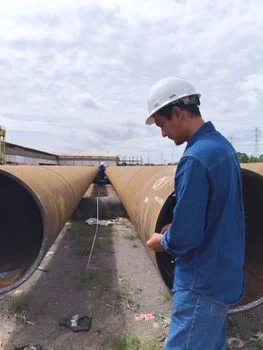
Selecting the optimal sewage treatment technology for Alaska requires evaluating Membrane Bioreactors (MBR), Dissolved Air Flotation (DAF), and underground package plants (WSZ Series) against specific climate and operational challenges. Each technology offers distinct advantages and disadvantages tailored to different site requirements.
Membrane Bioreactor (MBR) Systems: MBR technology, such as Alaska-optimized MBR systems for DEC-compliant effluent (HydropureWater DF Series), consistently produces effluent quality below 10 mg/L BOD/TSS, significantly exceeding secondary treatment standards. This makes MBR ideal for sensitive receiving waters or water reuse applications. MBR systems also boast a 60% smaller footprint compared to conventional activated sludge plants, a benefit for space-constrained remote sites. However, MBR systems require heated buildings to maintain biological activity (ideally 5–10°C) and prevent membrane freezing. Membrane fouling rates can increase significantly at influent temperatures below 5°C, necessitating more frequent backwashes or chemical cleaning.
Dissolved Air Flotation (DAF) Systems: Heated DAF systems for Alaska’s seafood processing plants (HydropureWater) are highly effective for wastewater streams with high concentrations of fats, oils, and grease (FOG) and suspended solids, commonly found in seafood processing and food industries. DAF systems excel at removing these pollutants through flotation. The primary challenge in Alaska is preventing freezing of surface skimmers, pumps, and the DAF tank itself. Insulation and heat tracing are mandatory for exposed components, and often, the entire DAF tank requires heating or enclosure within a heated facility to maintain operational temperatures.
Underground Package Sewage Treatment Plants (WSZ Series): Permafrost-proof underground sewage plants for Alaska (HydropureWater WSZ Series) are designed for full burial, leveraging the insulating properties of the earth to provide natural freeze protection without the need for a heated building. This makes them ideal for remote sites with limited infrastructure or where visual impact is a concern. WSZ units typically meet secondary treatment standards of 30 mg/L BOD/TSS. However, their flow capacity is generally limited, typically up to 80 m³/h. Installation in permafrost areas requires specialized engineering, including insulated foundations or pile supports, to prevent frost heave and ensure long-term structural integrity.
| Technology | Flow Range (m³/day) | Effluent Quality (BOD/TSS) | Freeze Protection Needs | Typical CAPEX (Relative) | Typical OPEX (Relative) | Alaska-Specific Pros | Alaska-Specific Cons |
|---|---|---|---|---|---|---|---|
| MBR (DF Series) | 10 - 2,000+ | <10 mg/L | Heated building, insulation | High | Medium-High | Superior effluent, small footprint | High energy for heating, membrane fouling at <5°C |
| DAF | 5 - 1,000+ | Excellent TSS/FOG removal (pre-treatment) | Heated tanks, heat tracing for skimmers | Medium | Medium | Ideal for high-FOG industrial wastewater | Not a complete biological solution, high chemical use |
| Underground WSZ | 1 - 80 | ~30 mg/L | Full burial, permafrost-proof foundation | Medium | Low-Medium | Natural freeze protection, low visual impact | Limited flow range, complex permafrost installation |
CAPEX and OPEX Benchmarks for Alaska Sewage Treatment Plants
The capital expenditure (CAPEX) and operational expenditure (OPEX) for sewage treatment plants in Alaska are significantly influenced by remote site logistics and mandatory cold-weather adaptations. For small lodges or communities requiring 10–50 m³/day systems, CAPEX typically ranges from $50K to $200K. Larger industrial or municipal facilities needing 100–500 m³/day systems can expect CAPEX between $500K and $2M for robust, cold-climate designs.
Alaska-specific cost multipliers are critical to budgeting. Remote sites often incur a 1.5–2.0x multiplier on equipment and installation costs due to the high expense of transporting materials and specialized labor. Cold-weather upgrades, including enhanced insulation, heat tracing, and heated enclosures, can add another 1.2–1.5x multiplier to the base equipment cost, reflecting the investments needed for freeze protection for wastewater equipment.
OPEX breakdown reveals that energy costs constitute 30–50% of total operational expenses. MBR systems, for instance, can consume 0.8–1.2 kWh/m³ for aeration and pumping, with energy demand increasing in colder temperatures to maintain biological activity and heating. Chemical costs, accounting for 15–25% of OPEX, are particularly relevant for DAF systems, which may require $0.10–$0.30/m³ for coagulants and flocculants. Alaska’s limited and costly supply chains can further inflate these chemical expenses. Labor, especially for remote site wastewater systems, typically represents 20–30% of OPEX due to the need for specialized technicians and travel logistics. Maintenance, including spare parts and routine checks for freeze protection, usually falls within 10–15% of the annual OPEX.
| System Size (m³/day) | Estimated CAPEX (USD) | Estimated OPEX/Year (USD) | Alaska Multiplier (CAPEX) | Alaska Multiplier (OPEX) |
|---|---|---|---|---|
| 10 (Small Lodge) | $50,000 - $100,000 | $10,000 - $25,000 | 1.5x - 2.0x | 1.5x - 2.0x |
| 50 (Community/Small Industrial) | $150,000 - $250,000 | $30,000 - $60,000 | 1.4x - 1.8x | 1.4x - 1.8x |
| 100 (Medium Industrial) | $300,000 - $600,000 | $50,000 - $120,000 | 1.3x - 1.7x | 1.3x - 1.7x |
| 500 (Large Industrial/Municipal) | $1,000,000 - $2,000,000 | $150,000 - $400,000 | 1.2x - 1.5x | 1.2x - 1.5x |
Cold-Weather Upgrades: Freeze Protection for Alaska’s Sewage Equipment
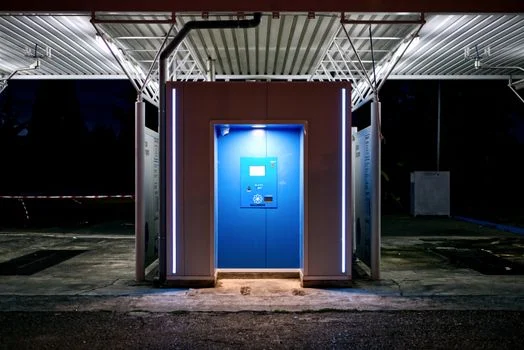
Effective freeze protection is non-negotiable for all sewage treatment equipment operating in Alaska’s sub-zero temperatures to prevent catastrophic system failures and ensure continuous DEC compliance. Without proper safeguards, pipes burst, biological processes halt, and structural integrity is compromised.
Robust insulation is the first line of defense. Closed-cell foam, with an R-value of 10 or higher, should be applied to all pipes, tanks, valves, and exposed components. For regions experiencing -40°C, insulation thickness must conform to standards like ASHRAE 90.1, often requiring several inches to maintain internal temperatures. Complementing insulation, self-regulating electric heat tracing cables (typically 10–20 W/ft) are mandatory for all water-carrying lines, influent and effluent pipes, pump casings, and DAF skimmers. These cables automatically adjust their heat output based on ambient temperature, conserving energy while providing critical warmth. For remote sites, the cumulative power requirements of heat tracing must be factored into generator sizing or solar/battery hybrid system design.
Tank heating is essential for maintaining biological activity and preventing freezing in MBR and DAF tanks. Submersible electric heaters, ranging from 1–5 kW depending on tank volume and ambient conditions, are typically controlled by thermostats set to maintain process temperatures between 5–10°C. This ensures microorganisms remain active and membranes or clarification processes function optimally. For remote site wastewater systems, satellite-linked SCADA (Supervisory Control and Data Acquisition) systems are indispensable. These systems provide real-time alerts for freeze alarms, flow interruptions, power failures, and critical parameter deviations, enabling proactive intervention and meeting DEC reporting requirements for operational incidents. Finally, reliable backup power, such as diesel generators (5–50 kW) or robust solar/battery hybrids, is crucial. These systems must be sized to provide at least 72 hours of continuous operation, a common DEC compliance requirement, to prevent system shutdown during grid outages, securing consistent cold-weather sewage treatment.
Supplier Selection Checklist: 7 Questions to Ask Before Buying
Evaluating a sewage treatment equipment supplier for an Alaska project requires a focused checklist to ensure their solutions meet the unique demands of the state’s climate and regulatory environment.
- ‘Do you have DEC-approved case studies in Alaska?’ Request 2–3 references with associated DEC permit numbers. This provides tangible proof of their experience and success in navigating Alaska’s specific regulatory landscape.
- ‘Can your equipment handle 4°C influent?’ Probe the supplier on how their biological processes maintain efficiency at low temperatures, including any necessary Hydraulic Retention Time (HRT) adjustments or specific design features to mitigate biological slowdowns.
- ‘What freeze protection is included as standard, and what are the upgrade options?’ Compare insulation R-values, heat tracing specifications (wattage per foot), and tank heating solutions across different supplier quotes to ensure comprehensive coverage.
- ‘Do you offer remote monitoring capabilities?’ Inquire about their SCADA system, satellite communication options for remote sites, and whether their system can integrate with DEC reporting requirements for alarms or data.
- ‘What’s your lead time for delivery and installation support in Alaska?’ Be prepared for typical lead times of 6–12 months, and discuss how the supplier addresses unique transport challenges to remote Alaskan sites.
- ‘What’s your warranty for cold-weather operation?’ Seek clarification on warranties specifically covering performance in freezing conditions, looking for robust terms (e.g., 3–5 years for tanks, 1–2 years for membranes).
- ‘Can you provide DEC permit application support?’ Many experienced sewage treatment equipment suppliers in Alaska USA offer pre-written permit templates or engineering assistance to streamline the often complex and lengthy DEC permit application process.
Frequently Asked Questions
What are the primary DEC discharge limits for sewage in Alaska?
Alaska DEC enforces secondary treatment limits of 30 mg/L BOD and 30 mg/L TSS, with pH between 6 and 9 (18 AAC 72). For systems discharging into sensitive waters or requiring advanced treatment, stricter limits may apply, necessitating technologies like MBR.
How does cold weather impact biological sewage treatment in Alaska?
Influent temperatures as low as 4°C significantly slow down biological activity, requiring longer hydraulic retention times (HRT) and larger tank volumes to achieve compliance. DEC allows up to a 20% HRT adjustment for systems operating below 10°C.
What is the typical cost for a sewage treatment plant in remote Alaska?
CAPEX for Alaska sewage plants ranges from $50K for small 10 m³/day lodges to $2M for 500 m³/day industrial facilities. Remote site multipliers can increase costs by 1.5-2.0x due to specialized transport, logistics, and labor.
Are MBR systems suitable for Alaska’s cold climate?
Yes, Alaska-optimized MBR systems are highly effective, producing effluent <10 mg/L BOD/TSS. They require heated enclosures to prevent membrane freezing and maintain optimal biological temperatures, typically between 5-10°C, ensuring consistent performance.
How do you protect sewage equipment from freezing in Alaska?
Essential freeze protection includes R-10+ closed-cell foam insulation, self-regulating heat tracing (10-20 W/ft) for pipes, submersible tank heaters, and satellite-linked SCADA for remote monitoring of critical temperatures and operational status.
What are the challenges of installing wastewater systems in permafrost?
Permafrost soil prevents traditional deep excavations and can cause frost heave, potentially damaging structures. Solutions include fully buried, permafrost-proof underground package plants (like the WSZ series) with specialized, insulated foundations or pile-supported systems.
What are the power requirements for remote site wastewater systems in Alaska?
Remote sites often lack grid power, requiring equipment compatible with diesel generators (5-50 kW) or solar/battery hybrids. Systems must be energy-efficient, and backup power must provide at least 72 hours of runtime for DEC compliance during outages.