Why Hospital Wastewater in Chicago Is a Unique Engineering Challenge
Hospital effluent in Chicago presents a distinct and complex wastewater treatment challenge, far exceeding the typical loads of municipal wastewater. This is primarily due to the presence of potent contaminants that require specialized multi-stage treatment processes. Unlike general domestic sewage, medical wastewater is characterized by a cocktail of pharmaceuticals, including antibiotics, chemotherapy drugs, and hormones, alongside a high concentration of pathogens such as Pseudomonas and C. difficile. These contribute to significantly elevated Biochemical Oxygen Demand (BOD) and Chemical Oxygen Demand (COD) levels, often ranging from 300 to 1,200 mg/L, demanding more robust removal capabilities than standard 70-80% solids reduction. Chicago's extensive combined sewer system (CSS) exacerbates overflow risks during heavy precipitation events, increasing the likelihood of surcharges from the Metropolitan Water Reclamation District (MWRD) for high-strength waste. For instance, Rush University Medical Center incurred approximately $22,000 in MWRD surcharges in 2023 alone for exceeding BOD limits. To address this, they implemented a 10,000 GPD Membrane Bioreactor (MBR) system, successfully reducing BOD to below 10 mg/L. Key contaminants of concern include antibiotic-resistant bacteria (ARBs), endocrine disruptors like estradiol, and potentially harmful disinfection byproducts (DBPs) that can form when chlorine is used for disinfection, as highlighted by the EPA's 2024 Emerging Contaminants List.
| Contaminant Type | Typical Hospital Effluent Range | Risk/Impact | Treatment Focus |
|---|---|---|---|
| BOD/COD | 300–1,200 mg/L | Oxygen depletion in receiving waters, MWRD surcharges | Biological treatment (MBR, Activated Sludge) |
| Pharmaceuticals | Trace to µg/L levels (e.g., antibiotics, chemotherapy drugs) | ARBs, endocrine disruption, aquatic toxicity | Advanced oxidation, MBR (some removal) |
| Pathogens | High concentrations (e.g., Pseudomonas, C. difficile) | Public health risk, potential for outbreaks | Disinfection (UV, Chlorine Dioxide), MBR (physical barrier) |
| Antibiotic-Resistant Bacteria (ARBs) | Elevated presence | Spread of resistant strains, treatment challenges | Disinfection, advanced treatment |
| Disinfection Byproducts (DBPs) | Formation potential from chlorine disinfection | Potential carcinogenicity, regulatory concern | Alternative disinfection (ClO₂, UV), process optimization |
Chicago’s Regulatory Landscape: EPA, MWRD, and Illinois Standards for Hospital Wastewater
Navigating the regulatory environment is paramount for Chicago-area hospitals to avoid substantial penalties and ensure environmental stewardship. Federal regulations, specifically the EPA's 40 CFR Part 405, establish categorical pretreatment standards for hospitals, mandating limits such as 30 mg/L for BOD and TSS, and a pH range of 6.0–9.0. These federal standards are enforced locally by the Illinois Environmental Protection Agency (IEPA) and the Metropolitan Water Reclamation District (MWRD) through its comprehensive Pretreatment Program. MWRD imposes its own stringent local limits, including a maximum of 200 Fecal Coliform per 100mL (as a 30-day geometric mean) and 126 E. coli per 100mL, alongside prohibitions against visible sheens or oil in discharged water, as outlined in the MWRD's 2024 Sewer Use Ordinance. Hospitals are required to submit a detailed Pretreatment Permit Application to the MWRD, which includes crucial documentation such as engineering reports detailing treatment processes, robust sampling plans for monitoring effluent quality, and well-defined emergency response protocols. Failure to comply can result in severe consequences, including daily fines ranging from $1,000 to $50,000, mandatory and often costly system upgrades, and public disclosure of violations under the Clean Water Act, with MWRD reporting significant enforcement actions in 2023. specific hospital operations, such as oncology units generating cytotoxic drug waste or dialysis centers producing high Total Dissolved Solids (TDS) wastewater, may necessitate separate pretreatment or dedicated on-site treatment systems, as per the IEPA's 2025 guidance.
| Regulatory Body | Key Standard/Limit | Applicability | Enforcement/Consequences |
|---|---|---|---|
| EPA (40 CFR Part 405) | BOD: 30 mg/L, TSS: 30 mg/L, pH: 6.0–9.0 | Categorical Pretreatment Standard for Hospitals | Enforced by IEPA and MWRD |
| MWRD Sewer Use Ordinance (2024) | Fecal Coliform: 200/100mL (30-day geo. mean) | Local Discharge Limit | Permit violations, surcharges, fines |
| MWRD Sewer Use Ordinance (2024) | E. coli: 126/100mL (30-day geo. mean) | Local Discharge Limit | Permit violations, surcharges, fines |
| MWRD Sewer Use Ordinance (2024) | No visible sheen or oil | Local Discharge Limit | Permit violations, surcharges, fines |
| Illinois EPA (2025 Draft Guidance) | Specific limits for cytotoxic drugs, high TDS | Oncology units, Dialysis centers | Mandatory separate pretreatment or on-site treatment |
| Clean Water Act | N/A | All facilities | Daily fines ($1,000–$50,000), mandatory upgrades, public disclosure |
Engineering Specs for Hospital Wastewater Treatment Systems in Chicago
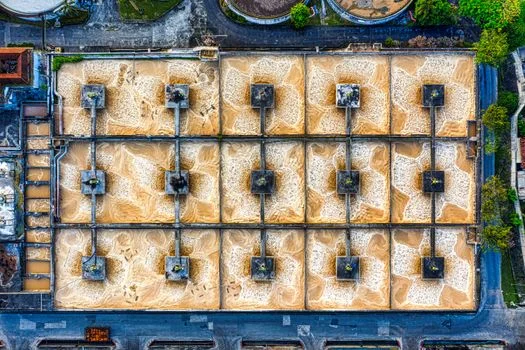
Designing or selecting a hospital wastewater treatment system in Chicago requires meticulous attention to specific engineering parameters to ensure both compliance and operational efficiency. Typical flow rates for a 300-bed hospital can range from 15,000 to 30,000 Gallons Per Day (GPD). Critical design consideration must include peak flow scenarios, which can be 2 to 3 times the average, especially accounting for surges from surgical suites and other high-usage areas, a factor underscored by MWRD's wet-weather retention strategies. Effluent discharge must consistently meet stringent limits: BOD below 30 mg/L, TSS below 30 mg/L, Fecal Coliform below 200/100mL, and pH maintained between 6.0 and 9.0, as per EPA 40 CFR Part 405. Emerging concerns around pharmaceuticals necessitate limits for priority pollutants, such as carbamazepine and ciprofloxacin, potentially below 1 µg/L, according to IEPA's 2025 draft guidelines. Pretreatment stages are vital to protect downstream processes and include effective screening (1–3 mm particle removal), an equalization tank providing 6 to 12 hours of retention to buffer flow and concentration variations, and precise pH adjustment to a range of 6.5–8.5. Biological treatment, crucial for achieving 95%+ BOD/COD removal, can be accomplished through Membrane Bioreactors (MBRs) employing 0.1 µm filtration, or conventional activated sludge processes with a Food-to-Microorganism (F/M) ratio of 0.05–0.15. MBRs offer distinct advantages: a significantly smaller footprint, higher Mixed Liquor Suspended Solids (MLSS) concentrations (8,000–12,000 mg/L), and superior pathogen removal (99.99%). For disinfection, achieving an 8-log inactivation of C. difficile and 4-log virus removal requires specific doses, such as a UV dose of 30–60 mJ/cm² at 254 nm, or chlorine dioxide application of 0.5–2 mg/L with a 30-minute contact time, aligning with EPA's LT2ESWTR. Tertiary treatment, often involving sand filtration for 10–20 µm particle removal or Dissolved Air Flotation (DAF) for 95% TSS polishing, further refines the effluent before discharge.
| Parameter | Typical Range/Requirement | Technology/Process | Chicago Specific Note |
|---|---|---|---|
| Average Flow Rate | 15,000–30,000 GPD (per 300-bed hospital) | System Sizing | Design for peak flows (2-3x average) |
| BOD Effluent Limit | < 30 mg/L | Biological Treatment (MBR, Activated Sludge) | MWRD Standard |
| TSS Effluent Limit | < 30 mg/L | Biological Treatment, Tertiary Filtration, DAF | MWRD Standard |
| Fecal Coliform Effluent Limit | < 200/100mL (30-day geo. mean) | Disinfection (UV, ClO₂) | MWRD Standard |
| Pharmaceuticals | < 1 µg/L (priority pollutants) | Advanced Treatment, MBR | IEPA 2025 Draft Guidance |
| Screening | 1–3 mm particle size | Primary Treatment | Protect downstream equipment |
| Equalization | 6–12 hours retention | Equalization Tank | Buffer flow and concentration variations |
| Biological Treatment Efficiency | 95%+ BOD/COD Removal | MBR, Activated Sludge | Critical for meeting BOD limits |
| Disinfection Dose | UV: 30–60 mJ/cm²; ClO₂: 0.5–2 mg/L | UV, Chlorine Dioxide | Achieve 8-log C. difficile inactivation |
Equipment Options: MBR vs. DAF vs. Activated Sludge for Hospital Wastewater
Choosing the right wastewater treatment technology is a critical decision for Chicago hospitals, balancing performance, footprint, and cost. Membrane Bioreactors (MBRs) are exceptionally well-suited for space-constrained hospital environments, offering a 60% smaller footprint compared to conventional activated sludge systems. MBRs deliver superior effluent quality with BOD consistently below 10 mg/L, TSS below 5 mg/L, and an impressive 99.99% pathogen removal rate. For a 20,000 GPD system, CAPEX typically ranges from $120,000 to $250,000, with OPEX around $0.80–$1.50 per GPD, including membrane replacement every 5–8 years. However, MBRs can have higher energy consumption (0.8–1.2 kWh/m³) and are sensitive to fats, oils, and grease (FOG). Dissolved Air Flotation (DAF) systems are an excellent choice for treating wastewater with high TSS and FOG loads, commonly found in hospital laundries and kitchens. DAF systems can achieve TSS below 30 mg/L and FOG below 10 mg/L. Their CAPEX for a 20,000 GPD unit is generally $80,000–$150,000, with OPEX between $0.30–$0.60 per GPD. DAF requires chemical dosing (coagulants/flocculants) and is less effective at removing soluble BOD. Activated sludge systems, while a proven technology, are best suited for larger hospital campuses with ample space. They can achieve BOD below 30 mg/L and TSS below 30 mg/L. CAPEX for a 20,000 GPD system is in the $100,000–$200,000 range, with OPEX at $0.40–$0.80 per GPD. Their primary limitations are a large footprint, the need for significant sludge management, and susceptibility to shock loads. When considering disinfection, UV offers a chemical-free option but has high energy demands, while chlorine dioxide provides residual disinfection and is effective against ARBs, though it requires careful monitoring to manage potential formation of trihalomethanes (THMs). Ozone offers the strongest oxidation but comes with a higher CAPEX. Many Chicago hospitals opt for chlorine dioxide disinfection due to its proven efficacy against ARBs, complementing systems like our Chlorine Dioxide (ClO₂) Generator. For facilities with particularly challenging influent, hybrid systems like DAF followed by MBR can effectively handle high FOG and TSS loads, while activated sludge combined with MBR is suitable for large university hospital campuses.
| Technology | Primary Application | Typical Effluent Quality (BOD/TSS) | Approx. CAPEX (20k GPD) | Approx. OPEX (per GPD) | Key Advantages | Key Limitations |
|---|---|---|---|---|---|---|
| MBR (Membrane Bioreactor) | Space-constrained hospitals, high pathogen removal needs | <10 mg/L / <5 mg/L | $120k–$250k | $0.80–$1.50 | Compact footprint, superior effluent quality, high pathogen removal | Higher energy use, sensitive to FOG, membrane replacement |
| DAF (Dissolved Air Flotation) | High TSS and FOG loads (laundry, kitchen) | N/A / <30 mg/L | $80k–$150k | $0.30–$0.60 | Effective for TSS/FOG, lower CAPEX | Requires chemicals, less effective for soluble BOD |
| Activated Sludge | Large hospitals with ample space | <30 mg/L / <30 mg/L | $100k–$200k | $0.40–$0.80 | Proven technology, cost-effective for large volumes | Large footprint, sludge management, sensitive to shock loads |
| UV Disinfection | Primary disinfection | N/A | Varies | Varies | Chemical-free | High energy consumption, no residual disinfection |
| Chlorine Dioxide (ClO₂) | Effective disinfection, ARB control | N/A | Varies (generator cost) | Varies (chemical cost) | Residual disinfection, effective against ARBs | Potential DBP formation, requires careful monitoring |
Cost Benchmarks: CAPEX, OPEX, and ROI for Hospital Wastewater Systems in Chicago
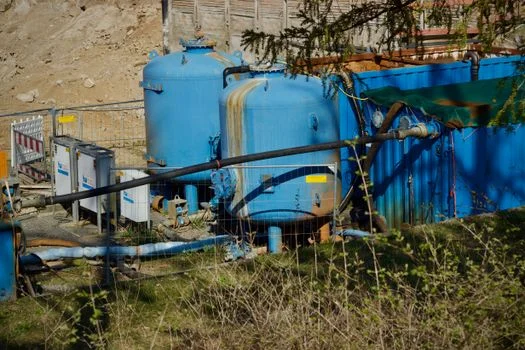
Budgeting for hospital wastewater treatment systems in Chicago requires a clear understanding of capital expenditure (CAPEX), operational expenditure (OPEX), and the potential return on investment (ROI). For 2026, CAPEX for systems ranging from 10,000 to 50,000 GPD can vary significantly, typically falling between $80,000 and $1.2 million, with MBR systems generally at the higher end, followed by activated sludge, and then DAF systems. Chicago's market may see a 10–15% premium due to higher labor costs and MWRD permit fees, which can range from $5,000 to $20,000 annually. OPEX is driven by several factors: energy consumption typically accounts for 30–40%, chemicals 20–30%, labor 15–25%, and maintenance 10–15%. MBR systems have OPEX of approximately $0.80–$1.50 per GPD, while DAF systems are more economical at $0.30–$0.60 per GPD. The ROI is significantly influenced by avoiding MWRD surcharges, which can cost $0.50–$2.00 per 1,000 gallons for high-strength waste. Additional savings can be realized through water reuse for non-potable applications ($3–$5 per 1,000 gallons). The threat of compliance penalties, ranging from $1,000 to $50,000 per day, also underscores the financial benefit of robust treatment. Specific Chicago costs include permitting fees of $10,000–$30,000 for engineering reports and sampling plans, and construction costs averaging $150–$300 per square foot for underground systems like our WSZ Underground Integrated Sewage Treatment. Hospitals can explore financing options, such as the Illinois EPA's Clean Water State Revolving Fund (CWSRF), which offers low-interest loans at rates as low as 1%, with 2025 funding availability. Northwestern Memorial Hospital, for instance, invested approximately $950,000 in CAPEX for a 30,000 GPD MBR system. This investment led to a reduction in BOD from 800 mg/L to under 10 mg/L, resulting in annual savings of $120,000 in MWRD surcharges, demonstrating a clear and compelling payback period.
| Cost Component | Typical Range (Chicago Area) | Factors Influencing Cost | Potential ROI Driver |
|---|---|---|---|
| CAPEX (10k–50k GPD Systems) | $80,000–$1,200,000 | Technology (MBR > Activated Sludge > DAF), site conditions, Chicago premium (10-15%) | Long-term operational savings, compliance assurance |
| OPEX (per GPD) | MBR: $0.80–$1.50; DAF: $0.30–$0.60 | Energy, chemicals, labor, maintenance, consumables | Efficient operation, optimized chemical usage |
| MWRD Permit Fees | $5,000–$20,000 annually | System complexity, discharge volume | N/A (regulatory requirement) |
| Permitting & Engineering | $10,000–$30,000 | Permit application complexity, engineering report scope | Ensures regulatory approval |
| Construction (Underground) | $150–$300/sq. ft. | Excavation, materials, labor | Site-specific cost |
| Surcharge Avoidance | $0.50–$2.00 per 1,000 gallons | Influent strength, MWRD surcharge rates | Direct operational cost saving |
| Water Reuse Savings | $3–$5 per 1,000 gallons | Non-potable water demand | Reduced potable water purchase |
| Penalty Avoidance | $1,000–$50,000 per day | Severity and duration of violation | Mitigates significant financial risk |
Zero-Risk Compliance Checklist for Chicago Hospitals
Achieving and maintaining zero-risk compliance for hospital wastewater in Chicago involves a systematic, proactive approach. The initial step is to meticulously complete and submit the MWRD Pretreatment Permit Application at least six months prior to planned discharge. This application must include a comprehensive engineering report detailing the treatment system design and performance, a robust sampling plan outlining monitoring frequencies and parameters, a detailed emergency response protocol for spills or system failures, and a spill prevention plan. Regular self-monitoring is crucial; conduct monthly sampling for key parameters such as pH, BOD, TSS, fecal coliform, and relevant priority pollutants like carbamazepine. Be prepared for quarterly MWRD inspections, during which inspectors will verify compliance and may collect their own samples from influent, effluent, and equalization tanks. Annual reports must be submitted to both MWRD and IEPA, documenting discharge volumes, contaminant levels, and any corrective actions taken. An effective emergency response plan is non-negotiable, requiring readily available spill kits with appropriate absorbents and neutralizers, reliable backup power for critical treatment systems, and 24/7 alarm monitoring for early detection of issues. MWRD provides a dedicated spill reporting hotline for immediate notification. annual staff training on proper wastewater handling, chemical safety, and spill response procedures, in compliance with OSHA 1910.120, is mandatory. Finally, maintain meticulous documentation for at least five years, including all sampling results, maintenance logs, and records of permit renewals, as MWRD may conduct audits to verify ongoing compliance. For specialized medical waste streams, consider compact solutions like our Medical & Hospital Wastewater Treatment System.
Frequently Asked Questions
Q1: What are the primary contaminants in hospital wastewater that differ from municipal wastewater?
Hospital wastewater contains a higher concentration of pharmaceuticals (antibiotics, chemotherapy drugs), pathogens, and organic compounds (high BOD/COD), along with potential for antibiotic-resistant bacteria and endocrine disruptors.
Q2: What are the key regulatory bodies overseeing hospital wastewater discharge in Chicago?
The primary regulatory bodies are the U.S. Environmental Protection Agency (EPA), the Illinois Environmental Protection Agency (IEPA), and the Metropolitan Water Reclamation District of Greater Chicago (MWRD).
Q3: What is the typical flow rate generated by a hospital in Chicago?
A 300-bed hospital typically generates between 15,000 and 30,000 Gallons Per Day (GPD), but systems must be designed to handle peak flows.
Q4: Are there specific pretreatment requirements for hospitals in Chicago?
Yes, pretreatment often includes screening, equalization, and pH adjustment to protect downstream biological processes and meet MWRD discharge limits.
Q5: What is the difference between MBR and DAF for hospital wastewater treatment?
MBRs offer superior effluent quality and pathogen removal in a smaller footprint, ideal for high-strength organic wastewater. DAF is best for removing solids and FOG, often used as a pre-treatment step or for specific waste streams like laundry.
Q6: How can hospitals in Chicago finance their wastewater treatment system upgrades?
Hospitals can explore options like the Illinois EPA's Clean Water State Revolving Fund (CWSRF) for low-interest loans.
Q7: What are the penalties for non-compliance with MWRD discharge limits?
Penalties can include daily fines of $1,000 to $50,000, mandatory system upgrades, and public disclosure of violations.
Q8: Is advanced disinfection necessary for hospital wastewater?
Yes, due to the high pathogen load, advanced disinfection methods like UV or chlorine dioxide are typically required to meet MWRD limits for fecal coliform and E. coli.
Related Equipment
- MBR systems for hospital wastewater — view specifications, capacity range, and technical data
- DAF systems for high-TSS hospital wastewater — view specifications, capacity range, and technical data
Need a customized solution? Request a free quote with your specific flow rate and pollutant parameters.