Sewage Treatment Equipment Suppliers in Hawalli: 2025 Engineering Specs, Costs & Zero-Risk Selection Guide
Hawalli’s industrial sector faces strict wastewater discharge limits under Kuwait’s KEPA Decree 210/2001, requiring TSS ≤30 mg/L and COD ≤125 mg/L for most applications. Top suppliers like Al-Waha Environmental Solutions and Kuwait WaterTech Industries offer DAF systems achieving 95% TSS removal and MBR systems with <1 μm filtration—critical for oil/gas and food processing projects. This guide provides 2025 engineering specs, cost benchmarks, and a zero-risk selection framework to match equipment to your effluent profile and compliance needs.
Kuwait’s Wastewater Compliance Landscape: What Hawalli Industrial Buyers Must Know
Kuwait’s Environment Public Authority (KEPA) enforces Decree 210/2001, which dictates that any industrial facility discharging into municipal sewers or the environment must meet stringent effluent quality standards. For the majority of industrial zones in Hawalli, the baseline requirements for discharge include Total Suspended Solids (TSS) of ≤30 mg/L, Chemical Oxygen Demand (COD) of ≤125 mg/L, and Oil & Grease levels of ≤10 mg/L. However, sector-specific variances exist; for instance, the oil and gas sector may be permitted TSS levels up to 50 mg/L depending on the specific discharge point and secondary treatment capabilities (KEPA Regulatory Standards, 2024).
A critical 2023 update to KEPA regulations now mandates real-time monitoring for pH, TSS, COD, and flow rate for facilities with a discharge volume exceeding 50 m³/day. This data must be logged and retained for a minimum of five years to facilitate spot audits. Failure to comply with these monitoring standards or exceeding discharge limits can result in severe penalties, including fines up to 50,000 KWD and immediate plant shutdowns, as evidenced by KEPA’s 2024 enforcement data which showed a 15% increase in administrative closures for non-compliant industrial sites in the Hawalli and Ahmadi districts.
Kuwait’s 2030 Water Security Plan targets a 60% wastewater reuse rate across the industrial sector. This shift means procurement managers must prioritize equipment that supports tertiary treatment, such as ultrafiltration or reverse osmosis, to enable non-potable reuse in irrigation or cooling towers. The KEPA pre-approval process for new systems requires a technical dossier including process flow diagrams (PFDs) and, for flows exceeding 50 m³/h, documented results from pilot testing to prove the system can handle the specific chemical profile of the site’s effluent.
| Parameter | Standard Industrial Limit (KEPA) | Oil & Gas Sector Variance | Monitoring Frequency |
|---|---|---|---|
| Total Suspended Solids (TSS) | ≤30 mg/L | ≤50 mg/L | Real-time / Daily |
| Chemical Oxygen Demand (COD) | ≤125 mg/L | ≤150 mg/L | Real-time / Daily |
| Oil and Grease (FOG) | ≤10 mg/L | ≤15 mg/L | Weekly Lab Test |
| pH Level | 6.5 – 8.5 | 6.0 – 9.0 | Continuous |
| Biological Oxygen Demand (BOD) | ≤20 mg/L | ≤40 mg/L | Weekly Lab Test |
Sewage Treatment Technologies for Hawalli’s Industrial Wastewater: Head-to-Head Specs
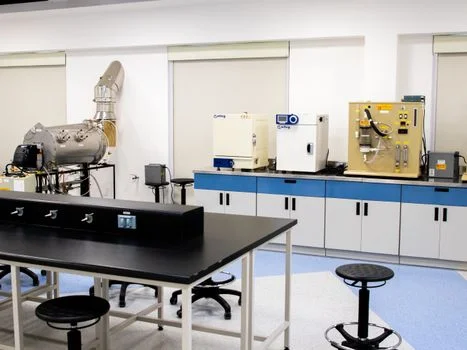
Dissolved Air Flotation (DAF) systems remain the primary choice for Hawalli’s food processing and petrochemical sectors due to their ability to handle high concentrations of fats, oils, and grease (FOG). Modern DAF systems for Hawalli’s high-FOG wastewater achieve 92–97% TSS removal and 60–80% FOG removal by utilizing microbubbles (20–50 μm) to float solids to the surface for mechanical skimming. In applications where space is at a premium, Membrane Bioreactor (MBR) technology offers a significant advantage. Integrated MBR systems with 99% pathogen removal for KEPA compliance provide <1 μm filtration, effectively replacing secondary clarifiers and sand filters while occupying a 60% smaller footprint than conventional activated sludge systems.
For smaller commercial developments or space-constrained industrial sites, WSZ Series underground plants for Hawalli’s space-constrained sites offer capacities ranging from 1 to 80 m³/h. These systems are fully automated, requiring minimal operator intervention, and are designed for subsurface installation to preserve surface real estate. Precision in chemical dosing is also a prerequisite for meeting KEPA standards; automated dosing skids now provide pH adjustment within a ±0.1 range and coagulant dosing accuracy of ±2%, ensuring that chemical consumption is optimized while preventing effluent "spikes."
Sludge management is the largest contributor to OPEX in Kuwait. High-efficiency sludge dewatering equipment, such as plate-and-frame filter presses, can achieve 35–40% dry solids compared to the 20–25% typically reached by traditional centrifuges. This difference can reduce sludge disposal volumes—and associated hauling costs—by up to 40% (HydropureWater field data, 2025). When evaluating energy consumption, MBR systems typically range from 0.6 to 1.2 kWh/m³, whereas DAF systems combined with aerobic treatment average 0.4 to 0.8 kWh/m³, depending on the organic loading rate.
| Technology Type | TSS Removal Efficiency | Footprint Requirement | Energy Consumption (kWh/m³) | Primary Application |
|---|---|---|---|---|
| DAF | 92% – 97% | Moderate | 0.3 – 0.5 | Food Processing, Oil/Gas |
| MBR (DF Series) | >99% | Low (Compact) | 0.7 – 1.2 | Municipal Reuse, High-COD |
| Package Plant (WSZ) | 85% – 90% | Minimal (Underground) | 0.5 – 0.8 | Commercial, Small Factories |
| SBR (Batch Reactor) | 88% – 94% | High | 0.4 – 0.6 | Variable Flow Projects |
Top 5 Sewage Treatment Equipment Suppliers in Hawalli: Engineering Specs Compared
Selecting a supplier in Hawalli requires balancing technical performance with local support capabilities. Al-Waha Environmental Solutions specializes in custom industrial systems, offering capacities up to 500 m³/h. Their DAF units are frequently cited in oil/gas projects for achieving 95% TSS removal under high-salinity conditions. Kuwait WaterTech Industries provides KEPA-certified integrated solutions, with a strong focus on MBR systems that meet the 99% pathogen removal threshold required for Kuwait’s 2030 water reuse targets. Their systems are often preferred for municipal-grade industrial projects due to their robust automation suites.
Gulf Green Systems offers compact granulator and filtration systems designed for flow rates of 10–200 m³/h. They are notable for providing a 10-year membrane warranty, which is significantly higher than the industry standard. HydropureWater focuses on modularity through the WSZ Series, which offers a 30% lower CAPEX than custom-engineered builds by using standardized components and pre-fabricated tanks. This modularity allows for rapid deployment—often within 12 weeks—making them a primary choice for EPC contractors under tight deadlines. Finally, Al Fada Systems leverages 25 years of experience in the Kuwaiti market, focusing on the oil/gas sector with chemical dosing systems that maintain ±1% accuracy, essential for complex produced water treatment.
The following scorecard evaluates these suppliers based on 2025 performance data, focusing on their ability to support KEPA compliance and provide local technical assistance.
| Supplier | Compliance Support | Lead Time (Weeks) | Local Service Availability | Core Tech Strength |
|---|---|---|---|---|
| Al-Waha Environmental | 5/5 | 16–20 | 24/7 On-site | High-capacity DAF |
| Kuwait WaterTech | 5/5 | 18–22 | Remote + On-site | MBR & Reuse |
| Gulf Green Systems | 4/5 | 14–18 | Standard Business | Filtration/Granulators |
| HydropureWater | 4/5 | 12–16 | Regional Support | Modular WSZ Systems |
| Al Fada Systems | 5/5 | 20–24 | 24/7 On-site | Chemical Dosing/Oil-Gas |
2025 Cost Breakdown for Hawalli Sewage Treatment Projects: CAPEX, OPEX & ROI
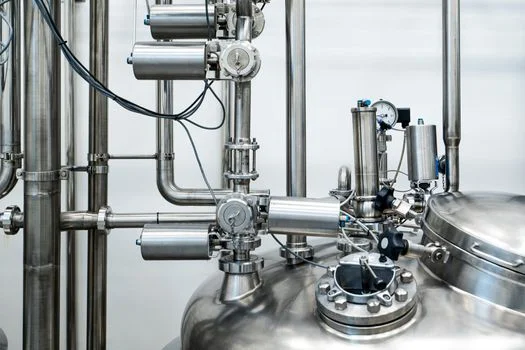
Budgeting for sewage treatment in Hawalli involves understanding both the initial capital outlay and the long-term operational costs influenced by Kuwait's utility rates and labor. CAPEX for DAF systems in 2025 ranges from 50 to 200 KWD per m³/h of capacity, depending on the material of construction (e.g., 304 vs. 316 stainless steel). MBR systems command a higher premium, typically 150 to 400 KWD per m³/h, due to the cost of high-flux membranes and advanced aeration controls. Underground package plants offer a middle ground, ranging from 80 to 250 KWD per m³/h. These figures align with global cost benchmarks for industrial wastewater treatment, though local logistics and KEPA certification fees add approximately 10-15% to the total project cost.
OPEX is driven primarily by energy and chemical consumption. In Hawalli, energy costs for wastewater treatment average 0.3 to 0.8 KWD per m³ of treated effluent. Chemical costs, including coagulants and polymers, add another 0.1 to 0.4 KWD per m³. Membrane replacement is the most significant periodic expense for MBR users, occurring every 5 to 8 years and costing roughly 20-30% of the original CAPEX. However, ROI is increasingly realized through sludge disposal savings. For example, a Hawalli food processing plant documented a 120,000 KWD annual saving in 2024 by upgrading from traditional clarifiers to a high-efficiency DAF system, which reduced sludge volume by 45% (Industry Case Study, 2024).
Financing these projects has become more accessible through the Industrial Bank of Kuwait, which offers specialized loans for environmental compliance projects with interest rates currently between 5% and 7%. Some suppliers also offer leasing programs or ESCO (Energy Service Company) models, where the equipment cost is offset by guaranteed energy and water savings over a 5-to-10-year period.
| System Type | CAPEX (KWD/m³/h) | OPEX (KWD/m³) | Payback Period (Months) |
|---|---|---|---|
| Dissolved Air Flotation | 50 – 200 | 0.4 – 0.7 | 18 – 24 |
| MBR System | 150 – 400 | 0.8 – 1.3 | 30 – 42 |
| Underground Package (WSZ) | 80 – 250 | 0.5 – 0.9 | 24 – 36 |
| Tertiary RO (Reuse) | 200 – 450 | 1.2 – 1.8 | 36 – 48* |
*Payback for RO is accelerated by water reuse rebates under the 2030 Plan.
Zero-Risk Selection Framework: How to Choose the Right Supplier for Your Hawalli Project
To avoid the common pitfalls of non-compliance and unplanned downtime, procurement managers should follow a structured evaluation framework when selecting a how DAF systems achieve 95%+ FOG/TSS removal in industrial wastewater solution or MBR provider.
- Step 1: Define Effluent Profile: Conduct comprehensive lab testing over a 7-day production cycle to determine peak loads of TSS, COD, FOG, and pH. Suppliers must demonstrate how their equipment handles these specific peaks, not just average flows.
- Step 2: Verify KEPA Compliance: Request third-party certified test reports from the supplier’s existing installations in Kuwait. Ensure the equipment can consistently meet the TSS ≤30 mg/L limit under varying influent conditions.
- Step 3: Assess Local Service: A supplier must have Hawalli-based or Kuwait-based technicians. Verify their guaranteed response time; for critical industrial processes, a response time of ≤4 hours is the industry benchmark.
- Step 4: Compare Warranties: Demand a minimum of 2 years for mechanical components and 5 years for membranes. Ensure the warranty covers performance (effluent quality), not just mechanical failure.
- Step 5: Request Local References: Visit at least two operational sites in Kuwait with a similar effluent profile. Speak with the plant engineers about the actual vs. theoretical energy consumption and chemical use.
- Step 6: Mandate Pilot Testing: For any flow exceeding 50 m³/h, a 4–6 week pilot trial is mandatory under KEPA guidelines for new technologies. Use this period to establish a performance guarantee that becomes part of the final purchase contract.
By following this framework, buyers can mitigate the risks associated with the high-salinity and high-temperature wastewater common in Hawalli, ensuring long-term operational stability. For more context on regional variations, you may also consider how suppliers in neighboring markets compare to Hawalli’s options.
Frequently Asked Questions
What are the KEPA discharge limits for industrial wastewater in Hawalli?
KEPA Decree 210/2001 sets TSS ≤30 mg/L, COD ≤125 mg/L, and oil/grease ≤10 mg/L for most industrial sectors. Oil and gas projects may be granted higher TSS limits of up to 50 mg/L depending on the specific environmental impact assessment (EIA).
How much does a DAF system cost for a 100 m³/h Hawalli food processing plant?
The CAPEX typically ranges from 50,000 to 100,000 KWD. OPEX is estimated at 0.4 to 0.7 KWD/m³. Most plants see a payback period of 18 to 24 months due to the significant reduction in sludge disposal and hauling fees.
Can MBR systems handle high-salinity wastewater from Hawalli’s oil/gas sector?
Yes, but they require salt-tolerant membranes, such as the HydropureWater DF Series. Pilot testing is mandatory for any effluent with salinity exceeding 5,000 mg/L to ensure membrane flux rates remain stable over time.
What’s the lead time for a turnkey sewage treatment plant in Hawalli?
Modular systems like the WSZ Series typically have a lead time of 12–16 weeks. Custom-engineered plants for large industrial applications require 20–24 weeks. Note that KEPA technical approval can add an additional 4–6 weeks to the project timeline.
Do suppliers offer financing for Hawalli projects?
Yes. Options include loans from the Industrial Bank of Kuwait (5–7% interest), supplier-direct leasing programs, and ESCO models where the system is paid for through documented utility and waste disposal savings.