Sumatra’s Wastewater Challenge: Why PP 82/2001 Compliance Fails Without the Right Equipment
Sumatra’s industrial wastewater—especially from palm oil mills (COD > 5,000 mg/L) and rubber processing (TSS > 1,000 mg/L)—requires sewage treatment equipment that meets Indonesia’s PP 82/2001 discharge limits (BOD ≤ 50 mg/L, COD ≤ 100 mg/L) while handling remote logistics and high organic loads. In 2026, suppliers like HydropureWater offer Sumatra-optimized solutions: MBR systems (effluent COD ≤ 50 mg/L, 60% smaller footprint) for space-constrained sites, DAF units (92–97% TSS removal) for high-solid streams, and underground WSZ plants (IDR 1.5B–4B CAPEX) for rural installations. This guide provides Sumatra-specific engineering specs, cost benchmarks, and a zero-risk supplier selection framework.
For a palm oil mill manager in Riau or a rubber plant operator in Medan, the frustration of a failed compliance test is often rooted in equipment that cannot handle Sumatra's unique influent characteristics. While standard systems might work for municipal sewage, Sumatra’s top three industrial sources—palm oil, rubber, and textiles—produce wastewater that far exceeds the design capacity of generic plants. Palm oil mill effluent (POME) frequently reaches COD levels above 5,000 mg/L, while rubber processing creates total suspended solids (TSS) exceeding 1,000 mg/L. Textile operations in regions like Lampung often struggle with heavy metals, such as Hexavalent Chromium (Cr(VI)) levels above 0.1 mg/L. All of these exceed the stringent PP 82/2001 limits, which mandate BOD ≤ 50 mg/L and TSS ≤ 50 mg/L.
Compliance is further complicated by regional enforcement gaps. Sumatra’s decentralized environmental agencies interpret PP 82/2001 with varying levels of intensity. For instance, Bapedalda Aceh may prioritize different parameters compared to environmental offices in Riau or North Sumatra. This creates a landscape of compliance uncertainty where a "one-size-fits-all" equipment approach often leads to regulatory friction. Suppliers must provide local case studies to prove their systems can adapt to these regional nuances.
The cost of non-compliance has never been higher. Per 2024 KLHK (Ministry of Environment and Forestry) data, fines can reach IDR 5B (approximately USD 320,000), with the additional risk of one-year mandatory shutdowns. Beyond legal penalties, Sumatra’s exporters face increasing pressure from international markets, such as the EU’s deforestation and environmental regulations, where a history of environmental violations can terminate supply contracts. Sumatra’s remote logistics—such as the high cost of transporting heavy machinery from Medan to Aceh or the delays caused by the monsoon season—mean that equipment must be selected based on modularity and ease of installation to avoid project overruns.
PP 82/2001 Discharge Limits for Sumatra: What Your Effluent Must Achieve (And How to Get There)
Achieving compliance in Sumatra requires a technical roadmap that translates the general mandates of PP 82/2001 into industry-specific engineering targets. The regulation defines Class II water quality standards, but for industrial discharge, the focus remains on BOD, COD, TSS, pH, and specific heavy metals. For high-organic industries like palm oil, the removal efficiency required is often staggering, sometimes exceeding 98% for COD. This necessitates a multi-stage approach where DAF systems for Sumatra’s high-TSS rubber processing wastewater serve as a critical pre-treatment step before biological processes take over.
Sumatra’s climate adds another layer of complexity. Seasonal variations, particularly monsoon-driven influent spikes, can overwhelm biological systems with sudden hydraulic surges. Equipment must be engineered with equalization tanks and variable-speed blowers to maintain steady-state performance. Without these features, the biomass in a treatment plant can be "washed out," leading to compliance failure that takes weeks to rectify. In rubber processing, chemical precipitation for Sumatra’s rubber wastewater is often required to address nutrient imbalances before the water enters the main treatment stream.
| Industry Type | Key Parameter | Typical Influent (mg/L) | PP 82/2001 Limit (mg/L) | Required Removal Efficiency |
|---|---|---|---|---|
| Palm Oil (POME) | COD | 5,000 – 50,000 | ≤ 100 | 98.0% - 99.8% |
| Rubber Processing | TSS | 1,000 – 2,500 | ≤ 50 | 95.0% - 98.0% |
| Textile / Dyeing | BOD | 400 – 800 | ≤ 50 | 87.5% - 93.7% |
| Food Processing | Oil & Grease | 150 – 500 | ≤ 10 | 93.3% - 98.0% |
| All (General) | pH | 4.0 – 11.0 | 6.0 – 9.0 | Neutralization Required |
MBR vs DAF vs WSZ: Which Sewage Treatment System Fits Sumatra’s Industrial Needs?
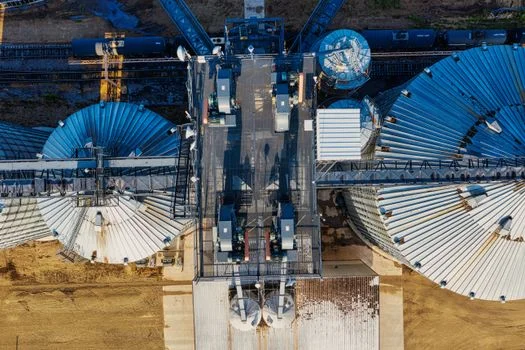
Selecting the right technology depends on the specific organic load, space availability, and the skill level of the plant operators. In Sumatra’s industrial corridors, three technologies dominate the market: Membrane Bioreactors (MBR), Dissolved Air Flotation (DAF), and Integrated Underground Sewage Treatment Plants (WSZ). Each offers distinct advantages for different Sumatra-specific scenarios.
MBR systems for Sumatra’s high-COD palm oil mill effluent are the gold standard for high-quality effluent. By replacing the secondary clarifier of a traditional activated sludge system with a membrane filter, MBRs achieve an effluent COD below 50 mg/L consistently. This is ideal for space-constrained sites in Medan or Palembang, as the footprint is roughly 60% smaller than conventional plants. However, MBRs require skilled maintenance, particularly for the PVDF membranes which typically last 5–7 years in Sumatra’s tropical climate before requiring replacement.
For industries dealing with high solids, such as rubber processing or food manufacturing, DAF units are indispensable. DAF systems use micro-bubbles to float suspended solids and oils to the surface for mechanical skimming. While DAF is highly effective (92–97% TSS removal), it requires consistent chemical dosing of coagulants and flocculants. This introduces an operational cost and a sludge disposal requirement that must be budgeted for, typically ranging from IDR 200,000 to 500,000 per ton of sludge.
For rural palm oil plantations or remote worker housing, WSZ underground sewage treatment plants for Sumatra’s rural sites offer a "set and forget" solution. These systems are buried, preserving surface land for plantation use or infrastructure. They are fully automated, which is a major advantage in remote areas where finding specialized wastewater engineers is difficult. While limited to flow rates below 80 m³/h per unit, they are easily scalable by installing multiple units in parallel.
| Criteria | MBR (Membrane Bioreactor) | DAF (Dissolved Air Flotation) | WSZ (Underground Integrated) |
|---|---|---|---|
| Effluent Quality (COD) | < 50 mg/L (Excellent) | Pre-treatment only | < 100 mg/L (Good) |
| Footprint | Minimal (60% saving) | Moderate | Zero (Underground) |
| Primary Use Case | High-COD / Reuse | High TSS / Oil & Grease | Remote sites / Rural |
| CAPEX (Sumatra Avg) | IDR 3B – 12B | IDR 1B – 5B | IDR 1.5B – 4B |
| OPEX (Energy/Chem) | High (Energy) | High (Chemicals) | Low (Automated) |
| Operator Skill | High | Medium | Low |
| Compliance Ease | Highest | Moderate (Needs Bio step) | High |
| Maintenance | Membrane cleaning | Sludge scraping | Annual inspection |
Sumatra Sewage Treatment Costs 2026: CAPEX, OPEX, and Hidden Expenses to Budget For
Budgeting for a sewage treatment plant in Sumatra requires more than just the equipment purchase price. CAPEX in 2026 is heavily influenced by material choices—FRP (Fiber Reinforced Plastic) is often preferred over concrete for faster installation in remote areas—and the level of automation required. A standard WSZ system for a small facility might start at IDR 1.5B, while a large-scale MBR system for a major textile mill can exceed IDR 12B. (HydropureWater field data, 2025).
OPEX is the silent killer of wastewater budgets. In Sumatra, energy costs typically account for 30–50% of OPEX, especially for MBR systems that require constant aeration. For a 50 m³/h MBR system, energy costs can range from IDR 1.2M to 2.5M per month. Chemical costs for DAF systems can add another 10–20% to the monthly bill. Labor costs, while lower in Sumatra than in Java (averaging IDR 3M–5M per month for operators), must still be accounted for, alongside the cost of sludge disposal, which remains a significant logistical hurdle in the highlands.
Hidden costs are frequently overlooked during the procurement phase. Remote installation in provinces like Aceh or West Sumatra can add a 20% premium to CAPEX due to transport logistics and the need to mobilize specialized technical teams. Monsoon delays can extend project timelines by 15%, increasing indirect costs. mandatory compliance testing by accredited labs can cost between IDR 5M and 15M per test cycle. However, the ROI remains strong: a 50 m³/h system that prevents a single IDR 5B fine and allows for water reuse in palm oil irrigation can pay for itself within 3 to 5 years.
| Expense Category | Typical Cost (Sumatra 2026) | Notes / Factors |
|---|---|---|
| MBR CAPEX (50 m³/h) | IDR 4B – 7B | Includes membranes and control logic |
| DAF CAPEX (50 m³/h) | IDR 2B – 4B | Includes dosing pumps and scrapers |
| Remote Logistics | +15% to 25% of CAPEX | Medan to remote Aceh/Riau sites |
| Energy OPEX | IDR 800 - 1,500 / m³ treated | MBR is at the higher end of this range |
| Sludge Disposal | IDR 300,000 / ton | Transport to licensed B3 facility |
| Spare Parts (MBR) | IDR 50M – 100M / year | Membrane chemical cleaning/replacement |
How to Vet Sewage Treatment Equipment Suppliers for Sumatra: A Zero-Risk Checklist
Selecting a supplier in Sumatra requires a framework that prioritizes local experience and compliance guarantees over the lowest initial bid. Many Jakarta-based suppliers lack the logistical network to support installations in the deep interior of Sumatra. A zero-risk supplier should be able to demonstrate a track record of handling high-organic loads specific to the region's dominant industries.
When vetting potential partners, procurement managers should utilize the following checklist to identify red flags:
- Local Case Studies: Can the supplier provide at least three case studies from Sumatra with verifiable influent and effluent data?
- Compliance Guarantee: Does the contract include a performance bond or liquidated damages (e.g., IDR 100M/day) if the system fails to meet PP 82/2001 limits?
- Remote Support: Does the equipment include IoT sensors for 24/7 remote monitoring of pH, DO, and flow? Can technicians be on-site within 48 hours?
- KLHK Registration: Is the supplier registered with the Ministry of Environment and Forestry’s SIMPEL/SIMRAL database?
- Monsoon Resilience: How does the system design handle hydraulic spikes during Sumatra’s heavy rain seasons?
Red flags include suppliers with no local technicians in major hubs like Medan or Palembang, or those who offer vague "compliance with standards" without specifying the exact BOD and COD limits they guarantee. Performance bonds, typically 10% of the CAPEX, are essential to ensure the supplier remains committed to the project until final commissioning and KLHK approval are secured.
Case Study: How a Medan Rubber Factory Achieved 95% COD Removal with DAF + WSZ
A rubber processing factory located on the outskirts of Medan faced an urgent compliance crisis in late 2024. Their existing lagoon-based treatment system was failing to meet PP 82/2001 standards, with effluent COD levels hovering at 450 mg/L—well above the 100 mg/L limit. With local environmental authorities threatening a shutdown and a potential IDR 3B fine, the plant required a rapid, high-efficiency upgrade.
The solution involved a dual-stage approach. First, a DAF system for Sumatra’s high-TSS rubber processing wastewater was installed to tackle the massive solids load. This pre-treatment achieved a 92% reduction in TSS, protecting the subsequent biological stage. For the main treatment, a WSZ underground sewage treatment plant for Sumatra’s rural sites was selected due to limited surface space at the factory. The total CAPEX for the project was IDR 2.8B, and the installation was completed in six months, despite two months of heavy monsoon rain.
The results were immediate. Effluent COD dropped to ≤ 50 mg/L, BOD to ≤ 20 mg/L, and TSS to ≤ 30 mg/L. The factory not only avoided legal penalties but also reduced its labor costs by 40% due to the WSZ’s automated control system. While sludge disposal costs were 30% higher than initially budgeted (averaging IDR 300,000/ton), the overall operational stability and compliance peace of mind provided a clear return on investment. HydropureWater provided the equipment and a 5-year performance guarantee, backed by their Medan-based technical team.
Frequently Asked Questions
Q: What’s the best sewage treatment system for a palm oil mill in Aceh?
A: MBR systems are ideal for Aceh’s high-COD wastewater (COD > 5,000 mg/L), delivering effluent COD ≤ 50 mg/L with a 60% smaller footprint than conventional systems. A 50 m³/h MBR system typically costs IDR 4B–6B CAPEX and has an energy OPEX of approximately IDR 1.5M/month.
Q: How much does it cost to install a sewage treatment plant in Medan?
A: CAPEX ranges from IDR 1.5B for a basic WSZ system (10 m³/h) to IDR 12B for a large-scale MBR plant (100 m³/h). Buyers should budget an additional IDR 500M–1B for remote logistics if the site is far from Medan and IDR 300M for comprehensive compliance testing and commissioning.
Q: What are Sumatra’s discharge limits for rubber processing wastewater?
A: Under PP 82/2001, the limits are BOD ≤ 50 mg/L, COD ≤ 100 mg/L, TSS ≤ 50 mg/L, and pH 6–9. Because rubber wastewater is high in solids, DAF pre-treatment is almost always required to achieve 92–97% TSS removal before biological treatment can be effective.
Q: Can I reuse treated sewage water in Sumatra?
A: Yes, particularly for non-potable uses like palm oil plantation irrigation or cooling water. MBR effluent (COD ≤ 50 mg/L) is high-quality and safe for reuse, potentially saving a large mill up to IDR 500M/year in raw water costs. For higher standards, see Bali’s wastewater treatment standards and cost benchmarks for a comparison of reuse models.
Q: How do I ensure my sewage treatment system complies with Sumatra’s regional regulations?
A: You must work with suppliers who provide specific PP 82/2001 compliance guarantees and have a portfolio of Sumatra-based projects. Always verify the supplier's standing with the KLHK’s online database (https://simral.menlhk.go.id) and ensure the system is designed for the high organic loads found in North Sumatra and Riau.