Display panel manufacturing generates wastewater laden with heavy metals (Cu, Ni, Cr, Sn, Pb) at concentrations up to 500 mg/L—far exceeding China’s GB 21900-2008 limits (0.5–1.0 mg/L for most metals). In 2025, integrated treatment systems combining chemical precipitation (99% removal), dissolved air flotation (DAF, 95% TSS reduction), and membrane bioreactors (MBR, <1 μm filtration) achieve zero liquid discharge (ZLD) while recovering 90%+ of process water. Systems like HydropureWater’s DAF and MBR modules are pre-engineered for display panel influent, reducing CAPEX by 30% compared to custom builds.
Why Display Panel Wastewater is a Compliance Nightmare
Display panel manufacturing, encompassing TFT-LCD, OLED, and touchscreen technologies, generates 3–10 m³ of wastewater per m² of panel produced, heavily contaminated with metals from various process steps. This effluent contains high concentrations of heavy metals such as Copper (Cu), Nickel (Ni), Chromium (Cr), Tin (Sn), Lead (Pb), and Silver (Ag) originating from etching, chemical mechanical polishing (CMP), and plating processes. China’s GB 21900-2008 standard, for instance, mandates effluent limits of ≤0.5 mg/L for Cu/Ni and ≤0.1 mg/L for Cr(VI), with violations triggering substantial penalties. For example, a display panel factory in Shenzhen faced a $2 million fine in 2023 for persistent Cu/Ni violations, leading to a temporary production halt, demonstrating the severe regulatory risks. Untreated discharge also poses significant environmental and infrastructure threats; Cu/Ni accelerate municipal sewer pipe degradation by 300%, according to EPA 2024 corrosion studies, while Sn/Pb bioaccumulate in local aquifers. off-site wastewater hauling costs range from $0.50–$2.00/m³ (2025 data), making on-site treatment a 30–50% more cost-effective solution for facilities processing over 500 m³/day.
Heavy Metal Sources in Display Panel Manufacturing: A Process-by-Process Breakdown
Identifying the specific sources of heavy metals within display panel manufacturing processes is critical for designing targeted and efficient wastewater treatment systems. Etching processes, common in both TFT-LCD and OLED panel fabrication, are significant contributors, releasing Copper (Cu) at 200–500 mg/L, Nickel (Ni) at 50–150 mg/L, and Tin (Sn) at 30–80 mg/L from acid/alkaline baths containing chemicals like HCl, H₂SO₄, and TMAH. Chemical Mechanical Polishing (CMP) operations introduce Copper (Cu) at 100–300 mg/L, Chromium (Cr) at 10–50 mg/L, and Silver (Ag) at 5–20 mg/L from slurry abrasives such as silica and alumina. For touchscreen manufacturing, plating processes are a primary source of Nickel (Ni) at 80–200 mg/L and Hexavalent Chromium (Cr(VI)) at 20–100 mg/L from electroless nickel and hard chrome plating baths. Additionally, developer and stripper wastewater, typically containing NMP and TMAH for photoresist removal, contribute Lead (Pb) at 10–40 mg/L and Tin (Sn) at 20–60 mg/L. A typical process flow diagram for display panel manufacturing would illustrate these stages, highlighting where each metal enters the wastewater stream, alongside their influent concentrations and the stringent regulatory limits imposed by standards like China’s GB 21900-2008 and US EPA guidelines. For comprehensive treatment solutions including fluoride removal, refer to our guide on fluoride wastewater treatment for display panels.
| Process Stage | Primary Metals | Typical Influent Concentration (mg/L) | GB 21900-2008 Effluent Limit (mg/L) | US EPA Effluent Guidelines (mg/L) |
|---|---|---|---|---|
| Etching (TFT-LCD/OLED) | Cu, Ni, Sn | Cu: 200–500, Ni: 50–150, Sn: 30–80 | Cu: ≤0.5, Ni: ≤0.5, Sn: N/A | Cu: ≤1.0, Ni: ≤1.0, Sn: N/A |
| Chemical Mechanical Polishing (CMP) | Cu, Cr, Ag | Cu: 100–300, Cr: 10–50, Ag: 5–20 | Cu: ≤0.5, Cr(VI): ≤0.1, Ag: N/A | Cu: ≤1.0, Cr: ≤0.5, Ag: N/A |
| Plating (Touchscreens) | Ni, Cr(VI) | Ni: 80–200, Cr(VI): 20–100 | Ni: ≤0.5, Cr(VI): ≤0.1 | Ni: ≤1.0, Cr: ≤0.5 |
| Developer/Stripper | Pb, Sn | Pb: 10–40, Sn: 20–60 | Pb: ≤0.2, Sn: N/A | Pb: ≤0.2, Sn: N/A |
Treatment Train Design: How to Achieve 99.9% Heavy Metal Removal
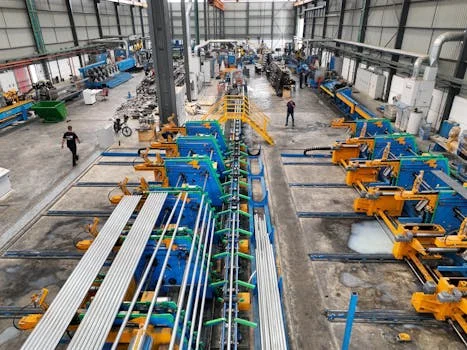
Achieving 99.9% heavy metal removal and compliance with stringent discharge regulations for display panel wastewater necessitates an integrated, multi-stage treatment train. The first critical step is **Stage 1: Chemical Precipitation**, where pH is adjusted to 9.0–10.5 using NaOH or Ca(OH)₂ to precipitate heavy metals as insoluble hydroxides. This stage effectively removes over 99% of Cu and Ni, reducing residuals to less than 1 mg/L for Cu and 0.5 mg/L for Ni, aligning with Veolia MetClear benchmarks. Following precipitation, **Stage 2: Dissolved Air Flotation (DAF)** is employed to separate the metal hydroxide flocs and suspended solids. A DAF system, such as HydropureWater’s DAF system for heavy metal wastewater, utilizes microbubbles (30–50 μm) to float flocs to the surface for skimming, achieving a 95% reduction in TSS and an effluent quality of <10 mg/L TSS (2025 specs). For further purification, **Stage 3: Membrane Bioreactor (MBR)** systems provide advanced filtration, utilizing 0.1 μm membranes to remove colloidal metals, residual organics, and bacteria. This process yields an effluent with COD <50 mg/L and BOD <10 mg/L, meeting stringent EPA reuse standards. HydropureWater’s MBR system for colloidal metal removal is designed for such applications. To enable high-purity water recovery, **Stage 4: Reverse Osmosis (RO)** is implemented, recovering 90–95% of the treated water for reuse within the plant. The RO permeate typically achieves <0.1 mg/L for all heavy metals, making it suitable for sensitive processes like CMP slurry makeup. Explore our RO system for water reuse in display panel plants for specific configurations. Finally, **Stage 5: Zero Liquid Discharge (ZLD)** completes the treatment by concentrating the RO reject brine using evaporators and crystallizers, transforming dissolved solids into landfill-ready solid waste (e.g., Cu(OH)₂, Ni(OH)₂), thereby eliminating all liquid discharge.
| Stage | Technology | Key Function | Removal Efficiency (Target) | Effluent Quality (Typical) | Footprint (Relative) | CAPEX (2025 USD, Relative) |
|---|---|---|---|---|---|---|
| 1 | Chemical Precipitation | Heavy metal insolubilization | 99% (Cu, Ni, Cr) | Cu <1 mg/L, Ni <0.5 mg/L | Medium | Low-Medium |
| 2 | Dissolved Air Flotation (DAF) | TSS, Flocs, Oils separation | 95% (TSS) | TSS <10 mg/L | Medium | Medium |
| 3 | Membrane Bioreactor (MBR) | Colloidal metal, organic removal | 90% (COD, BOD, finer TSS) | COD <50 mg/L, BOD <10 mg/L | Compact | Medium-High |
| 4 | Reverse Osmosis (RO) | Dissolved solids, ion removal, water recovery | 90-95% (Water Recovery) | All metals <0.1 mg/L, TDS <50 mg/L | Medium | High |
| 5 | Zero Liquid Discharge (ZLD) | Brine concentration, solid waste generation | 100% (Liquid Discharge) | Landfill-ready solids | Large | Very High |
Technology Comparison: Which System Fits Your Plant’s Needs?
Selecting the optimal heavy metal wastewater treatment technology requires a careful evaluation of removal efficiency, cost, footprint, and maintenance complexity, tailored to specific influent characteristics and regulatory goals. Chemical Precipitation offers the lowest CAPEX, typically ranging from $200K–$500K, making it a cost-effective choice for initial heavy metal removal. However, it necessitates significant sludge handling, including dewatering with a filter press and subsequent hauling. This technology is best suited for high-volume, low-complexity wastewater streams like those from etching processes. Ion Exchange systems provide exceptionally high removal efficiency, achieving up to 99.9% for Cu and Ni, but come with a higher OPEX of $0.50–$1.50/m³ primarily due to resin regeneration and disposal costs. Ion exchange is ideal for low-volume, high-value streams such as plating rinse water, where high purity is paramount. Membrane Filtration, encompassing MBR and RO, excels in water recovery, often reclaiming 95% of treated water for reuse. This advanced technology demands a higher CAPEX ($1M–$3M) and requires careful management of membrane fouling. It is the preferred choice for achieving Zero Liquid Discharge (ZLD) compliance or maximizing water reuse, particularly for applications like CMP slurry makeup. Electrocoagulation is an emerging technology that operates without chemical additives, simplifying sludge management. However, it is characterized by high energy consumption (2–5 kWh/m³) and recurring electrode replacement costs. Electrocoagulation is primarily considered for smaller-scale applications, such as touchscreen plating wastewater, where its compact footprint and chemical-free operation offer advantages.
| Technology | Removal Efficiency (Cu/Ni/Cr) | CAPEX (USD) | OPEX (USD/m³) | Footprint (m²) | Maintenance Complexity | Best Use Case |
|---|---|---|---|---|---|---|
| Chemical Precipitation | 99% | $200K–$500K | $0.80–$2.50 | Medium | Medium (sludge handling) | High-volume, low-complexity etching wastewater |
| Ion Exchange | 99.9% | $300K–$800K | $0.50–$1.50 | Compact | High (resin regeneration) | Low-volume, high-value plating rinse water |
| Membrane Filtration (MBR/RO) | 95%+ (for dissolved metals) | $1M–$3M | $1.50–$4.00 | Medium-Large | High (fouling control) | ZLD compliance, high-purity water reuse |
| Electrocoagulation | 90%+ | $150K–$400K | $0.60–$1.80 | Compact | Medium (electrode replacement) | Small-scale, chemical-free applications |
Compliance Checklist: Meeting Global Standards for Heavy Metal Discharge
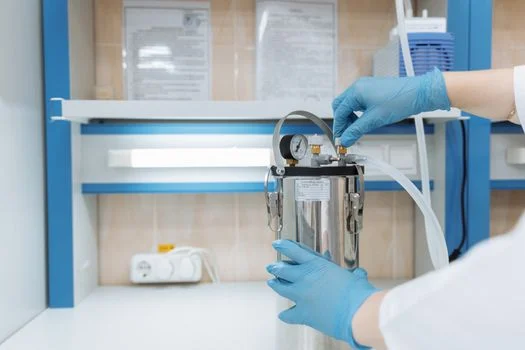
Navigating the complex landscape of international environmental regulations is paramount for display panel manufacturers to avoid penalties and ensure sustainable operations. In China, the GB 21900-2008 standard sets stringent limits for display panel manufacturing effluent, requiring Copper (Cu) and Nickel (Ni) concentrations to be ≤0.5 mg/L, Hexavalent Chromium (Cr(VI)) at ≤0.1 mg/L, and Lead (Pb) at ≤0.2 mg/L. Violations of these limits can result in significant fines ranging from $100K–$1M and can lead to mandated production halts (2025 enforcement data). The EU Industrial Emissions Directive (2010/75/EU) emphasizes Best Available Techniques (BAT) and typically mandates stricter limits, such as Cu ≤0.2 mg/L, Ni ≤0.1 mg/L, and Cr(VI) ≤0.05 mg/L, often pushing facilities towards ZLD systems. In the United States, the EPA Effluent Guidelines (40 CFR Part 469) establish federal pretreatment standards for indirect dischargers, with limits for Cu ≤1.0 mg/L, Ni ≤1.0 mg/L, and Cr ≤0.5 mg/L. Japan's Water Pollution Control Act sets national limits, including Cu ≤3 mg/L, Ni ≤1 mg/L, and Cr(VI) ≤0.5 mg/L; however, local prefectures, such as Tokyo, frequently impose much stricter limits, sometimes as low as Cu ≤0.1 mg/L. Implementing advanced treatment systems, often including pH adjustment and multi-stage filtration, is essential for meeting these diverse and evolving global standards.
| Region | Standard/Directive | Key Metal Limits (mg/L) | Enforcement Actions (Typical) | System Requirements (Examples) |
|---|---|---|---|---|
| China | GB 21900-2008 | Cu ≤0.5, Ni ≤0.5, Cr(VI) ≤0.1, Pb ≤0.2 | $100K–$1M fines, production halts | Multi-stage physical-chemical treatment, pH adjustment |
| EU | Industrial Emissions Directive (2010/75/EU) | Cu ≤0.2, Ni ≤0.1, Cr(VI) ≤0.05 | Significant fines, operational permits revoked | Best Available Techniques (BAT), ZLD encouraged |
| US | EPA Effluent Guidelines (40 CFR Part 469) | Cu ≤1.0, Ni ≤1.0, Cr ≤0.5 | Fines, cease and desist orders, civil penalties | Pretreatment for indirect dischargers, pH control |
| Japan | Water Pollution Control Act (Local Prefectures) | Cu ≤3 (Tokyo ≤0.1), Ni ≤1, Cr(VI) ≤0.5 | Fines, administrative orders, public shaming | Compliance with national and stricter local limits |
Cost Breakdown: CAPEX, OPEX, and ROI for Display Panel Wastewater Systems
Budgeting for a comprehensive display panel wastewater treatment system requires a clear understanding of both capital expenditures (CAPEX) and operational expenditures (OPEX), alongside a realistic return on investment (ROI) analysis. For a typical 500–2,000 m³/day integrated system (chemical precipitation + DAF + MBR + RO + ZLD), CAPEX in 2025 ranges from $1.2M–$3.5M. This investment breaks down roughly as 30% for equipment, 25% for engineering design, 20% for installation, 15% for permitting and regulatory approvals, and 10% allocated for contingency. Operational costs (OPEX) vary significantly by treatment stage: chemical precipitation and DAF typically incur $0.80–$2.50/m³, while the more advanced MBR + RO + ZLD stages push OPEX to $1.50–$4.00/m³. Major contributors to OPEX include chemicals (40%), energy consumption (30%), membrane replacement (20%), and labor (10%). Despite the initial investment, ZLD systems often demonstrate an ROI of 3–5 years, primarily driven by substantial water reuse savings (estimated at $0.50–$1.50/m³) and potential revenue from sludge recycling ($50–$200/ton for recovered Cu(OH)₂). For instance, AU Optronics in Taiwan reported saving $2.1M/year with its on-site treatment system (2024 data), highlighting the long-term financial benefits.
| System Size (m³/day) | CAPEX (USD) | OPEX (USD/m³) | Payback Period (Years) | Water Recovery (%) | Sludge Disposal Cost (USD/ton) |
|---|---|---|---|---|---|
| 500 | $1.2M–$2.5M | $1.50–$4.00 | 4–5 | 85–90% | $100–$300 |
| 1,000 | $2.0M–$3.0M | $1.20–$3.50 | 3–4 | 90–95% | $80–$250 |
| 2,000 | $3.0M–$3.5M | $1.00–$3.00 | 3–3.5 | 90–95% | $70–$200 |
Frequently Asked Questions
Q: What are the heavy metal limits for display panel wastewater in China?
A: China’s GB 21900-2008 sets stringent limits: Copper (Cu) ≤0.5 mg/L, Nickel (Ni) ≤0.5 mg/L, and Hexavalent Chromium
Related Equipment
- PLC-controlled chemical dosing for pH adjustment — view specifications, capacity range, and technical data
Need a customized solution? Request a free quote with your specific flow rate and pollutant parameters.