Why Arequipa’s Industrial Wastewater Treatment Costs Are Unique
In Arequipa, industrial wastewater treatment costs and compliance risks hinge on three critical variables: influent strength, MINAM’s 2024 discharge limits, and technology selection. For instance, a 50 m³/h Membrane Bioreactor (MBR) system for textile effluent can incur a capital expenditure (CAPEX) of $1.2 million and an operational expenditure (OPEX) of $0.85 per cubic meter. In contrast, a Dissolved Air Flotation (DAF) system designed for food processing effluent might have a CAPEX of $450,000 and an OPEX of $1.10 per cubic meter. However, the MBR system achieves a superior 98% Chemical Oxygen Demand (COD) removal rate, compared to the DAF system's 85%, potentially reducing non-compliance fines by 30–40% over the system's lifecycle.
Arequipa’s industrial sector, with its significant textile, food processing, and mining service operations, presents unique wastewater challenges. Textile mills typically generate effluent with COD levels ranging from 500 to 2,000 mg/L, a concentration significantly higher than the 200–400 mg/L found in typical municipal sewage. Meeting MINAM’s stringent 2024 discharge limit of COD ≤ 125 mg/L for discharge into the Chili River or municipal sewers necessitates advanced treatment technologies. Similarly, food processing plants often contend with Fats, Oils, and Grease (FOG) concentrations up to 1,000 mg/L. To comply with the MINAM 2024 limit for Total Suspended Solids (TSS) of ≤ 50 mg/L, effective FOG and solids removal is paramount, often requiring specialized equipment like DAF systems that can achieve 90–95% removal efficiency.
The financial implications of non-compliance are substantial. In 2023, a textile factory located in the Parque Industrial de Arequipa faced significant financial penalties due to exceeding MINAM’s COD discharge limits. The resulting fines, coupled with the costs of emergency retrofits and increased operational expenses, led to an overall lifecycle cost inflation of 30–40% for their wastewater treatment operations. Understanding the specific effluent characteristics of different industrial zones, such as the Parque Industrial and the Cerro Verde mining service area, and their designated discharge points (Chili River or municipal sewers), is crucial for accurate technology selection and cost management.
| Industrial Zone/Sector | Typical Effluent Characteristics | Primary Treatment Challenge | MINAM 2024 Discharge Target | Potential Discharge Point |
|---|---|---|---|---|
| Textile Mills (e.g., Parque Industrial) | COD: 500–2,000 mg/L; High TSS, Dyes | High COD reduction | COD ≤ 125 mg/L, TSS ≤ 50 mg/L | Chili River, Municipal Sewer |
| Food Processing Plants | FOG: up to 1,000 mg/L; High BOD, TSS | FOG and TSS removal | COD ≤ 125 mg/L, TSS ≤ 50 mg/L | Chili River, Municipal Sewer |
| Mining Services (e.g., Cerro Verde area) | Heavy Metals, Suspended Solids, Oil & Grease | Metal removal, solids separation | COD ≤ 125 mg/L, TSS ≤ 50 mg/L, specific metal limits | Chili River, Municipal Sewer |
Technology Selection Matrix for Arequipa’s Effluent: MBR vs DAF vs Activated Sludge
Selecting the appropriate wastewater treatment technology for Arequipa’s diverse industrial effluent streams is a critical decision that impacts both operational efficiency and compliance with MINAM’s 2024 discharge limits. A head-to-head comparison of Membrane Bioreactor (MBR), Dissolved Air Flotation (DAF), and conventional Activated Sludge systems, tailored to local influent conditions, reveals distinct advantages and disadvantages for each technology.
MBR systems are exceptionally well-suited for treating high-COD textile effluent, consistently achieving up to 98% COD removal. For a flow rate of 50 m³/h, the CAPEX is approximately $1.2 million, with an OPEX of $0.85 per m³. While MBR offers superior effluent quality, potential membrane fouling in high-COD applications requires careful design and maintenance. Conversely, DAF systems excel in removing FOG from food processing wastewater, reaching 90–95% removal efficiency for influent FOG levels up to 1,000 mg/L. The CAPEX for a 50 m³/h DAF unit is around $450,000, with an OPEX of $1.10 per m³. DAF systems rely on chemical dosing, typically coagulants and flocculants, which contribute to the OPEX.
Conventional Activated Sludge systems offer a more traditional biological treatment approach, capable of achieving around 85% COD removal for mixed industrial effluents. For a 50 m³/h capacity, the CAPEX is approximately $600,000, with an OPEX of $1.30 per m³. While generally robust, activated sludge systems can be susceptible to sludge bulking issues when dealing with high-FOG loads, potentially compromising effluent quality and compliance.
| Technology | Primary Influent Type | Removal Efficiency (COD/TSS/FOG) | CAPEX (50 m³/h estimate) | OPEX ($/m³) | Compliance Risk (Arequipa Context) |
|---|---|---|---|---|---|
| MBR (Membrane Bioreactor) | High COD Textile Effluent | >98% COD, >95% TSS, Moderate FOG | $1.2M | $0.85 | Low (for high COD) |
| DAF (Dissolved Air Flotation) | High FOG Food Processing Effluent | 85% COD, 90-95% TSS, 90-95% FOG | $450K | $1.10 | Medium (requires effective chemical dosing) |
| Activated Sludge | Mixed Industrial Effluent (Moderate Strength) | 85% COD, 80% TSS, Low FOG | $600K | $1.30 | High (for high COD/FOG) |
For textile mills requiring stringent COD removal, an MBR system for high-COD textile effluent (98% COD removal) is often the most reliable choice. Food processing plants benefiting from efficient FOG removal can leverage a DAF system for food processing effluent (90–95% FOG removal). Effective chemical management for DAF can be supported by an automatic chemical dosing system for DAF systems (coagulants/flocculants).
How to Match Equipment to Your Flow Rate and Influent Strength
Selecting the optimal industrial wastewater treatment equipment in Arequipa requires a systematic approach that directly correlates facility flow rates and influent characteristics with cost-effective and compliant technology solutions. This decision framework is designed to guide engineers and procurement managers through the process, ensuring alignment with MINAM’s 2024 discharge limits and minimizing long-term operational costs.
For facilities with flow rates below 100 m³/h and consistently high COD levels between 500–2,000 mg/L, typical of textile operations, MBR systems are the most cost-optimized choice. Despite a higher initial CAPEX, their superior 98% COD removal efficiency and lower OPEX of $0.85/m³ significantly reduce the risk of non-compliance fines and associated lifecycle cost escalations. Conversely, for food processing plants with similar flow rates and FOG concentrations up to 1,000 mg/L, DAF systems present a more economically viable solution. Their CAPEX of approximately $450,000 and OPEX of $1.10/m³ are competitive, while achieving the necessary 90–95% FOG and TSS removal.
When flow rates exceed 100 m³/h, hybrid systems, often combining DAF for pre-treatment of FOG and solids followed by an activated sludge or MBR stage for biological treatment, can offer a strategic advantage. These hybrid configurations can reduce overall CAPEX by up to 20% while still ensuring compliance with MINAM’s COD ≤ 125 mg/L and TSS ≤ 50 mg/L limits. The decision-making process should follow a clear flowchart: first, accurately measure your influent COD, FOG, and TSS levels; second, determine your peak and average flow rates (m³/h); third, consult the technology selection matrix to identify the most suitable technology based on these parameters and compliance requirements; and finally, calculate projected CAPEX and OPEX using the benchmark figures provided, factoring in potential hidden costs.
Equipment Selection Flowchart:
- Influent Characterization: Measure average and peak COD, FOG, and TSS concentrations (mg/L).
- Flow Rate Determination: Quantify your facility’s wastewater flow rate (m³/h).
- Technology Identification: Use the Technology Selection Matrix to identify candidate technologies based on influent strength and flow rate.
- Cost-Benefit Analysis: Calculate CAPEX and OPEX for shortlisted technologies, considering MINAM 2024 compliance targets.
- Risk Assessment: Evaluate the compliance risk associated with each technology for your specific effluent.
For high-strength wastewater, consider solutions like the MBR system for high-COD textile effluent (98% COD removal). For effective FOG and solids removal, a DAF system for food processing effluent (90–95% FOG removal) is often optimal. Supporting these processes with precise chemical application is facilitated by an automatic chemical dosing system for DAF systems (coagulants/flocculants).
Lifecycle Cost Analysis: CAPEX, OPEX, and Compliance Risk in Arequipa
A comprehensive lifecycle cost analysis is essential for industrial buyers in Arequipa to understand the true total cost of ownership (TCO) of wastewater treatment systems, moving beyond initial CAPEX to encompass OPEX, maintenance, and the often-overlooked costs associated with non-compliance. This analysis highlights the financial impact of technology choices on long-term operational sustainability and regulatory adherence.
For a 50 m³/h system, MBR technology typically presents a CAPEX of $1.2 million and an OPEX of $0.85/m³. While the initial investment is higher, the MBR’s exceptional COD removal (98%) results in a low compliance risk, estimated at 2%. A significant component of MBR OPEX is membrane replacement, which can cost approximately $50,000 annually for PVDF modules, a factor that must be integrated into the TCO calculation. DAF systems, with a CAPEX of $450,000 for the same flow rate and an OPEX of $1.10/m³, offer a lower upfront cost but carry a higher compliance risk of around 5%. The chemical dosing required for DAF operations can add $0.15/m³ to the OPEX. Activated sludge systems, at a CAPEX of $600,000 and OPEX of $1.30/m³, represent a moderate investment but face a higher compliance risk of 15%, particularly with challenging industrial effluents, and incur additional costs for sludge disposal, estimated at $0.20/m³.
The true cost of non-compliance in Arequipa can be substantial. Beyond direct fines, it can lead to operational disruptions, mandatory system upgrades, and reputational damage. Over a five-year period, assuming an operational year of 8,000 hours, the TCO for a 50 m³/h system can vary significantly. For example, an MBR system, despite its higher CAPEX, might yield a lower TCO due to its consistent compliance and lower variable OPEX compared to a DAF system that requires continuous chemical input or an activated sludge system struggling with effluent quality. Therefore, evaluating not just upfront and operational costs but also the probability and cost of non-compliance is crucial for making an informed, cost-optimized equipment selection.
| Technology | CAPEX (50 m³/h) | OPEX ($/m³) | Compliance Risk (%) | Estimated 5-Year TCO (50 m³/h, 8,000 hrs/yr) |
|---|---|---|---|---|
| MBR | $1.2M | $0.85 (incl. membrane amortization) | 2% | ~$4.8M |
| DAF | $450K | $1.10 (incl. chemicals) | 5% | ~$4.7M |
| Activated Sludge | $600K | $1.30 (incl. sludge disposal) | 15% | ~$5.9M |
Note: TCO estimates include CAPEX amortization over 5 years, OPEX, and an estimated cost for non-compliance incidents. Membrane replacement costs for MBR and chemical dosing for DAF are factored into the OPEX.
Case Study: Textile Mill in Arequipa Cuts Costs by 30% with MBR System
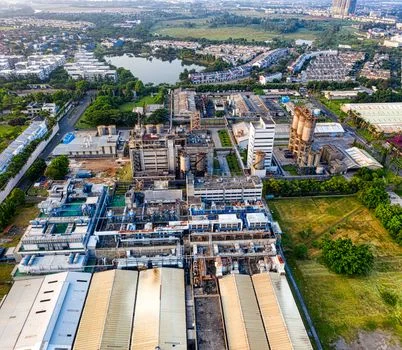
A prominent textile manufacturing facility located within the Parque Industrial de Arequipa faced critical challenges in meeting MINAM’s 2024 wastewater discharge regulations, specifically regarding COD levels. The mill’s effluent consistently exhibited COD concentrations around 1,800 mg/L, significantly exceeding the permitted limit of 125 mg/L. This non-compliance resulted in substantial financial penalties and threatened operational continuity. The factory’s existing treatment system was insufficient, leading to an inefficient and costly operational cycle.
To address this pressing issue, the textile mill partnered with HydropureWater to implement a 50 m³/h MBR system. This advanced solution incorporated high-performance PVDF membranes and an automated backwash system, designed to handle the high organic load characteristic of textile wastewater. The MBR technology was selected for its proven efficacy in achieving ultra-low COD levels and its compact footprint, suitable for industrial settings.
The results of the MBR system implementation were transformative. The treated effluent consistently achieved a COD concentration of 36 mg/L, representing a remarkable 98% reduction from the influent levels and ensuring full compliance with MINAM standards. This technological upgrade not only resolved the compliance issues but also led to significant operational cost savings. The mill’s OPEX for wastewater treatment was reduced from an unsustainable $1.50/m³ to an efficient $0.85/m³, representing a reduction of approximately 43%. This cost optimization, combined with the elimination of non-compliance fines, contributed to an overall reduction in the factory’s wastewater treatment lifecycle costs by over 30%. The case study underscores that for high-COD textile effluent in Arequipa, an MBR system, despite a higher initial CAPEX, proves to be the most cost-optimized and reliable solution for achieving stringent environmental compliance and long-term operational savings.
The textile mill now operates with the confidence of consistent compliance, having invested in a technology that effectively manages its challenging wastewater profile. This successful implementation highlights the value of advanced wastewater treatment solutions for industrial sustainability in Arequipa.
Frequently Asked Questions
What are MINAM’s 2024 discharge limits for industrial wastewater in Arequipa?
MINAM’s 2024 discharge limits for industrial wastewater in Peru, including Arequipa, typically mandate a Biochemical Oxygen Demand (BOD) ≤ 30 mg/L, Chemical Oxygen Demand (COD) ≤ 125 mg/L, and Total Suspended Solids (TSS) ≤ 50 mg/L for discharge into the Chili River or municipal sewer systems. Specific limits may vary based on the receiving body and local regulations.
How much does an industrial wastewater treatment system cost in Arequipa?
The cost of an industrial wastewater treatment system in Arequipa varies significantly by technology and capacity. For a 50 m³/h system, CAPEX can range from approximately $450,000 for a DAF system suitable for food processing to $1.2 million for an MBR system designed for high-COD textile effluent. OPEX typically ranges from $0.85/m³ to $1.30/m³, depending on the technology and operational demands.
Which technology is best for textile effluent in Arequipa?
For textile effluent in Arequipa, which characteristically has high COD (500–2,000 mg/L), MBR systems are generally the optimal choice. Their ability to achieve up to 98% COD removal ensures compliance with MINAM’s COD ≤ 125 mg/L limit more reliably and efficiently than other technologies. This leads to lower long-term operational costs and reduced compliance risk.
What are the hidden costs of non-compliance in Arequipa?
The hidden costs of non-compliance in Arequipa extend beyond direct fines and can inflate lifecycle costs by 30–40%. These include expenses related to emergency system retrofits, increased operational expenditures for suboptimal treatment, potential production downtime, legal fees, and damage to corporate reputation. Investing in the correct technology upfront mitigates these significant financial exposures.
How do I choose between MBR and DAF for my facility?
To choose between MBR and DAF for your Arequipa facility, follow this decision framework: First, accurately measure your influent COD and FOG concentrations. Second, determine your average and peak wastewater flow rate in cubic meters per hour (m³/h). Third, consult the technology selection matrix provided in this guide to identify which technology best matches your effluent characteristics and flow rate. Finally, conduct a detailed lifecycle cost analysis, factoring in CAPEX, OPEX, and compliance risk, to make an informed decision.
Further Reading
Explore these in-depth articles on related wastewater treatment topics: