NOM-001-SEMARNAT-2021 Industrial Compliance Guide Mexico: The Baseline
This NOM-001-SEMARNAT-2021 industrial compliance guide Mexico update covers discharges to federal waters from 11 March 2023. The planning band stays BOD5 ≤ 30 mg/L, COD ≤ 100 mg/L, TSS ≤ 35 mg/L, with fines up to MXN 10 million.
SEMARNAT placed NOM-001-SEMARNAT-2021 in the Diario Oficial de la Federación on 11 March 2022, and the Economy Ministry catalog lists the standard as vigente with entry into force on 11 March 2023. The communiqué states the norm entered into force 365 natural days after publication, with compliance and vigencia gradual set in its transitorios. The cadre reglementaire pour les industriels sur le waster water management mexico therefore has two dates that matter: publication and force. Non-compliance can bring fines up to MXN 10 million and operational shutdowns.
At "El Sabor de Monterrey," a food processing plant, plant manager Sofia Rodriguez found that her DAF plus activated sludge train no longer held BOD5 and COD within the tighter limits. That plant-level gap mirrors what many Mexican industrial sites face once the 2021 rule replaced the 1996 limits.
What the Official Text Covers
NOM-001-SEMARNAT-2021 is the Official Mexican Standard that sets permissible pollutant limits in wastewater discharged to receiving bodies that are property of the nation. The SEMARNAT communiqué quotes Article 85 of the National Waters Law: water users must prevent contamination and return waters in adequate conditions. Any industrial facility that discharges to a national water body must meet the limits, regardless of plant size or sector. Limits vary by receiving-body sensitivity, and the strictest values usually apply where water is used for human contact or agricultural irrigation.
The official Table 1 organises limits in milligrams per litre by receiving-body column, naming rivers, streams, canals and drains against reservoirs and other bodies. The monthly average COD for discharges to rivers, arroyos and canals is 150 mg/L, and the reservoir and lake columns run tighter than the river column. Lexology's legal review of the 2022 text notes the norm incorporates newly regulated parameters, including toxicity and true colour, plus a temperature limit of 35 °C. Most design folders we reopen still quote a single flat limit, which is what trips the first inspection.
For nutrient and nitrogen-focused reading beyond this overview, see nom-001-semarnat-2021 (wastewater discharge limits). Broader plant-upgrade planning also appears in the sibling Wastewater Treatment Regulations Mexico 2026: NOM-001 Compliance Guide.
NOM-001-SEMARNAT-2021 BOD COD TSS Limits
NOM-001-SEMARNAT-2021 BOD COD TSS limits start with the planning band this guide uses for design talks: BOD5 at 30 mg/L, COD at 100 mg/L, and TSS at 35 mg/L for industrial discharges to federal waters. Engineers and compliance officers should then map each limit to unit operations before they sign off on a discharge permit package. The band is a screening set, not a transcription of the receiving-body columns.
- Biochemical Oxygen Demand (BOD5): The limit is set at 30 mg/L, a reduction from the 40 mg/L allowed under the 1996 standard. This requires enhanced biological treatment for effluents rich in organic matter.
- Chemical Oxygen Demand (COD): Reduced to 100 mg/L from 150 mg/L in the previous rules used by this guide. This tighter single number particularly challenges industries with complex organic waste streams, such as food processing, textiles, and chemicals.
- Total Suspended Solids (TSS): Must not exceed 35 mg/L, down from 40 mg/L. This necessitates more efficient solid-liquid separation processes.
- Oil and Grease (O&G): Capped at 10 mg/L in the planning band. While this limit remains unchanged from the 1996 standard, enforcement and monitoring are more rigorous, demanding robust oil-water separation technologies.
- pH Range: Maintained at 6.0–9.0, consistent with prior regulation, requiring pH neutralization for highly acidic or alkaline effluents.
- Ammonia Nitrogen (NH3-N): A newly emphasized parameter with a limit of 10 mg/L. This addresses concerns about eutrophication and toxicity to aquatic life, often requiring nitrification-denitrification processes.
- Total Phosphorus (TP): Added as a regulated parameter with a limit of 5 mg/L. This directly targets eutrophication, compelling facilities to implement chemical or biological phosphorus removal.
- Fecal Coliform: For discharges near populated areas or those used for recreational purposes, the limit is <1,000 NMP/100 mL, requiring disinfection.
The following table provides a detailed overview of the key pollutant limits under NOM-001-SEMARNAT-2021 for industrial discharges to national water bodies:
| Parameter | NOM-001-SEMARNAT-2021 Limit (Industrial Discharge) | Units | Notes |
|---|---|---|---|
| Biochemical Oxygen Demand (BOD5) | 30 | mg/L | Requires efficient organic matter removal |
| Chemical Oxygen Demand (COD) | 100 | mg/L | Significant reduction from 1996 standard |
| Total Suspended Solids (TSS) | 35 | mg/L | Requires effective solid-liquid separation |
| Oil and Grease (O&G) | 10 | mg/L | Strictly enforced, requires specialized separation |
| pH | 6.0 - 9.0 | (unitless) | Neutralization may be required |
| Ammonia Nitrogen (NH3-N) | 10 | mg/L | Newly emphasized parameter, requires nitrogen removal |
| Total Phosphorus (TP) | 5 | mg/L | New regulated parameter, requires phosphorus removal |
| Fecal Coliform | <1,000 | NMP/100 mL | For discharges near populated areas, requires disinfection |
| Total Nitrogen (TN) | N/A (varies) | mg/L | Not a universal limit, but NH3-N is regulated |
| Heavy Metals | Varies by metal | mg/L | Specific limits apply for individual heavy metals (e.g., Pb, Cd, Cr, Ni, Zn) |
1996 vs 2021 NOM-001 SEMARNAT Wastewater Standards
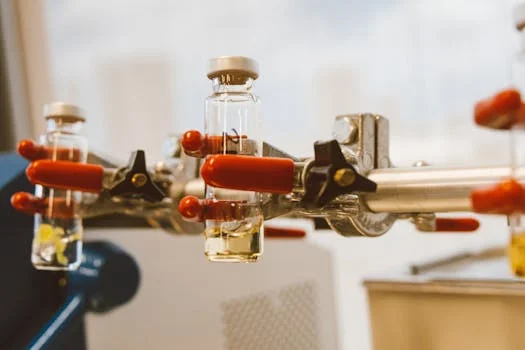
The 1996 vs 2021 NOM-001 SEMARNAT wastewater standards split forces many plants to recheck biological capacity, solids capture, and nutrient removal. The Economy catalog records that NOM-001-SEMARNAT-2021 cancels NOM-001-SEMARNAT-1996, and the SEMARNAT communiqué confirms the entry into force runs 365 natural days after the 11 March 2022 publication. Sites that only met the older BOD5, COD, and TSS caps often need process upgrades before routine sampling can stay inside the new band.
Key changes include:
- BOD5 Limit: The permissible BOD5 limit tightened by 25%, dropping from 40 mg/L in the 1996 standard to 30 mg/L in the 2021 version. This reduction directly impacts industries with high organic loads, demanding more efficient biological treatment.
- COD Limit: The COD limit was significantly reduced by 33%, from 150 mg/L to 100 mg/L. This is a critical change for sectors like food processing, textile manufacturing, and chemical industries that often discharge effluents with high and complex COD. Achieving this lower limit frequently requires advanced oxidation or enhanced biological processes.
- TSS Limit: The Total Suspended Solids (TSS) limit was reduced from 40 mg/L to 35 mg/L. While a smaller percentage change, it still necessitates improved solid-liquid separation technologies to ensure compliance.
- New Parameters: The 2021 standard introduced specific limits for total phosphorus (5 mg/L) and ammonia nitrogen (10 mg/L). These additions reflect growing concerns about eutrophication in national water bodies and the toxicity of ammonia to aquatic life. Facilities previously not monitoring or treating for these nutrients now face significant compliance challenges.
- Monitoring and Reporting: The 2021 version introduced more frequent monitoring and reporting requirements, often mandating quarterly analyses by accredited third-party laboratories and submission through SEMARNAT's RECA system. This increases the administrative burden and the need for reliable data collection. Confirm the current filing path on your own permit, because procedural detail sits in the standard's evaluation-of-conformity section.
- Compliance Timelines: The standard entered into force 365 natural days after publication, with gradual compliance set out in the transitorios. The basic table limits are now fully in effect, while later parameters such as true colour and acute toxicity follow their own staged deadlines.
The following table summarizes the key differences between the 1996 and 2021 standards for industrial discharges:
| Parameter | NOM-001-SEMARNAT-1996 Limit | NOM-001-SEMARNAT-2021 Limit | Change (2021 vs. 1996) |
|---|---|---|---|
| BOD5 | 40 mg/L | 30 mg/L | 25% reduction |
| COD | 150 mg/L | 100 mg/L | 33% reduction |
| TSS | 40 mg/L | 35 mg/L | 12.5% reduction |
| Oil and Grease | 10 mg/L | 10 mg/L | No change in limit, but stricter enforcement |
| pH | 6.0 - 9.0 | 6.0 - 9.0 | No change |
| Ammonia Nitrogen (NH3-N) | Not specifically regulated | 10 mg/L | New parameter |
| Total Phosphorus (TP) | Not specifically regulated | 5 mg/L | New parameter |
Plants that still run on 1996 design assumptions should audit treatability against these deltas. Cross-border teams can also compare Mexico's path with Indonesia's PermenLH No. 11/2025 when they build multi-country effluent playbooks.
Mexico Industrial Wastewater Discharge Fines 2026
Mexico industrial wastewater discharge fines in 2026 are still planned against the MXN 10 million ceiling this guide has used, because the standard itself does not print a peso schedule. Sanctions follow the general environmental laws once a violation is documented, and operational shutdowns remain the sharper risk for a repeat exceedance. The standard text assigns surveillance to the environmental authority, so an inspector reads the permit and the applicable column first.
Two practical points from inspection files we support. First, the sampling record matters as much as the milligram value, because a missing accredited laboratory report turns a pass into a procedural violation. Second, a permit can carry particular conditions stricter than the generic column, and those conditions are what the inspector reads first. Budget the fine ceiling for the board, and budget the paperwork for the plant team.
Food Processing Plant NOM-001 Compliance Mexico
A food processing plant under NOM-001 in Mexico complies only when the outfall class is known, because a river column and a reservoir column do not share the same COD cap. High-strength or chemically complex wastewater streams feel the new BOD5, COD, TSS, and nutrient caps first. Sector profiles below show where upgrades usually concentrate.
- Food Processing Plants: These facilities, including meat processing, dairy, breweries, and fruit/vegetable processing, generate effluents with very high BOD/COD from organic waste (sugars, fats, proteins). The reduction of BOD5 to 30 mg/L and COD to 100 mg/L means that conventional primary and secondary treatment systems may no longer be sufficient. They often struggle with high fats, oils, and grease (FOG) content, which can inhibit biological treatment and contribute to TSS.
- Textile Mills: Wastewater from textile operations is characterized by high levels of color, fluctuating pH, high COD, and various chemical residues from dyeing, bleaching, and finishing processes. Meeting the new COD limits and managing effluent color often requires advanced treatment steps beyond standard biological methods, such as coagulation-flocculation or advanced oxidation. True colour is one of the newly regulated parameters, which is why dye houses feel this standard harder than a BOD-only audit suggests.
- Metal Finishing and Electroplating: These industries typically discharge wastewater containing heavy metals (e.g., chromium, nickel, copper, zinc), cyanides, and acids/alkalies. While heavy metal limits have always been strict, the overall tightening of standards and increased scrutiny mean that robust physical-chemical treatment, including precipitation, filtration, and ion exchange, is essential. They also need to ensure FOG limits are met if oils are used in their processes.
- Petrochemical Facilities: Effluents from petrochemical plants often contain high concentrations of hydrocarbons, phenols, and other refractory organic compounds, leading to elevated COD. They require specialized oil-water separation techniques and advanced biological or chemical oxidation processes to reduce COD and ensure compliance with oil and grease limits.
- Pharmaceutical Manufacturers: Wastewater from pharmaceutical production can contain complex, recalcitrant organic compounds, including active pharmaceutical ingredients (APIs), which contribute to high COD and may be resistant to conventional biological treatment. Meeting the new COD limits and addressing potential trace organics often necessitates advanced oxidation processes (AOPs) or membrane filtration.
Food plants that share Sofia's FOG and organic-load profile can also review the food processing wastewater treatment guide for Pakistan for process analogies, then adapt unit selection to Mexican limits.
Ammonia Nitrogen Total Phosphorus Limits Mexico Discharge
Ammonia nitrogen total phosphorus limits for a Mexico discharge sit inside a receiving-body structure, not one flat national number. The planning band in this guide holds NH3-N at 10 mg/L and TP at 5 mg/L, and the official columns tighten those values where the receiving body is more sensitive. Treat the band as a floor for screening, then read the permit and the applicable column before freezing design.
Most nutrient reviews we run find that the certificate judges the combined nutrient load, not only free ammonia. A plant that nitrifies ammonia into nitrate can still miss a total-nutrient column. Phosphorus at the planning value of 5 mg/L usually needs a metal salt or a dedicated biological step, and dosing deeper than the permit column asks for wastes chemical. Temperature is also regulated, with the norm setting a 35 °C limit, so cooling loops matter on hot effluents.
Cadre reglementaire pour les industriels sur le waster water management mexico: Treatment Options
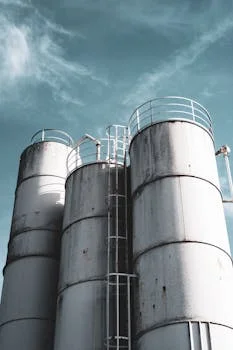
Meeting NOM-001-SEMARNAT-2021 usually means matching each hard limit to a proven unit process. Technology choice still depends on influent strength, FOG load, nutrients, and available footprint. Most trains we size for this standard run solids and FOG capture first, then biology, then nutrient control.
- Dissolved Air Flotation (DAF) Systems: For industries with high FOG (Fats, Oils, and Grease) and TSS, such as food processing, meat processing, and petrochemical sectors, a high-efficiency DAF system for FOG and TSS removal is a primary solution. DAF systems typically achieve 90–95% removal of FOG and TSS by using micro-bubbles to float contaminants to the surface for skimming. This pre-treatment step is crucial for protecting downstream biological processes and ensuring compliance with the 10 mg/L O&G limit and contributing to TSS reduction.
- Membrane Bioreactor (MBR) Systems: To achieve ultra-low BOD5, COD, and TSS levels, advanced MBR system for ultra-low COD and TSS effluent are highly effective. MBR systems combine conventional biological treatment with membrane filtration, delivering effluent with typically less than 1 mg/L TSS and 10–20 mg/L COD. This performance consistently surpasses NOM-001-SEMARNAT-2021 requirements, particularly for BOD5 (30 mg/L) and COD (100 mg/L), making them ideal for industries needing superior effluent quality or operating with limited space. For a detailed comparison, facilities can compare MBR and conventional systems for compliance.
- Chemical Dosing with Coagulants/Flocculants: For enhanced removal of colloidal solids, heavy metals, and phosphorus, chemical dosing is often necessary. Coagulants like polyaluminium chloride (PAC) or ferric chloride (FeCl₃) are used to destabilize suspended particles and dissolved compounds, followed by flocculation to aggregate them. This process significantly improves TSS removal and is essential for meeting the new 5 mg/L total phosphorus limit.
- Advanced Oxidation Processes (AOPs) and Activated Carbon: For recalcitrant COD, color removal, or the degradation of specific toxic compounds (common in pharmaceutical or textile effluents), advanced oxidation processes (e.g., UV/H₂O₂, Fenton reaction) or granular activated carbon (GAC) adsorption may be needed. AOPs generate highly reactive hydroxyl radicals that break down complex organic molecules, while activated carbon effectively adsorbs a wide range of organic pollutants not removed by biological treatment.
- Sludge Dewatering Systems: Efficient management of the sludge generated by treatment processes is also critical. Technologies like filter presses or belt presses reduce sludge volume, lowering disposal costs and ensuring compliance with solid waste regulations such as NOM-002-SEMARNAT. Sludge dewatering improves the overall sustainability and cost-effectiveness of the wastewater treatment plant.
A staged train—solids and FOG capture, biological polishing, then nutrient control—keeps the cadre reglementaire pour les industriels sur le waster water management mexico workable in day-to-day plant operation.
Who This Is For / Who Should Look Elsewhere / Next Step
This guide is for environmental managers, process engineers, and plant owners who discharge industrial wastewater to Mexican federal water bodies under NOM-001-SEMARNAT-2021. Teams that only treat sanitary sewage to municipal sewers, or that need produced-water recycling rules outside Mexico, should look elsewhere for jurisdiction-specific statutes.
Next step: compare current BOD5, COD, TSS, NH3-N, and TP results with the table limits, then size DAF, biological, or MBR upgrades against the gap. If you need equipment sizing against your influent data, share a recent lab report for a process review.
Frequently Asked Questions
What is NOM-001-SEMARNAT-2021?
NOM-001-SEMARNAT-2021 is the Official Mexican Standard that sets permissible pollutant limits in wastewater discharged to receiving bodies that are property of the nation. SEMARNAT published it in the Diario Oficial de la Federación on 11 March 2022, and it entered into force 365 natural days later, on 11 March 2023. It replaces the 1996 standard for federal discharges, with staged deadlines in the transitorios.
What does NOM 001 SEMARNAT 2021 require for key pollutants?
The planning band for industrial discharges is BOD5 at ≤30 mg/L, COD at ≤100 mg/L, TSS at ≤35 mg/L, oil and grease at ≤10 mg/L, and pH at 6–9. Ammonia nitrogen is listed at ≤10 mg/L and total phosphorus at ≤5 mg/L, with fecal coliform below 1,000 NMP/100 mL near populated areas. The official table applies these by receiving-body column, so confirm the column and the permit before design freeze.
How does NOM-001-SEMARNAT-2021 differ from the 1996 standard?
The 2021 text tightens the planning band: BOD5 drops 25% from 40 to 30 mg/L, COD drops 33% from 150 to 100 mg/L, and TSS drops from 40 to 35 mg/L. It adds total phosphorus at 5 mg/L and ammonia nitrogen at 10 mg/L as regulated parameters, and it introduces newly regulated items such as true colour, acute toxicity, and a 35 °C temperature limit. The Economy catalog records the 2021 standard as cancelling the 1996 text.
Which industries face the tightest compliance pressure?
Food processing, textiles, metal finishing and electroplating, petrochemical plants, and pharmaceutical manufacturers feel the caps first. Food plants carry high BOD, COD, and FOG; textiles carry color and complex COD; metal finishers carry metals and cyanides; petrochemical sites carry hydrocarbons and phenols; and pharma sites carry recalcitrant organics. Each profile pushes a different unit process into the design.
Does Mexico have an EPA equivalent?
Yes. SEMARNAT, the Secretaría de Medio Ambiente y Recursos Naturales, is the federal environment ministry that published NOM-001-SEMARNAT-2021 and oversees wastewater, air quality, and hazardous waste rules. The communiqué grounding the standard in Article 85 of the National Waters Law comes from SEMARNAT. Treat it as the rule-maker for this standard.
What are the parameters for wastewater discharge?
Key parameters under NOM-001-SEMARNAT-2021 for industrial discharges include BOD5 (≤30 mg/L), COD (≤100 mg/L), TSS (≤35 mg/L), oil and grease (≤10 mg/L), pH (6–9), ammonia nitrogen (≤10 mg/L), and total phosphorus (≤5 mg/L). The official table reads these against the receiving body, with monthly average COD of 150 mg/L for river, arroyo, and canal discharges. Heavy metals carry their own table by metal.
What is the new water law in Mexico?
No single 'new water law' exists. NOM-001-SEMARNAT-2021 is the latest major update to wastewater discharge rules, published on 11 March 2022 and fully effective from 11 March 2023. It significantly tightens previous limits and introduces new parameters, with gradual deadlines set in its transitorios. The National Waters Law underneath it was not replaced.
Where can I find the NOM-001-SEMARNAT-2021 PDF?
Official versions are published in the Diario Oficial de la Federación (DOF) by the Mexican government, and the Economy Ministry's normalization catalog lists the standard as vigente with entry into force on 11 March 2023. SEMARNAT's communiqué of 11 March 2022 links the publication and the gradual compliance schedule. Use those government pages rather than unsigned summaries when a permit condition is in dispute.
How can I prove compliance with NOM-001-2021?
Facilities prove compliance with accredited third-party laboratory testing of their discharge parameters, with results filed through the reporting path named on the permit; earlier guidance cited quarterly analyses by SEMARNAT-accredited laboratories and submission through the RECA system. The same file-and-compare habit appears in industrial effluent limits for Canada and Egypt. Keep chain-of-custody records with the laboratory report.