Spain’s sewage treatment equipment market offers 37+ suppliers, but selecting the right partner requires balancing engineering performance, cost, and compliance. For example, MBR systems achieve 99% TSS removal (meeting EU Directive 91/271/EEC) but cost €1.2M–€2M for 500 m³/day capacity, while dissolved air flotation (DAF) systems remove 95% FOG at 30% lower CAPEX. This guide provides Spain-specific specs, cost breakdowns, and a zero-risk selection framework to help buyers avoid regulatory fines (up to €1M under Spain’s RD 509/2022) and budget overruns.
Spain’s Sewage Treatment Regulatory Landscape: What Buyers Must Know to Avoid Fines
Spain’s Royal Decree 509/2022 (RD 509/2022) directly transposes the EU Urban Waste Water Directive 91/271/EEC, yet it establishes stricter limits for industrial discharges in many cases, particularly for sensitive receiving waters. While the EU Directive mandates secondary treatment for agglomerations above 2,000 population equivalent (PE) and tertiary treatment for sensitive areas, Spain’s implementation includes a more granular approach and tighter industrial parameters.
For industrial discharges, RD 509/2022 often sets more stringent limits than the EU baseline. For instance, the EU Directive's general standard for chemical oxygen demand (COD) can be 150 mg/L, but Spain's RD 509/2022 specifies a limit of COD ≤125 mg/L for municipal discharges into normal areas, with industrial discharges frequently facing even lower limits depending on the sector and specific regional permits. Biochemical oxygen demand (BOD5) is typically limited to ≤25 mg/L, total suspended solids (TSS) to ≤35 mg/L, and for sensitive areas, total nitrogen (TN) is often ≤10 mg/L and total phosphorus (TP) ≤1 mg/L (HydropureWater analysis, 2025).
Municipal wastewater treatment plants in Spain must comply with the EU Urban Waste Water Directive 91/271/EEC, which dictates secondary treatment for all agglomerations over 2,000 PE and tertiary treatment for those discharging into sensitive areas. Spain has set deadlines, with smaller agglomerations (between 2,000 and 10,000 PE) generally required to achieve full compliance by 2027. This phased approach ensures continuous improvement across the national network.
Industrial sectors, such as food processing, pharmaceuticals, and textiles, face additional layers of regulation and regional permits. For example, Catalonia’s Decree 130/2019 sets specific discharge limits for various pollutants, often more restrictive than national averages. A meat processing plant might face FOG (fats, oils, and grease) limits of ≤40 mg/L, while a pharmaceutical facility could have stringent limits on specific active pharmaceutical ingredients (APIs) or COD levels as low as ≤60 mg/L, and textile operations must manage color and heavy metals rigorously.
Non-compliance carries substantial penalties under Spain’s Water Law 1/2001, with severe violations incurring fines up to €1 million. In a notable case from 2023, a meat processing plant in Valencia was fined €250,000 for consistent discharge of untreated wastewater exceeding FOG and BOD limits, illustrating the financial consequences of failing to meet regulatory standards.
| Parameter | EU Directive 91/271/EEC (Municipal Secondary) | Spain RD 509/2022 (Municipal Discharge) | Spain RD 509/2022 (Typical Industrial Discharge) |
|---|---|---|---|
| BOD5 | ≤25 mg/L | ≤25 mg/L | ≤20 mg/L (sector-dependent) |
| COD | ≤150 mg/L | ≤125 mg/L | ≤60-100 mg/L (sector-dependent) |
| TSS | ≤35 mg/L | ≤35 mg/L | ≤30 mg/L (sector-dependent) |
| Total Nitrogen (TN) | 10-15 mg/L (Sensitive Areas) | ≤10 mg/L (Sensitive Areas) | ≤5-10 mg/L (Sensitive Areas, specific industries) |
| Total Phosphorus (TP) | 1-2 mg/L (Sensitive Areas) | ≤1 mg/L (Sensitive Areas) | ≤0.5-1 mg/L (Sensitive Areas, specific industries) |
| FOG | Not specified | Not specified | ≤40 mg/L (Food processing) |
Sewage Treatment Equipment Types for Spain: Engineering Specs and Use-Case Matching
Selecting the appropriate sewage treatment equipment in Spain requires a detailed understanding of engineering specifications, operational characteristics, and how each system aligns with specific project requirements, including influent quality, discharge limits, and available footprint. Different technologies offer distinct advantages for municipal and industrial applications across Spain’s diverse climate and regulatory environment.
MBR Systems
Membrane bioreactor (MBR) systems integrate a biological treatment process (typically activated sludge) with a membrane filtration unit, often using submerged polyvinylidene fluoride (PVDF) membranes. This combination provides superior effluent quality, making them ideal for stringent discharge standards or water reuse applications common in Spain’s arid regions. MBR systems for Spain’s urban and industrial projects consistently achieve effluent COD ≤30 mg/L and TSS ≤5 mg/L, meeting the most demanding tertiary treatment requirements. Their compact design offers significant footprint savings, typically reducing the required area by 60% compared to conventional activated sludge systems. Energy consumption for MBRs generally ranges from 0.8 to 1.2 kWh/m³ of treated water, primarily due to aeration and membrane scouring (HydropureWater field data, 2025). Ideal use cases include densely populated urban areas, hospitals (where high effluent quality is critical for public health and potential reuse, as seen in hospital wastewater treatment plants), and industrial facilities requiring water recycling.
DAF Systems
Dissolved air flotation (DAF) systems utilize micro-bubble technology to separate suspended solids, fats, oils, and grease (FOG) from wastewater. Pressurized water saturated with air is released into the influent, forming tiny bubbles that attach to contaminants, floating them to the surface for skimming. DAF systems for Spain’s food processing and textile industries demonstrate high removal rates: typically 95% for FOG and 92–97% for TSS (per EPA guidelines, 2024). They are particularly effective for influent streams with FOG concentrations up to 1,000 mg/L and TSS up to 2,000 mg/L. Common applications include food processing (dairies, slaughterhouses), textile dyeing, and petrochemical industries, where high concentrations of FOG and suspended solids are prevalent. For a deeper dive into the technology, read How Dissolved Air Flotation (DAF) Systems Work.
Integrated Underground Systems (WSZ Series)
Integrated underground systems, such as the WSZ series, offer a compact, aesthetically pleasing solution by combining anoxic/oxic (A/O) biological contact oxidation, sedimentation, and disinfection in a single, often below-grade, unit. These systems are designed for capacities ranging from 1 to 80 m³/h and typically require minimal operator intervention. Their discreet installation makes them ideal for rural areas, hotels, resorts, and small municipalities across Spain where land availability or visual impact are concerns. They can be installed completely below-grade, preserving surface aesthetics, or as mobile containerized units for temporary needs. These systems provide robust treatment to meet secondary discharge limits, making them a versatile choice for decentralized applications.
Chemical Dosing Systems
Chemical dosing systems precisely inject coagulants, flocculants, and pH adjustment chemicals into the wastewater stream, controlled by programmable logic controllers (PLCs). These systems are critical for industrial pretreatment to condition wastewater before biological treatment or for municipal tertiary treatment to meet specific nutrient removal targets. In Spain, chemical dosing is frequently used to ensure compliance with RD 509/2022 phosphorus limits, achieving removal efficiencies of up to 90% for TP through precipitation. They are indispensable for industries with fluctuating pH or high concentrations of dissolved metals and for municipal plants requiring enhanced nutrient removal in sensitive areas.
| Equipment Type | Key Engineering Specs | Typical Removal Rates (Spain) | Ideal Use Cases (Spain) | Energy Consumption | Footprint (vs. Conventional) |
|---|---|---|---|---|---|
| MBR Systems | Submerged PVDF membranes, Activated Sludge | COD ≤30 mg/L, TSS ≤5 mg/L, BOD5 ≤5 mg/L | Urban projects, Hospitals, Water Reuse, High-density areas | 0.8–1.2 kWh/m³ | 60% smaller |
| DAF Systems | Micro-bubble technology, Automatic skimming | 95% FOG, 92–97% TSS | Food processing, Textile, Petrochemical, Pretreatment | 0.2–0.4 kWh/m³ | Compact, pre-treatment focus |
| Integrated Underground Systems | A/O Biological, Sedimentation, Disinfection | BOD5 ≤20 mg/L, COD ≤100 mg/L, TSS ≤20 mg/L | Rural areas, Hotels, Small municipalities, Decentralized projects | 0.3–0.6 kWh/m³ | Minimal (underground installation) |
| Chemical Dosing Systems | PLC-controlled injection, Coagulation/Flocculation | 90% TP removal, pH adjustment | Industrial pretreatment, Municipal tertiary (nutrient removal) | Minimal (for pumps/controls) | Small, supplementary |
Cost Breakdown for Sewage Treatment Equipment in Spain: CAPEX, OPEX, and ROI Calculators
Accurate budgeting for sewage treatment equipment in Spain requires a clear understanding of both capital expenditure (CAPEX) and operational expenditure (OPEX), alongside a robust return on investment (ROI) framework. These costs are influenced by local economic factors, energy prices, and regulatory requirements.
Capital Expenditure (CAPEX) Ranges in Spain
Initial investment costs for sewage treatment equipment vary significantly by technology and capacity. For MBR systems, CAPEX typically ranges from €2,400 to €4,000 per m³/day of capacity, reflecting the advanced membrane technology and higher material costs. DAF systems, focused on primary treatment and FOG removal, have a lower CAPEX, generally between €800 and €1,500 per m³/day. Integrated underground systems, designed for smaller capacities and discreet installation, fall within €1,200 to €2,500 per m³/day. Buyers should budget an additional 10–20% contingency for unforeseen expenses, including permits, civil works, and installation complexities (HydropureWater analysis, 2025).
Operational Expenditure (OPEX) Drivers
OPEX is primarily driven by energy consumption, chemical usage, and maintenance. Energy consumption for sewage treatment equipment in Spain ranges from 0.5 to 1.5 kWh/m³ of treated water, with MBR systems at the higher end due to aeration and membrane scouring, and DAF systems typically lower. Spain’s electricity costs, averaging €0.18–€0.25/kWh, significantly impact annual operating budgets. Chemical costs, particularly for coagulation, flocculation, and pH adjustment, can range from €0.10 to €0.30 per m³ depending on influent quality and discharge limits. For MBR systems, membrane replacement is a significant periodic cost, estimated at €50–€100 per square meter of membrane area every 5–10 years. Labor rates for skilled operators and maintenance technicians in Spain typically range from €25 to €40 per hour.
ROI Framework and Hidden Costs
Evaluating ROI for sewage treatment equipment in Spain involves comparing the upfront CAPEX against long-term OPEX savings, compliance benefits, and potential revenue from water reuse. Payback periods vary by technology and project goals: MBR systems for water reuse projects can see payback in 5–7 years due to reduced water procurement costs, while DAF systems for FOG removal in industrial settings might achieve payback in 3–5 years by avoiding fines and recovering byproducts. For example, for a 500 m³/day facility, an MBR system might cost €300,000 more upfront than a conventional system but could save €50,000 per year in regulatory fines and water reuse benefits, making the long-term investment justifiable. For a broader perspective on cost comparisons, consider how Spain’s sewage treatment costs compare to other markets.
Hidden costs are frequently overlooked but crucial for accurate budgeting. These include permit acquisition fees (€5,000–€50,000 depending on project scale and region), civil works for infrastructure and foundation (€100–€300 per m³ of treated capacity), and initial operator training (€2,000–€10,000). Permit timelines in Spain can range from 3 to 12 months, requiring early planning in the project schedule.
| Cost Category | MBR System (per m³/day capacity) | DAF System (per m³/day capacity) | Integrated System (per m³/day capacity) |
|---|---|---|---|
| CAPEX Range | €2,400–€4,000 | €800–€1,500 | €1,200–€2,500 |
| Energy OPEX (kWh/m³) | 0.8–1.2 kWh/m³ | 0.2–0.4 kWh/m³ | 0.3–0.6 kWh/m³ |
| Chemical OPEX (per m³) | €0.05–€0.15 | €0.10–€0.30 | €0.05–€0.10 |
| Membrane Replacement (MBR only) | €50–€100/m² every 5-10 years | N/A | N/A |
| Typical Payback Period | 5–7 years (with water reuse) | 3–5 years (for FOG removal) | 4–6 years |
| Permit Costs | €5,000–€50,000 | €5,000–€20,000 | €5,000–€20,000 |
How to Evaluate Sewage Treatment Equipment Suppliers in Spain: A Zero-Risk Checklist
Mitigating risks in sewage treatment equipment procurement in Spain requires a structured evaluation framework that goes beyond initial price quotes. A zero-risk approach ensures compliance, performance, and long-term operational reliability.
Compliance Verification
A supplier’s adherence to regulatory standards is paramount. Buyers must verify that all equipment carries the CE marking, indicating conformity with European health, safety, and environmental protection standards. suppliers should hold ISO 14001 certification for environmental management systems. For Spain-specific compliance, look for certifications such as AENOR, which validates product quality and environmental performance within the Spanish market. To validate these claims, request comprehensive test reports demonstrating that the equipment’s effluent quality meets or exceeds RD 509/2022 limits for relevant parameters (e.g., COD, BOD5, TSS, N, P) under typical operating conditions.
Technical Due Diligence
Thorough technical scrutiny prevents performance shortfalls. Request pilot test data that reflects Spain’s specific environmental conditions, particularly varying temperatures. For example, membrane fouling rates in MBR systems can increase significantly at higher temperatures found in Andalusia (e.g., compare COD/TSS removal rates at 20°C versus 30°C). Demand clear energy consumption guarantees, ideally measured per cubic meter of treated water, and verify the projected lifespan of critical components, such as membranes (e.g., 5–10 years for MBR membranes under proper operating conditions). Ask for detailed process flow diagrams and mass balance calculations to assess the system's robustness.
Supplier Track Record
A supplier's experience in the Spanish market provides critical insight into their reliability. Request 3–5 Spain-based case studies, specifically mentioning projects of similar scope and technology (e.g., an MBR system installed for a hospital in Madrid in 2023, or a DAF system for a winery in La Rioja). Be wary of suppliers who lack a local service team or do not maintain a readily accessible inventory of spare parts within Spain. These are red flags that could lead to extended downtime and increased operational costs. Verify their after-sales support capabilities, including remote monitoring and troubleshooting services.
Contract Terms and Guarantees
The contract should explicitly define performance guarantees to protect your investment. This includes guarantees on uptime (e.g., 95% availability), effluent quality (e.g., 90% TSS removal consistently), and specific operational parameters. Clearly outline penalties for non-compliance with these performance metrics. Ensure the contract includes comprehensive operation and maintenance (O&M) support, such as 24/7 remote monitoring, scheduled preventive maintenance visits, and emergency response protocols. Under Spain’s contract law, equipment typically carries a minimum 2-year warranty, but negotiate for extended warranties on critical components where possible.
Case Study: How a Food Processing Plant in Barcelona Saved €200K/Year with a DAF System
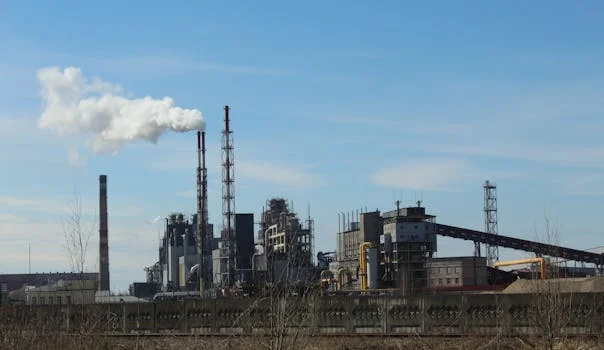
A leading meat processing plant located near Barcelona faced significant challenges with its wastewater discharge, resulting in substantial financial penalties and operational disruptions. The plant's influent consistently presented high concentrations of FOG, ranging from 800–1,200 mg/L, and TSS between 400–600 mg/L. These levels far exceeded Spain’s FOG discharge limit of ≤40 mg/L for the sector, leading to annual fines of approximately €50,000 and frequent production shutdowns due to clogged drains and municipal sewer system surcharges.
To address this, the plant implemented a HydropureWater DAF-100 system, capable of treating 100 m³/h of industrial wastewater. The DAF unit was equipped with an automatic skimming system for continuous FOG removal and an integrated chemical dosing system for pH adjustment and enhanced coagulation. The Spain-specific operational parameters of the DAF system were calibrated to handle the plant’s high organic load and temperature fluctuations, achieving a consistent 95% FOG removal and 92% TSS removal efficiency.
Following the DAF system installation, the plant successfully reduced its FOG discharge to below ≤30 mg/L and TSS to ≤50 mg/L, well within regulatory limits. This immediate compliance eliminated all previous fines, saving the plant €50,000 annually. the efficient FOG removal reduced the need for downstream chemical treatment by 30%, adding to operational savings. The total CAPEX for the DAF-100 system was €120,000, with an OPEX of approximately €0.15/m³ (primarily for energy and chemicals). The combined savings from avoided fines and reduced chemical costs resulted in an impressive payback period of just 18 months, demonstrating the rapid return on investment possible with optimized DAF systems for Spain’s food processing and textile industries.
Key lessons learned from this project included the critical importance of pilot testing. Initial pilot results showed that FOG removal efficiency dropped to 85% at elevated temperatures (35°C) compared to 95% at 20°C, prompting design adjustments to ensure consistent performance under peak summer conditions. Additionally, securing a local service contract with a 2-hour response time for emergencies proved invaluable, minimizing any potential downtime and ensuring operational continuity. For more detailed engineering specs, refer to How Dissolved Air Flotation (DAF) Systems Work.
Frequently Asked Questions
What are the most common sewage treatment equipment failures in Spain, and how can buyers prevent them?
A prevalent failure in MBR systems in Spain, particularly in hotter regions like Andalusia, is membrane fouling due to high temperatures and increased biological activity. This reduces flux and increases cleaning frequency. Prevention includes optimizing aeration (e.g., increasing aeration to 0.12 m³/m²/h to enhance membrane scouring) and implementing robust pre-treatment (e.g., fine screening) to reduce solids loading. For DAF systems, common issues involve pump cavitation or skimmer malfunctions, often prevented by regular maintenance and ensuring proper influent flow rates.
How do Spain’s energy costs impact OPEX for sewage treatment equipment?
Spain’s electricity rates, averaging around €0.22/kWh, significantly influence OPEX. Energy-intensive systems like MBRs, with consumption around 1.2 kWh/m³, will incur higher costs compared to DAF systems at 0.3 kWh/m³. For a 500 m³/day plant, an MBR system could cost approximately €40,000 per year in energy alone (500 m³/day * 1.2 kWh/m³ * 365 days/year * €0.22/kWh). Buyers should prioritize energy-efficient designs and consider renewable energy integration to mitigate these costs, especially as sewage treatment costs vary globally.
What permits are required to install sewage treatment equipment in Spain?
Industrial plants typically require an Autorización Ambiental Integrada (Integrated Environmental Authorization) from regional environmental authorities, which assesses the entire environmental impact. For civil works related to the installation, a Licencia de Obras (Building Permit) from the local municipality is necessary. Timelines for these permits can range from 3 to 12 months, with regional differences (e.g., Catalonia often has more stringent and lengthy processes compared to Madrid). Early engagement with local authorities is crucial.
Can sewage treatment equipment in Spain be financed or leased?
Yes, several financing options are available. Municipal projects, especially those for smaller agglomerations (e.g., ≤500 PE), can often access EU NextGeneration funds or national grants like those from the Ministry for Ecological Transition and Demographic Challenge. Industrial buyers may explore leasing options directly from equipment suppliers or through specialized financial institutions, which can convert CAPEX into manageable OPEX. Local banks also offer specific environmental project loans.
What are the maintenance requirements for sewage treatment equipment in Spain?
Maintenance varies by technology. MBR systems typically require monthly membrane cleaning (e.g., chemical enhanced backwash) and annual membrane replacement every 5–10 years, incurring significant labor and material costs. DAF systems require weekly skimmer maintenance, quarterly pump servicing, and periodic cleaning of the flotation tank. Labor costs for maintenance in Spain range from €25–€40/hour. Regular preventive maintenance schedules are crucial to ensure system longevity and compliance, as discussed in hospital wastewater treatment guides.