Industrial Wastewater Treatment in Russia 2025: Engineering Specs, Costs & Zero-Risk Compliance Guide
In 2025, industrial wastewater treatment in Russia requires systems engineered for an extreme temperature range of -30°C to +40°C while achieving stringent SanPiN 2.1.3684-21 compliance, specifically BOD ≤ 3 mg/L and TSS ≤ 5 mg/L. Capital expenditure (CAPEX) benchmarks for these advanced systems typically range from 80,000 RUB/m³/day for municipal applications to 180,000 RUB/m³/day for complex industrial facilities, with operational energy costs averaging 1.2–2.5 kWh/m³. Efficient package plants, such as the WSZ Series (1–80 m³/h), demonstrate 92–97% Chemical Oxygen Demand (COD) removal, whereas advanced MBR systems deliver near-reuse-quality effluent (<1 μm filtration) at significantly reduced footprints, often 60% smaller than conventional designs.Why Russia’s Extreme Climate Demands Custom-Engineered Wastewater Treatment
Extreme temperature fluctuations from -30°C to +40°C across Russia significantly impair biological treatment efficiency and infrastructure integrity, making generic wastewater systems prone to failure. For a food processing plant in Krasnoyarsk, for instance, a common challenge is frozen sludge lines leading to operational shutdowns and subsequent SanPiN violations. Such severe temperature swings profoundly affect microbial activity; nitrification rates, critical for nitrogen removal, can drop by over 50% when wastewater temperatures fall below 10°C (per EPA 2023 data), directly impacting effluent quality and compliance. Beyond temperature, the widespread presence of permafrost and soil instability, particularly in Siberia and the Far East, necessitates specialized civil engineering. Traditional buried concrete tanks are vulnerable to frost heave and differential settlement, leading to cracks and leaks. Consequently, above-ground installations with robust insulation or specially designed insulated underground structures are often mandatory. A notable example is the Adler WWTP, a 100,000 m³/day facility, which incorporates heated sludge lines and insulated treatment units to ensure year-round operation despite challenging coastal climate conditions. Non-adapted wastewater treatment systems in Russia commonly fail due to several climate-related issues. Frozen aeration diffusers cease to provide oxygen, halting biological processes. Uninsulated concrete tanks can crack under freeze-thaw cycles, compromising structural integrity. Most critically, sludge line blockages due to freezing are a frequent cause of system downtime, leading to untreated effluent discharge. Rosstat 2023 data indicates that approximately 30% of industrial effluent in Russia is discharged without adequate treatment, with a significant portion attributed to climate-related equipment failures, underscoring the critical need for cold climate wastewater treatment engineering.SanPiN 2.1.3684-21 and Russia’s Evolving Industrial Effluent Standards
| Parameter | SanPiN 2.1.3684-21 Limit (Industrial Effluent) | EU Urban Waste Water Directive (Typical) |
|---|---|---|
| BOD | ≤ 3 mg/L | ≤ 25 mg/L |
| TSS | ≤ 5 mg/L | ≤ 35 mg/L |
| COD | ≤ 50 mg/L | ≤ 125 mg/L |
| pH | 6.5–8.5 | 6.0–9.0 |
| Heavy Metals | Industry-specific low limits | Variable, often higher |
Technology Comparison: MBR vs. DAF vs. A/O for Russian Industrial Wastewater
Selecting the optimal wastewater treatment technology in Russia hinges on matching specific industrial influent characteristics and climatic demands with proven system performance, footprint efficiency, and operational costs. Each technology – Membrane Bioreactor (MBR), Dissolved Air Flotation (DAF), and Anaerobic/Oxic (A/O) – offers distinct advantages and limitations for industrial wastewater treatment in Russia.| Parameter | MBR (Membrane Bioreactor) | DAF (Dissolved Air Flotation) | A/O (Anaerobic/Oxic) |
|---|---|---|---|
| Influent Suitability | High COD, high BOD, moderate TSS, nitrification/denitrification | High FOG, emulsified oils, high TSS, low-density solids | Moderate COD/BOD (50-500 mg/L), nitrogen removal |
| Effluent Quality (Removal %) | COD 95–99%, BOD >99%, TSS >99% | TSS 90–95%, FOG >95% | COD 92–97%, BOD 90–95%, TSS 85–90% |
| Effluent Quality (mg/L) | COD <20, BOD <3, TSS <1 | TSS 10–50, FOG <10 | COD 20–50, BOD 5–15, TSS 10–30 |
| Footprint (m²/m³/day) | 0.3–0.6 (60% smaller than conventional) | 0.8–1.5 (compact for pre-treatment) | 1.0–2.0 (moderate) |
| Energy Use (kWh/m³) | 1.0–2.5 (aeration + membrane scouring) | 0.3–0.8 (pump, compressor) | 0.5–1.2 (aeration) |
| CAPEX (RUB/m³/day) | 150,000–250,000 | 50,000–100,000 | 80,000–150,000 |
| OPEX (RUB/m³) | 10–25 | 3–8 | 5–12 |
| Climate Resilience | Requires insulation/heating for membranes; biological activity sensitive to cold. | Less sensitive to cold, but requires robust material/insulation for external units. | Biological activity sensitive to cold; needs insulation for reactors. |
| Industry Fit | Chemical, Pharmaceutical, Municipal (for reuse), Food processing (post-primary) | Food processing (meat, dairy, FOG removal), Oil & Gas, Pulp & Paper | Light industrial, Municipal, Textile, general organic load reduction |
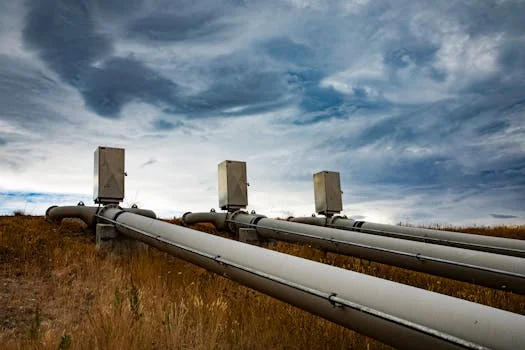
Engineering Adaptations for Extreme Climates: Heating, Insulation, and Freeze Protection
CAPEX and OPEX Breakdown: Budgeting for Industrial Wastewater Treatment in Russia
Accurately budgeting for industrial wastewater treatment in Russia requires a granular understanding of both Capital Expenditure (CAPEX) and Operational Expenditure (OPEX) components, heavily influenced by technology choice, regional logistics, and climate adaptations. For procurement managers, a detailed financial roadmap is essential for justifying investments and securing project approvals.| CAPEX Component | Typical % of Total Project Cost | Notes & Examples |
|---|---|---|
| Equipment | 60–70% | MBR systems ($200,000–$1.5M for 10–100 m³/h); DAF systems ($50,000–$500,000 for 4–300 m³/h) |
| Civil Works | 10–20% | Foundations, tank structures, enclosures. Higher for underground systems. |
| Installation | 5–10% | Piping, electrical, mechanical assembly. |
| Commissioning | 3–5% | System testing, initial startup, performance validation. |
| Contingency | 10% | Unforeseen costs, design changes, logistics delays. |
Supplier Selection Checklist: 10 Critical Questions to Ask Before Procurement
- Do you have BAT certification for your systems? This is often a prerequisite for securing federal funding and demonstrates adherence to Russia’s 'Best Available Techniques' standards.
- Can you provide case studies of installations operating successfully in -30°C climates? Real-world examples from regions like Krasnoyarsk or Yakutsk provide tangible proof of extreme climate resilience, critical for industrial wastewater treatment in Russia.
- What is your local service network in Russia? Suppliers without regional technicians or spare parts depots can lead to costly downtime. Inquire about response times and the availability of certified personnel.
- Do you offer SanPiN compliance guarantees? A reputable supplier should be confident enough to offer contractual assurances, such as covering fines or system upgrades if the effluent consistently exceeds SanPiN 2.1.3684-21 limits.
- What is your lead time for delivery and installation in Russia? Factor in Russia-specific logistics challenges, customs clearances, and seasonal weather impacts that can cause significant delays.
- Do you provide operator training in Russian? Proper operation and maintenance are critical for system longevity and compliance. Training materials and instruction must be accessible to local plant operators.
- What are your membrane/DAF media replacement costs and availability? These are often hidden OPEX items. Understand the lifespan, cost, and lead time for consumable replacements.
- Can your system integrate with existing SCADA systems? Seamless integration ensures centralized monitoring, automation, and data logging, which are crucial for modern industrial facilities.
- What is your warranty period for extreme climate conditions? Standard warranties may not cover specific cold-weather failures. Seek extended or specialized warranties for components exposed to severe temperatures.
- Do you offer financing or leasing options? Explore flexible payment structures, such as 5-year payment plans, which can ease initial CAPEX burdens and align with budget cycles for industrial wastewater treatment in Russia.
Frequently Asked Questions
Understanding the nuances of industrial wastewater treatment in Russia often involves addressing common questions regarding costs, compliance, and funding mechanisms.What is the average cost of a wastewater treatment plant in Russia?
Capital expenditure (CAPEX) for industrial wastewater treatment plants in Russia typically ranges from 80,000 to 180,000 RUB per m³/day of capacity, with industrial facilities generally falling at the higher end due to stricter compliance needs and complex influent characteristics. For instance, a 50 m³/h MBR system can cost approximately 30 million RUB, while a DAF system for the same capacity, often used for pre-treatment of high-FOG wastewater, might cost around 15 million RUB.
How can I get federal funding for my project?
Federal funding for wastewater treatment projects in Russia is primarily available through national programs like the 'Clean Water' initiative, managed by the Ministry of Natural Resources. To apply, industrial facilities should: 1) Submit a project proposal demonstrating alignment with national environmental goals; 2) Ensure their proposed system design is Best Available Techniques (BAT) certified; and 3) Partner with a local supplier whose equipment and designs have federal approvals. For example, HydropureWater’s WSZ Series package plants are pre-approved for specific federal funding programs, simplifying the application process for industrial clients.
What are the key challenges for food processing wastewater treatment in Siberia?
Food processing wastewater treatment in Siberia presents unique challenges due to high concentrations of Fats, Oils, and Grease (FOG), organic loads, and the region's extreme cold. Low temperatures significantly impact biological activity, reducing the efficiency of conventional activated sludge systems. Key adaptations include robust pre-treatment using DAF systems to remove FOG, followed by insulated biological reactors (such as those in WSZ Series package plants) designed to maintain optimal temperatures. This combination ensures stable performance and compliance with SanPiN 2.1.3684-21 effluent limits despite the harsh climate. See how food processing plants in cold climates handle high-FOG wastewater for more insights.
Related Equipment
- WSZ Series package plants for Russia’s cold climate — view specifications, capacity range, and technical data
- MBR systems for near-reuse-quality effluent in extreme climates — view specifications, capacity range, and technical data
- DAF systems for high-FOG industrial wastewater — view specifications, capacity range, and technical data
Need a customized solution? Request a free quote with your specific flow rate and pollutant parameters.