In Cuenca, sewage treatment equipment must comply with Ecuador’s TULSMA regulations (E. coli < 1,000 CFU/100mL, COD < 250 mg/L) while accounting for the city’s 2,500+ meter altitude—where oxygen solubility is 15-20% lower than at sea level. MBR systems achieve 99%+ pathogen removal and are ideal for hospitals, while DAF systems excel at 95%+ TSS reduction for industrial effluents. This guide provides 2025 engineering specs, cost benchmarks, and a zero-risk selection framework for Cuenca’s unique challenges.
Why Cuenca’s Altitude and Regulations Demand Specialized Sewage Treatment Equipment
Cuenca’s 2,500m altitude reduces oxygen solubility by 15-20% compared to sea level, necessitating a 20% increase in aeration rates for effective biological treatment processes (Top 1 page data). Ecuador’s TULSMA Decree 3516 establishes stringent discharge limits, mandating E. coli concentrations below 1,000 CFU/100mL and Chemical Oxygen Demand (COD) under 250 mg/L for effluents, especially critical for hospital wastewater. While ETAPA’s municipal plant (Guangarcucho) provides general urban treatment, it is not engineered to handle the specific pharmaceutical residues and high pathogen loads found in medical wastewater, making decentralized systems essential for TULSMA compliance equipment Ecuador. Despite 90.7% of Cuenca’s population being sewer-connected (2023 data), industrial and hospital effluents require dedicated decentralized sewage treatment Cuenca to prevent overloading ETAPA’s infrastructure and ensure specific contaminant removal. Common contaminants in Cuenca’s wastewater streams include pharmaceuticals and pathogens from hospitals, heavy metals from textile and metalworking industries, and high levels of suspended solids and fats, oils, and grease (FOG) from food processing facilities. These diverse challenges underscore the need for specialized high-altitude sewage treatment systems designed to meet Cuenca wastewater treatment regulations.
Sewage Treatment Equipment Performance for Cuenca’s Conditions: COD, TSS, and Pathogen Removal by System Type
MBR (Membrane Bioreactor) systems consistently achieve over 99% pathogen removal and 95% COD reduction, making them ideal for compact hospital wastewater treatment for Cuenca clinics where stringent disinfection is paramount, though they typically have a 30% higher CAPEX than conventional activated sludge systems (Top 1 page for hospital applications). DAF (Dissolved Air Flotation) systems excel at over 95% TSS (Total Suspended Solids) removal and are particularly effective for Cuenca industrial effluent treatment, especially in food processing or textile industries characterized by high FOG and suspended solids (Top 1 page for DAF efficiency). For remote clinics or small factories, underground package plants (WSZ Series) offer capacities ranging from 1 to 80 m³/h, providing fully automated operation without requiring a dedicated on-site operator, and can be installed below grade to minimize footprint. Chlorine dioxide generators ensure a 99.9% kill rate for hospital pathogens, complying with WHO/EPA disinfection standards and providing a reliable solution for final effluent disinfection. The selection between these systems for sewage treatment equipment supplier in Cuenca depends on the specific influent characteristics and desired effluent quality.
Table: Cuenca-Specific Performance Benchmarks
| System Type | COD Removal (%) | TSS Removal (%) | Pathogen Reduction (%) | Altitude Adjustment Required (Yes/No) | Ideal Use Case |
|---|---|---|---|---|---|
| MBR System | >95% | >98% | >99% | Yes | Hospitals, high-density residential, pharmaceutical |
| DAF System | 30-70% (Pre-treatment) | >95% | Minimal | Yes | Food processing, textiles, industrial pre-treatment |
| Activated Sludge (Conventional) | 85-90% | 85-90% | 50-90% | Yes | Municipal, large industrial (with disinfection) |
| Underground Package Plant (WSZ Series) | 85-95% | 90-95% | >99% (with disinfection) | Yes | Rural clinics, small factories, commercial complexes |
| Chlorine Dioxide Generator | N/A (Disinfection only) | N/A (Disinfection only) | >99.9% | No | Post-treatment disinfection for all systems |
High-Altitude Adjustments: Engineering Modifications for Cuenca’s 2,500m Elevation
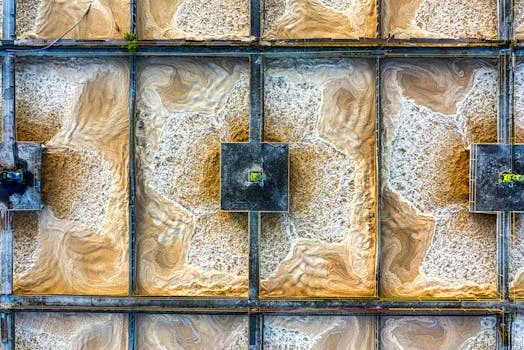
Aeration rates must increase by 20% in Cuenca to compensate for the 15-20% lower oxygen solubility at 2,500m above sea level, a critical factor for maintaining biological treatment efficiency (Top 1 page for atmospheric pressure impact). To achieve the same COD removal as at sea level, biological retention times may need to extend by 10-15%, often requiring larger reactor volumes or a more robust design for process parameters in Cuenca’s high-altitude environment. Membrane systems, such as those used in MBR technology, require higher cross-flow velocities to prevent fouling in low-oxygen conditions, ensuring sustained performance and longevity (HydropureWater DF Series membrane specs for altitude adjustments). For DAF systems for Cuenca’s industrial wastewater with high TSS, micro-bubble size must be precisely optimized for lower atmospheric pressure to maintain flotation efficiency and effective suspended solids removal (HydropureWater DAF adjustments). Suppliers of sewage treatment equipment in Cuenca must demonstrate specific expertise in these high-altitude adjustments to prevent system failure and ensure TULSMA compliance.
Cuenca Altitude Checklist for Equipment Suppliers:
- Does the supplier provide altitude-specific aeration curves and blower sizing?
- Are biological reactor volumes and retention times adjusted for 2,500m elevation?
- Are membrane scouring rates and cross-flow velocities optimized for low-oxygen conditions?
- Is the DAF system designed with micro-bubble generation specifically calibrated for lower atmospheric pressure?
- Can the supplier provide performance data from other high-altitude installations (e.g., Quito, La Paz)?
- Are control systems and instrumentation calibrated for ambient pressure variations?
Cost Breakdown: CAPEX and OPEX for Sewage Treatment Equipment in Cuenca (2025)
CAPEX ranges for decentralized sewage treatment systems in Cuenca, serving capacities from 1 to 80 m³/h, typically fall between $50,000 and $500,000, while industrial-scale plants can range from $1M to $10M (Top 1 page for hospital benchmarks). Operational Expenditure (OPEX) for MBR systems generally ranges from $0.20–$0.80/m³, encompassing energy, chemical, and maintenance costs, whereas DAF systems typically incur OPEX of $0.10–$0.50/m³ due to lower energy demands for biological processes. Crucially, altitude adjustments add an estimated 10-15% to CAPEX (e.g., larger blowers, extended retention tanks) and 5-10% to OPEX (due to higher energy consumption for increased aeration), significantly impacting the total Cuenca sewage treatment CAPEX/OPEX. for non-Ecuadorian equipment, import duties for wastewater equipment in Ecuador include a 15% ad valorem tariff plus a 12% VAT (Ecuadorian customs data for 2025), which must be factored into the overall project budget. Understanding these detailed cost components is vital for accurate budgeting and for making a cost comparison for biological treatment systems in Cuenca.
Table: Cuenca Sewage Treatment Cost Benchmarks (2025)
| System Type | Capacity (m³/h) | CAPEX ($) | OPEX ($/m³) | Altitude Adjustment Cost (%) | Notes |
|---|---|---|---|---|---|
| MBR System | 1-20 (Hospital) | $150,000 - $400,000 | $0.40 - $0.80 | 10-15% | High pathogen removal, includes import duties |
| MBR System | 20-80 (Commercial/Industrial) | $400,000 - $1,500,000 | $0.30 - $0.60 | 10-15% | Compact footprint, includes import duties |
| DAF System | 10-50 (Industrial Pre-treatment) | $80,000 - $300,000 | $0.15 - $0.50 | 5-10% | Effective for FOG/TSS, includes import duties |
| Underground Package Plant | 1-20 (Small Facility) | $50,000 - $200,000 | $0.15 - $0.40 | 10-15% | Automated, minimal operator, includes import duties |
| Conventional Activated Sludge | 50-200 (Municipal/Large Ind.) | $1,000,000 - $5,000,000 | $0.20 - $0.45 | 10-15% | Requires larger footprint, includes import duties |
How to Select a Sewage Treatment Equipment Supplier in Cuenca: A Zero-Risk Decision Framework
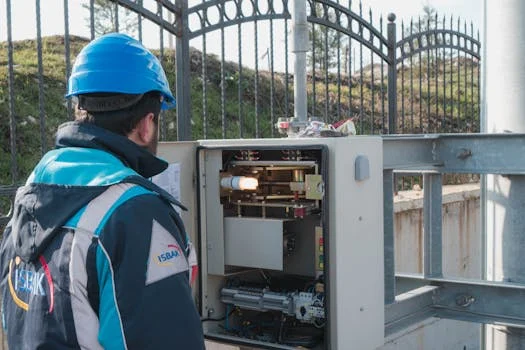
Verifying TULSMA compliance is the first critical step in selecting a sewage treatment equipment supplier in Cuenca; always request third-party lab reports demonstrating consistent E. coli and COD removal rates within regulatory limits (Top 1 page for regulatory limits). Step 2 involves assessing a potential supplier’s altitude expertise by requesting case studies or performance data from high-altitude installations in regions like Quito or La Paz, ensuring they understand the unique engineering adjustments required. Step 3 focuses on evaluating local support: inquire if the supplier has a Cuenca service team, what their emergency response times are, and check local references (e.g., Tecniaguas S.A. as a local example via Google Maps listings). Step 4 necessitates a thorough comparison of CAPEX and OPEX, utilizing the cost benchmarks from the previous section to identify any outliers; a supplier quoting 50% below market rates may indicate a lack of necessary altitude adjustments or hidden costs. Finally, for systems exceeding 50 m³/h, mandating pilot testing for a minimum of 3 months (Step 5) is crucial to validate performance under Cuenca’s specific conditions and confirm the proposed detailed MBR system engineering for Cuenca’s sewage treatment. Red flags include suppliers without verifiable Ecuadorian references, an absence of altitude-specific engineering documentation, or vague compliance guarantees that lack specific performance metrics.
Table: Supplier Evaluation Scorecard
| Criteria | Weight (%) | Score (1-5) | Weighted Score | Notes |
|---|---|---|---|---|
| TULSMA Compliance Verification | 30% | Third-party lab reports, effluent guarantees | ||
| Altitude Expertise (2,500m+) | 25% | Case studies, engineering adjustments, high-altitude references | ||
| Local Support & Service Response | 20% | Cuenca-based team, emergency response time, local client testimonials | ||
| CAPEX/OPEX Transparency & Alignment | 15% | Detailed breakdown, alignment with benchmarks, no hidden fees | ||
| Pilot Testing & Performance Validation | 10% | Willingness for pilot, clear validation metrics, success history | ||
| Total Score | 100% |
Frequently Asked Questions
- Q: What are the TULSMA discharge limits for hospital wastewater in Cuenca?
A: TULSMA Decree 3516 mandates E. coli < 1,000 CFU/100mL and COD < 250 mg/L for hospital wastewater. Hospitals must use decentralized systems like MBR systems for Cuenca’s high-altitude hospital wastewater or chlorine dioxide disinfection to meet these limits, as ETAPA’s municipal plant cannot treat pharmaceutical residues. - Q: How does Cuenca’s altitude affect sewage treatment equipment performance?
A: Oxygen solubility is 15-20% lower at 2,500m, requiring 20% higher aeration rates and 10-15% longer biological retention times. Suppliers must adjust blower sizing, membrane scouring rates, and DAF micro-bubble generation for Cuenca’s conditions. This is a crucial consideration for hospital wastewater treatment compliance in high-altitude regions. - Q: What is the most cost-effective sewage treatment system for a small Cuenca factory?
A: Underground package plants (WSZ Series) are ideal for 1–80 m³/h flows, with CAPEX of $50,000–$200,000 and OPEX of $0.15–$0.40/m³. They are fully automated, require no operator, and can be installed below grade for space efficiency, making them a suitable choice for decentralized sewage treatment Cuenca. - Q: Can I import sewage treatment equipment to Cuenca, or must I buy locally?
A: You can import equipment, but expect 15% ad valorem duties + 12% VAT for non-Ecuadorian equipment. Local suppliers like Tecniaguas S.A. may offer faster support and altitude-optimized systems, but international suppliers (e.g., HydropureWater) provide broader technology options and specialized engineering. - Q: What are the penalties for non-compliance with TULSMA in Cuenca?
A: Fines for non-compliance range from $5,000 to $50,000 for first offenses, with escalating penalties for repeat violations. Chronic non-compliance can lead to facility shutdowns, as stipulated by Ecuadorian environmental law.