Why GaN Wastewater ZLD is a Financial and Regulatory Imperative in 2025
Gallium nitride (GaN) wastewater zero liquid discharge (ZLD) systems are critical for semiconductor fabs facing $12–$25/m³ disposal costs and fines up to $500,000 for non-compliance with China GB 8978-1996 or US EPA 40 CFR Part 469. Hybrid ZLD systems recover 99.8% of water and extract gallium at 95%+ purity, reducing operational costs by 30-40% annually. This guide provides 2025 system designs, engineering specs, cost breakdowns, and compliance strategies for GaN wastewater treatment. The projected 18% annual increase in GaN wastewater volume through 2030, driven by 5G, EV power electronics, and RF applications, exacerbates these challenges. For a 200 mm fab processing 500 m³/day, implementing a high-efficiency recovery system can lead to annual savings of approximately $1.2M through 99% water reuse and 90% gallium recovery.
Hybrid ZLD System Design for GaN Wastewater: Process Flow and Engineering Specs
Designing a hybrid ZLD system for GaN wastewater involves a multi-stage approach to maximize water recovery and material extraction. The typical process flow begins with pretreatment to remove suspended solids and adjust pH, followed by advanced membrane filtration for dissolved contaminants, chemical precipitation for gallium recovery, and finally, evaporation or crystallization to achieve zero liquid discharge. Each stage requires precise engineering parameters to ensure optimal performance and cost-effectiveness. For GaN wastewater pretreatment, adjusting the pH to 8.5–9.0 is crucial for efficient gallium precipitation. This is typically achieved using chemical dosing rates of 10–20 g/L of sodium hydroxide (NaOH) or lime, managed by a PLC-controlled automatic chemical dosing system. Primary filtration, often utilizing Dissolved Air Flotation (DAF) systems from our DAF line, removes over 90% of Total Suspended Solids (TSS). For finer particulate removal, microfiltration with pore sizes ranging from 0.1 to 0.5 μm is employed. Membrane filtration stages include Ultrafiltration (UF) with pore sizes of 0.01–0.1 μm for colloidal matter, Nanofiltration (NF) with pore sizes of 0.001–0.01 μm for multivalent ions, and Reverse Osmosis (RO) for desalination, achieving high flux rates and recovery rates with membranes made from materials like PVDF or polyamide. Gallium recovery is primarily achieved through chemical precipitation, where NaOH or ammonium hydroxide (NH₄OH) dosing at 10–20 g/L precipitates gallium hydroxide, yielding a purity of 95%+ after a settling time of 2–4 hours. The resulting sludge is then dewatered using plate and frame filter presses. The final ZLD stage often employs Mechanical Vapor Recompression (MVR) or Multi-Effect Evaporation (MEE) to concentrate the remaining brine into solid salts.
| Process Stage | Key Parameters | Typical Equipment | HydropureWater Product Link |
|---|---|---|---|
| Pretreatment | pH Adjustment (8.5-9.0), Chemical Dosing (10-20 g/L NaOH/Lime) | Dosing Pumps, pH Sensors | Automatic Chemical Dosing System |
| Primary Filtration | TSS Removal (>90%), Pore Size (0.1-0.5 μm) | DAF, Microfiltration | Dissolved Air Flotation (DAF) Machine |
| Membrane Filtration | UF (0.01-0.1 μm), NF (0.001-0.01 μm), RO | UF/NF/RO Skids | Reverse Osmosis RO Water Purification |
| Gallium Recovery | Precipitation pH (8.5-9.0), Purity (95%+), Settling Time (2-4 hrs) | Precipitation Tanks, Thickeners | N/A (Process Stage) |
| Sludge Dewatering | Solids Content (>30%) | Filter Press | Plate and Frame Filter Press |
| ZLD Concentration | Energy Consumption (MVR: 20-30 kWh/m³, MEE: 40-60 kWh/m³) | MVR Evaporator, MEE Evaporator | N/A (Process Stage) |
ZLD Technology Comparison: MVR vs. MEE vs. Membrane-Based Systems for GaN Wastewater
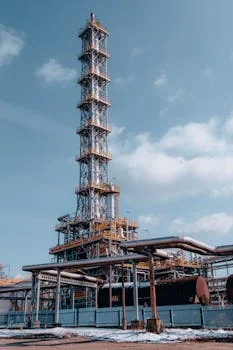
Selecting the appropriate ZLD technology is paramount for optimizing energy consumption, capital expenditure (CAPEX), and operational expenditure (OPEX) for GaN wastewater treatment. Mechanical Vapor Recompression (MVR) systems offer superior energy efficiency, typically consuming 20–30 kWh/m³, but come with a higher CAPEX, ranging from $1.5M–$3M for a 500 m³/day capacity, due to the integrated compressor technology and associated maintenance requirements. Multi-Effect Evaporation (MEE) systems present a lower CAPEX, around $1M–$2M for the same capacity, but exhibit higher energy usage, generally 40–60 kWh/m³, making them more suitable for medium-scale operations where steam availability is a consideration. Membrane-based ZLD systems, while offering the lowest energy consumption (10–20 kWh/m³), are often limited by scaling and fouling, and are best utilized as a pre-concentration step before thermal evaporation, extending membrane lifespan and reducing overall system energy demand. Hybrid systems, which judiciously combine membrane pre-concentration with either MVR or MEE, have demonstrated up to 30% energy savings compared to standalone thermal systems.
| Technology | Typical Energy Consumption (kWh/m³) | Estimated CAPEX (500 m³/day) | Estimated OPEX ($/m³) | Suitability for GaN Wastewater |
|---|---|---|---|---|
| MVR | 20–30 | $1.5M–$3M | $4–$7 | Large-scale fabs; high water recovery, lower energy cost. |
| MEE | 40–60 | $1M–$2M | $5–$8 | Medium-scale fabs; lower initial investment, higher energy cost. |
| Membrane-Based (Pre-concentration) | 10–20 | $0.5M–$1M | $2–$4 | Effective as a pre-treatment to reduce load on thermal systems; requires careful fouling management. High-recovery RO systems are key here. |
| Hybrid (Membrane + MVR/MEE) | 15–25 | $1.5M–$2.5M | $3–$5 | Optimized for energy efficiency and cost-effectiveness, achieving ~30% energy savings. |
Gallium Recovery from GaN Wastewater: Methods, Purity, and Economic Viability
Effective gallium recovery from GaN wastewater is not only an environmental necessity but also a significant economic opportunity. Chemical precipitation using NaOH or NH₄OH is the most common method, achieving 95%+ gallium purity and 80–90% recovery rates. This process involves careful pH control within the 8.5–9.0 range, followed by a sufficient settling time of 2–4 hours to allow the gallium hydroxide precipitate to form and settle, after which the sludge is dewatered. Solvent extraction offers higher purity (98%+) but incurs higher operational costs due to the expense of solvents and the need for specialized equipment. Emerging biotechnological recovery methods, utilizing algae or bacteria for selective gallium uptake, are still in pilot stages and face scalability challenges. The market value of gallium, projected to be $600–$800/kg in 2025, coupled with supply chain risks such as export restrictions, makes in-house recovery highly attractive. A 90% gallium recovery rate can offset 20–30% of raw material costs for a 200 mm fab, significantly improving the overall financial performance of GaN semiconductor manufacturing. The precipitated gallium sludge, after dewatering by plate and frame filter presses, is then prepared for refining or sale.
CAPEX and OPEX Breakdown for GaN Wastewater ZLD Systems
Implementing a comprehensive hybrid ZLD system for GaN wastewater represents a substantial capital investment, typically ranging from $2M to $5M for a 500 m³/day capacity. This CAPEX is distributed across the system's core components: approximately 30% for pretreatment and DAF, 40% for advanced membrane filtration (UF/NF/RO), and 30% for the final evaporation and crystallization stage. Operational expenditure (OPEX) for such systems is estimated at $3–$6/m³ of treated water, with energy consumption accounting for roughly 40%, followed by chemicals at 30%, maintenance at 20%, and labor at 10%. The annual savings generated by a ZLD system for a 500 m³/day fab can be significant, ranging from $1M to $1.5M, reflecting a 30–40% reduction in overall operational costs through water reuse and material recovery. The Return on Investment (ROI) timeline typically falls between 2 to 4 years, heavily influenced by factors such as energy costs, the price of recovered gallium, and the efficiency of water reuse. It is crucial to also consider potential hidden costs, including annual membrane replacement, which can range from $50K to $100K, sludge disposal fees ($20–$50/ton), and the ongoing expenses associated with regulatory compliance monitoring.
| Cost Category | Typical Range (500 m³/day system) | Breakdown/Considerations |
|---|---|---|
| CAPEX | $2M – $5M | 30% Pretreatment/DAF, 40% Membrane Filtration, 30% Evaporation/Crystallization |
| OPEX | $3 – $6 /m³ | 40% Energy, 30% Chemicals, 20% Maintenance, 10% Labor |
| Annual Savings | $1M – $1.5M | 30-40% reduction in operational costs, driven by water reuse and gallium recovery. |
| ROI Timeline | 2 – 4 years | Dependent on energy prices, gallium market value, and water reuse rates. |
| Hidden Costs | Variable | Membrane replacement ($50K–$100K/year), sludge disposal ($20–$50/ton), compliance monitoring. |
Compliance Blueprint: Meeting China GB 8978-1996 and US EPA 40 CFR Part 469 for GaN Wastewater
Navigating the complex regulatory landscape for GaN wastewater discharge is critical to avoid substantial fines and ensure operational continuity. China's GB 8978-1996 standard imposes strict limits on heavy metals, such as arsenic (< 0.5 mg/L) and gallium (< 1 mg/L), alongside a pH range of 6–9. The US EPA's 40 CFR Part 469, specifically Subpart B for Semiconductor Manufacturing, sets discharge limits for fluoride (< 25 mg/L) and arsenic (< 0.1 mg/L), also requiring a pH between 6–9. Hybrid ZLD systems are instrumental in meeting these stringent requirements by achieving near-complete water recovery and removing contaminants to below detection limits. Effective monitoring protocols are essential, involving continuous sensors for pH, TSS, and heavy metals, integrated with online spectrophotometers for real-time data acquisition. Regular reporting is mandated: quarterly discharge reports for Chinese environmental authorities and annual Toxics Release Inventory (TRI) reports for the US EPA. For instance, a hypothetical Shanghai fab successfully reduced arsenic levels from 1.2 mg/L to 0.05 mg/L through the implementation of a ZLD system, ensuring sustained compliance and environmental stewardship. Understanding the nuances of these regulations, such as the specific pretreatment requirements for fluoride removal, is key to designing a compliant and effective wastewater management strategy. A detailed comparison of GaN wastewater discharge standards is crucial for global operations.
Case Study: Hybrid ZLD System for a 200 mm GaN Fab in Suzhou, China
A leading 200 mm GaN semiconductor fabrication plant in Suzhou, China, faced mounting challenges with escalating wastewater disposal costs, averaging $20/m³, and significant non-compliance risks due to arsenic levels frequently exceeding the GB 8978-1996 limit of 0.5 mg/L, often reaching 0.8 mg/L. To address this, HydropureWater designed and implemented a state-of-the-art hybrid ZLD system. The system comprised DAF pretreatment utilizing our DAF units, followed by a multi-stage UF/RO membrane filtration train, and concluded with a high-efficiency MVR evaporation unit for final brine concentration. The implemented system achieved an exceptional 99.8% water recovery rate, enabling significant water reuse within the fab. it achieved 92% gallium recovery with a purity of 96%, directly contributing to cost savings. Critically, arsenic levels in the final effluent were reduced to a mere 0.03 mg/L, well within regulatory requirements. This comprehensive solution resulted in annual savings of $1.3M, representing a 35% reduction in operational costs. Key lessons learned highlighted the importance of robust membrane cleaning protocols to mitigate fouling and the necessity of efficient gallium sludge dewatering and handling procedures, managed via our plate and frame filter press. With a total CAPEX of $3.2M, the system achieved an impressive ROI of 2.8 years.
Frequently Asked Questions
What is the typical recovery rate for GaN wastewater ZLD systems?
Hybrid ZLD systems commonly achieve 99.8% water recovery and 90–95% gallium recovery.
How much does a GaN wastewater ZLD system cost?
CAPEX ranges from $2M–$5M for a 500 m³/day system, with OPEX of $3–$6/m³ treated, as detailed in the CAPEX/OPEX breakdown section.
What are the key regulatory limits for GaN wastewater?
China GB 8978-1996 limits arsenic to 0.5 mg/L and gallium to 1 mg/L; US EPA 40 CFR Part 469 limits arsenic to 0.1 mg/L. Refer to the Compliance Blueprint section for comprehensive details.
Can gallium be recovered from GaN wastewater economically?
Yes, gallium recovery can offset 20–30% of raw material costs. 95%+ purity is achievable via chemical precipitation, as discussed in the Gallium Recovery section.
What are the energy requirements for ZLD systems?
MVR systems typically use 20–30 kWh/m³, MEE systems use 40–60 kWh/m³, and membrane-based systems use 10–20 kWh/m³, as compared in the ZLD Technology Comparison section.