Cartagena Sewage Treatment Equipment Supplier: 2025 Cost Data, Engineering Specs & Zero-Risk Selection Guide
In Cartagena, selecting a sewage treatment equipment supplier requires balancing corrosion-resistant materials (304/316L stainless steel adds 20–30% to CAPEX), compliance with Resolution 0631/2015, and local flooding risks. Industrial plants (50 m³/h) start at $200,000 with OPEX of $0.50–$1.50/m³, while municipal systems cost $5–$15/m³ of capacity (per Top 1 data). This guide provides 2025 cost benchmarks, engineering specs, and a zero-risk selection framework to match equipment to Cartagena’s unique coastal and regulatory environment.Why Cartagena’s Sewage Treatment Challenges Are Unique: Corrosion, Flooding, and Compliance
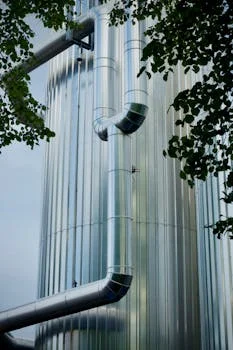
Cartagena’s coastal environment presents specific engineering challenges for sewage treatment infrastructure, significantly impacting equipment longevity and operational costs. The city's relative humidity, frequently exceeding 80%, combined with saline air, accelerates the oxidation of standard carbon steel components. This necessitates the use of premium materials like 304 or 316L stainless steel for tanks, piping, and mechanical parts, which typically adds a 20–30% premium to initial equipment CAPEX compared to inland projects (per Top 1 data). Ignoring this material specification leads to rapid corrosion, system failures, and costly early replacements within 5–7 years. Cartagena’s low-lying topography makes many areas susceptible to seasonal flooding and high-tide events, demanding robust civil engineering solutions. Elevated equipment structures or integrated pumping stations are often required to prevent system inundation, adding an estimated $50,000 to $200,000 to civil engineering budgets. Proper design must account for these hydrological factors to ensure continuous operation and protect against infrastructure damage. Regulatory pressure from Colombia’s Resolution 0631/2015 establishes national effluent discharge limits, but Cartagena’s local amendments, particularly for industrial zones like Mamonal, impose even stricter standards. These local regulations often mandate lower Biochemical Oxygen Demand (BOD) and Total Suspended Solids (TSS) levels, alongside stringent pathogen removal requirements, to protect the city's tourism-driven coastal ecosystems. Effluent limits for BOD, TSS, and pathogens in Cartagena are typically 20–30% stricter than those in inland cities like Bogotá or Medellín, requiring more advanced treatment technologies. Non-compliance can result in substantial fines ranging from $5,000 to $50,000.Sewage Treatment Equipment Types for Cartagena: Performance, Costs, and Use-Case Matching
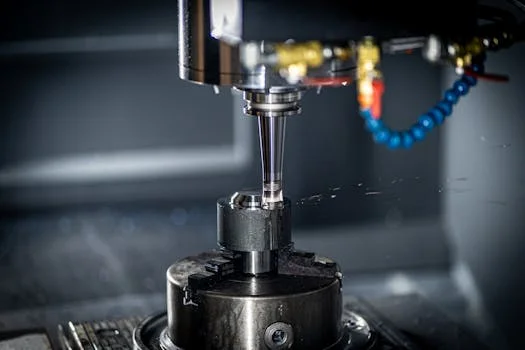
Dissolved Air Flotation (DAF) systems excel in treating industrial effluents with high concentrations of Fats, Oils, and Grease (FOG) or Total Suspended Solids (TSS), achieving over 95% removal efficiency. A DAF system designed for 50–300 m³/h typically costs between $80,000 and $300,000. For Cartagena, specifying 316L stainless steel for all wetted components is crucial to resist the corrosive environment, which adds approximately 25% to the total equipment cost. These systems are highly effective as primary or secondary treatment stages for various industrial wastewaters, including those from food processing, petrochemicals, and manufacturing. HydropureWater offers robust DAF systems for high-efficiency TSS and FOG removal in Cartagena’s industrial wastewater.
Membrane Bioreactor (MBR) systems produce near-reuse-quality effluent, often achieving <1 μm filtration, making them ideal for applications requiring high-purity water for non-potable reuse. MBR systems boast a significantly smaller footprint (up to 60% less than conventional activated sludge systems), which is advantageous for space-constrained industrial sites in Cartagena. However, their operational expenditure is higher, typically ranging from $1.20–$2.00/m³ due to membrane cleaning and replacement costs. Despite the higher OPEX, the potential for water reuse can offset costs, especially with Cartagena’s municipal water prices. Explore MBR systems for near-reuse-quality effluent in space-constrained Cartagena sites.
Package plants (WSZ series) offer fully automated, compact, and modular solutions, suitable for decentralized municipal, commercial, or smaller industrial applications. These units can be designed for buried or mobile installations, with costs ranging from $150,000 to $500,000 for capacities between 1–80 m³/h. For Cartagena, specifying corrosion-resistant coatings or fiberglass-reinforced plastic (FRP) construction adds approximately 15% to the cost but ensures long-term durability. HydropureWater provides fully automated package plants for Cartagena’s residential and commercial projects.
Submarine outfalls represent a lower CAPEX option ($2–$8/m³ of capacity) for municipal projects with direct coastal access, as seen in some historical Cartagena investments (per Top 1 data). However, they are generally not viable for industrial effluents due to the strict discharge limits imposed by Resolution 0631/2015 and local amendments, which often prohibit raw or minimally treated industrial discharge into sensitive marine environments.
The following table provides a comparative overview of these technologies:
| Technology Type | Influent Quality (Typical) | Effluent Quality (BOD/TSS/Pathogens) | CAPEX Range (50-300 m³/h) | OPEX/m³ | Footprint (Relative) | Cartagena Adaptations |
|---|---|---|---|---|---|---|
| DAF System | High FOG/TSS | <30 mg/L BOD, <30 mg/L TSS | $80K–$300K | $0.50–$1.00 | Medium | 316L SS for 25% premium, elevated mounting |
| MBR System | Medium BOD/TSS | <5 mg/L BOD, <5 mg/L TSS, 0 CFU/100 mL pathogens | $300K–$800K | $1.20–$2.00 | Small (60% less) | 316L SS components, robust membrane materials |
| Package Plant (WSZ) | Low-Medium BOD/TSS | <20 mg/L BOD, <20 mg/L TSS | $150K–$500K (1-80 m³/h) | $0.80–$1.50 | Compact/Flexible | Corrosion-resistant coatings/FRP for 15% premium, buried or elevated |
| Submarine Outfall | Municipal (low-medium) | Minimal treatment, dispersed | $2–$8/m³ capacity | Low | Very Large | Limited to municipal, not industrial due to Resolution 0631/2015 |
For rapid deployment and modularity in industrial settings, consider skid-mounted wastewater treatment systems for rapid deployment in Cartagena.
2025 Cost Breakdown: CAPEX, OPEX, and Hidden Costs for Cartagena Projects
Accurately budgeting for a sewage treatment project in Cartagena requires a comprehensive understanding of both upfront capital expenditures (CAPEX) and ongoing operational expenses (OPEX), as well as often-overlooked hidden costs. Industrial plants ranging from 50–500 m³/h typically require a CAPEX of $200,000–$1,000,000, while municipal capacity investments can range from $5–$15 per m³ (per Top 1 data). Material premiums are a significant CAPEX driver in Cartagena. The necessity of 304/316L stainless steel for wetted parts adds 20–30% to the core equipment cost, while specialized corrosion-resistant coatings for external components or less critical internal parts can add another 10–15%. These material upgrades are non-negotiable for ensuring equipment longevity in the city's highly corrosive environment. Civil engineering costs are also elevated due to local topographical challenges. For flood-prone sites, constructing elevated equipment platforms or installing robust pumping stations to prevent inundation can add an additional $50,000 to $200,000 to the project budget. Site-specific geotechnical surveys and flood risk assessments are critical to accurately estimate these costs. Operational expenditures (OPEX) are primarily driven by energy consumption, chemical usage, and maintenance. Energy costs for pumps, blowers, and mixers typically range from $0.30–$0.80/m³ of treated water. Chemical consumption, for pH adjustment, coagulation, or disinfection (such as chlorine dioxide disinfection for Cartagena’s strict pathogen limits), adds $0.10–$0.40/m³. MBR systems, while providing superior effluent quality, incur higher OPEX due to membrane replacement, which can add $0.20–$0.50/m³ every 5–7 years. Hidden costs can significantly impact the overall project budget and timeline. Permitting delays are common, often adding 3–6 months to the project schedule, necessitating early engagement with local authorities. Import duties for non-Colombian equipment can range from 15–20% of the equipment value, requiring careful calculation during procurement. budgeting for after-sales support, including annual maintenance contracts and spare parts, is crucial and typically represents 10–15% of the initial CAPEX annually. Neglecting these costs can lead to unexpected expenses and operational disruptions.| Cost Category | DAF System | MBR System | Package Plant | Submarine Outfall (Municipal) |
|---|---|---|---|---|
| CAPEX Range (50-300 m³/h) | $80K–$300K | $300K–$800K | $150K–$500K (1-80 m³/h) | $2–$8/m³ capacity |
| OPEX/m³ (Energy, Chemicals, Maint.) | $0.50–$1.00 | $1.20–$2.00 | $0.80–$1.50 | $0.10–$0.30 |
| Material Premiums (Cartagena) | 20–25% (316L SS) | 20–30% (316L SS) | 10–15% (Coatings/FRP) | 5–10% (Corrosion-resistant piping) |
| Civil Engineering (Flood Adaptation) | $50K–$150K | $50K–$100K | $20K–$80K | $100K–$200K (Pumping stations) |
| Hidden Costs (Permitting, Import Duties, After-sales) | 15–25% of CAPEX | 15–25% of CAPEX | 15–25% of CAPEX | 10–20% of CAPEX |
For insights into similar coastal challenges, consider lessons from Rio de Janeiro’s coastal wastewater projects.
Supplier Selection Framework: 7 Zero-Risk Criteria for Cartagena Projects
ROI Calculator: How to Justify Your Cartagena Sewage Treatment Investment
Justifying a significant investment in sewage treatment equipment in Cartagena goes beyond mere compliance; it involves quantifying long-term financial benefits, risk mitigation, and operational efficiencies. A structured ROI calculation can help facility managers and procurement teams build a compelling business case. One primary driver for ROI is avoiding regulatory fines. Non-compliance with Resolution 0631/2015 and Cartagena’s local effluent standards can result in fines ranging from $5,000 to $50,000 per violation. Calculate the annual risk by estimating potential violations and their associated penalties. For example, two major violations per year could mean an annual fine exposure of $10,000–$100,000. Water reuse savings offer a direct financial benefit, particularly with advanced systems like MBR. MBR systems enable 30–50% water reuse for non-potable applications (e.g., cooling towers, irrigation, washdown), significantly reducing reliance on municipal water supplies. With municipal water costs in Cartagena ranging from $0.80–$1.50/m³, these savings can quickly accumulate. For a plant treating 100 m³/h and reusing 40%, annual savings could exceed $280,000. Energy efficiency is a critical OPEX factor. Compare the OPEX/m³ for different technologies: DAF systems typically range from $0.50–$1.00/m³, while MBR systems are higher at $1.20–$2.00/m³. While MBR has higher energy and membrane replacement costs (e.g., $0.20–$0.50/m³ for membranes every 5-7 years), its water reuse potential often offsets this. The lifespan premium of corrosion-resistant materials directly impacts the Net Present Value (NPV) of the investment. Stainless steel equipment has an expected lifespan of 20–25 years, compared to 10–15 years for carbon steel in Cartagena’s corrosive environment. This extended lifespan reduces the frequency of major capital expenditures for replacement. Use the following step-by-step calculator to estimate your 5-year ROI and payback period:| Parameter | Input Value | Calculation / Notes |
|---|---|---|
| Project Inputs | ||
| Plant Capacity (m³/h) | [e.g., 100] | Average flow rate |
| Operating Hours/Day | [e.g., 24] | |
| Operating Days/Year | [e.g., 330] | |
| Selected Technology | [e.g., MBR] | DAF, MBR, Package Plant |
| Initial CAPEX (Equipment + Install) | [e.g., $500,000] | Include material premiums & civil works |
| Annual OPEX/m³ (Energy, Chemicals, Maint.) | [e.g., $1.50] | From supplier quote/estimates |
| Water Reuse Potential (%) | [e.g., 40] | Relevant for MBR/high-quality effluent |
| Municipal Water Cost ($/m³) | [e.g., $1.20] | Current cost in Cartagena |
| Annual Fines Avoided (Estimated) | [e.g., $30,000] | Based on compliance risk |
| Calculated Outputs (5-Year Projection) | ||
| Total Annual Treated Volume (m³/year) | [Capacity * Hours * Days] | e.g., 100 * 24 * 330 = 792,000 m³/year |
| Total Annual OPEX | [Volume * OPEX/m³] | e.g., 792,000 * $1.50 = $1,188,000 |
| Annual Water Reuse Savings | [Volume * Reuse % * Water Cost] | e.g., 792,000 * 0.40 * $1.20 = $380,160 |
| Total Annual Benefits | [Fines Avoided + Water Reuse Savings] | e.g., $30,000 + $380,160 = $410,160 |
| Net Annual Savings (Benefits - OPEX) | [Total Annual Benefits - Total Annual OPEX] | e.g., $410,160 - $1,188,000 = -$777,840 (initial years before full reuse) |
| Cumulative Savings (Year 5) | [Sum of Net Annual Savings over 5 years] | (Requires year-by-year calculation) |
| 5-Year ROI (%) | [(Cumulative Savings / Initial CAPEX) * 100] | |
| Payback Period (Years) | [Initial CAPEX / (Annual Benefits - Annual OPEX)] | (Approximate, if positive net savings) |
Frequently Asked Questions
Question: 'What’s the most cost-effective sewage treatment technology for a Cartagena industrial plant?'
Answer: For industrial effluents, DAF systems offer the best balance of CAPEX ($80K–$300K) and OPEX ($0.50–$1.00/m³) for high-solids and FOG removal. MBR is better for water reuse but has higher OPEX ($1.20–$2.00/m³). Always specify 316L stainless steel to avoid corrosion failures in Cartagena’s climate.
Question: 'How do I ensure my equipment complies with Resolution 0631/2015?'
Answer: Work with suppliers who provide effluent quality guarantees and facilitate third-party lab testing. Cartagena’s local amendments often require stricter limits for BOD (<20 mg/L) and mandate 0 CFU/100 mL pathogens for reuse applications, so confirm these specific targets with your supplier.
Question: 'What’s the typical lead time for sewage treatment equipment in Cartagena?'
Answer: Lead times vary significantly. Custom-designed systems typically require 6–12 months, which includes 3–6 months for permitting and 2–3 months for import logistics. Fully automated package plants (WSZ series) can often be delivered in a shorter timeframe, typically 3–4 months, due to their modular nature.
Question: 'Can I use carbon steel for my Cartagena plant to save costs?'
Answer: No. Cartagena’s 80%+ humidity and saline air will cause rapid corrosion of carbon steel, leading to leaks, costly downtime, and the necessity for full equipment replacement within 5–7 years. Specifying 304 or 316L stainless steel, despite the 20–30% CAPEX premium, is mandatory for long-term operational viability and cost efficiency.
Question: 'What’s the biggest mistake Cartagena buyers make when selecting suppliers?'
Answer: The most common mistake is underestimating the importance of robust after-sales support. Suppliers with no local presence or inadequate spare parts inventory often delay technical assistance and critical component delivery, leading to prolonged and costly downtime. Always verify a supplier's local service capabilities, including on-site training and emergency support.