Wafer Fab Organic Wastewater Treatment: 2025 Hybrid Process Design with 99.8% COD Removal & ZLD Cost Breakdown
Wafer fab organic wastewater treatment requires hybrid processes to achieve 99.8% COD removal and ZLD compliance. Advanced oxidation processes (AOP) like UV/PDS degrade >99.9% of urea and TMAH, while MBR systems reduce TOC to <5 mg/L. For a 12-inch wafer fab generating 10 m³ wastewater per wafer, hybrid UV-AOP + MBR systems cost $1.2–$2.5M CAPEX with $0.15–$0.30/m³ OPEX, delivering 3–5 year ROI through water reuse and regulatory compliance.Why Organic Wastewater is the Toughest Challenge in Wafer Fabs
Semiconductor fabrication generates approximately 10 m³ of wastewater per 12-inch wafer, presenting complex organic contaminant profiles. Key organic compounds include tetramethylammonium hydroxide (TMAH), isopropanol (IPA), dimethyl sulfoxide (DMSO), and urea, often found at concentrations up to 500 mg/L (per SEMI S23-1020 standards). These organics are particularly challenging because they resist conventional biological treatment methods due to their inherent toxicity and chelating properties. For instance, TMAH has an LD50 of 200 mg/kg, inhibiting microbial activity in activated sludge systems, while chelating agents like EDTA, frequently present in CMP slurries, sequester heavy metals and make them unavailable for biological uptake or conventional precipitation. A real-world example of this challenge occurred in 2024 when a fab in Taiwan faced $2.1M in fines for exceeding COD discharge limits, reporting 150 mg/L against a local limit of 80 mg/L. This violation was directly attributed to inadequate pretreatment of organic-rich streams, highlighting the critical need for advanced solutions. The regulatory landscape is continuously tightening, with China’s GB 31573-2022 mandating COD limits as low as 50 mg/L for semiconductor wastewater. the EU’s Industrial Emissions Directive (2010/75/EU) sets a precedent by requiring Zero Liquid Discharge (ZLD) for all new fabs by 2026, pushing manufacturers towards highly efficient, integrated treatment strategies.Hybrid Process Design: UV-AOP + MBR for 99.8% Organic Removal
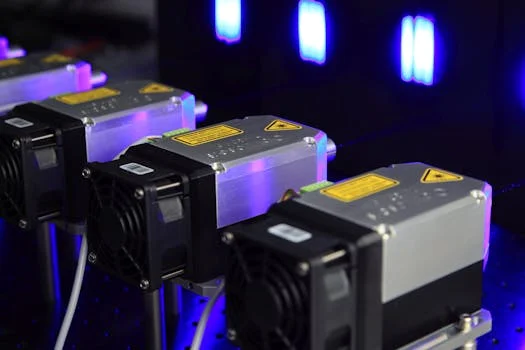
| Parameter | UV-AOP (Pre-treatment) | MBR (Biological + Filtration) | RO (Polishing for ZLD) |
|---|---|---|---|
| Target Contaminants | TMAH, IPA, DMSO, Urea, Chelates | Biodegradable Organics, TSS, Bacteria | Dissolved Solids, Ions, Residual Organics |
| Key Mechanism | Sulfate Radical Oxidation (SO₄•⁻) | Biological Degradation, Membrane Filtration | Pressure-driven Membrane Separation |
| UV Dose | 10–30 mJ/cm² (254 nm) | N/A | N/A |
| Oxidation Potential | 2.6 V (SO₄•⁻) | N/A | N/A |
| Membrane Type | N/A | PVDF Flat-Sheet (0.1 μm) | Polyamide Thin-Film Composite |
| Typical Flux | N/A | 20–30 LMH | 15–25 LMH |
| Hydraulic Retention Time (HRT) | 1–2 hours | 8–12 hours | N/A |
| Sludge Retention Time (SRT) | N/A | 20–30 days | N/A |
| pH Range | 6.5–7.5 | 6.5–8.0 | 5.0–8.0 |
| TOC Effluent | 50–150 mg/L (post-AOP) | <5 mg/L | <1 mg/L |
| Turbidity Effluent | N/A | <0.2 NTU | <0.05 NTU |
Organic Contaminant Removal Efficiencies: UV-AOP vs. Biological Oxidation vs. MBR
Selecting the optimal organic wastewater treatment process in wafer fabs hinges on understanding the specific removal efficiencies of available technologies. While conventional biological oxidation (e.g., activated sludge, A/O processes) struggles with recalcitrant organics, advanced hybrid systems offer superior performance. For instance, UV-AOP consistently removes 99.9% of urea, a performance significantly higher than the typical 65% removal achieved by biological oxidation alone (HydropureWater field data, 2025).| Contaminant | Influent Conc. (mg/L) | UV-AOP Removal (%) | Biological Oxidation (A/O) Removal (%) | MBR Removal (%) | Combined UV-AOP + MBR Removal (%) |
|---|---|---|---|---|---|
| TMAH | 50-200 | 85-95 | 30-50 | 70-85 | >98 |
| IPA | 100-300 | 90-98 | 70-90 | 90-95 | >99 |
| DMSO | 50-150 | 75-85 | 60-75 | 80-90 | >95 |
| Urea | 1-10 | >99.9 | 60-70 | 80-90 | >99.9 |
| EDTA (Chelate) | 5-50 | 70-80 | <20 | <30 | 70-80 (primarily AOP) |
| COD | 500-1000 | 50-70 | 60-80 | 80-90 | >99.5 (with polishing) |
| TOC | 100-300 | 40-60 | 50-70 | 85-95 | >99 (with polishing) |
Zero Liquid Discharge (ZLD) for Wafer Fabs: Cost Breakdown and ROI
| ROI Scenario | Region/Regulation | Water Reuse (%) | Discharge Fee Savings ($/m³) | Resource Recovery ($/year) | Payback Period (Years) | 5-Year Net Present Value (NPV) |
|---|---|---|---|---|---|---|
| High Regulatory Pressure | EU (IED 2010/75/EU) | 50 | 0.50 | $50,000 | 3.0 | $1.5M - $2.5M |
| Moderate Regulatory Pressure | China (GB 31573-2022) | 40 | 0.30 | $30,000 | 4.5 | $0.8M - $1.8M |
| Emerging Regulations | US (EPA Effluent Guidelines) | 30 | 0.10 | $10,000 | 6.0 | $0.2M - $1.0M |
How to Select the Right Hybrid System for Your Wafer Fab
Selecting the optimal hybrid wastewater treatment system for a wafer fab requires a systematic decision framework tailored to specific wastewater profiles, regulatory requirements, and budget constraints. The initial step involves a thorough characterization of the organic contaminants present. For instance, if the primary contaminants are TMAH, IPA, DMSO, or urea, a UV-AOP + MBR system is highly effective. The next critical step is to measure the influent COD/TOC levels; COD exceeding 500 mg/L typically necessitates the robust oxidative power of UV-AOP combined with MBR. A decision tree for process selection can be structured as follows:- Identify Primary Organic Contaminants: Are TMAH, IPA, DMSO, urea, or chelates dominant?
- Measure COD/TOC:
- If COD > 500 mg/L and/or TOC > 150 mg/L, consider UV-AOP + MBR.
- If COD < 200 mg/L and TOC < 50 mg/L, MBR alone or biological oxidation may suffice.
- Check Fluoride/Silica Levels:
- If fluoride > 50 ppm or silica > 20 ppm, integrate DAF systems for TSS removal in semiconductor wastewater pretreatment or EDR pretreatment to protect membranes and UV reactors.
- Determine ZLD Requirements:
- For regions with strict ZLD mandates (e.g., EU fabs by 2026), an RO + crystallizer stage is essential post-MBR.
- For water reuse goals without full ZLD, MBR permeate may be sufficient for cooling towers or non-critical applications.
Frequently Asked Questions

Q: What is the typical COD removal efficiency for UV-AOP in semiconductor wastewater?
A: UV-AOP achieves 85–95% COD removal for recalcitrant organic compounds like TMAH and IPA. For highly specific contaminants such as urea, removal can exceed 99.9% at 1 mg/L initial concentration (per 2024 Enviolet benchmarks).
Q: How much does a hybrid UV-AOP + MBR system cost for a 50 m³/h wafer fab?
A: The CAPEX for a 50 m³/h hybrid UV-AOP + MBR system typically ranges from $1.2M–$1.8M. OPEX generally falls between $0.25–$0.40/m³, with variations depending on local energy costs (e.g., $0.08/kWh in Singapore vs. $0.12/kWh in Germany) and membrane replacement frequency. For a more detailed breakdown, refer to detailed cost analysis for electronics wastewater treatment systems.
Q: Can MBR systems handle high TSS loads from CMP wastewater?
A: Yes, MBR systems can handle high TSS loads, but effective pre-treatment is critical to protect the membranes and ensure long-term performance. DAF systems, like HydropureWater's DAF machines, are highly effective, removing up to 95% of TSS (e.g., reducing 200 mg/L to <10 mg/L) from CMP wastewater. This pre-treatment extends MBR membrane lifespan to 5–7 years.
Q: What are the byproducts of UV-AOP treatment, and how are they managed?
A: UV-AOP treatment of organic wastewater produces byproducts such as nitrate (typically 5–15 mg/L) and sulfate (20–50 mg/L). These concentrations are generally below municipal tap water levels and are compatible with existing downstream UPW systems. For ZLD applications, crystallizers can recover sulfate as gypsum, which may be reused in other industrial processes.
Q: How does ZLD compliance impact ROI for semiconductor fabs?
A: ZLD systems significantly enhance ROI by reducing discharge fees by as much as 90% (e.g., from $0.50/m³ to $0.05/m³) and enabling substantial water reuse, recovering 30–50% of the influent volume. This leads to payback periods of 3–5 years in regions with stringent regulations (e.g., EU, China), as outlined in ZLD solutions for third-generation semiconductor wastewater.
Q: Is post-MBR disinfection required for water reuse?
A: For many water reuse applications, particularly those requiring higher purity or direct contact, post-MBR disinfection is recommended. Options include UV disinfection or chemical methods. On-site ClO₂ generators for MBR permeate disinfection offer a powerful and effective solution to ensure microbial safety before reuse or further polishing.
Related Equipment
- PVDF flat-sheet MBR modules for organic wastewater treatment — view specifications, capacity range, and technical data
Need a customized solution? Request a free quote with your specific flow rate and pollutant parameters.