
Pulse jet dust collector troubleshooting starts with three checks: differential pressure (dP) across the bags, compressed air at the manifold (minimum 80 psi), and solenoid or diaphragm valve response. A useful pulse lasts 0.10–0.15 seconds and should drop dP by about 0.5–1.0 in. H2O. Missing pulses, stack opacity, or rising fan amps usually trace to clogged diaphragms, wet air, or incorrect timer settings.
Why pulse jet dust collector troubleshooting starts with dP and air
A pulse-jet baghouse losing cleaning force shows high dP, weak or silent pulses, and rising fan load. Stable units usually hold dP near 3–5 in. H2O with cleaning every 1–30 seconds by dust load. New pulse-jet fabric filters are typically designed for 99–99.9% collection efficiency; older units often run 95–99.9% in service (EPA-CICA EPA-452/F-03-025).
Most plants we size for run toward the lower end of that dP band when bags are dry and the cake releases cleanly. Visible stack emissions point to media tears, bypass, or over-cleaned bags that never rebuild a filter cake. Reduced pickup airflow at the process hoods is often the first process symptom operators notice.
How does a pulse jet dust collector work?
A pulse jet dust collector filters dusty gas from the outside of the bags to the inside, then discharges clean gas through the clean-air plenum. Dust builds as a cake on the outer bag surface until a short blast of compressed air flexes the fabric and snaps the cake toward the hopper. According to the EPA-CICA pulse-jet fact sheet, that cleaning burst is typically 0.03–0.1 seconds at about 60–120 psig; many OEM timers still ship with 0.10–0.15 second settings for felt bags. Because the pulse is brief, adjacent rows keep filtering while one row cleans.
When matching spare parts on similar duty, compare cages, blowpipes, and solenoids to the Pulse Jet Baghouse Dust Collector. Hopper discharge and can velocity must fit the dust load you actually run.
Step-by-Step Diagnostic Process for Operators
Troubleshooting works best when you move from recent process changes to component tests. Note new dust types, added pickup points, or recent bag changes before touching valves. Read the magnehelic or transmitter: a locked-high dP usually means widespread blinding, while a swinging dP often means the cleaning cycle is incomplete or uneven.
Listen for the pulse thump at each diaphragm. A silent row with a live timer output usually means a dead solenoid, blocked pilot, or empty manifold. Confirm the timer or PLC still commands the sequence and that each coil sees voltage during its slot. Skip random part swaps until those four checks are logged.
Critical Components That Fail — and How to Test Them
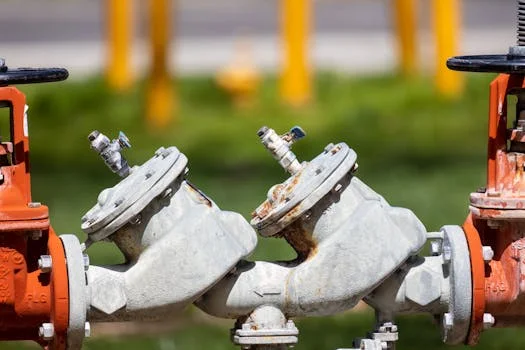
Solenoid valves fail often in cleaning circuits. Use a multimeter to confirm a 24V signal at the coil during the pulse, then manually actuate the valve if it has an override. Diaphragm valves release the main air slug into the blowpipe; tears, sticky elastomer, or debris slow the snap and cut cleaning energy. Compressed air must stay dry and hold at least 80 psi at the manifold; drain traps and confirm no oil fog reaches the pilots.
A supply-to-manifold pressure drop greater than 10 psi usually means undersized pipe, restriction, or leaks (ANSI/ISA-7.0.01 practice is often cited for instrument-air quality and pressure limits). Set pulse duration to 0.10–0.15 seconds on the timer board unless the OEM specifies otherwise; earlier plant practice used that window, while EPA-CICA cites 0.03–0.1 s bursts at 60–120 psig.
| Component | Failure Symptom | Test/Inspection Method | Key Specification/Threshold |
|---|---|---|---|
| Solenoid Valve | No pulse, weak pulse | Multimeter for 24V signal; manual actuation test | 24V AC/DC signal during pulse; clear audible click/air flow |
| Diaphragm Valve | Weak pulse, slow response | Physical inspection for tears/stiffness; observe response time | Quick, crisp opening/closing; no visible damage |
| Compressed Air Supply | No pulse, weak pulse, wet air | Pressure gauge at manifold; check filter traps for water | ≥80 psi at manifold; no water in traps |
| Air Line Pressure Drop | Weak pulse at remote valves | Measure pressure at compressor vs. manifold | Pressure drop <10 psi (ANSI/ISA-7.0.01) |
| Timer Control Board | Incorrect pulse duration/frequency, no pulses | Verify settings on control panel; check output signals | Pulse duration 0.10–0.15 sec (Micronics) |
Common Pulse Jet Problems and Proven Fixes
No pulsing is usually electrical first: blown fuses, lost control voltage, or dead timer outputs. Field experience summarized by Sly Inc. attributes about 70% of no-pulse cases to electrical faults. Weak pulses more often track low manifold pressure, mis-set regulators, or damaged diaphragms. Continuous pulsing wears bags and valves; isolate shorted control wires or replace a runaway timer board.
Persistent high dP after a full clean points to moisture, oil, or chemical coatings that glue the cake into the media. Pull a bag offline, check for hard cakes or shiny oil films, and replace damaged media. Re-entrainment rises when sequential pulsing dumps dust onto a live row; staggered row pulsing cuts that cross-contamination and can lower re-entrainment by up to 30% versus straight sequential cleaning.
Optimizing Pulse Cleaning: Timing, Pressure, and Sequence
Pulse duration, interval, and sequence control bag life as much as they control opacity. Keep high-pressure pulses near 0.10–0.15 seconds; longer pulses abrade felt without a matching dP benefit. Heavy dust loads often need pulses every 1–5 seconds; light loads can wait up to 30 seconds if dP stays inside 3–5 in. H2O. Hold manifold pressure near 80–100 psi so each shockwave still yields a 0.5–1.0 in. H2O dP drop.
Can velocity above 200 ft/min lifts dislodged dust back onto clean bags. Measure with a pitot traverse between bags and lower total airflow or raise cloth area if the cake never settles. EPA notes that very high gas velocities can pull dust from a cleaned row straight onto neighboring bags, which is why some designs isolate compartments during cleaning.
| Parameter | Optimal Setting/Range | Impact on Performance | Validation Metric |
|---|---|---|---|
| Pulse Duration | 0.10–0.15 seconds | Efficient dustcake release, prevents bag abrasion | dP drop of 0.5–1.0 in. H2O per pulse |
| Pulse Frequency | 1–5 sec (heavy load), up to 30 sec (light load) | Maintains target dP, balances cleaning & bag life | Stable dP (3–5 in. H2O) |
| Cleaning Sequence | Staggered row pulsing | Reduces re-entrainment by up to 30%, improves dustcake stability | Lower average dP, reduced emissions |
| Compressed Air Pressure | 80–100 psi at manifold | Ensures adequate shockwave for cleaning | Consistent dP drop per pulse |
| Can Velocity | <200 ft/min | Prevents dust re-entrainment, optimizes dustcake formation | Stable dP, minimal visible emissions |
What does dust collector maintenance require day to day?
Dust collector maintenance on pulse-jet units is mostly air quality, timer verification, and bag condition—not calendar-only filter swaps. Drain moisture traps each shift on humid duty, log manifold pressure before and after a pulse train, and walk the rows for silent valves. Replace diaphragms that open soft or stick closed; oil-wet or chemically blinded bags rarely recover with more pulsing.
Budget planning should separate valve kits, cages, and media from capital upgrades on a Pulse Jet Baghouse Dust Collector class unit. For order-of-magnitude media and unit pricing context, see the 2025 B2B pricing for industrial fabric filter dust collectors.
Who this is for / Next step
Plant engineers and maintenance leads who already run a pulse-jet baghouse need a repeatable fault tree. Specifiers comparing new collectors, or plants fighting sticky hygroscopic dust that needs preconditioning, should look at process changes before buying more pulse energy. If you need a duty review against your dust load and available compressed air, send the nameplate data through our request a quote form.
Frequently Asked Questions
Why is my dust collector not pulsating?
Electrical faults cause most no-pulse events: blown fuses, lost control voltage, failed timer outputs, or open solenoid coils. About 70% of non-pulsing field cases are electrical. Confirm coil voltage during the commanded pulse, then check manifold pressure at or above 80 psi before replacing diaphragms.
What should the differential pressure be on a pulse jet baghouse?
A well-maintained pulse jet baghouse typically holds differential pressure between 3–5 in. H2O in normal service. Readings stuck above 6 in. H2O usually mean bag blinding or weak cleaning. EPA-CICA materials also place typical fabric-filter pressure drop in a broader 4–10 in. H2O operating band depending on design and load.
How do I test a solenoid valve on a dust collector?
Measure for a 24V signal at the coil during the timer pulse with a multimeter. If voltage is present, use the manual override to confirm pilot air flow and listen for a crisp click. No airflow with good voltage points to a stuck or failed valve body rather than a control fault.
What causes a dust collector to lose suction?
Loss of suction usually follows high differential pressure across blinded or clogged bags that choke airflow. Fan problems, blocked ductwork, and casing or hopper leaks produce the same plant symptom. Restore cleaning effectiveness and seal leaks before raising fan speed, which only masks the restriction.
Can wet compressed air damage pulse jet valves?
Yes. Moisture corrodes pilots, freezes in cold weather, and leaves sludge that plugs small orifices in solenoid and diaphragm valves. Keep traps drained and dryers in service so manifold air stays dry at the 80–100 psi cleaning pressure the valves need for a full pulse.
Further Reading

Consider these resources for additional technical guidance on industrial air filtration: