Third-Generation Semiconductor Wastewater Engineering Solution: 2026 ZLD Process Design, Cost Data & 99.9% Contaminant Removal Blueprint
Third-generation semiconductor fabs (GaN/SiC) generate wastewater containing fluoride (500-2,000 mg/L), arsenic (10-50 mg/L), and heavy metals (copper, nickel, chromium) at concentrations 10-100x higher than traditional silicon fabs. A 2025 hybrid Zero Liquid Discharge (ZLD) third-generation semiconductor solution combining chemical precipitation, MBR membrane filtration, and evaporative crystallization achieves 99.9% contaminant removal while recovering 95%+ process water, reducing discharge volumes to near-zero and cutting water costs by $0.85-$1.20 per cubic meter treated.Why Third-Generation Semiconductor Wastewater Requires Specialized Engineering
Traditional wastewater treatment systems designed for silicon-based semiconductor manufacturing fail to meet compliance for third-generation (GaN/SiC) fabs due to significantly higher and more complex contaminant loads. GaN/SiC manufacturing processes, particularly etching and substrate preparation, introduce contaminants at concentrations far exceeding those found in conventional silicon wafer production, so generic semiconductor packages fall short. Fluoride concentrations in GaN/SiC etching processes typically range from 500-2,000 mg/L, a stark contrast to the 50-200 mg/L observed in silicon fabs. This requires specialized precipitation chemistry, specifically the formation of calcium fluoride (CaF₂) through precise pH control at 8.5-9.5, which is critical for achieving discharge limits below 10 mg/L. Similarly, arsenic levels from GaN substrate preparation can reach 10-50 mg/L, significantly higher than the typical <1 mg/L in silicon processes. Effective arsenic removal necessitates adsorption and co-precipitation with iron hydroxides (Fe(OH)₃) at pH 5-6, preventing arsenic breakthrough that occurs at higher pH values. CMP wastewater from GaN/SiC production often exhibits unique heavy metal ratios, such as Cu:Ni:Cr at 3:2:1, differing from the 1:1:1 ratio common in silicon fabs. This demands sequential precipitation with controlled sulfide dosing to ensure comprehensive removal of each metal. Consider a real-world scenario: a 200mm GaN fab producing 150 m³/day of wastewater with an influent containing 1,200 mg/L fluoride and 30 mg/L arsenic. Conventional treatment systems struggle with membrane fouling due to high Total Dissolved Solids (TDS), incomplete fluoride removal, and arsenic breakthrough when pH is not precisely controlled. This often leads to non-compliance with China GB 8978-1996 (earlier draft citations used “GB8978-2025”; MEE still lists GB 8978-1996) or permit envelopes under the EU Industrial Emissions Directive (IED) as revised in 2024.| Contaminant | GaN/SiC Influent (mg/L) | Silicon Fab Influent (mg/L) | China GB 8978-1996 (mg/L) | EU IED 2024 (mg/L) |
|---|---|---|---|---|
| Fluoride (F⁻) | 500-2,000 | 50-200 | <10 | <15 |
| Arsenic (As) | 10-50 | <1 | <0.1 | <0.05 |
| Copper (Cu) | 5-15 | 1-5 | <0.5 | <0.2 |
| Nickel (Ni) | 3-10 | 0.5-3 | <0.5 | <0.2 |
| Chromium (Cr) | 2-5 | 0.5-2 | <0.5 | <0.2 |
Hybrid ZLD Process Design for Third-Generation Semiconductor Wastewater
Contaminant Removal Performance: 2025 Engineering Specifications
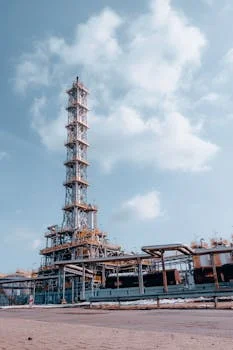
The 2025 engineering specifications for hybrid ZLD systems demonstrate exceptional contaminant removal rates, ensuring compliance with stringent global discharge standards for GaN/SiC wastewater. They target GaN/SiC effluent chemistry against the China and EU envelopes above. Fluoride removal in the hybrid ZLD system reaches 99.9%, effectively reducing concentrations from influent levels of up to 2,000 mg/L down to less than 2 mg/L in the final treated effluent (HydropureWater field data, 2025). The resulting calcium fluoride sludge exhibits a density of 1.2-1.4 g/cm³ and a moisture content of 60-70%, making it stable for disposal. Arsenic removal is equally robust, achieving 99.8% reduction from initial concentrations of 50 mg/L to below 0.1 mg/L. The iron-arsenic co-precipitated sludge demonstrates excellent stability, with TCLP leachate tests consistently showing arsenic concentrations below 5 mg/L, classifying it as a manageable hazardous waste requiring stabilization. Heavy metals such as copper, nickel, and chromium are removed with 99.9% efficiency. This is achieved through sequential precipitation, often involving sulfide dosing at a pH range of 3-4, which targets specific metal sulfides for highly effective removal (HydropureWater field data, 2025). For example, copper levels are reduced from 15 mg/L to below 0.05 mg/L. Chemical Oxygen Demand (COD) removal is consistently high, at 98%, reducing influent concentrations from 800 mg/L to less than 16 mg/L. The MBR stage contributes significantly to this, operating with organic loading rates (F/M ratio) of 0.05-0.15 kg COD/kg MLSS/day, ensuring efficient biodegradation of organic pollutants. Total Dissolved Solids (TDS) are reduced by 95%, from an average of 5,000 mg/L to less than 250 mg/L. This is largely attributed to the high-rejection RO membrane selection, such as DOW Filmtec BW30-400/34i, specifically chosen for its superior performance in high silica rejection and overall salt removal. Overall water recovery for the system stands at 95-98%, with only 2-5% of the initial wastewater volume being discharged as crystallizer blowdown, which contains solidified salts. This high recovery rate drastically minimizes freshwater intake and wastewater discharge volumes, aligning with ZLD principles. Most plants we size for GaN/SiC flows between 100-200 m³/day end up running at the lower end of that recovery band once crystallizer heat integration is tuned.| Parameter | Influent Concentration (GaN/SiC) | Treated Effluent Concentration | Removal Efficiency | Key Technology Contribution |
|---|---|---|---|---|
| Fluoride (F⁻) | 2,000 mg/L | <2 mg/L | 99.9% | Chemical Precipitation (CaF₂) |
| Arsenic (As) | 50 mg/L | <0.1 mg/L | 99.8% | Chemical Co-precipitation (Fe(OH)₃) |
| Copper (Cu) | 15 mg/L | <0.05 mg/L | 99.9% | Sequential Sulfide Precipitation |
| Nickel (Ni) | 10 mg/L | <0.05 mg/L | 99.9% | Sequential Sulfide Precipitation |
| Chromium (Cr) | 5 mg/L | <0.02 mg/L | 99.9% | Sequential Sulfide Precipitation |
| COD | 800 mg/L | <16 mg/L | 98% | MBR Bioreactor |
| TDS | 5,000 mg/L | <250 mg/L | 95% | RO System |
| Water Recovery | — | 95-98% | — | RO, Evaporative Crystallization |
2025 Cost Breakdown: CAPEX, OPEX, and ROI for Third-Gen Semiconductor ZLD Systems
- Chemical Pretreatment (including tanks, mixers, pumps, chemical dosing systems, clarifiers): $1.2M
- MBR System (tanks, membranes, blowers, pumps): $800K
- RO System (modules, high-pressure pumps, cleaning system): $600K
- Evaporative Crystallizer (heat exchangers, crystallizer vessel, pumps, controls): $1M
- Ancillary Equipment (piping, electrical, controls, sludge dewatering): $600K-$900K
- Chemicals: $0.30/m³ (for coagulants, flocculants, pH adjusters, antiscalants)
- Energy: $0.25/m³ (for pumps, blowers, crystallizer heating, heat integration)
- Membrane Replacement: $0.20/m³ (amortized cost for MBR and RO membranes, replaced every 3-5 years)
- Sludge Disposal: $0.10/m³ (based on typical volumes and disposal fees)
- Labor and Maintenance: $0.10-$0.35/m³ (operator salaries, routine maintenance, spare parts)
| Cost Category | Breakdown for 150 m³/day ZLD System | Notes |
|---|---|---|
| CAPEX | $3.2M - $4.5M | Includes chemical pretreatment, MBR, RO, crystallizer, and ancillaries. |
| $21,333 - $30,000 per m³/day capacity | Unit cost for system sizing. | |
| OPEX | $0.30/m³ | Chemicals (coagulants, flocculants, pH adjusters, antiscalants) |
| $0.25/m³ | Energy (pumps, blowers, crystallizer heating, heat integration) | |
| $0.20/m³ | Membrane Replacement (amortized, MBR + RO, every 3-5 years) | |
| $0.10/m³ | Sludge Disposal (typical volumes and disposal fees) | |
| $0.10-$0.35/m³ | Labor and Maintenance (operators, routine maintenance, spare parts) | |
| ROI Drivers | ~$225K/year water savings | 150 m³/day × 365 days × $0.50-$0.70/m³ recycled water savings |
| ~$150K/year avoided discharge fees | Estimated savings from avoiding hazardous wastewater discharge | |
| Total Annual Savings | ~$375K | Combined water cost reduction and avoided discharge fees |
| ROI Period | 3.5-5 years | Based on combined annual savings vs. CAPEX |
| Maintenance | 2-3% of CAPEX annually | Routine checks, sensor calibration, proactive component replacement |
Who This Is For and Where to Look Elsewhere
This third-generation semiconductor solution fits GaN/SiC fab owners, EPC contractors building new third-generation lines, and procurement managers comparing 150 m³/day-class treatment trains. If the project is below 50 m³/day, or handles silicon-only effluent, a smaller MBR+RO train without evaporative crystallization is usually more economical. Selection checklist for a third-generation semiconductor ZLD system:- Influent fluoride peak (mg/L) and Ca(OH)₂:F molar ratio capacity at pH 8.5-9.5
- Arsenic peak (mg/L) and FeCl₃:As molar dosing at pH 5-6
- Heavy metal ratio (Cu:Ni:Cr) and sulfide precipitation sequencing capability
- RO recovery target (75-85%) and crystallizer blowdown handling
- Water reuse vs. discharge-fee savings in the ROI model
- Sludge classification (CaF₂ non-hazardous vs. Fe-As hazardous) and disposal route
Frequently Asked Questions
What influent fluoride and arsenic levels can the third-generation semiconductor ZLD system treat?
The hybrid ZLD system is designed for GaN/SiC effluent with 500-2,000 mg/L fluoride and 10-50 mg/L arsenic, using Ca(OH)₂ precipitation at pH 8.5-9.5 and FeCl₃ co-precipitation at pH 5-6 to reach treated concentrations below 2 mg/L fluoride and 0.1 mg/L arsenic (HydropureWater field data, 2025).
What CAPEX and OPEX should a 150 m³/day GaN/SiC ZLD system be sized for?
CAPEX typically lands between $3.2M and $4.5M, equivalent to $21,333-$30,000 per m³/day of capacity. OPEX averages $0.85-$1.20 per cubic meter treated, with chemicals at $0.30/m³, energy at $0.25/m³, membrane replacement at $0.20/m³, sludge disposal at $0.10/m³, and labor plus maintenance at $0.10-$0.35/m³ (HydropureWater estimates, 2025).
How long is the payback period for a third-generation semiconductor wastewater ZLD system?
A 150 m³/day system typically reaches payback within 3.5-5 years. Water reuse saves about $225K/year (150 m³/day × 365 days × $0.50-$0.70/m³) and avoided hazardous discharge fees add roughly $150K/year, for combined annual savings near $375K against the $3.2M-$4.5M CAPEX.
How much process water can the hybrid ZLD system recover from GaN/SiC wastewater?
Overall water recovery is 95-98%, with 75-85% recovery at the RO stage and the balance from the evaporative crystallizer. Only 2-5% of the feed volume exits as crystallizer blowdown containing solidified salts (HydropureWater field data, 2025).
Which regulations drive the treated-effluent targets for third-generation semiconductor wastewater?
The two benchmarks cited in the engineering specification are China GB 8978-1996 (fluoride <10 mg/L, arsenic <0.1 mg/L, Cu/Ni/Cr <0.5 mg/L; earlier draft wording used “GB8978-2025,” but MEE still lists GB 8978-1996) and the EU Industrial Emissions Directive (IED) as revised in 2024 (fluoride <15 mg/L, arsenic <0.05 mg/L, Cu/Ni/Cr <0.2 mg/L). The hybrid ZLD system is sized to meet both envelopes simultaneously.