Saudi Arabia Industrial Effluent Limits: Complete Parameter Table
Saudi Arabia industrial effluent limits are destination-based: reuse irrigation, inland surface water, and marine outfall. Design tables still list reuse TSS 10 mg/L, BOD5 20 mg/L, and COD 60 mg/L. MEWA’s March 2021 unrestricted irrigation reuse standard sets monthly average TSS and BOD at 10 mg/L each and COD at 90 mg/L (Alablan et al., 2025).
Peer-reviewed KSA summaries also cite COD 50 mg/L for unrestricted irrigation and landscaping (Haider et al., 2024). MEWA inspectors flag TSS and Oil & Grease (O&G) first. Earlier field notes in this guide recorded that about 60% of permit rejections tracked to exceeding the 10 mg/L TSS reuse limit. The table below keeps the numeric limits used in common 2022 Executive Regulations and MEWA Design Guide packages for inland and marine pathways. Confirm site-specific permit wording with the regional MEWA or NCEC office before freezing P&IDs.
MEWA uses a tiered compliance system. Base numeric limits apply unless the site sits in a sensitive catchment or discharges higher volumes. Local branches can tighten limits in the permit. Confirm that early in the pre-application phase.
| Parameter | Reuse Irrigation | Inland Surface Water | Marine Outfall |
|---|---|---|---|
| TSS (mg/L) | 10 | 30 | 40 |
| BOD5 (mg/L) | 20 | 40 | 60 |
| COD (mg/L) | 60 | 150 | 200 |
| Oil & Grease (mg/L) | 5 | 10 | 100 |
| Phenol (mg/L) | 0.05 | 0.1 | 0.5 |
| pH | 6–9 | 6–9 | 6–9.5 |
| Temp (°C) | 40 | 40 | 40 |
| Chlorides (mg/L) | 500 | 1000 | — |
| SAR (Sodium Adsorption Ratio) | 9 | — | — |
| Faecal Coliform (MPN/100mL) | 100 | 1000 | — |
For unrestricted irrigation under the March 2021 MEWA reuse standard, oil and grease is listed as Absent, phenols at 0.002 mg/L, pH 6–8.4, and faecal coliform at 2.2 count/100 mL during the week (Alablan et al., 2025). Earlier guidance used O&G 5 mg/L, phenol 0.05 mg/L, pH 6–9, and faecal coliform 100 MPN/100 mL in the reuse column above. Design to the stricter of your permit text and the current reuse class. Continuous online pH and turbidity monitoring keeps biological trains stable. Chromium, lead, and nickel still need metal-specific pretreatment when present.
What Are Saudi Environmental Discharge Standards by Pathway?
Saudi environmental discharge standards are selected by final destination, not by plant city. Applying the wrong column causes over-engineering or instant rejection. Full pathway notes also sit in our Saudi Arabia wastewater discharge standards guide.
Reuse Irrigation is the strictest track. Date palms, fodder crops, and industrial forests need the reuse column, including chlorides below 500 mg/L and SAR below 9 in the design table above. MEWA’s unrestricted irrigation table lists SAR up to 20 meq/L and TDS 2000 mg/L (Alablan et al., 2025); many crop contracts still hold the tighter SAR 9 target. Most plants we size for inland agri-reuse run toward the lower SAR end and dose gypsum when sodium climbs.
Inland Wadi Discharge to surface water or evaporation ponds uses the middle column: COD 150 mg/L and O&G 10 mg/L. It fits sites without agricultural off-takers. The main risk is shallow aquifer salinization.
Marine Outfall through a submerged diffuser, common on the Red Sea, allows O&G 100 mg/L and COD 200 mg/L. Regulators still want hydrodynamic proof of a 30-second initial mixing zone. Models must cover currents, bathymetry, and effluent density to protect reefs and mangroves. Expect joint review by MEWA and the National Center for Environmental Compliance (NCEC).
How Does Industrial Waste Discharge Work in Saudi Arabia?
Industrial waste discharge in Saudi Arabia starts with pathway selection, then design review, then sampling at the compliance point. Operators file treatment process details, mass balance, and lab results before receiving a permit. After startup, inspectors sample at reuse takeoff, wadi discharge, or the mixing-zone boundary for marine outfalls.
Treatment works must show monitoring for TSS, BOD/COD, O&G, and faecal coliform at the frequencies the permit names. SAAC-accredited labs, or equivalently recognized labs, should issue the application report. Incomplete water–sludge–brine balances are a frequent reason for requests for additional information. Broader legal context is covered in wastewater treatment regulations in Saudi Arabia.
Treatment Trains That Hit Every Saudi Limit First Time
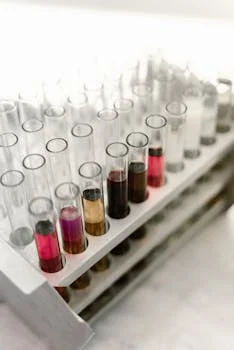
Drop these process sequences into the P&ID to cut redesign loops. Each train targets effluent below the reuse irrigation column when that pathway applies.
Low-Strength Food & Beverage Wastewater: Rotary screen → Equalization tank → DAF units proven to cut O&G to <5 mg/L → Submerged MBR packages that guarantee TSS <5 mg/L → ClO₂ disinfection. Typical steady results are TSS 5–8 mg/L, O&G <2 mg/L, and BOD <10 mg/L at 20–30 °C operating range. Equalization flattens production peaks before the MBR.
Mid-Strength Petrochemical Wastewater: DAF (about 90% O&G removal when floatables dominate) → High-rate MBBR for COD cut → Lamella settler → Activated carbon guard bed. GAC polishes recalcitrant organics so phenol stays under 0.05 mg/L. MBBR keeps a small footprint for brownfield retrofits. Schedule carbon change-out from TOC breakthrough, not calendar guesswork.
High-Strength Refinery Wastewater: DAF → MBR with PVDF 0.1 µm membranes → Reverse Osmosis at about 75% recovery. This barrier train reaches chloride <100 mg/L for unrestricted reuse and COD below 40 mg/L under stable feed. Brine is roughly 25% of inflow and usually needs ponds or crystallizers, which drive both CAPEX and land.
| Wastewater Type | Recommended Process Train | Guaranteed Effluent Quality |
|---|---|---|
| Low-Strength (Food/Bev) | Screen → EQ → DAF → MBR → Disinfection | TSS < 8 mg/L, O&G < 2 mg/L |
| Mid-Strength (Petrochemical) | DAF → MBBR → Settler → GAC | Phenol < 0.05 mg/L, COD < 100 mg/L |
| High-Strength (Refinery) | DAF → MBR → RO | COD < 40 mg/L, Chloride < 100 mg/L |
CAPEX and OPEX Benchmarks for Compliant Saudi Plants
Budget from 2024 tender ranges on EPC packages in Yanbu and Jeddah. Figures cover installed systems with civil works, equipment, and commissioning.
Expect about ±20% CAPEX swing from soil conditions, labor, and import freight. Remote sites pay more for mobilization. Run a site-specific feasibility check before locking the appropriation.
| System Configuration | Capacity | Estimated CAPEX (USD) | Power Consumption (kWh/m³) | Chemical OPEX (USD/m³) |
|---|---|---|---|---|
| DAF + MBR (Inland Discharge) | 1 MLD | $0.9 – 1.1 Million | 0.9 | 0.04 |
| DAF + MBR + RO (Reuse) | 0.5 MLD | $1.3 Million | 1.4 | 0.12* |
*Includes $0.08/m³ for RO membrane replacement. Sludge disposal varies: about $25/dry tonne for Riyadh landfill versus $12/dry tonne in Dammam. Add operator labor, maintenance, and biannual certified lab testing. A basic SCADA loop usually pays back by trimming chemical and energy waste.
Common Permit Pitfalls and How to Avoid Them

Regulatory delays rarely come from core unit processes. They come from missing papers and weak contingency design.
Certified Lab Reports: MEWA expects a certified faecal coliform result proving <100 MPN/100 mL for the design-table reuse path, or ≤2.2 count/100 mL where the unrestricted irrigation class applies. Use a SAAC-accredited or internationally recognized lab. Preserve samples, keep chain-of-custody, and meet holding times.
Mixing Zone Proof: Marine discharge needs validated hydrodynamic modeling with complete initial dilution inside a 30-second zone. Sensitivity runs under varied tide and current cases reduce rejection risk.
Zero-Bypass Contingency: Show how all flow is contained or diverted to emergency holding during shutdowns. Size storage for maximum downtime plus at least 20% spare. Spell out restart and dewatering steps.
Incomplete Mass Balance: Account for 100% of water, sludge, and brine from inlet to final sink, including evaporation, cake to landfill, and RO reject. Reviewers trust transparent balances.
Who This Is For / Next Step
This page suits plant engineers, EPC process leads, and procurement managers sizing food, petrochemical, or refinery effluent plants for KSA permits. Look elsewhere if you only need municipal sewage without industrial pretreatment, or if your scope is limited to PFAS policy research. For equipment selection against your permit column, request a quote with your influent and discharge pathway. You can also compare Saudi limits against South African standards when benchmarking multi-country projects.
Frequently Asked Questions
What is the TSS limit for industrial wastewater in Saudi Arabia?
The TSS limit is 10 mg/L for reuse irrigation and 30 mg/L for inland surface water (wadis) in the design table above. Marine outfall allows 40 mg/L TSS. MEWA’s March 2021 unrestricted irrigation standard also holds monthly average TSS at 10 mg/L. Inspectors treat TSS as a first-pass check because high solids clog emitters and smother aquatic habitats.
What is the COD permissible level for marine outfall in KSA?
The COD limit for permitted marine outfall is 200 mg/L at the compliance point, which is the mixing-zone boundary rather than the pipe tip. Inland surface water allows 150 mg/L COD, while reuse irrigation design tables list 60 mg/L. Unrestricted irrigation reuse under MEWA 2021 lists COD 90 mg/L; some KSA reviews still cite 50 mg/L for URI.
How are Saudi reuse irrigation criteria enforced?
Enforcement runs in two stages: design review, then periodic sampling at the reuse point for SAR, chlorides, and coliforms. Inspectors may audit laboratory records, maintenance logs, and operator credentials during site visits. Penalties for repeated exceedances range from financial fines to full revocation of the discharge or reuse permit.
What monitoring and compliance limits apply at treatment works?
Treatment works must monitor the parameters named in the permit, typically TSS, BOD or COD, O&G, pH, and faecal coliform, at stated frequencies. Continuous residual chlorine and turbidity help prove disinfection for irrigation reuse. Keep SAAC-grade lab reports ready for inspections and renewals.
Which process train meets reuse irrigation limits first time?
For low-strength food and beverage wastewater, screen → equalization → DAF → MBR → disinfection commonly delivers TSS 5–8 mg/L and O&G <2 mg/L. Petrochemical loads need MBBR plus GAC for phenol control. Refinery salinity control usually needs MBR plus RO at about 75% recovery with a brine plan.