Why Cavitation Air Flotation Systems Fail: Root Causes and Symptoms
Loss of microbubble formation due to insufficient pressure drop across the cavitation reactor reduces collision efficiency by 35% when bubbles exceed 50 μm. This is a primary indicator of a failing cavitation air flotation (CAF) system, leading to poor floatation performance and reduced solids removal. Recirculation pump cavitation, often identifiable by a gravel-like grinding noise, commonly results from inlet line undersizing or clogged 80-mesh filters. Cat Pumps guidelines recommend matching or exceeding the pump's inlet port size to prevent this. Air starvation, another critical issue, occurs when there is a failed saturation tank venting mechanism or compressor problems, leading to less than 10% air dissolution compared to an optimal 15–20%. Excessive liquid temperature, especially above 40°C, significantly reduces cavitation intensity and increases the risk of vapor pressure formation within the system, severely impacting microbubble generation. Addressing these fundamental issues is crucial for maintaining the efficiency of a high-efficiency DAF system with cavitation-assisted microbubble generation.Step-by-Step Diagnostic Flow for CAF System Issues
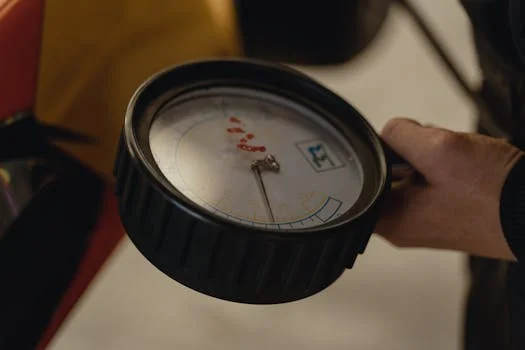
| Symptom | Likely Cause | Diagnostic Check / Field Measurement | Impact of Failure |
|---|---|---|---|
| Large bubbles in flotation chamber | Clogged shear nozzle, low recirculation pump RPM | Inspect shear nozzles; verify pump RPM (1,450–2,900 RPM) | Reduced particle collision efficiency, poor separation |
| Pump noise/vibration (gravel-like sound) | Inlet cavitation (air leaks, undersized lines, rigid plumbing) | Inspect inlet plumbing for leaks; check line size; use flexible hose | Pump damage, reduced flow, system downtime |
| Poor sludge blanket formation | Low recirculation flow rate, insufficient air dissolution | Verify recirculation flow (20–30% of influent); check air compressor | 40% drop in TSS removal, increased effluent TSS |
| Frequent filter clogging | High influent FOG/solids load | Monitor influent FOG levels (>100 mg/L requires pretreatment) | Reduced system uptime, increased maintenance |
| Effluent turbidity remains high | Ineffective microbubble generation (bubble size >50 μm) | Inspect cavitation reactor for wear/clogging; verify pressure drop | Overall system inefficiency, non-compliance |
Critical Fixes for Common Cavitation Air Flotation Failures
Replacing clogged 80-mesh Y-strainers every 30–60 days is a critical maintenance task, especially in demanding environments like food processing plants, to prevent recirculation pump cavitation. Utilizing clear housings for these filters, as recommended by Cat Pumps, allows maintenance personnel to visually monitor buildup and schedule replacements proactively. A common remedy for insufficient net positive suction head (NPSH) is to upgrade the inlet line to one size larger than the pump port, for instance, increasing from a 2" to a 2.5" line, which significantly reduces friction loss and prevents cavitation damage. Installing a pulsation dampener on the recirculation pump discharge effectively mitigates pressure spikes, protecting pump seals and reducing the likelihood of cavitation-induced stress throughout the system. To prevent air entrainment and vortexing in the supply tank, re-baffling is essential, ensuring that the minimum tank volume is 6–10 times the system GPM, a standard practice also endorsed by Cat Pumps. For applications involving high-viscosity flows (exceeding 500 cP), adjusting the pump RPM downwards can reduce the risk of cavitation; if viscosity cannot be lowered, pressure-feeding the pump becomes a viable alternative. Incorporating an automatic chemical dosing system can also optimize flocculation, enhancing overall separation efficiency and reducing the load on the CAF system.Performance Benchmarks: What a Healthy CAF System Should Achieve
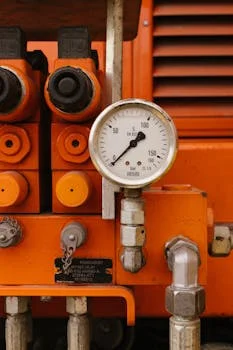
| Performance Metric | Optimal Range (Healthy System) | Indicator of Failure |
|---|---|---|
| TSS Removal Efficiency | 85–95% | <80% (indicates poor separation) |
| FOG Removal Efficiency | 90–97% (with coagulation) | <85% (suggests insufficient flocculation or air) |
| Microbubble Diameter | 20–50 μm | >100 μm (shear nozzle wear, low pressure) |
| Recirculation Flow Rate | 20–30% of influent | <15% (causes significant TSS drop) |
| Energy Consumption | 0.8–1.2 kWh/m³ | >1.5 kWh/m³ (inefficient pump/compressor operation) |
Frequently Asked Questions
How to troubleshoot pump cavitation in a CAF system?
To troubleshoot pump cavitation in a CAF system, first inspect the inlet line for undersizing or excessive elbows, ensuring it matches or exceeds the pump's port size. Next, check for air leaks in plumbing connections and verify that 80-mesh filters are clean. Finally, consider installing a pulsation dampener or re-baffling the supply tank to eliminate air entrainment.What is the most common cause of cavitation in a hydraulic system?
The most common cause of cavitation in a hydraulic system is insufficient net positive suction head (NPSH), typically due to restricted inlet flow, undersized suction lines, high liquid temperature, or air entrainment, leading to vapor bubble formation at the pump inlet.How to test cavitation in a recirculation pump?
To test cavitation in a recirculation pump, listen for a distinctive gravel-like grinding noise or observe excessive vibration. You can also monitor the pump's discharge pressure for erratic fluctuations and check for visible air bubbles in the inlet line if a clear section is available.Can a clogged hydraulic filter cause cavitation?
Yes, a clogged hydraulic filter can cause cavitation by creating a significant pressure drop in the inlet line, which restricts flow to the pump and effectively reduces the available net positive suction head (NPSH), leading to the formation of vapor bubbles.What bubble size indicates proper cavitation in air flotation?
Proper cavitation in air flotation is indicated by microbubbles with a diameter of 20–50 μm, which optimize particle collision and adhesion, leading to efficient solids separation. For more detailed troubleshooting, refer to our field-tested DAF clarifier troubleshooting guide with maintenance schedules or our fast-fix PAM dosing system troubleshooting for improved flocculation.Related Equipment
The following HydropureWater products are engineered for the wastewater challenges discussed above:
- high-efficiency DAF system with cavitation-assisted microbubble generation — view specifications, capacity range, and technical data
Need a customized solution? Request a free quote with your specific flow rate and pollutant parameters.