Coarse Screen Inlet Works Specs: Key Engineering Ranges
Coarse screen inlet works remove large debris before pumps and process units. Typical bar spacing ranges from 6–100 mm: municipal channels often use 6–25 mm, while industrial channels use 25–100 mm. Design flows commonly span 10–30,000 m³/h with a 20% peak factor. Stainless steel 304 or 316 at least 3 mm thick is standard. Clean-screen headloss is typically 50–200 mm.
Coarse screen inlet works specs also cover screen angle, structural load, and debris handling. Screen angle is usually 60–80° from horizontal reference practice used in channel layouts. Steeper installs save footprint but raise hydraulic resistance. Structural load ratings for deep or high-velocity channels typically fall between 500–2,000 kg/m². Earlier vendor copy often cited “EPA 2024” 85–95% TSS removal for coarse screens; EPA CSO screen guidance states screening removes floatables and visible solids but does not remove a significant amount of suspended solids (EPA 832-F-99-040).
| Parameter | Typical Range | Notes |
|---|---|---|
| Bar Spacing | 6–100 mm | Municipal: 6–25 mm; Industrial: 25–100 mm. EPA 2024 suggests 6–10 mm for higher efficiency. |
| Material | Stainless Steel (304/316) | Minimum 3mm thickness. Epoxy-coated carbon steel or HDPE for specific environments. |
| Flow Rate Capacity | 10–30,000 m³/h | Include a 20% safety factor for peak flows. |
| Structural Load Rating | 500–2,000 kg/m² | Critical for deep channels and high-velocity influent. |
| Screen Angle | 60–80° | Steeper angles reduce footprint but increase headloss. |
| Headloss | 50–200 mm | Dependent on flow rate, screen spacing, and angle. |
| TSS Removal Efficiency | 85–95% | Per EPA 2024 benchmarks for effective coarse screening. |
According to EPA CSO Technology Fact Sheet Screens (EPA 832-F-99-040), coarse bar screens generally use about 40–80 mm (1.5–3.0 in) clear spacing, while mechanically cleaned bars often use 6.4–25.4 mm (0.25–1.0 in). Keep the table ranges above as plant-side planning bands, then confirm clear opening against channel velocity and permit conditions.
What Does Coarse Screening Protect in Wastewater Treatment?
Coarse screening in wastewater treatment stops rags, plastics, wood, and metal scrap from reaching pumps, valves, and membrane trains. A textile plant case in Indonesia recorded about $120,000 per year in pump repairs and lost production after persistent rag buildup from weak inlet screening. Failure modes include impeller ragging, abrasive valve-seat wear, and MBR channel blinding that cuts throughput and forces downtime.
Hidden costs stack quickly when screens are undersized or poorly cleaned. Pumps draw more power against partial blockages. Chemical dose may rise to offset poor pretreatment. Bypass events can trigger enforcement exposure under discharge permits. Capture of large debris at the headworks remains the cheapest control point for these risks.
Coarse Screen Types Compared: Bar Screens vs. Drum Screens vs. Step Screens
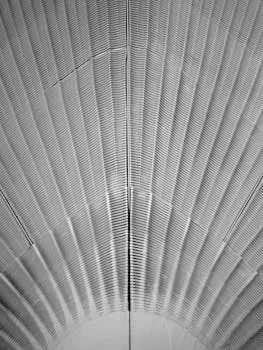
Bar screens remain the durable, low-maintenance choice where larger debris dominates and manual or simple mechanical raking is acceptable. Drum screens favor continuous duty and stronger capture of rags and fibers, often up to about 90% of those materials in industrial feeds, at higher energy use. Step screens add self-cleaning action and a compact footprint, which suits tight headworks and higher automation targets, at higher capital cost and more sensitivity to sudden influent swings.
Municipal plants with moderate debris often start with bar screens. Industrial sites with high rag or fiber loads usually prefer drum or step units. Fine step screens are common ahead of membrane systems because they reduce fibrous carryover. Energy bands in practice are about 0.5–1 kWh/1,000 m³ for bar screens, 1–3 kWh/1,000 m³ for drum screens, and 2–5 kWh/1,000 m³ for step screens under continuous duty.
| Screen Type | Pros | Cons | Typical Application | Debris Capture Efficiency (Rags/Fibers) | Energy Consumption (kWh/1,000 m³) |
|---|---|---|---|---|---|
| Bar Screens | Low maintenance, High durability, Cost-effective | Limited fine debris removal, Manual cleaning often required | Municipal WWTPs, Preliminary industrial screening | 60-80% | 0.5–1 |
| Drum Screens | Continuous operation, Better fine debris capture, High throughput | Higher energy use, More complex maintenance | Industrial WWTPs, High-load influents | 80-95% | 1–3 |
| Step Screens | Self-cleaning, Compact footprint, High automation potential | Higher capital cost, Sensitive to influent variability | MBR pretreatment, Industrial with automation needs | 90-98% | 2–5 |
For continuous-duty screening in demanding industrial channels, the Rotary Mechanical Bar Screen (GX Series) is a practical bar-screen option when durability and automated raking matter more than ultra-fine openings.
What Belongs in Inlet Works at a Treatment Plant?
Inlet works at a wastewater treatment plant start with screening, then usually grit and related preliminary units before primary or biological stages. Coarse screens form the first barrier so pumps and downstream processes see fewer large objects. Channel design must keep approach velocity high enough to limit deposition, while velocity through the bars stays low enough to avoid forcing soft solids through the openings.
EPA CSO guidance for coarse screens targets approach velocity of at least about 0.38 m/s (1.25 ft/s) and velocity through bars below about 0.91 m/s (3 ft/s). Differential-head cleaning is commonly set to limit headloss near 150 mm (6 in) on mechanically cleaned units (EPA 832-F-99-040). Plan redundant screening or bypass isolation so peak flow can continue with one unit offline.
Compliance Standards for Coarse Screen Inlet Works
EN 12255-3:2024 is the current European standard for preliminary wastewater treatment, including screens with mesh size above 50 μm at plants serving more than 50 population equivalents. It replaces EN 12255-3:2000 and also covers grit removal and grease separation (CEN, 2024). US plants typically prove headworks performance through NPDES permit conditions and state design standards rather than a single federal screen-spec rule.
For reuse or potable-contact materials, NSF/ANSI 61 remains the common materials-safety reference. Cross-check local rules such as China’s GB 18918 or India’s CPCB discharge expectations when the plant exports equipment or operates abroad. Screen spacing, materials, and standby capacity should be written into the design basis used for permit applications under NPDES or the EU Urban Waste Water framework.
How Do You Select a Coarse Bar Screen?
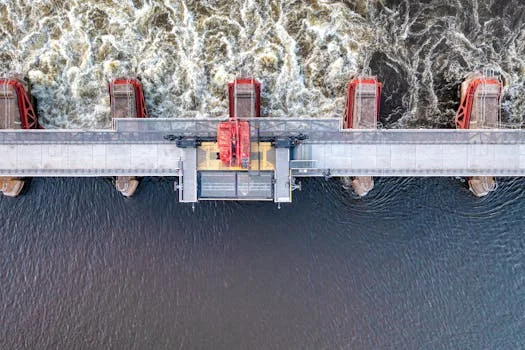
A coarse bar screen should be selected from measured influent solids, peak flow, headloss limits, and cleaning labor—not from catalog capacity alone. Use the five-step sequence below as a procurement checklist.
- Characterize Influent: Measure TSS (often 100–1,000 mg/L municipal; up to 5,000 mg/L+ industrial), list debris types, and map diurnal and seasonal flow swings.
- Match Screen Type to Influent: Moderate municipal debris may suit bar screens. High rag or fiber loads favor drum or step screens. Protect MBR systems protected by coarse screening with finer automated openings when membranes are downstream.
- Calculate Required Capacity: Size to maximum expected flow plus a 20% peak factor. Check channel headloss limits and physical envelope before locking the model.
- Evaluate Materials and Structural Integrity: Prefer 304/316 stainless steel in corrosive service; epoxy-coated carbon steel can fit milder duty. Confirm load rating for channel depth and velocity.
- Assess Automation and Maintenance Needs: Manual bars cut capital cost but raise labor. Automated drum and step units raise energy and spare-parts needs. Integrate differential-head cleaning with SCADA where staffing is thin.
For bar-screen sizing detail, use the detailed mechanical bar screen specifications for 2025. For step-screen alternatives, compare the step screen specifications and selection criteria.
| Step | Key Considerations | Example Data/Action |
|---|---|---|
| 1. Influent Characterization | TSS, Debris Type, Flow Variability | Municipal: 200-500 mg/L TSS, 60% rags/fibers. Food Processing: 1000+ mg/L TSS, 40% food waste, 20% plastics. |
| 2. Match Screen Type | Debris Capture Needs, Automation Level | High rag load -> Drum/Step Screen. MBR -> Fine Step Screen. |
| 3. Calculate Capacity | Max Flow Rate, Headloss Constraints, Footprint | Design Flow 5,000 m³/h + 20% = 6,000 m³/h. Max headloss 150mm. |
| 4. Evaluate Materials & Structure | Corrosion Resistance, Lifespan, Load Bearing | Acidic industrial waste -> 316 SS. Deep channel -> Load rating > 1,500 kg/m². |
| 5. Assess Automation & Maintenance | Labor Costs, Operational Efficiency, SCADA Integration | 24/7 operation needs -> Automated Drum/Step Screen. Manual cleaning ok -> Bar Screen. |
Coarse Screen Costs and ROI: Budget Data for Procurement
Capital cost for coarse screens still spans roughly $15,000–$50,000 for bar screens, $50,000–$150,000 for drum screens, and $100,000–$250,000 for step screens, depending on materials, automation, and customization. Installation commonly adds 20–40% for civil, channel, and electrical work. Operating cost drivers are energy ($0.5–$5 per 1,000 m³), maintenance parts and labor ($1–$3 per 1,000 m³ plus cleaning labor), and screenings disposal.
A worked plant example places payback near 18 months when a $50,000 automated screen avoids about $30,000 per year in pump failures and downtime. Stainless steel units often last 10–20 years; carbon steel units often last 5–10 years before major refurbishment or replacement. Use lifecycle cost, not equipment price alone, when comparing bids.
| Cost Component | Typical Range | Notes |
|---|---|---|
| Capital Cost (Equipment) | $15,000 – $250,000 | Bar Screens: $15–50K; Drum Screens: $50–150K; Step Screens: $100–250K. |
| Installation Costs | 20–40% of equipment cost | Includes site prep, electrical, civil work. |
| Operational Costs (Energy) | $0.5 – $5 / 1,000 m³ | Varies by screen type and operational hours. |
| Operational Costs (Maintenance & Labor) | $1 – $3 / 1,000 m³ + Labor | Includes parts, consumables, and operator time for cleaning/servicing. |
| Estimated ROI Payback | 1–3 Years | Based on avoided pump repairs, downtime, and fines. |
| Lifespan | 5–20 Years | Stainless steel: 10–20 yrs; Carbon steel: 5–10 yrs. |
Who this is for: plant engineers, EPC designers, and procurement managers sizing headworks screens for municipal or industrial wastewater. Who should look elsewhere: buyers needing only fine screening (<6 mm) or membrane pore selection without a coarse stage. Next step: send peak flow, TSS, debris notes, and channel limits with your inquiry so screen opening and cleaning duty can be checked against the duty point.
Frequently Asked Questions
What bar spacing should I use for industrial coarse screens?
Industrial coarse screens commonly use 25–100 mm clear spacing when debris is large and solids load is high. Municipal channels more often sit at 6–25 mm. EPA CSO guidance places many mechanically cleaned bars near 6.4–25.4 mm (0.25–1.0 in) and coarser racks near 40–80 mm. Match spacing to debris size, peak velocity, and downstream equipment sensitivity.
How much TSS do coarse screens actually remove?
Coarse screens primarily remove large debris and floatables, not bulk suspended solids. Earlier materials often quoted 85–95% TSS for coarse duty; EPA CSO guidance states screening does not remove a significant amount of suspended solids. Use TSS targets to size primary clarification or fine screens, not to oversell coarse openings.
Which standard should European inlet works follow for screens?
European preliminary treatment design should reference EN 12255-3:2024 for screens above 50 μm mesh at plants above 50 PE. The 2024 edition replaces EN 12255-3:2000 and also addresses grit and grease separation. Always combine it with project-specific hydraulic calculations and national permit limits.
What headloss is normal across a coarse screen?
Headloss across a properly sized coarse screen typically ranges from 50–200 mm in clean to moderately blinded service. Mechanically cleaned units are often controlled near 150 mm (6 in) differential before a cleaning cycle starts. If headloss climbs faster, check blinding, approach velocity, and screenings removal logistics.
What drives coarse screen capital and operating cost?
Cost is driven by screen type, stainless versus coated steel, capacity, and automation level. Bar screens sit at the low end of capital cost; drum and step screens cost more but cut labor and improve fine-rag capture. Include installation (20–40%), energy, parts, and screenings disposal in the bid comparison.