A pH ORP controller for wastewater precisely maintains effluent pH between 6 and 9 and ORP within a ±50 mV window of its set-point; high-accuracy models featuring ±0.01 pH and ±1 mV ORP resolution can reduce acid/base consumption by 12–18% and prevent costly permit violations.
Why 0.1 pH Error Can Cost $30k in Fines
A single pH excursion below 6.0 can trigger a $32,000 fine, a consequence frequently observed when relying on manual chemical dosing in industrial wastewater treatment. In Q3 2023, the EPA issued penalties averaging $32,000 for pH violations in industrial discharge permits (EPA 2023 data). Manual acid or alkali dosing, often adjusted by operators based on periodic grab samples or basic pH meters, inherently drifts by 0.3–0.5 pH units per shift. This variability arises from inconsistent chemical feed rates, fluctuating influent pH, and human error, pushing effluent outside the critical 6–9 pH compliance window. For processes requiring ORP control, such as hexavalent chromium reduction, imprecise dosing can lead to incomplete reactions, resulting in Cr+6 discharge exceeding the typical 0.05 mg/L limit.
In contrast, a modern pH ORP controller with ±0.01 pH accuracy can maintain the 3-sigma process variability within a much tighter range, typically ±0.05 pH. This precision ensures that the discharge remains consistently within the 6–9 pH window, even with influent pH swings or minor upsets. The initial investment in an accurate controller is a fraction of a single permit violation, making it a critical component for risk mitigation and regulatory compliance.
pH ORP Controller Accuracy Grades Explained
pH ORP controller accuracy grades directly correlate with the precision of chemical dosing and the financial impact of reagent overfeed. Higher accuracy translates directly into tighter control bands, minimizing the amount of acid or base required to reach and maintain the target pH. For instance, maintaining pH 7.0 ±0.01 requires significantly less reagent than pH 7.0 ±0.1, as the latter allows for wider excursions before correction, leading to reactive over-dosing. ORP measurement, often critical for redox reactions like cyanide oxidation or chromate reduction, also benefits from higher accuracy (±1 mV vs. ±5 mV) to ensure complete reaction without excessive reducing or oxidizing agents.
The difference in chemical consumption between accuracy grades can be substantial. Our field data (HydropureWater field data, 2025) shows that systems operating with ±0.1 pH accuracy typically overfeed chemicals by 12–18% compared to systems with ±0.01 pH accuracy. This overfeed not only wastes reagents but can also lead to secondary treatment issues or further non-compliance if the effluent swings too far in the opposite direction. Matching the controller's accuracy class to the specific discharge limit and chemical budget is therefore a crucial design consideration.
| Accuracy Grade (pH / ORP) | Typical Application | Chemical Overfeed (Relative to ±0.01 pH) | Typical Cost Factor |
|---|---|---|---|
| ±0.01 pH / ±1 mV | Lab-grade / Critical Discharge | 0.5% (Baseline) | 1.0× |
| ±0.05 pH / ±3 mV | Process-grade / Standard Industrial | 4% | 0.6× |
| ±0.1 pH / ±5 mV | Budget / Pre-treatment Monitoring | 12–18% | 0.3× |
For example, a process requiring pH 6.0–9.0 compliance with a tight ORP window for Cr+6 reduction (<0.05 mg/L, requiring ORP ±50 mV of setpoint) would necessitate a ±0.01 pH / ±1 mV ORP controller. This precision minimizes the risk of over-reducing or under-reducing, both of which can lead to permit violations and increased chemical costs. The initial higher CAPEX for a lab-grade controller is quickly offset by the OPEX savings from reduced chemical consumption and avoided fines.
Sensor Type vs. Wastewater Matrix

Selecting the appropriate sensor type for a specific wastewater matrix is critical to prevent electrode poisoning and ensure accurate, long-term measurement. The chemical composition of industrial wastewater, including the presence of heavy metals, sulfides, fluorides, and fats, oils, and greases (FOG), can severely impact the lifespan and accuracy of pH and ORP electrodes. Using the wrong sensor type leads to frequent replacements, increased maintenance, and unreliable data.
- Double-junction Glass pH Electrodes: These are the general-purpose workhorses, suitable for a broad range of industrial wastewater applications with pH from 0 to 12. Their double-junction design minimizes contamination of the reference electrolyte by process fluids, making them robust against many common interferents like sulfides and heavy metals. However, they are susceptible to fouling in high-FOG environments and cannot withstand hydrofluoric acid (HF).
- Antimony pH Electrodes: Specifically designed for wastewater containing hydrofluoric acid (HF) or fluoride ions, antimony electrodes offer resistance to chemical attack that standard glass electrodes cannot. They typically operate within a 0–10 pH range and come at approximately twice the cost of a standard glass electrode. Their robust nature makes them essential in industries like semiconductor manufacturing or metal finishing where HF is present.
- Flat Glass ORP Electrodes: For ORP measurement, especially in fouling wastewater matrices containing FOG or high suspended solids, flat glass ORP electrodes are preferred. Their flat sensing surface resists coating and buildup, extending their operational life to 24–36 months, significantly longer than traditional bulb-style electrodes. They are ideal for applications such as hexavalent chromium reduction or cyanide oxidation, where consistent and reliable ORP monitoring is paramount.
Proper sensor selection based on the wastewater matrix is a key factor in achieving consistent compliance and optimizing operational costs.
Temperature Compensation & Cable Length Limits
Accurate pH and ORP measurements require robust temperature compensation and careful consideration of cable length limitations to prevent signal drift. pH measurements are highly temperature-dependent, with the Nernst equation dictating a change of approximately 0.02 pH units per 10°C deviation from the calibration temperature. Without proper compensation, a 20°C temperature swing in influent wastewater (e.g., from 15°C to 35°C) can introduce an error of ±0.04 pH, potentially pushing readings outside compliance limits. Therefore, integrating a PT1000 or PT100 temperature compensation element directly within the pH sensor is essential for maintaining ±0.02 pH accuracy over wide temperature ranges.
Similarly, the integrity of the signal transmission is critical, particularly over longer distances. Analog 4–20 mA current loops, commonly used for signal transmission, are susceptible to voltage drop and electrical noise over extended cable runs. To maintain signal accuracy and prevent drift, the total loop resistance for a 4–20 mA signal should typically remain below 500 Ω at 24 VDC, limiting cable lengths to approximately 30 meters for standard shielded cables. Beyond this, signal degradation can lead to inaccuracies. For applications requiring sensor placement up to 100 meters from the controller, digital communication protocols like Memosens offer superior noise immunity and signal integrity. Memosens sensors convert the analog signal to a digital one at the sensor head, eliminating signal drift due to cable length or moisture ingress, making them ideal for challenging industrial environments.
Control Outputs: Relays vs. 4–20 mA vs. Modbus
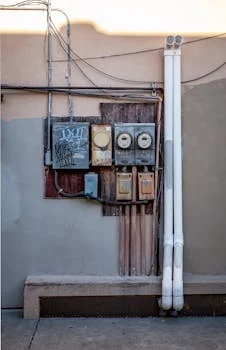
The choice of control output determines a pH ORP controller's compatibility with existing chemical dosing equipment and SCADA systems. Selecting the correct output type ensures seamless integration and precise control over chemical addition, whether for simple on/off dosing or complex proportional control. Modern PLC-controlled chemical dosing skids often offer flexibility in accepting various input signals.
- Powered Relays (e.g., 3 x 5A @ 250 VAC): These provide direct on/off control for solenoid valves, small dosing pumps, or alarms. When the pH or ORP deviates beyond a set threshold, the relay activates or deactivates the connected device. This is a cost-effective solution for batch treatment or simple neutralization processes where precise proportional control isn't strictly necessary. A typical controller might offer three powered relays: one for acid dosing, one for alkali dosing, and one for a high/low alarm.
- 4–20 mA Analog Output: This continuous current signal is ideal for proportional control, allowing for more nuanced and efficient chemical dosing. A 4–20 mA output can directly interface with variable frequency drives (VFDs) controlling chemical dosing pumps, modulate proportional control valves for acid/base addition, or feed into a larger distributed control system (DCS). This enables the controller to adjust the dosing rate proportionally to the deviation from the set-point, minimizing chemical overfeed and reducing process upsets.
- Modbus RTU: For advanced integration with plant-wide SCADA (Supervisory Control and Data Acquisition) systems, Modbus RTU (Remote Terminal Unit) provides digital communication for multiple parameters. This allows for remote monitoring of pH, ORP, temperature, and alarm statuses, as well as remote adjustment of set-points and calibration parameters. Modbus facilitates centralized control, data logging, and trend analysis, offering superior operational oversight and data archiving for compliance reporting.
Many advanced controllers offer a combination of these outputs, providing versatility to match diverse plant requirements and future expansion plans. For a comprehensive overview of system options, you can compare complete pH adjustment systems.
2025 Cost & Payback Worksheet
Implementing a high-accuracy pH ORP controller typically demonstrates a return on investment within 18 months, driven by significant chemical cost reductions and avoided penalty fees. While a budget controller might seem appealing with a lower upfront cost, its inherent inaccuracy leads to substantial chemical overfeed and increased risk of permit violations, ultimately costing more in the long run. The payback calculation below illustrates the financial benefits of investing in a precise control system.
| Category | Lab-Grade Controller (Example: ±0.01 pH) | Budget Controller (Example: ±0.1 pH) | Notes |
|---|---|---|---|
| CAPEX (Initial Investment) | |||
| Controller Unit Cost | $1,800 | $650 | |
| pH Sensor Cost (Glass) | $250 | $150 | |
| ORP Sensor Cost (Flat Glass) | $350 | $200 | |
| Installation Materials (approx.) | $300 | $250 | Piping, fittings, junction box |
| Total Initial CAPEX | $2,700 | $1,250 | |
| OPEX (Annual Operating Costs) | |||
| Chemical Cost (Baseline) | $30,000/year | $30,000/year | Assumes 50 m³/h flow, typical reagent use |
| Chemical Overfeed Cost | $150/year (0.5%) | $4,200/year (14%) | Based on HydropureWater field data (2025) |
| pH Sensor Replacement | $180/year | $150/year | Assumes 18-month life, $250 sensor cost |
| ORP Sensor Replacement | $175/year | $100/year | Assumes 24-month life, $350 sensor cost |
| Calibration Solutions | $50/year | $50/year | |
| Maintenance Labor (Est.) | $200/year | $400/year | More frequent calibration/troubleshooting for budget units |
| Potential Penalty Avoidance | $32,000/year (avoided) | $0 (risk present) | One permit breach at pH 5.2 costs $32,000 (EPA 2023) |
| Total Annual OPEX (excluding penalties) | $30,755 | $35,100 | |
| ROI Calculation | |||
| Annual OPEX Savings (Lab-grade vs. Budget) | $4,345/year | ($35,100 - $30,755) | |
| Additional CAPEX for Lab-grade | $1,450 | ($2,700 - $1,250) | |
| Payback Period | < 4 months | ($1,450 / $4,345/year) | |
This worksheet demonstrates that a lab-grade controller, despite its higher initial CAPEX, provides an annual OPEX saving of $4,345 through reduced chemical consumption and less maintenance. This results in a payback period of less than 4 months for the additional investment. When factoring in the avoidance of a single $32,000 penalty, the ROI is immediate and substantial. This data-driven justification can be directly incorporated into a CAPEX request, highlighting the long-term financial benefits and risk mitigation.
Installation Checklist for Harsh Wastewater

Proper installation practices are essential for maximizing the operational lifespan and accuracy of pH ORP sensors in challenging wastewater environments. Incorrect sensor placement or inadequate protection can lead to premature failure due to fouling, abrasion, or chemical attack, necessitating frequent replacements and recalibrations. Adhering to a detailed installation checklist minimizes downtime and ensures consistent measurement integrity over the sensor's expected 18-month cycle for glass pH electrodes and 24-36 months for flat glass ORP electrodes.
- Mounting Angle: Install the sensor at a 15° downward angle. This orientation prevents air bubbles from collecting on the sensing surface, which can cause erratic readings, and ensures the electrode remains fully immersed, preventing the reference junction from drying out.
- Turbulent Zone Placement: Position the sensor in a location with moderate flow and turbulence. This ensures a representative sample is always in contact with the electrode and prevents buildup of solids or stagnant conditions that can lead to localized pH/ORP readings. Avoid dead zones or areas of extreme turbulence that could damage the sensor.
- Guard Cage for High TSS: If the wastewater contains total suspended solids (TSS) exceeding 500 mg/L or abrasive particles, always utilize a protective guard cage. This physical barrier shields the delicate sensor bulb or flat surface from impact damage while still allowing process fluid to flow past.
- Material Compatibility: Verify that the sensor body and mounting hardware materials (e.g., PVDF, CPVC, stainless steel) are chemically compatible with the wastewater stream to prevent corrosion or degradation.
- Cable Management: Securely route sensor cables, protecting them from physical damage, extreme temperatures, and electromagnetic interference (EMI) from motors or VFDs. Ensure drip loops are present to prevent moisture from traveling down the cable to the controller.
- Initial Calibration Frequency: During the first month of operation, calibrate the pH and ORP sensors weekly. This establishes a baseline for performance in the specific wastewater matrix and identifies any initial fouling or drift issues. After the initial month, adjust to a bi-weekly or monthly calibration schedule based on observed sensor stability and process requirements.
Frequently Asked Questions
Common questions regarding pH ORP controllers for wastewater treatment address accuracy, calibration frequency, sensor lifespan, and overall system costs.
Q: How accurate does my pH ORP controller need to be for wastewater discharge?
A: For compliance with universal pH 6–9 discharge limits and ORP ±50 mV for Cr+6 reduction (<0.05 mg/L), a controller with ±0.01 pH and ±1 mV ORP accuracy is recommended. This precision minimizes chemical overfeed and avoids costly permit violations.
Q: How often should I calibrate my pH and ORP sensors?
A: Calibrate weekly for the first month after installation to establish a performance baseline. Subsequently, calibrate bi-weekly or monthly depending on the wastewater's fouling potential and observed sensor drift. Regular checks ensure consistent measurement accuracy.
Q: What is the typical lifespan of a pH or ORP sensor in wastewater?
A: Standard glass pH electrodes typically last 12–18 months. Flat glass ORP electrodes, designed for harsh conditions, generally achieve 24–36 months. Sensor life varies based on wastewater matrix, temperature, and maintenance frequency.
Q: What is the cost difference between a lab-grade and a budget pH ORP controller?
A: A lab-grade controller (±0.01 pH) costs around $1,800, while a budget model (±0.1 pH) is approximately $650. However, the lab-grade unit offers significant long-term savings through reduced chemical consumption and avoided fines.
Q: Can a single controller manage both pH and ORP measurements?
A: Yes, many industrial pH ORP controllers are dual-channel, capable of simultaneously monitoring and controlling both pH and ORP parameters. This provides a compact, integrated solution for complex wastewater treatment processes.