Buried Wastewater Treatment System Specifications: 2025 Engineering Data, Standards & Selection Guide
Buried wastewater treatment systems (BWTS) deliver advanced wastewater treatment in a compact, underground footprint, essential for projects like a hospital in Sharm El Sheikh needing to preserve landscape aesthetics while complying with stringent local regulations. These systems integrate biological treatment, sedimentation, and disinfection within a single subterranean unit, consistently achieving effluent standards of COD <60 mg/L, BOD <20 mg/L, and TSS <30 mg/L, aligning with EPA 2024 benchmarks. Key engineering specifications for buried wastewater treatment system specifications include typical flow rates of 1–80 m³/h for residential and commercial applications, hydraulic retention times of 6–12 hours for Anoxic/Aerobic (A/O) systems, and optimal soil percolation rates ranging from 15–60 min/inch for effective drainfield integration. HydropureWater’s WSZ series, for example, combines A/O contact oxidation with advanced options like PVDF membrane filtration (MBR) or dissolved air flotation (DAF) to achieve high-efficiency solids removal, meeting international standards such as ISO 30500 and the EU Urban Waste Water Directive 91/271/EEC for non-sewered sanitation.Why Choose Buried Wastewater Treatment Systems? Engineering vs. Aesthetic Trade-offs
Buried wastewater treatment systems reduce the physical footprint by 60–80% compared to conventional above-ground plants, as demonstrated by HydropureWater WSZ series data for similar capacity systems. This significant space efficiency is critical for urban hospitals, hotels, and residential communities where land is a premium or expansion options are limited. Beyond saving valuable surface area, the aesthetic integration of underground sewage treatment plant design eliminates visual pollution, a key requirement for tourism-dependent regions such as Sharm El Sheikh or Bali, where preserving natural or landscaped environments is paramount. underground installation reduces operational noise to below 45 dB, a substantial improvement over the 70–85 dB typically produced by above-ground aeration tanks, thereby meeting stringent WHO guidelines for noise levels in healthcare facilities and residential zones. Buried systems also offer enhanced climate resilience; their subterranean placement maintains stable operating temperatures between 10–25°C year-round, which significantly improves biological treatment efficiency in regions experiencing extreme temperature fluctuations, from the freezing winters of Canada to the scorching summers of the Middle East. Some municipalities, including Singapore and Dubai, offer specific regulatory incentives or rebates for buried systems, recognizing their contribution to reducing urban heat island effects and promoting sustainable urban development.2025 Buried Wastewater Treatment System Specifications: Performance Benchmarks by Technology
Anoxic/Aerobic (A/O) Systems
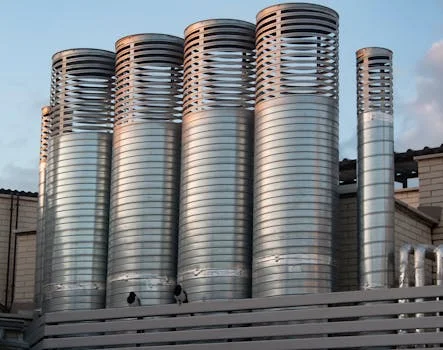
HydropureWater WSZ series 2025 data indicate that A/O systems achieve COD removal rates of 85–92%, BOD removal of 90–95%, and TSS removal of 85–90%. These systems typically operate with a hydraulic retention time (HRT) of 6–8 hours and consume 0.3–0.5 kWh/m³ of energy. A/O systems are ideal for residential communities and small hotels requiring reliable, cost-effective treatment to secondary or advanced secondary standards.
Membrane Bioreactor (MBR) Systems
MBR buried system performance benchmarks, based on HydropureWater DF series membrane specifications, show superior effluent quality with COD removal reaching 95–98%, BOD removal at 98–99%, and TSS removal exceeding 99%. MBR systems operate with a shorter HRT of 4–6 hours, but require higher energy input, typically 0.6–0.9 kWh/m³, primarily for membrane aeration and permeate pumping. Membrane cleaning is necessary 1–2 times per year. MBR systems are best suited for applications demanding near-reuse-quality effluent, such as hospitals or industrial water reuse (e.g., cooling tower makeup), where stringent pathogen and solids removal are critical. For more detailed MBR specifications, refer to 2025 MBR system specifications for buried applications.
Dissolved Air Flotation (DAF) Systems
HydropureWater data for DAF systems indicate TSS removal rates of 90–97% and FOG (Fats, Oils, and Grease) removal of 95–99%. DAF systems have very short HRTs, typically 1–2 hours, and relatively low energy consumption at 0.2–0.4 kWh/m³. They are primarily used as a pretreatment step for high-FOG wastewater streams, such as those from food processing facilities or slaughterhouses, before biological treatment in a buried system.
Soil Absorption Requirements
For systems incorporating a drainfield, soil absorption field sizing calculator inputs are critical. The EPA Title 5 mandates percolation rates between 15–60 min/inch. Drainfield sizing typically ranges from 1.5–2.5 ft²/gpd, as per the NYSDOH Handbook, p. 45.
Effluent Standards
Effluent quality for global markets must meet various standards: EPA (COD <60 mg/L, BOD <20 mg/L), ISO 30500 (pathogen <10³ CFU/100 mL), and EU Urban Waste Water Directive 91/271/EEC (TSS <35 mg/L). HydropureWater’s WSZ series buried A/O system with 1–80 m³/h capacity and MBR buried system for near-reuse-quality effluent (<1 μm filtration) are designed to meet or exceed these benchmarks. For high-FOG pretreatment, the DAF for high-FOG wastewater pretreatment in buried systems is often integrated.
| Parameter | A/O System (HydropureWater WSZ Series) | MBR System (HydropureWater DF Series) | DAF System (HydropureWater) |
|---|---|---|---|
| COD Removal | 85–92% (<60 mg/L) | 95–98% (<30 mg/L) | N/A (Pretreatment) |
| BOD Removal | 90–95% (<20 mg/L) | 98–99% (<10 mg/L) | N/A (Pretreatment) |
| TSS Removal | 85–90% (<30 mg/L) | 99%+ (<5 mg/L) | 90–97% |
| FOG Removal | Low (Limited) | Low (Limited) | 95–99% |
| Hydraulic Retention Time (HRT) | 6–8 hours | 4–6 hours | 1–2 hours |
| Energy Use | 0.3–0.5 kWh/m³ | 0.6–0.9 kWh/m³ | 0.2–0.4 kWh/m³ |
| Membrane Cleaning | N/A | 1–2x/year | N/A |
| Typical Application | Residential, small hotels | Hospitals, industrial reuse | Food processing, slaughterhouses |
Design Parameters for Buried Systems: Flow Rates, Tank Sizing, and Soil Compatibility
Accurate calculation of flow rates and tank sizing is fundamental for the successful design of buried wastewater treatment systems. Engineers must account for peak flows, infiltration, and sludge accumulation to ensure the system can handle variable loads without hydraulic overloading or premature solids breakthrough.Flow Rate Calculations
Peak flow rates for buried systems are calculated by factoring in daily average flow, a peaking factor, and potential infiltration. The EPA Onsite Wastewater Treatment Systems Manual (p. 78) suggests calculating peak flow as (daily flow × 2.5) + infiltration, with infiltration typically estimated at 0.1–0.3 gpd/ft² for collection systems. For example, a system designed for a daily average flow of 20 m³/day would require a peak flow capacity considering this multiplier and any potential groundwater infiltration into the collection network.
Tank Sizing
Septic tank volume, critical for primary sedimentation in many buried treatment plant designs, should accommodate at least two days of daily flow plus adequate sludge storage for 1–2 years, as outlined in Nebraska Title 124. For instance, a 50 m³/d system requires a minimum 100 m³ tank volume for hydraulic retention, plus an additional 20 m³ for sludge storage, totaling 120 m³ to ensure proper solids separation and anaerobic digestion before subsequent treatment stages.
Soil Percolation Test
A soil percolation test is essential for evaluating soil absorption field sizing calculator inputs and determining suitability for effluent dispersal. The procedure involves digging a 12-inch deep hole, pre-soaking it for 24 hours, and then measuring the rate at which water drops. As per the NYSDOH Handbook (p. 32), a percolation rate less than 1 min/inch (indicating excessively rapid drainage) or greater than 60 min/inch (indicating poor drainage) renders the site unsuitable for conventional drainfields.
Drainfield Sizing
The required drainfield area for effluent dispersal can be calculated using the formula: Area = (daily flow × 1.5) / (percolation rate × 0.04), according to EPA guidelines. For example, a system with 10,000 gpd (37.85 m³/d) flow and a soil percolation rate of 30 min/inch would require approximately 12,500 ft² (1161 m²) of drainfield area. This calculation is crucial for underground sewage treatment plant design involving soil absorption.
Burial Depth
Minimum burial depth for buried wastewater treatment systems is 1.2 m of cover, specified by the EPA to prevent freezing, especially in colder climates. However, the maximum burial depth is typically limited to 3 m for fiberglass or polypropylene tanks due to structural integrity concerns under soil load. Deeper installations may necessitate reinforced concrete tanks or specialized structural designs.
| Parameter | Design Guideline | Example/Notes |
|---|---|---|
| Peak Flow Calculation | (Daily Flow × 2.5) + Infiltration | Infiltration: 0.1–0.3 gpd/ft² |
| Septic Tank Volume | (Daily Flow × 2 days) + Sludge Storage | Sludge storage: 1–2 years (e.g., 20 m³ for 50 m³/d system) |
| Soil Percolation Rate | 15–60 min/inch (optimal) | <1 min/inch or >60 min/inch = unsuitable for drainfield |
| Drainfield Sizing Formula | Area = (Daily Flow × 1.5) / (Percolation Rate × 0.04) | Example: 10,000 gpd flow, 30 min/inch perc. → 12,500 ft² |
| Minimum Burial Depth | 1.2 m (EPA) | Prevents freezing |
| Maximum Burial Depth | 3 m (Structural limit for common tanks) | Deeper requires specialized tanks/design |
Compliance Checklist: Global Standards for Buried Wastewater Treatment Systems
EPA (USA)
The U.S. Environmental Protection Agency (EPA) sets standards primarily through 40 CFR Part 503 for biosolids management and Title 5 for onsite wastewater treatment systems. For secondary treatment, typical effluent limits are BOD <30 mg/L and TSS <30 mg/L. EPA onsite wastewater treatment system specifications also include requirements for system siting, design, and monitoring to protect public health and the environment.
ISO 30500:2018
This international standard specifically addresses non-sewered sanitation systems, providing comprehensive requirements for their performance, safety, and sustainability. Key ISO 30500 effluent standards for non-sewered sanitation include stringent pathogen removal targets: a 6-log reduction for viruses and a 5-log reduction for bacteria. Additionally, nutrient limits are specified, such as total nitrogen (TN) <20 mg/L and total phosphorus (TP) <5 mg/L, reflecting a focus on advanced treatment for environmental protection.
EU Urban Waste Water Directive 91/271/EEC
This directive mandates secondary treatment for all urban agglomerations with a population equivalent (PE) greater than 2,000. Effluent standards for treated wastewater discharged to receiving waters include BOD <25 mg/L, COD <125 mg/L, and TSS <35 mg/L. More stringent tertiary treatment may be required for discharges into sensitive areas, often including nutrient removal targets.
China GB 18918-2002
China's national discharge standard for municipal wastewater treatment plants sets various classes of effluent quality. Class 1A standards are the most stringent, applicable to sensitive areas like drinking water sources, with limits such as COD <50 mg/L, ammonia nitrogen (NH₄-N) <5 mg/L, and total phosphorus (TP) <0.5 mg/L. Many buried systems in China are designed to meet these high standards for environmental protection.
Local Variances
Beyond national and international standards, many states and local jurisdictions impose additional or stricter siting and design regulations. Examples include the New York State Department of Health (NYSDOH) Handbook for Residential Onsite Wastewater Treatment Systems, Nebraska's Title 124, and California's Tiered OWTS Regulations. These local rules often dictate specific setbacks, soil testing protocols, and system component requirements, which are critical for ensuring buried wastewater treatment system specifications meet all applicable mandates.
Buried vs. Above-Ground Systems: Cost, Performance, and ROI Comparison
Evaluating buried wastewater treatment systems versus above-ground alternatives requires a comprehensive analysis of capital expenditure (CAPEX), operational expenditure (OPEX), and long-term return on investment (ROI). Procurement managers often need a data-driven framework to justify the initial investment.Capital Expenditure (CAPEX)
Buried wastewater treatment systems typically incur 20–40% higher upfront costs compared to above-ground plants. Based on 2025 HydropureWater project data, buried systems range from $1,200–$2,500/m³ capacity, while above-ground systems are generally $800–$1,500/m³. This difference is primarily due to increased excavation requirements, structural reinforcement for underground tanks, and specialized installation procedures needed to manage soil loads and potential groundwater pressures. The initial investment in underground sewage treatment plant design is offset by other factors over the system's lifespan.
Operational Expenditure (OPEX)
Despite higher CAPEX, buried systems often lead to reduced OPEX. Their underground placement provides stable operating temperatures (10–25°C), which can reduce energy costs for heating or cooling by 15–25% compared to exposed above-ground units, particularly in climates with extreme temperature swings. Additionally, buried systems eliminate land leasing fees for the treatment facility footprint, a significant saving in urban or high-value land areas. For instance, a 50 m³/d buried system could save an estimated $12,000/year in energy and land costs compared to an equivalent above-ground system.
Maintenance
Buried systems can reduce direct operator time by approximately 30% due to the elimination of odor control issues and fewer noise complaints, which often plague above-ground facilities. However, maintenance tasks within buried units, such as pump inspections or membrane cleaning, may require specialized confined-space entry training and equipment, adhering to OSHA 1910.146 regulations. This ensures the safety of personnel accessing underground components.
Return on Investment (ROI)
For projects with critical aesthetic or space constraints, such as hotels, hospitals, or high-density residential developments, buried systems typically achieve payback within 3–5 years. The benefits of preserved landscape, reduced noise, and long-term operational savings quickly outweigh the higher initial investment. In contrast, above-ground systems are generally more suitable for temporary installations (e.g., construction sites) or locations where land availability and aesthetics are not primary concerns. A compelling case study involved a HydropureWater WSZ system installed in a Jeddah hospital in 2024. This buried system reduced the overall footprint by 70% and cut energy use by 22% compared to an equivalent above-ground MBR system, achieving a 4-year ROI. More details on this can be found in Jeddah’s 2025 hospital wastewater treatment standards and buried system case study.
| Feature | Buried Wastewater Treatment System | Above-Ground Wastewater Treatment System |
|---|---|---|
| CAPEX (per m³ capacity) | $1,200–$2,500 (20–40% higher) | $800–$1,500 |
| OPEX (Energy) | 15–25% lower (stable temperatures) | Higher (exposed to climate variations) |
| Land Use | Minimal surface footprint | Significant surface footprint |
| Aesthetics | Integrated with landscape (invisible) | Visible industrial facility |
| Noise/Odor | <45 dB, minimal odor | 70–85 dB, potential odor issues |
| Maintenance Complexity | Requires confined-space training | Easier access, but more external components |
| ROI (Aesthetic/Space Projects) | 3–5 years payback | Longer, if aesthetic/space is a factor |
| Ideal Application | Hotels, hospitals, urban residential | Industrial parks, temporary sites, rural areas |
Common Pitfalls in Buried System Design and How to Avoid Them
Buoyancy
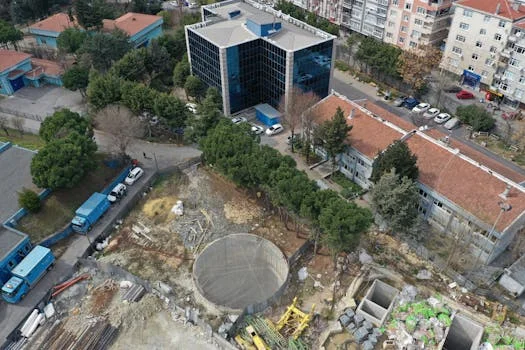
Empty buried tanks, particularly in high water table areas, are susceptible to flotation due to hydrostatic uplift forces. This can cause structural damage to the tank and surrounding infrastructure. Mitigation strategies include anchoring the tank to a concrete slab (as recommended by EPA guidelines) using hold-down straps or incorporating ballast, such as filling HDPE tanks with water or concrete, to counteract the buoyant force. Proper site assessment, including groundwater level monitoring, is essential during the design phase.
Soil Settlement
Differential soil settlement around and beneath the buried tank can induce significant stresses, leading to cracks in the tank structure or piping connections. To prevent this, backfill material must be compacted in uniform 6-inch lifts around the tank, adhering to standards like ASTM D698 (Standard Test Methods for Laboratory Compaction Characteristics of Soil Using Standard Effort). Additionally, using flexible pipe connections, such as rubber couplings, at all tank penetrations allows for minor differential movement without causing leaks or breaks.
Ventilation
Inadequate ventilation in buried systems can lead to anaerobic conditions, resulting in foul odors (e.g., hydrogen sulfide, H₂S) and accelerated corrosion of concrete or metal components. Mitigation involves installing passive ventilation systems, typically sized at 10 ft³/min per 1,000 gpd of flow. For MBR or other advanced systems, forced-air ventilation with activated carbon scrubbers may be necessary to ensure worker safety and odor control, especially during maintenance access.
Accessibility
Buried systems require sufficient and safe access for inspection, sampling, and maintenance. The EPA mandates manways with a minimum 24-inch diameter for personnel entry. HydropureWater WSZ series, for example, incorporates 36-inch diameter manways with lockable, gas-tight covers to ensure both safety and ease of access for routine operations and confined-space entries. Adequate clearance around internal components must also be designed in.
Electrical Safety
All underground wiring and electrical components within buried wastewater treatment systems must adhere to strict safety standards due to the wet and corrosive environment. The National Electrical Code (NEC) Article 680 requires all circuits to be GFCI-protected, and all wiring must be rated for wet locations (e.g., THWN-2 conductors). Proper conduit sealing and corrosion-resistant enclosures are also critical to prevent electrical failures and ensure operator safety.
Frequently Asked Questions
Common engineering challenges and considerations often arise when evaluating buried wastewater treatment system specifications. Addressing these typical queries provides clarity for design and operational planning.What are the 10 state standards for buried wastewater systems?
The '10 State Standards' refer to the **Model Regulations for Onsite Wastewater Treatment Systems** (1997), a widely adopted guideline by over ten U.S. states, including those in the Great Lakes region. Key specifications generally include a minimum 1,000-gallon septic tank capacity, drainfield sizing based on site-specific soil percolation rates, and setback requirements (e.g., 50 ft from wells, 10 ft from property lines). While foundational, modern standards from the EPA and ISO 30500 incorporate more stringent pathogen and nutrient limits, reflecting advancements in wastewater treatment technology and environmental protection goals.
Can buried systems handle high-strength industrial wastewater?
Yes, buried systems can handle high-strength industrial wastewater, but they typically require robust pretreatment stages. For instance, HydropureWater WSZ series systems, when paired with DAF for high-FOG wastewater pretreatment in buried systems, can effectively manage industrial wastewater with COD levels up to 2,000 mg/L, common in food processing. For even higher-strength streams, such as pharmaceuticals with COD up to 5,000 mg/L, MBR buried systems are suitable but necessitate more frequent membrane cleaning, typically every 3–6 months. Proper characterization of the industrial effluent is crucial for designing the appropriate pretreatment and biological stages.
What is the lifespan of a buried wastewater treatment system?
The lifespan of a buried wastewater treatment system typically ranges from 20–30 years for fiberglass or polypropylene tanks, according to HydropureWater data, and 15–25 years for concrete tanks. This lifespan is influenced by several factors: the corrosion resistance of the tank material (e.g., epoxy-coated steel offers enhanced durability), soil pH (highly acidic soils below 6.5 can accelerate concrete corrosion), and consistent maintenance, such as desludging every 2–3 years. Regular maintenance significantly contributes to the longevity of the entire system, including pumps and controls.
How do buried systems compare to septic tanks for residential use?
Buried systems, such as the HydropureWater WSZ series, offer significantly higher treatment capabilities than conventional septic tanks for residential use. Buried systems provide **tertiary treatment**, achieving high effluent quality with COD <60 mg/L, whereas septic tanks only provide **primary treatment**, yielding effluent with COD typically between 200–400 mg/L. While buried systems cost 2–3 times more upfront than septic tanks, they virtually eliminate the risk of drainfield failures, which the EPA estimates affect 10–20% of septic systems annually. Buried systems are ideal where space is limited, soil is unsuitable for drainfields, or higher effluent quality is required for discharge or reuse, often making them a more reliable and environmentally sound long-term solution.
What permits are required for buried systems in the U.S.?
Permit requirements for buried wastewater treatment systems in the U.S. vary significantly by state and local jurisdiction. However, common requirements include: 1) a **site evaluation** report, which involves soil percolation tests, groundwater table assessment, and verification of setback distances from wells, property lines, and water bodies; 2) **engineering plans** stamped by a licensed Professional Engineer (PE), detailing the system's design, calculations, and specifications; 3) a **NPDES permit** (National Pollutant Discharge Elimination System) from the EPA or state environmental agency if the treated effluent is discharged directly to surface waters; and 4) **local health department approval** (e.g., NYSDOH in New York, Nebraska Title 124, or California's Tiered OWTS Regulations), which often includes construction permits and final inspection approvals. For healthcare facilities, additional permits related to specific waste streams may be required, as detailed in 2025 healthcare wastewater effluent standards for buried systems or clinic wastewater treatment specifications.