Bahia’s Sewage Treatment Regulatory Landscape: 2025 Compliance Requirements
Navigating Bahia’s environmental regulations is paramount for industrial plant managers and municipal engineers seeking compliant and sustainable sewage treatment solutions. As of 2025, the core of these regulations stems from CONAMA 430/2011, which sets strict discharge limits for industrial effluent, mandating Biochemical Oxygen Demand (BOD) levels of ≤20 mg/L and Total Suspended Solids (TSS) of ≤50 mg/L. For municipal wastewater, the standard is generally BOD ≤60 mg/L. Further compounding these requirements, Bahia State Decree 19.528/2019 imposes enhanced monitoring and reporting mandates, particularly for coastal zones, requiring quarterly submission of effluent quality data to the state environmental agency (INEA). Failure to comply with these mandates carries significant penalties, ranging from R$5,000 to R$50 million fines, as outlined in INEA Resolution 89/2020, and can even lead to operational shutdowns. A notable instance in 2023 saw the Petrobras refinery in São Francisco do Conde facing operational disruptions due to non-compliance issues.
The local permitting process for new sewage treatment facilities in Bahia can be lengthy, typically spanning 6 to 12 months. For plants exceeding 50 m³/h capacity, an Environmental Impact Study (EIA) is a mandatory prerequisite. pre-approval certifications for equipment, such as the ABNT NBR 12209 standard for biological treatment systems, are often required. Bahia's tropical climate presents unique challenges for wastewater treatment. The region experiences consistently high ambient temperatures, which can influence the efficiency of biological processes. Additionally, industrial zones in Bahia often contend with higher organic loads, with average BOD levels reaching approximately 400 mg/L, significantly exceeding the national average of 250 mg/L. This necessitates robust treatment technologies capable of handling such loads and adapting to temperature fluctuations, impacting the performance of mesophilic versus thermophilic biological treatment systems found in technologies like MBR.
| Regulation | Applicability | Key Parameters | Bahia Specifics |
|---|---|---|---|
| CONAMA 430/2011 | Industrial Discharge | BOD ≤20 mg/L, TSS ≤50 mg/L | National standard, strictly enforced. |
| CONAMA 430/2011 | Municipal Discharge | BOD ≤60 mg/L (typical baseline) | |
| Bahia State Decree 19.528/2019 | Coastal Zone Discharge | Enhanced monitoring | Quarterly reporting to INEA mandated. |
| INEA Resolution 89/2020 | Non-compliance Penalties | Fines, operational shutdown | Fines R$5,000–R$50M; 2023 Petrobras refinery case. |
| ABNT NBR 12209 | Biological Treatment Systems | Equipment certification | Required for pre-approval in permits. |
Key Sewage Treatment Equipment for Bahia’s Industrial and Municipal Needs
Selecting the right sewage treatment equipment is critical for achieving compliance and operational efficiency in Bahia’s diverse industrial and municipal projects. Membrane Bioreactor (MBR) systems are highly effective for projects demanding high effluent quality, achieving 95-99% BOD removal. Their PVDF membranes, typically with a pore size of 0.1 μm, operate at flux rates of 15–25 LMH and exhibit energy consumption between 0.6–1.2 kWh/m³. A 2024 study conducted in Salvador highlighted the resilience of MBR systems in ambient temperatures averaging 30°C, demonstrating their suitability for the local climate.
For industrial wastewater characterized by high levels of fats, oils, and grease (FOG), Dissolved Air Flotation (DAF) systems are a robust solution, capable of removing 92-97% of TSS. These units utilize micro-bubbles (30–50 μm) and operate at hydraulic loading rates of 5–15 m/h. Chemical consumption, primarily polyaluminum chloride (PAC), ranges from 50–150 mg/L, making them a viable option for food processing plants in regions like Feira de Santana, though operating costs are higher than biological methods. Compact package plants, such as the WSZ series, offer a versatile solution for both rural and smaller industrial applications, treating flows from 3 to 80 m³/h. Employing processes like A/O, these plants require retention times of 6–12 hours and occupy a footprint of 1.5–2.0 m²/m³/h. Automation levels vary, from fully PLC-controlled systems to more manual operations, catering to different site requirements in remote areas of Bahia.
Sludge handling is an integral part of any treatment process. For Bahia’s high-humidity climate, dewatering equipment like belt presses and centrifuges made from corrosion-resistant materials such as 316L stainless steel are essential to manage sludge effectively and prevent premature equipment degradation. These systems are crucial for reducing sludge volume and disposal costs.
| Equipment Type | Key Performance Indicators | Typical Application in Bahia | Relevant Product Link |
|---|---|---|---|
| MBR Systems | BOD Removal: 95-99% Membrane Pore Size: 0.1 μm Flux Rate: 15-25 LMH Energy Use: 0.6-1.2 kWh/m³ |
High-quality effluent for reuse or sensitive discharge; suitable for tropical climates (Salvador study). | MBR Membrane Bioreactor Wastewater Treatment System |
| DAF Systems | TSS Removal: 92-97% Micro-bubble Size: 30-50 μm Hydraulic Loading Rate: 5-15 m/h PAC Consumption: 50-150 mg/L |
Industrial wastewater with high FOG content (Feira de Santana food processing); pre-treatment. | Dissolved Air Flotation (DAF) System |
| Package Plants (WSZ Series) | Capacity: 3-80 m³/h A/O Retention Time: 6-12 h Footprint: 1.5-2.0 m²/m³/h |
Rural communities, small industries, decentralized treatment in Bahia. | Underground Package Sewage Treatment Plant (WSZ Series) |
| Sludge Dewatering (e.g., Belt Presses, Centrifuges) | Dewatering Efficiency: 15-30% solids Materials: 316L Stainless Steel (high humidity) |
Volume reduction for disposal; suitable for Bahia’s climate. | Plate Frame Filter Press (related equipment) |
Cost Benchmarks for Sewage Treatment Equipment in Bahia: 2025 Data
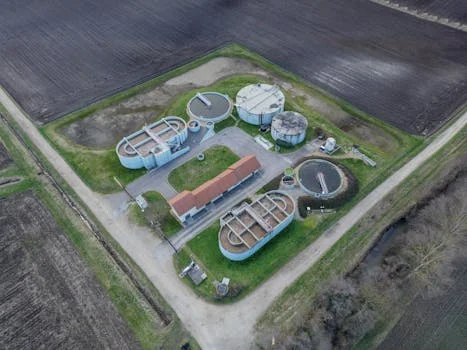
Cost transparency is crucial for budgeting and procurement in Bahia’s sewage treatment sector. Capital expenditure (CAPEX) for MBR systems in the 10–50 m³/h range typically falls between R$1.2 million and R$3.5 million. DAF systems, for capacities of 4–300 m³/h, require an investment of R$800,000 to R$2.2 million. Compact package plants, serving 1–80 m³/h, are generally more accessible, with CAPEX ranging from R$500,000 to R$1.8 million, according to the 2025 Bahia Water & Sanitation Association report. Operating costs (OPEX) vary significantly. MBR systems incur R$0.80–R$1.50/m³, primarily for energy and eventual membrane replacement. DAF systems, due to chemical consumption and sludge disposal, cost R$1.20–R$2.00/m³. Package plants offer the lowest OPEX at R$0.50–R$1.00/m³. Bahia’s industrial electricity tariff of approximately R$0.65/kWh influences these energy-related costs.
Sludge disposal costs are another significant factor. In Bahia, landfilling averages R$300–R$500 per ton, whereas incineration can cost R$800–R$1,200 per ton. Landfill capacity constraints in areas like Camaçari can influence these prices. Annual maintenance costs also need to be factored in: MBR systems can see 5–7% of CAPEX allocated for membrane replacement, DAF systems might require R$20,000–R$50,000 annually for pump rebuilds, and package plant media typically needs replacement every 3–5 years. Understanding these cost drivers is essential for accurate project forecasting and evaluating the total cost of ownership, as discussed in related sludge dewatering solutions for Bahia’s treatment plants.
| Cost Component | MBR Systems (10-50 m³/h) | DAF Systems (4-300 m³/h) | Package Plants (1-80 m³/h) | Notes |
|---|---|---|---|---|
| Capital Costs (CAPEX) | R$1.2M - R$3.5M | R$800K - R$2.2M | R$500K - R$1.8M | Based on 2025 Bahia Water & Sanitation Association report. |
| Operating Costs (OPEX) per m³ | R$0.80 - R$1.50 | R$1.20 - R$2.00 | R$0.50 - R$1.00 | Includes energy, chemicals, consumables. Bahia electricity rate: R$0.65/kWh. |
| Sludge Disposal per Ton | - | - | - | Landfill: R$300–R$500/ton (Bahia avg.); Incineration: R$800–R$1,200/ton. |
| Annual Maintenance (Estimate) | 5-7% of CAPEX (membranes) | R$20K-R$50K (pump rebuilds) | Media replacement (3-5 yr cycle) | Variable based on usage and specific components. |
Top 5 Sewage Treatment Equipment Suppliers in Bahia: 2025 Comparison
Choosing a reliable supplier is as critical as selecting the right equipment. HydropureWater offers advanced MBR systems with proven 99% BOD removal, demonstrated in a 2024 hospital project in Salvador. With a local presence in São Paulo and a dedicated service network across Bahia, we guarantee a response time of 48 hours for critical issues. WesTech Brazil is recognized for its DAF systems, successfully implemented in a 2023 Camaçari petrochemical plant, though their municipal project experience in Bahia appears limited, with reported delays in Lauro de Freitas during a 2022 project. BAUER Brasil specializes in submersible mixers and aeration systems, as seen in a 2024 food processing plant in Feira de Santana, but does not offer integrated treatment plants, potentially leading to integration challenges for buyers.
Vision Marine focuses on marine sewage units, suitable for port projects like the 2023 Salvador port development, but their capacity limits (<10 m³/h) make them unsuitable for larger industrial or municipal demands. Local suppliers in Bahia offer advantages such as readily available on-site service and potentially lower logistics costs. However, they may have limitations in research and development capabilities and fewer internationally recognized compliance certifications, as indicated by 2024 audit findings from INEA. A thorough evaluation of each supplier's track record, technical expertise, and local support infrastructure is essential for a successful project outcome in Bahia. Detailed cost comparisons for wastewater treatment projects in Salvador can be found in related Salvador-specific cost benchmarks for sewage treatment projects.
| Supplier | Key Strengths | Bahia Project Examples / Notes | Weaknesses / Considerations |
|---|---|---|---|
| HydropureWater | High-performance MBR systems (99% BOD removal) Strong local service network (48-hr response) Extensive project experience |
2024 Salvador hospital project; proven compliance. | |
| WesTech Brazil | Specialized DAF systems for industrial effluent | 2023 Camaçari petrochemical plant. | Limited municipal experience in Bahia; 2022 project delays in Lauro de Freitas. |
| BAUER Brasil | Submersible mixers & aeration systems | 2024 Feira de Santana food processing plant. | Does not offer complete treatment plants; potential integration challenges. |
| Vision Marine | Marine sewage units | 2023 Salvador port project. | Limited capacity (<10 m³/h); not scalable for industrial/municipal use. |
| Local Bahia Suppliers | Local service presence, potentially lower logistics costs | Various smaller industrial and municipal installations. | May have limited R&D, fewer compliance certifications (2024 INEA audit findings). |
Step-by-Step Supplier Selection Framework for Bahia Projects
A structured approach to supplier selection ensures that your sewage treatment project in Bahia meets all regulatory, technical, and financial objectives. The first step is to meticulously define your project scope. This involves determining the required flow rate (m³/h), accurately characterizing influent wastewater (e.g., BOD, TSS, FOG, specific pollutants), and clearly identifying the discharge standards you must meet. A comprehensive checklist, asking questions like 'Does your effluent contain heavy metals?', can guide this critical phase, as the presence of certain contaminants might necessitate specific pre-treatment or technology choices, such as DAF systems for high FOG loads.
Following scope definition, request detailed technical proposals from potential suppliers. Critically evaluate these proposals for Bahia-specific compliance guarantees; generic proposals lacking local discharge data or regulatory understanding are a significant red flag. Next, thoroughly evaluate each supplier's track record. Investigate their experience with similar projects in Bahia, their typical response times for service and spare parts availability, and seek references. Conducting site visits to their reference installations is invaluable. During these visits, assess the operational performance, gather feedback from existing operators, and review maintenance logs to gauge the long-term reliability of their equipment.
Finally, negotiate contracts that include robust performance guarantees, such as clauses stipulating '90% uptime or penalties apply,' and ensure comprehensive Bahia-based service agreements are clearly defined. A 2024 case in Porto Seguro resulted in a supplier being fined for non-compliance, underscoring the importance of contractual clarity and performance accountability. By following this framework, you can confidently select a supplier that provides a compliant, cost-effective, and reliable sewage treatment solution for your Bahia project.
Frequently Asked Questions
Q: What are the most common sewage treatment system failures in Bahia’s climate?
A: Membrane fouling in MBR systems is frequent due to Bahia’s high organic loads. DAF pump clogging can also occur from tropical debris. Mitigation strategies include effective pre-treatment screens and precise chemical dosing, as supported by a 2024 study on Salvador MBR performance.
Q: How do I verify a supplier’s compliance with Bahia’s regulations?
A: Request INEA-issued operating licenses for their past projects in Bahia and review independent test reports from accredited laboratories, such as CETESB. Valid certifications and a history of successful regulatory audits are key indicators.
Q: What’s the ROI for upgrading to an MBR system in Bahia?
A: For industrial plants, the ROI is typically 3–5 years, driven by reduced fines and potential water reuse savings. For municipalities, the payback period is longer, around 7–10 years, as exemplified by the 2023 Lauro de Freitas MBR upgrade project.
Q: Are there financing options for sewage treatment equipment in Bahia?
A: Yes, BNDES offers loans with interest rates between 6–10%. Additionally, Bahia state provides grants specifically for rural development projects, and information on 2025 funding availability is often published by state environmental and economic development agencies.
Q: Can I use a package plant for a coastal discharge in Bahia?
A: A package plant can be used for coastal discharge only if its effluent quality strictly meets CONAMA 357/2005 standards (e.g., BOD ≤20 mg/L) and Bahia State Decree 19.528/2019 requirements. Enforcement actions in Porto Seguro during 2024 highlight the strict scrutiny applied to coastal discharges.