Why Hospital Wastewater in Ghana Requires Specialized Treatment
Hospital wastewater in Ghana requires specialized treatment to eliminate multidrug-resistant bacteria (55.4% prevalence in Korle Bu Teaching Hospital effluent) and comply with Ghana EPA’s prohibition on discharging into water bodies used for irrigation or drinking. Effective systems combine biological treatment (e.g., MBR for 99% pathogen removal) with advanced disinfection (chlorine dioxide or ozone) to meet effluent standards of <10 mg/L BOD, <30 mg/L COD, and <100 CFU/100mL fecal coliforms. This guide provides engineering specifications, cost benchmarks, and a compliance checklist for 2025.
The urgency for specialized treatment in Ghanaian healthcare facilities is driven by the high concentration of antimicrobial-resistant (AMR) pathogens. Research conducted at the Korle Bu Teaching Hospital (KBTH) revealed that 55.4% of bacterial isolates in hospital wastewater were multidrug-resistant (MDR), with Escherichia coli (30.6%) and Klebsiella pneumoniae (11.2%) being the most dominant strains (PMC9597020). approximately 15.6% of these isolates are extended-spectrum beta-lactamase (ESBL) producers, which pose a severe risk to public health if discharged into municipal sewers or open drainage systems (PubMed 36311334).
Beyond pathogens, hospital effluent contains a complex cocktail of pharmaceutical residues, including antibiotics, analgesics, and chemotherapy agents, alongside heavy metals like mercury and cadmium. Unlike domestic sewage, these contaminants are recalcitrant to standard septic tank or primary treatment processes. The Ministry of Health’s 2020 National Guidelines for Health Care Waste Management (p. 42) explicitly prohibit the discharge of untreated hospital sewage into natural water bodies used for irrigation, drinking water, or vegetable crops. This is particularly critical in urban centers like Accra and Kumasi, where urban agriculture often relies on peri-urban water sources.
Modern precedents for successful implementation exist within the region. For instance, the Kumawu District Hospital utilizes a Model E Trickle Filter Plant, which serves as a reference for small-to-medium facilities seeking robust, low-energy biological treatment. However, for tertiary-level facilities with higher patient volumes, more advanced technologies are required to neutralize the high chemical oxygen demand (COD) and pathogenic load typical of Ghanaian healthcare effluent.
Ghana’s Regulatory Requirements for Hospital Wastewater Treatment
Compliance for hospital wastewater in Ghana is governed by the Environmental Protection Agency (EPA) and the Ministry of Health (MoH). The regulatory framework establishes strict thresholds for effluent quality to prevent the contamination of groundwater and surface water resources. Hospitals must ensure that their treatment plants achieve specific biological and chemical reduction targets before any discharge occurs.
The primary benchmarks for 2025 are aligned with the Ghana EPA’s 2023 updated standards and the WHO Guidelines for Drinking-water Quality. Key parameters include a Biological Oxygen Demand (BOD) of less than 10 mg/L and a Chemical Oxygen Demand (COD) of less than 30 mg/L. Microbiological safety is paramount; effluent must contain fewer than 100 CFU/100mL of fecal coliforms. the Ministry of Health 2020 Guidelines (p. 45) mandate a 99.9% pathogen reduction for bacteria and 99.99% for viruses in medical waste streams.
| Parameter | Ghana EPA/MoH Standard | Monitoring Frequency |
|---|---|---|
| Biological Oxygen Demand (BOD₅) | <10 mg/L | Weekly |
| Chemical Oxygen Demand (COD) | <30 mg/L | Weekly |
| Fecal Coliforms | <100 CFU/100mL | Weekly |
| Total Suspended Solids (TSS) | <20 mg/L | Monthly |
| Heavy Metals (Hg, Cd, Pb) | No detectable levels | Monthly |
| Disinfection Residual (Free ClO₂) | 0.2 – 0.5 mg/L | Daily |
Failure to meet these standards results in significant legal and financial exposure. Under the Environmental Protection Agency Act 1994 (Act 490), facilities found in violation of discharge permits can face fines up to GHS 50,000, mandatory facility closure, or criminal prosecution of the facility manager. Regular reporting to the EPA is required, often involving third-party laboratory verification of effluent samples to maintain the hospital's environmental permit.
Treatment Technologies for Hospital Wastewater: A Comparison for Ghanaian Facilities
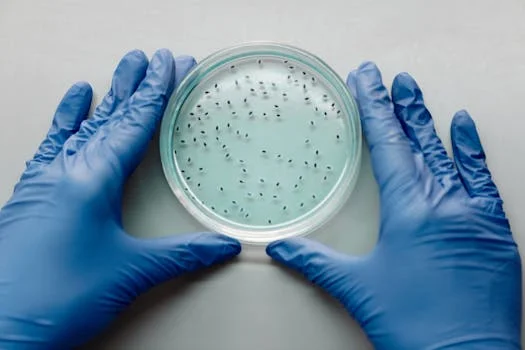
Selecting the appropriate technology requires balancing treatment efficacy, footprint, and operational complexity. In the Ghanaian context, where space in urban hospitals is limited and power reliability can vary, the following technologies are most prevalent.
Membrane Bioreactor (MBR): MBR systems represent the gold standard for high-density urban hospitals like those found in Accra. By combining biological degradation with membrane filtration (pore sizes typically <0.1 µm), MBR systems for hospital wastewater treatment in Ghana achieve 99% pathogen removal and consistently produce effluent with BOD levels below 10 mg/L. The footprint is approximately 60% smaller than conventional activated sludge systems, making it ideal for retrofitting existing facilities. For hospitals generating significant sludge volumes, integrating sludge management solutions for hospital wastewater systems is essential to maintain membrane flux.
Dissolved Air Flotation (DAF): While primarily used for industrial applications, DAF is effective in hospitals for the removal of total suspended solids (TSS) and Fats, Oils, and Grease (FOG) from kitchen and laundry effluents. It achieves 92-97% TSS removal but requires consistent chemical dosing of coagulants and flocculants. DAF is often used as a pretreatment stage before biological processes in large-scale facilities.
Chlorine Dioxide Disinfection: Unlike traditional chlorine, chlorine dioxide (ClO₂) does not form trihalomethanes (THMs) or other carcinogenic byproducts when reacting with organic matter. It provides a 99.99% kill rate for bacteria and viruses, including the MDR strains identified in Kumasi’s hospital wastewater treatment standards. Utilizing chlorine dioxide disinfection for hospital effluent involves on-site generation to ensure maximum potency and safety. For smaller clinics, compact medical wastewater treatment systems for clinics often integrate ClO₂ as the primary sterilization agent.
| Technology | Pathogen Removal | Energy Use (kWh/m³) | Footprint | Ideal Application |
|---|---|---|---|---|
| MBR | 99.9% | 0.8 – 1.2 | Small | Urban Teaching Hospitals |
| DAF | Moderate (TSS focus) | 0.4 – 0.6 | Medium | Pretreatment (Laundry/Kitchen) |
| Chlorine Dioxide | 99.99% | 0.1 – 0.2 | Very Small | Tertiary Disinfection |
| Trickle Filter | 85-90% | 0.1 – 0.3 | Large | Rural District Hospitals |
Step-by-Step Implementation: Designing a Hospital Wastewater System in Ghana
Designing a compliant wastewater system requires a systematic engineering approach to account for the highly variable flow rates and contaminant concentrations found in healthcare settings.
- Step 1: Wastewater Characterization: Conduct a 7-day composite sampling of the raw effluent. Test for BOD, COD, TSS, and specific pathogens. Use the Korle Bu data (55.4% MDR bacteria) as a baseline for disinfection sizing.
- Step 2: Flow Rate Calculation: Determine peak and average daily flows. In Ghana, a standard hospital bed typically generates 200–400 liters of wastewater per day. For a 100-bed facility, design for a capacity of at least 40 m³/day to account for laundry and administrative areas.
- Step 3: Technology Selection: Match the contaminant profile to the technology. If MDR bacteria and ESBL producers are high, an MBR system coupled with chlorine dioxide is mandatory. If the facility is rural with ample land, a trickle filter may suffice for secondary treatment.
- Step 4: Site Assessment: Evaluate available space for underground vs. above-ground installation. Underground systems are preferred in high-traffic hospital grounds to minimize odor and aesthetic impact.
- Step 5: Compliance Planning: Ensure the design includes sampling ports accessible to Ghana EPA officers. Design the system to meet the <10 mg/L BOD threshold to allow for potential reuse in irrigation or cooling towers.
- Step 6: Vendor Selection: Evaluate international manufacturers like HydropureWater for specialized equipment such as MBR modules and ClO₂ generators, while coordinating with local contractors for civil works and piping.
- Step 7: Installation and Commissioning: Implementation typically takes 12–24 weeks. Commissioning must include a performance test where effluent is lab-certified against EPA standards before the system is officially handed over to facility management.
Cost Breakdown: Hospital Wastewater Treatment Systems in Ghana (2025)
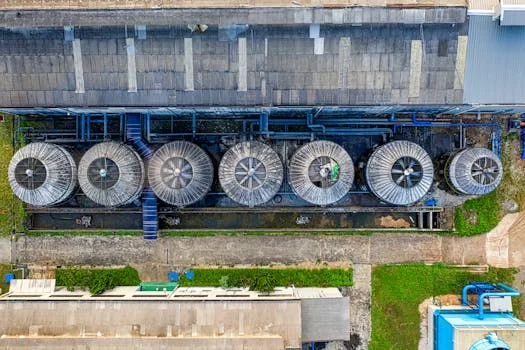
Procurement officers must consider the Total Cost of Ownership (TCO), including initial capital expenditure (CAPEX) and recurring operational expenditure (OPEX). While advanced systems like MBR have higher upfront costs, they significantly reduce the risk of EPA fines and public health liabilities.
Capital Costs: For a system treating 20–100 m³/day, CAPEX for an integrated MBR plant ranges from GHS 500,000 to GHS 1,200,000. DAF systems are slightly more affordable at GHS 300,000 to GHS 800,000, though they offer lower biological treatment efficiency. Chlorine dioxide generators, essential for tertiary treatment, typically cost between GHS 150,000 and GHS 400,000 depending on the dosage requirements (HydropureWater field data, 2025).
Operational Costs: Energy is the primary driver of OPEX. MBR systems consume 0.8–1.2 kWh per cubic meter of water treated. Chemical costs for disinfection and pH adjustment typically range from GHS 5 to GHS 15 per cubic meter. Labor requirements usually involve 1 to 2 full-time equivalent (FTE) technicians for maintenance and monitoring.
| System Type | CAPEX (GHS) | OPEX (GHS/m³) | Estimated ROI (Years) |
|---|---|---|---|
| Integrated MBR | 500,000 – 1,200,000 | 12 – 25 | 3 – 5 |
| DAF + Chlorination | 300,000 – 800,000 | 10 – 18 | 4 – 6 |
| Trickle Filter (Rural) | 250,000 – 450,000 | 5 – 10 | 2 – 4 |
ROI factors include the avoidance of EPA fines (up to GHS 50,000 per violation), the reduction in hospital-acquired infections (HAIs) linked to poor sanitation, and the ability to reuse treated water for non-potable hospital functions. Funding for these projects is often accessible through Ministry of Health allocations, World Bank healthcare infrastructure loans, or private-sector partnerships focused on environmental sustainability.
Frequently Asked Questions
What are the most advanced hospitals in Ghana for wastewater treatment?
Korle Bu Teaching Hospital in Accra and Komfo Anokye Teaching Hospital in Kumasi utilize centralized treatment systems to manage high volumes of medical effluent. Newer district hospitals, such as Kumawu, have implemented modern trickle filter plants to meet MoH standards.
How is hospital wastewater treated?
Treatment follows a three-stage process: Primary (screening of solids and grease removal), Secondary (biological treatment using MBR or activated sludge to remove BOD/COD), and Tertiary (advanced disinfection using chlorine dioxide or ozone to eliminate pathogens and MDR bacteria).
What are the Ghana EPA’s effluent standards for hospitals?
Hospitals must meet standards of <10 mg/L BOD, <30 mg/L COD, <100 CFU/100mL fecal coliforms, and ensure no detectable heavy metals like mercury or cadmium are present in the final discharge.
Can hospital wastewater be reused in Ghana?
Yes. After tertiary treatment and disinfection, hospital wastewater can be safely reused for landscape irrigation, dust suppression, or cooling towers, provided it complies with WHO reuse guidelines and local EPA water quality permits.
What are the penalties for non-compliance?
Under the Environmental Protection Agency Act 1994 (Act 490), non-compliant facilities face fines of up to GHS 50,000, potential facility closure, and the revocation of environmental operating permits.