In Ogun State, Nigeria, wastewater treatment plant costs for 2025 range from ₦120,000 for small fibreglass systems (1–5 m³/day) to ₦400M+ for industrial-scale plants (500+ m³/day). Key cost drivers include technology type (e.g., MBR systems cost 30–50% more than conventional A/O but reduce footprint by 60%), compliance with NESREA’s 2024 effluent standards (e.g., BOD < 30 mg/L for industrial discharge), and local labor/material expenses. For example, a 100 m³/day MBR plant in Sango Otta averages ₦120M CAPEX, with ₦15M/year OPEX, while a comparable conventional system costs ₦85M CAPEX but requires 20% more land. Use this guide’s ROI calculator to compare payback periods for your project.
Why Ogun State Factories Are Investing in Wastewater Treatment in 2025
NESREA audits in 2023 revealed that 47% of industrial facilities in Ogun State failed to meet basic effluent standards, leading to a surge in enforcement actions scheduled for the 2024–2025 fiscal cycle. As the industrial hub of Nigeria, Ogun State—particularly the Sango Otta, Agbara, and Sagamu corridors—is seeing increased scrutiny from the National Environmental Standards and Regulations Enforcement Agency (NESREA) and the Ogun State Environmental Protection Agency (OSEPA). Common violations cited in recent audits include Biological Oxygen Demand (BOD) levels exceeding 50 mg/L (against a limit of 30 mg/L) and Total Suspended Solids (TSS) surpassing 100 mg/L (against a limit of 50 mg/L). For factory owners, these violations are no longer just regulatory hurdles; they represent significant financial risks, with fines for untreated discharge now reaching up to ₦5M per occurrence.
The business case for investment is bolstered by a real-world shift in the pharmaceutical and food processing sectors. A pharmaceutical plant in Ota recently reduced its annual NESREA fines by 80% after installing a ₦95M MBR system. By implementing MBR systems for high-efficiency treatment in Ogun’s pharmaceutical and food processing sectors, the facility achieved a 3-year payback period, primarily through the reuse of treated effluent for cooling towers and landscaping. the Ogun State Internal Revenue Service 2024 guidelines provide a 10% capital allowance for wastewater treatment equipment, offering a direct path to tax relief for compliant investors.
Beyond immediate fines, the hidden costs of non-compliance are devastating to a company's bottom line. Legal fees, mandatory production halts during remediation, and reputational damage can far outweigh the cost of equipment. In 2023, a food processor in the neighboring Lagos-Ogun border region lost ₦22M in export contracts after a publicized NESREA violation. Proactive investment in robust treatment technology is now a prerequisite for securing international supply chain partnerships and maintaining local operational stability.
Wastewater Treatment Plant Costs in Ogun: CAPEX, OPEX, and Hidden Expenses
The initial Capital Expenditure (CAPEX) for wastewater treatment in Ogun is primarily dictated by plant capacity and the sophistication of the biological or mechanical process employed. For 2025, modular fibreglass systems for small-scale applications start as low as ₦120,000, but industrial-grade solutions require significantly higher investment to meet stringent discharge limits. The following table breaks down the estimated CAPEX across five capacity tiers and three primary technologies.
| Capacity (m³/day) | Conventional A/O (₦) | MBR System (₦) | DAF System (₦) |
|---|---|---|---|
| 1–5 | ₦5M – ₦8M | ₦12M – ₦18M | ₦7M – ₦12M |
| 10–50 | ₦15M – ₦35M | ₦25M – ₦55M | ₦20M – ₦45M |
| 100–200 | ₦60M – ₦90M | ₦90M – ₦140M | ₦75M – ₦110M |
| 300–500 | ₦150M – ₦220M | ₦210M – ₦310M | ₦180M – ₦260M |
| 500+ | ₦250M – ₦400M+ | ₦380M – ₦550M+ | ₦300M – ₦450M+ |
Operational Expenditure (OPEX) typically accounts for 15–25% of the total cost of ownership over a ten-year period. In Ogun, energy consumption is the dominant OPEX driver, representing 40–60% of daily running costs, followed by chemical dosing strategies to meet Ogun’s NESREA limits (20–30%), labor (10–15%), and routine maintenance (5–10%). For instance, a 100 m³/day MBR plant in Ogun costs approximately ₦15M per year to operate. While this is higher than the ₦12M required for a conventional A/O system, the MBR system saves approximately ₦3M annually in sludge disposal costs due to its lower sludge yield.
Hidden costs often derail budgets if not accounted for during the feasibility stage. Land acquisition in prime industrial zones like Sango Otta can cost between ₦5M and ₦20M per acre. Permitting fees for NESREA and OSEPA approvals generally range from ₦2M to ₦5M, while civil works—including excavation and reinforced concrete tanks—can add ₦10M to ₦50M to the project total. stainless steel components carry a 15–20% price premium in Ogun compared to Lagos due to specialized logistics and handling. To mitigate these costs, many firms are turning to the Bank of Industry (BOI) ₦500M Wastewater Treatment Fund, which offers a 5% interest rate and a 5-year tenor, or seeking AfDB grants for water reuse systems.
Ogun State Wastewater Compliance: NESREA Standards and How to Meet Them
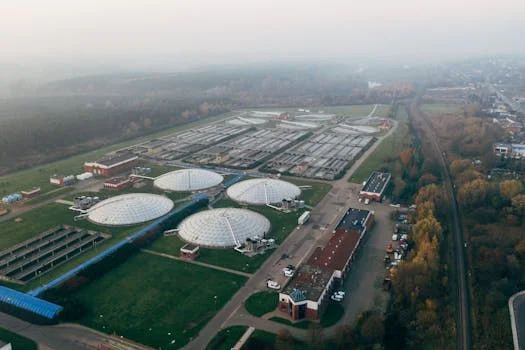
Compliance with the NESREA National Environmental Regulations 2024 requires Ogun-based industries to maintain Biological Oxygen Demand (BOD) levels below 30 mg/L and Chemical Oxygen Demand (COD) below 250 mg/L. These standards are strictly enforced for any facility discharging into public drains or water bodies. OSEPA adds a secondary layer of requirements, often mandating specific pre-treatment technologies like DAF systems for Ogun’s food processing and textile plants with high FOG or TSS loads. The following matrix aligns common pollutants with the technologies capable of reaching 2025 compliance levels.
| Parameter | NESREA Limit | Conventional A/O | MBR | DAF + RO |
|---|---|---|---|---|
| BOD (mg/L) | < 30 | 20–30 (Pass) | < 10 (Exceeds) | < 5 (Exceeds) |
| TSS (mg/L) | < 50 | 30–50 (Pass) | < 5 (Exceeds) | < 2 (Exceeds) |
| Oil & Grease | < 10 | Poor | Moderate | Excellent |
| Heavy Metals | < 1.0 | Limited | Moderate | Excellent |
The permitting timeline in Ogun is a critical factor for project scheduling. Obtaining NESREA approval typically takes 6–12 months, involving environmental impact assessments and technical reviews. OSEPA approval is generally faster, requiring 3–6 months, but demands quarterly testing reports and the installation of on-site monitoring systems for any plant exceeding 100 m³/day capacity. Failure to account for these timelines can lead to construction delays and fines even before the plant is operational.
Common compliance failures in the region often stem from inadequate sludge management. NESREA requires at least 90% dewatering of sludge before disposal at designated sites. Integrating sludge dewatering solutions for Ogun wastewater plants is essential to avoid the steep penalties associated with wet sludge transport. Additionally, facilities often fail due to a lack of redundancy; OSEPA inspectors frequently check for backup aerators and secondary pumps to ensure continuous treatment during equipment failure.
MBR vs. Conventional A/O vs. DAF: Which Technology Fits Your Ogun Project?
Selecting the right technology involves balancing initial costs against long-term performance and the specific characteristics of the wastewater. In Ogun, where land costs are rising and power supply is inconsistent, the footprint-to-efficiency ratio is a primary concern. The table below compares the three most prevalent technologies used in the state’s industrial sectors.
| Technology | CAPEX/m³ (₦) | OPEX/m³ (₦) | Footprint | Primary Use Case |
|---|---|---|---|---|
| MBR | ~₦1.2M | ~₦150 | 0.5 m²/m³ | Pharma, High-Strength Industrial |
| Conventional A/O | ~₦850K | ~₦120 | 1.2 m²/m³ | Municipal Sewage, Large Estates |
| DAF | ~₦950K | ~₦140 | 0.7 m²/m³ | Food Processing, Textiles (FOG) |
For municipal and large-scale residential projects, conventional A/O systems for Ogun’s municipal and industrial needs remain popular due to their lower CAPEX and simpler mechanical requirements. However, these systems require a significantly larger land area, which may be unavailable in dense industrial zones. Conversely, MBR technology is the gold standard for pharmaceutical plants in Ota that need to remove complex organic compounds and achieve high clarity for water reuse. While MBR uses more energy (0.8–1.2 kWh/m³ vs. 0.4–0.6 kWh/m³ for A/O), its ability to generate 30% less sludge reduces the logistical headache of waste disposal in Ogun, where vacuum truck services cost between ₦5K and ₦10K per ton.
Maintenance trade-offs also play a role in technology selection. MBR systems require specialized membrane cleaning chemicals, costing approximately ₦2M per year for a medium-sized plant. DAF systems require frequent skimmer adjustments and chemical coagulant management, while conventional A/O systems necessitate regular desludging of large clarifiers. Given Nigeria's unreliable power grid, any high-energy system like MBR must be paired with backup power, potentially adding ₦10M–₦20M to the project for industrial-grade generators.
ROI Calculator: How to Justify Your Ogun Wastewater Treatment Investment
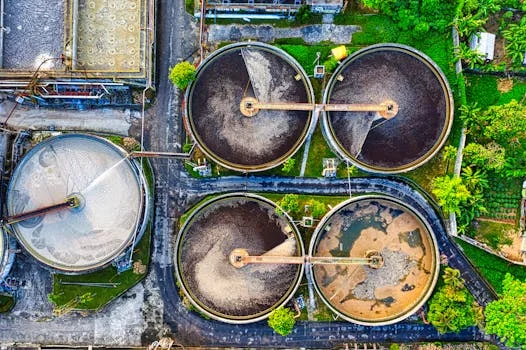
A well-engineered wastewater treatment system in Ogun can achieve a full return on investment (ROI) within 24 to 36 months by eliminating regulatory fines and enabling onsite water reuse. The fundamental ROI formula for an Ogun-based project is: (Annual Savings + Revenue from Water Reuse) / (CAPEX + Annual OPEX) = Payback Period (years). For a 100 m³/day MBR plant costing ₦120M, annual savings from NESREA fines (₦30M) and revenue from reused water (₦20M) minus OPEX (₦15M) results in a net annual benefit of ₦35M, leading to a 3.4-year payback period.
Water reuse is the most significant "hidden" revenue stream. According to 2024 Nigerian Water Resources Institute data, treated water in Ogun industrial zones is valued at ₦500 to ₦1,200 per m³. A plant processing 100 m³/day can realistically recover 80% of its effluent for non-potable use, generating up to ₦14M in annual value by reducing the need for borehole pumping and municipal water purchases. When combined with West African compliance benchmarks for industrial wastewater, Ogun facilities can often justify higher CAPEX by demonstrating long-term utility savings.
Tax incentives further accelerate the ROI. Investors can claim a 10% capital allowance (₦12M for a ₦120M plant) and a 5% investment tax credit (₦6M). Automated systems also reduce manual labor costs by approximately ₦5M per year compared to traditional manual dosing and monitoring. To calculate a custom estimate, factory owners should input their specific plant capacity, current fine exposure, and local utility costs (currently averaging ₦65/kWh in Ogun) into a financial model to secure board-level approval for the expenditure.
Top 5 Wastewater Treatment Suppliers in Ogun: 2025 Engineering Guide
Selecting a wastewater treatment supplier in Ogun requires a technical audit of their local engineering presence and their history of securing NESREA and OSEPA certifications. A vetted supplier must offer more than just equipment; they must provide turnkey capabilities including civil works, permitting assistance, and long-term maintenance contracts. The following table highlights the primary supplier types active in the Ogun region for 2025.
| Supplier Type | Technology Focus | Ogun Presence | Financing Options | Lead Time |
|---|---|---|---|---|
| International/Local Hybrid | MBR, DAF, RO | High (Ota/Lagos) | BOI/AfDB Partners | 12–16 Weeks |
| Nigerian Manufacturers | Conventional A/O | Moderate | Direct Payment | 8–12 Weeks |
| Specialized Contractors | Civil & Mechanical | High (Sagamu) | Milestone-based | 16–24 Weeks |
When evaluating a supplier, procurement managers should look for five specific criteria: a local Ogun-based service office, NESREA-certified designs, the ability to handle turnkey projects, established financing partnerships, and a robust post-installation support package. Red flags to avoid include vague cost estimates (e.g., "subject to site visits" without a baseline range), a lack of local references in the Sango or Agbara zones, and any supplier unable to provide a clear flowchart for the OSEPA permitting process.
To request an accurate quote, use a standardized Request for Proposal (RFP) template. This should include your required daily capacity, the specific pollutants present in your effluent (based on a lab analysis), your target compliance standards (e.g., NESREA 2024), and your preferred timeline. A professional proposal should clearly state: "We provide a 100 m³/day MBR system meeting NESREA 2024 standards, with a CAPEX not exceeding ₦120M and an annual OPEX below ₦15M." This level of specificity ensures that comparisons between vendors remain objective and data-driven.
Frequently Asked Questions

Q: How much does a small wastewater treatment plant cost in Ogun Nigeria?
A: Small plants (1–5 m³/day) cost ₦120K–₦500K for basic fibreglass systems, while 10–50 m³/day plants range from ₦5M–₦20M depending on technology. For example, a 20 m³/day conventional A/O plant in Sango Otta typically costs ₦12M in CAPEX with ₦2M/year in OPEX.
Q: What are the NESREA wastewater standards for Ogun State?
A: NESREA’s 2024 limits for Ogun include BOD < 30 mg/L, COD < 250 mg/L, TSS < 50 mg/L, pH 6–9, and oil & grease < 10 mg/L. Industrial facilities must also comply with OSEPA’s additional pre-treatment requirements for high-FOG or heavy metal effluents.
Q: Which is cheaper: MBR or conventional wastewater treatment?
A: Conventional A/O systems are 30–40% cheaper upfront (₦850K/m³ vs. ₦1.2M/m³ for MBR) but require more land and may struggle with strict BOD limits. MBR’s higher CAPEX is offset by its smaller footprint and 30% lower sludge production, making it more cost-effective for plants over 50 m³/day in high-density areas.
Q: How long does it take to build a wastewater treatment plant in Ogun?
A: Turnkey projects take 12–24 weeks for design and permitting, followed by 16–32 weeks for construction. Delays are most common during the NESREA permitting phase (6–12 months) or during civil works in flood-prone areas where soil testing is mandatory.
Q: Can I finance a wastewater treatment plant in Ogun?
A: Yes. Options include the Bank of Industry (BOI) ₦500M Wastewater Treatment Fund at 5% interest, AfDB grants for water reuse, and supplier-led financing. Some international partners offer 30% down payment plans with the balance spread over 12 months for qualified industrial clients.