A flocculant dosing unit automates polymer make-up and injection into wastewater streams. Typical flocculant dosing unit specifications cover tank capacities of 1,800 L to 7,500 L, VSD-controlled powder feed at ±2% dosing accuracy, and PLC panels with flow metering. Properly matured polymer can support 95–99% suspended solids removal in clarification or thickening duty. Earlier materials cited chemical savings up to 30%; a municipal plant trial with three-stage polymer activation reported about 20% lower polymer use and roughly 14-month payback (Wastewater Digest, City of Mankato). Packaged unit costs commonly range from about $25,000 to $120,000 by capacity and automation level.
What Is a Flocculant Dosing System?
A flocculant dosing system prepares dry or liquid polymer into a dilute solution, ages it under controlled shear, then meters it into the wastewater stream. Industrial packages typically use 1,800–7,500 L multi-chamber tanks, VSD feed at ±2% accuracy, and PLC control paced to flow or solids load at 0.1–0.5% working strength.
Effective flocculation needs controlled multi-stage maturation so polymer chains extend without shearing. Industrial units convert dry powder or concentrated liquid into a homogeneous solution before injection into the primary wastewater stream.
The process starts at the jet mixer and dry-polymer feeder. A stainless steel hopper stores dry flocculant, moved by a VSD-controlled auger. The Variable Speed Drive supports ±2% dosing accuracy as influent turbidity changes. The jet mixer uses high-velocity water to wet each polymer particle and limit "fish eyes" that waste chemical and clog filters.
Once wetted, the solution moves through three chambers:
- Mixing Chamber: High-torque agitators provide initial dispersion.
- Maturation Chamber: Slower agitation lets polymer chains hydrate and uncoil for particle bridging.
- Storage/Dosing Chamber: A Mono dosing pump with stainless steel rotor and nitrile rubber stator draws matured flocculant for injection.
According to Missouri DNR draft design criteria (2024), dry chemical feeders need a dissolver with at least five minutes retention at maximum feed rate. Plants above 50,000 gpd (about 189 m³/d average design flow) should provide two polyelectrolyte solution vessels with transfer piping and standby capacity. A PLC can trim auger speed and water flow when thickener settlement slows. The usual path is Influent → Flocculant Injection → Mixing Chambers → Thickener/Clarifier → Discharge, reducing manual batching error (HydropureWater field data, 2025).
Flocculant Dosing Unit Specifications: Capacity, Materials, and Performance Data
Engineering a wastewater circuit requires aligning equipment capacity with peak influent flow. An undersized unit shortens maturation time. An oversized unit can let polymer degrade in the storage tank. The table below lists technical parameters for standard industrial models.
| Model Specification | FDU-1800 | FDU-3000 | FDU-5000 | FDU-7500 |
|---|---|---|---|---|
| Tank Capacity (Liters) | 1,800 L | 3,000 L | 5,000 L | 7,500 L |
| Max Influent Flow Rate | 50–120 m³/h | 120–250 m³/h | 250–400 m³/h | 400–600+ m³/h |
| Powder Feed Rate (kg/h) | 0.5 – 4.0 | 1.0 – 8.0 | 2.0 – 15.0 | 5.0 – 25.0 |
| Dosing Accuracy | ±2% (VSD) | ±2% (VSD) | ±2% (VSD) | ±2% (VSD) |
| Power Requirement | 3.5 kW / 380V | 5.5 kW / 380V | 7.5 kW / 380V | 11.0 kW / 380V |
| Standard Material | SS304 / SS316 | SS304 / SS316 | SS316 | SS316 |
Construction materials follow wastewater corrosivity and polymer chemistry. SS304 is common for general service. SS316 is preferred for brine-heavy or acidic streams to limit pitting. Mixing chambers often use a 1:1:2 volume ratio so the longest residence time sits in maturation. Mining and aggregate duty may add ceramic-coated rotors when make-up water carries abrasive solids.
Automation and Control: PLC, HMI, and Real-Time Monitoring Features
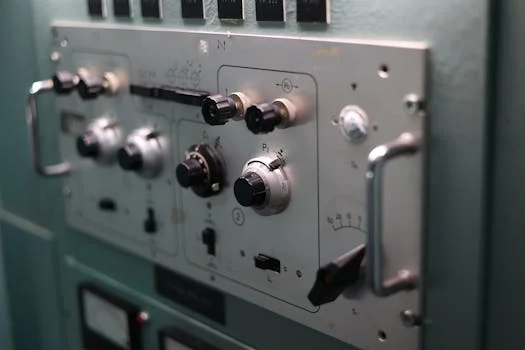
Modern Automatic Chemical Dosing System packages move beyond simple on/off timers. A PLC coordinates powder feed, dilution water, mixers, and dosing pumps as one control loop for the water circuit.
The HMI touch screen shows live metrics operators use each shift:
- Totalizer Logging: Tracks daily and monthly flocculant usage for procurement and cost audits.
- Diagnostic Mode: Lets maintenance test augers, mixers, and pumps without a full make-up cycle.
- Remote Telemetry: Allows secure VPN access to check dosing rates or update software off-site.
Electronic flow meters on the polymer line and water inlet hold dilution ratio when site pressure swings. Ultrasonic hopper sensors trigger low-level alarms so the system does not run dry and cavitate the pump. These units can join a plant SCADA network for centralized control when optimizing sludge dewatering after flocculation.
Containerized vs. Skid-Mounted Flocculant Dosing Units: Which Is Right for Your Site?
Physical layout drives installation time and total cost of ownership. Engineers choose between portable containerized systems and compact skid-mounted frames based on climate, space, and security needs.
| Feature | Skid-Mounted Unit | Containerized Unit (20/40ft) |
|---|---|---|
| Installation Time | 3–7 Days (On-site plumbing/wiring) | <24 Hours (Plug-and-play) |
| Climate Protection | Requires indoor housing | Fully insulated/heated for outdoors |
| Footprint | Compact; fits in existing rooms | Requires 15–30 m² of level ground |
| Security | Open access | Lockable steel doors |
| Initial Cost | Lower ($25k – $60k) | Higher ($70k – $120k) |
Containerized units suit remote mining sites and freezing climates. They arrive pre-wired and pre-plumbed with lighting and climate control. Protecting HMI panels and sensors from UV and freeze cycles can extend instrument life by about 30% versus semi-exposed skids. Skid-mounted units fit municipal plants and factories that already have indoor, climate-controlled rooms.
What Lowers Chemical Dosing Pump Operating Costs?
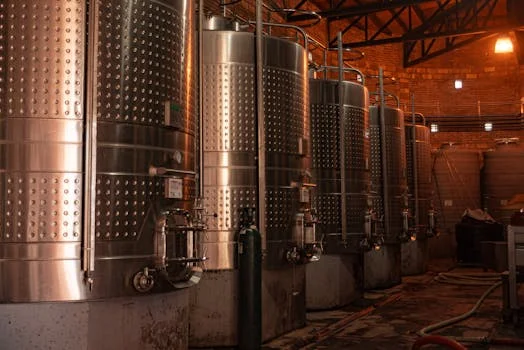
Chemical dosing pump operating costs fall when polymer make-up is accurate, aged, and paced to solids load. CAPEX must be weighed against OPEX from polymer waste, labor, and parts. According to Treatment Plant Operator (2025), correct polymer choice and make-down design cut polymer use; suppliers report polymer cost reductions up to 50% when poorly matched products are replaced. The City of Mankato trial reported about 20% polymer savings with three-stage activation (Wastewater Digest).
| Capacity (L) | Base Price (Manual Control) | Automated Price (PLC/HMI/VSD) | Estimated Annual Chemical Savings |
|---|---|---|---|
| 1,800 L | $18,000 – $22,000 | $28,000 – $35,000 | $8,000 – $12,000 |
| 3,000 L | $25,000 – $30,000 | $40,000 – $55,000 | $15,000 – $25,000 |
| 5,000 L | $45,000 – $55,000 | $65,000 – $85,000 | $30,000 – $50,000 |
| 7,500 L | $60,000 – $75,000 | $90,000 – $130,000 | $55,000 – $90,000 |
ROI calculation example: A mid-sized plant treating 500 m³/h upgrades from manual mixing to a PLC-controlled 5,000 L unit and cuts flocculant use by 25%. At $180,000 yearly chemical cost, savings are about $45,000 per year. At an average automated unit cost of $75,000, payback is about 1.6 years. Plan for Mono pump stator replacement about every 24 months (about $800) and yearly sensor calibration to hold dosing accuracy.
Flocculant Dosing Unit vs. Alternatives: When to Use Each System
Automated make-up suits high-volume TSS removal, yet smaller or specialty duties may use other methods. Engineers should compare flocculant dosing units with inline injection, manual mixing, and electrocoagulation before locking CAPEX.
| System Type | Dosing Accuracy | Flow Capacity | OpEx (Labor/Chem) | Best For... |
|---|---|---|---|---|
| Automated Unit | ±2% | 50–600 m³/h | Low | High-flow industrial/mining |
| Inline Injection | ±10% | <50 m³/h | Moderate | Small, steady-state flows |
| Manual Mixing | ±25% | Batch only | High | Emergency/temporary use |
| Electrocoagulation | N/A (No Chem) | 10–100 m³/h | High (Energy) | Heavy metals/Oil removal |
Inline injection is economical for small, steady flows but lacks maturation tanks, often raising chemical use by 15–20%. Electrocoagulation avoids polymer but raises energy cost and fits emulsified oils or heavy metals better than bulk TSS. For most TSS removal duties, an automated dosing unit remains the scalable option.
How Does Flocculant Preparation and Dosing Work?
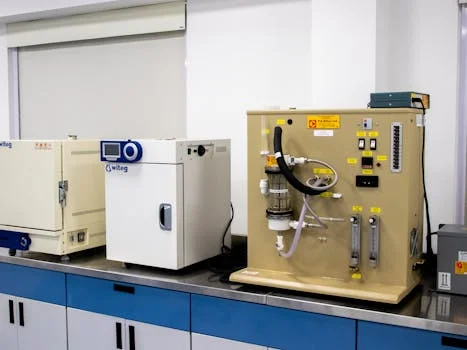
Flocculant preparation and dosing works by wetting polymer, aging it under low shear, then injecting a controlled dilute solution into the wastewater. Use the checklist below so the selected PLC-controlled chemical dosing systems for flocculants and coagulants matches site load and climate.
Step 1: Define influent characteristics. Record peak flow (m³/h) and TSS. High TSS (>1,000 mg/L) needs more maturation volume for surge periods. High solids streams often pair with DAF systems for high-efficiency solids removal.
Step 2: Determine flocculant type. Anionic, cationic, and non-ionic polymers need different wetting and pump setups. Powder needs a VSD auger. Liquid emulsion may need breaker valves to limit line plugging.
Step 3: Assess site constraints. Outdoor cold sites need containerized, heated packages so polymer solution does not freeze. Tight indoor rooms may need a vertical skid.
Step 4: Evaluate automation needs. Hourly influent swings (municipal or aggregate wash plants) need PLC/HMI flow-paced control. Steady processes may run on simpler timers.
Step 5: Calculate long-term ROI. Compare the roughly $20,000 gap between manual and automated builds against projected chemical savings. In many industrial plants, automation recovers that gap within 24 months through lower polymer waste and labor.
Who this is for: Plant engineers and EPC teams specifying polymer make-up for clarifiers, thickeners, DAF, or dewatering trains above about 50 m³/h. Who should look elsewhere: Labs or temporary batch jobs that only need occasional manual mixing. Next step: Match peak flow and polymer form to a model in the capacity table, then request a duty-specific P&ID and utility list.
Frequently Asked Questions
What is the typical lifespan of a flocculant dosing unit?
With a stainless steel tank and scheduled maintenance, the main chassis often lasts 15–20 years in continuous industrial service. Wear parts such as the pump stator and agitator seals usually need replacement every 2–3 years, depending on abrasive load and run hours. Specifying SS316 for brine or acidic service extends tank life where SS304 would pit. Keep spare stators and calibrate flow sensors yearly so dosing accuracy stays within the ±2% VSD band.
Can one unit handle both powder and liquid flocculants?
Most standard packages are optimized for either dry powder or liquid emulsion, not both at once. Hybrid skids add a dry hopper/auger plus a liquid polymer pump so procurement can switch polymer form without a second frame. Choose hybrid hardware when suppliers or polymer grades may change during the project life. Confirm wetting energy and maturation volume for each form during factory acceptance testing.
How much water is required for flocculant preparation?
Make-up water is typically supplied at 2–4 bar from a clean top-up line with an electronic flow meter. Water flow is often set at least ten times the neat polymer dosing rate so working strength stays near 0.1–0.5%. Unstable pressure swings dilute concentration and raise polymer use. Size the dissolver for at least five minutes retention at maximum feed rate where local design codes require it.
How accurate should polymer dosing be for industrial TSS removal?
Automated industrial units commonly target ±2% dosing accuracy with VSD powder feed and flow-paced dilution control. Inline injection without maturation often runs near ±10%, and manual batching can drift to about ±25%. Tighter accuracy cuts overdosing that restabilizes solids and wastes polymer. Validate accuracy against a calibrated flow meter and jar-tested dose at peak and average solids load.
When should I choose a containerized dosing unit instead of a skid?
Choose a containerized 20/40 ft package when the unit sits outdoors, in freezing climates, or on remote sites that need plug-and-play install under 24 hours. Skid-mounted frames cost less ($25k–$60k versus $70k–$120k) when indoor space and climate control already exist. Containers also add lockable security and UV/freeze protection for HMI and sensors. Confirm pad size of about 15–30 m² and utility stubs before shipment.