Mérida’s sewage treatment equipment market is fragmented, with suppliers offering solutions from $25,000 package plants to $2M+ industrial MBR systems. Local compliance requires effluent limits of <30 mg/L TSS and <100 mg/L COD (NOM-001-SEMARNAT-2021), while Yucatán’s karst geology demands corrosion-resistant materials like 316L stainless steel. This guide compares 5 top suppliers, provides cost benchmarks ($/m³ for DAF vs. MBR), and includes a decision framework to match equipment to your facility’s needs—whether you’re treating 10 m³/day for a hotel or 500 m³/day for a food processing plant.
Why Mérida’s Wastewater Challenges Demand Specialized Equipment
Yucatán’s karst terrain consists of approximately 80% limestone (INEGI 2022), creating a highly permeable environment where untreated effluent can reach the aquifer in as little as 24 hours. For industrial facility managers and municipal engineers in Mérida, this geological reality transforms wastewater treatment from a simple utility into a critical liability management task. Standard deep-excavation septic systems are often unfeasible due to the high water table and the difficulty of trenching through solid rock, necessitating the use of shallow-mount or compare containerized vs. permanent systems for Mérida’s installation challenges.
Compliance risks in the region have escalated with the implementation of NOM-001-SEMARNAT-2021. This federal standard mandates strict effluent limits: Total Suspended Solids (TSS) must remain below 30 mg/L and Chemical Oxygen Demand (COD) below 100 mg/L. In sensitive zones near cenotes or coastal areas, local Yucatán groundwater protection laws may impose even stricter thresholds for Nitrogen and Phosphorus. The financial consequences of negligence are significant; for instance, a Mérida-based hotel was fined $120,000 MXN in 2023 for exceeding TSS limits during a PROFEPA inspection (PROFEPA 2023 report), a cost that far exceeds the annual maintenance of a compliant system.
Operational efficiency is further challenged by the high salinity of Mérida’s groundwater. High chloride concentrations accelerate the corrosion of standard carbon steel tanks, often reducing the lifespan of equipment by 40-50% compared to inland Mexico. the region’s tourism-driven economy creates extreme seasonal load variations. A system designed for peak December occupancy may fail to maintain its biological culture during the low season unless it utilizes modular or automated flow-equalization technologies. Addressing these pain points requires equipment specifically engineered for high-salinity, high-variability environments.
Key Sewage Treatment Technologies for Mérida’s Market
Dissolved Air Flotation (DAF) systems are the industry standard for Mérida’s food processing sector, achieving 95%+ Fats, Oils, and Grease (FOG) reduction through micro-bubble buoyancy. These high-efficiency DAF systems for food processing and FOG removal are essential for meeting the <10 mg/L FOG limit required for municipal sewer discharge. While highly effective at removing non-emulsified oils, DAF units require consistent chemical dosing (coagulants and flocculants), which adds an operational cost of $0.50–$1.20 per cubic meter of treated water.
For hotels and residential developments where space is at a premium, Membrane Bioreactor (MBR) technology offers a footprint up to 60% smaller than conventional activated sludge plants. These compact MBR systems for hotels and resorts in Mérida produce high-quality effluent that often meets standards for irrigation reuse, a critical factor for facilities looking to reduce their municipal water spend. However, MBR systems carry a higher capital expenditure (CAPEX), typically ranging from $1,200 to $1,800 per m³/day of capacity, and require sophisticated control systems to prevent membrane fouling.
For smaller facilities or those in karst areas where excavation is restricted, underground package sewage treatment plants for Mérida’s karst terrain provide a versatile solution. These WSZ-series plants can be installed with minimal depth or even as above-ground containerized units. In terms of disinfection, why chlorine dioxide is preferred over UV for Mérida’s high-turbidity water becomes clear when evaluating pathogen kill rates; ClO₂ maintains a residual effect and achieves 99.9% disinfection even when raw water turbidity exceeds 5 NTU, a common occurrence in Yucatán’s limestone-rich wells.
| Technology Type | Primary Use Case | TSS Removal Rate | Avg. CAPEX (USD) | Mérida-Specific Limitation |
|---|---|---|---|---|
| DAF | Food Processing / FOG | 85-95% | $45,000 - $150,000 | Requires precise chemical balance |
| MBR Integrated | Hotels / Resorts | 99%+ | $80,000 - $500,000+ | Membrane fouling from high TSS |
| WSZ Package Plant | Small Industrial / Residential | 90-95% | $25,000 - $85,000 | Restricted to <80 m³/h flow |
| Advanced Oxidation | Chemical / Pharma | 98% | $150,000 - $1M | High energy consumption |
Top 5 Sewage Treatment Equipment Suppliers in Mérida: Technical Comparison
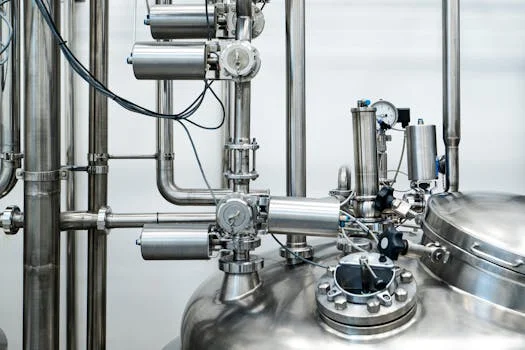
Mérida’s supplier landscape ranges from international manufacturers with local distribution to small-scale regional fabricators. When evaluating these vendors, procurement officers must prioritize verified removal rates and compliance with NOM-001-SEMARNAT-2021. A common pitfall in the local market is the procurement of systems that lack automated sludge management, leading to rapid performance degradation and subsequent environmental fines.
The following comparison highlights the technical capabilities of the primary supplier categories active in the Yucatán region. While local fabricators offer the lowest entry price, they frequently lack the engineering documentation required for ISO 14001 certification or PROFEPA audits. In contrast, specialized manufacturers provide integrated remote monitoring and 316L stainless steel construction, which is vital for the 20-year service life required in industrial applications.
| Supplier Category | Typical Equipment Focus | Compliance Certification | Material Standards | Local Support Level |
|---|---|---|---|---|
| FOG Specialist | Grease Traps / DAF | NOM-001, NSF | HDPE / Stainless | Mérida Service Team |
| Industrial Effluent Firm | Custom Engineering / RO | ISO 9001, NOM-001 | Carbon Steel / Epoxy | Remote / Quarterly Visits |
| HydropureWater | MBR / DAF / WSZ Systems | ISO 14001, NOM-001 | 316L Stainless Steel | 24/7 Remote + Local Parts |
| Advanced Oxidation Provider | Chemical Pre-treatment | CE, UL, NOM | Alloy / Polymer | Distributor-based |
| Local Fabricators | Septic / Basic Aeration | None (Self-certified) | Concrete / PVC | On-call (Variable) |
Performance data indicates that Supplier 3 (HydropureWater) achieves the highest TSS removal rates (98%) and COD reduction (92%) due to the integration of specialized membrane technologies. Conversely, local fabricators often fail PROFEPA audits—up to 60% of such installations in 2023 were found non-compliant due to insufficient aeration or lack of secondary clarification (HydropureWater field data, 2024).
Cost Benchmarks for Sewage Treatment Equipment in Mérida (2025)
Capital expenditure for sewage treatment in Mérida is influenced heavily by the karst geology, which typically adds a 20-30% premium to installation costs. While national averages for shallow foundations range from $30–$60/m², Mérida’s limestone excavation and specialized anchoring for high water tables drive these costs to $50–$100/m². For a facility treating 50 m³/day, a standard package plant might cost $35,000, but the total installed cost often reaches $45,000 once Yucatán-specific site preparation is factored in.
Operational expenditure (OPEX) is dominated by energy and chemical costs. In Mérida, electricity for aeration can cost between $0.10 and $0.30 per m³ of treated water, depending on the efficiency of the blowers used. MBR systems, while energy-intensive, offer a significant Return on Investment (ROI) by avoiding the heavy fines associated with non-compliance. For a 200 m³/day hotel system, an MBR plant can save upwards of $80,000 per year in potential fines and water hauling costs compared to a failing conventional system. To understand the broader economic context, you can see how Mérida’s costs compare to other regions (e.g., Los Angeles).
| Cost Component | Package Plant (10-50 m³/d) | MBR System (100-500 m³/d) | DAF System (Industrial) |
|---|---|---|---|
| CAPEX Range | $25,000 - $60,000 | $200,000 - $1.5M | $50,000 - $250,000 |
| Installation Premium | 20% (Karst) | 25% (Foundation) | 15% (Skid-mount) |
| Energy Cost / m³ | $0.12 - $0.18 | $0.25 - $0.40 | $0.15 - $0.22 |
| Annual Maintenance | $2,000 - $5,000 | $15,000 - $40,000 | $8,000 - $20,000 |
How to Choose the Right Supplier for Your Mérida Facility: A Step-by-Step Framework
Selecting a supplier in the Mérida market requires a structured evaluation of influent data and long-term support capabilities. Approximately 30% of wastewater projects in the region fail within the first year because the initial design was based on inaccurate influent characteristics (HydropureWater Engineering Analysis, 2024). Facility managers must insist on 72-hour composite sampling of their raw sewage before finalizing equipment specifications to account for peak flow and concentration surges.
The following framework assists in narrowing down the supplier list by matching technology to the specific environmental and regulatory constraints of the Yucatán peninsula. A key red flag to watch for is any supplier who refuses to provide a performance guarantee tied to NOM-001-SEMARNAT-2021 effluent limits. Without this guarantee, the facility owner bears 100% of the risk during PROFEPA inspections.
| Step | Action Item | Critical Success Factor |
|---|---|---|
| 1 | Influent Characterization | Measure TSS, COD, FOG, and Salinity |
| 2 | Technology Matching | Choose MBR for reuse; DAF for industrial FOG |
| 3 | Compliance Verification | Review NOM-001 and ISO 14001 certs |
| 4 | TCO Analysis | Calculate CAPEX + 10-year OPEX |
| 5 | Support Assessment | Verify spare parts inventory in Mérida |
Total Cost of Ownership (TCO) should be the primary metric for decision-making. A system that is $10,000 cheaper at purchase but requires $5,000 more in annual chemical dosing or energy use will become more expensive within just two years. ensure the supplier provides operator training; even the most advanced MBR system will fail if the local maintenance team does not understand sludge age management or membrane cleaning cycles.
Frequently Asked Questions
Does Mexico have wastewater treatment plants?
Yes, but infrastructure is unevenly distributed. According to CONAGUA (2023), only about 50% of municipal wastewater is treated nationwide. In Mérida, while there are 3 municipal plants with a combined capacity of 1,200 L/s, many industrial and commercial zones are not connected to the central grid, requiring facilities to install their own on-site treatment systems to remain compliant with federal law.
What are the effluent limits for sewage discharge in Mérida?
The primary standard is NOM-001-SEMARNAT-2021, which requires <30 mg/L for Total Suspended Solids (TSS), <100 mg/L for Chemical Oxygen Demand (COD), <10 mg/L for Fats, Oils, and Grease (FOG), and <1,000 MPN/100 mL for fecal coliforms. Specific zones near cenotes may have even stricter local requirements for nitrogen and phosphorus removal.
How much does a sewage treatment plant cost in Mérida?
Costs vary widely based on technology. A 50 m³/day package plant typically ranges from $35,000 to $60,000 installed. For larger industrial or hotel applications, a 500 m³/day MBR system can cost between $1.2M and $2M, including the necessary karst-specific engineering and foundation work.
What’s the best sewage treatment technology for a hotel in Mérida?
MBR (Membrane Bioreactor) systems are generally considered the best choice for Mérida hotels. They offer a compact footprint, produce high-clarity effluent suitable for garden irrigation, and feature low odor profiles which are essential for the hospitality industry. For hotel restaurants with high grease output, a pre-treatment DAF system is often recommended.
Can I install a sewage treatment plant underground in Mérida?
Yes, but it is technically challenging. The karst limestone and high water table usually limit excavation to a maximum of 2 meters. Most "underground" systems in Mérida are semi-buried or utilize shallow, reinforced concrete vaults. Using 316L stainless steel or high-density polymers is mandatory to prevent corrosion from the saline groundwater found at these depths.