South Korea’s 2025 food processing wastewater discharge standards require COD < 50 mg/L and TSS < 20 mg/L (Korean EPA Notice 2023-34). Anaerobic digestion systems like Anyang’s 700,000-person thermal hydrolysis plant achieve 85-92% COD removal but require 12-18 month payback periods, while DAF systems offer 95%+ TSS removal with 3-6 month ROI for high-FOG streams. This guide provides engineering specs, cost benchmarks, and a supplier decision framework for Korean processors.
Why South Korea’s Food Processors Face 2025 Wastewater Compliance Deadlines
South Korea’s food processing sector must achieve new, stringent wastewater discharge limits by January 2025, as mandated by Korean EPA Notice 2023-34, which tightens chemical oxygen demand (COD) to less than 50 mg/L and total suspended solids (TSS) to less than 20 mg/L for effluent. Non-compliance with these revised Korean EPA discharge limits 2025 carries significant penalties under the Korean Water Management Act, Article 45, including fines up to ₩100 million (approximately $75,000 USD) and potential production halts for repeat violations. This regulatory pressure intensified following the 2019 African swine fever outbreak, which highlighted the urgent need for robust organic waste treatment infrastructure to prevent disease spread and environmental contamination.
Typical food processing wastewater in South Korea exhibits high organic loads, with COD ranging from 1,000–10,000 mg/L, TSS from 300–1,500 mg/L, and fats, oils, and grease (FOG) from 200–800 mg/L. Traditional municipal sewage treatment plants (STPs) are often inadequate for these industrial streams because they lack the specialized capabilities to handle high concentrations of FOG, extreme pH fluctuations, and elevated temperatures commonly found in food processing effluent. These characteristics can disrupt biological processes in conventional STPs, leading to operational inefficiencies and persistent non-compliance. Therefore, dedicated onsite food processing wastewater treatment in south korea systems are essential for processors to meet upcoming standards and mitigate compliance risks.
Treatment Technology Comparison: Anaerobic Digestion vs DAF vs MBR for Korean Food Processors
Selecting the optimal wastewater treatment technology for Korean food waste treatment standards requires a detailed comparison of removal efficiency, footprint, energy consumption, and sludge yield. Anaerobic digestion, Dissolved Air Flotation (DAF), and Membrane Bioreactors (MBR) each offer distinct advantages depending on the specific wastewater profile and operational goals.
| Parameter | Anaerobic Digestion | DAF System | MBR System |
|---|---|---|---|
| COD Removal Rate | 85-92% | 60-80% | 95%+ |
| TSS Removal Rate | 50-70% | 95%+ | 95%+ |
| FOG Removal Rate | 70-90% | 95%+ | 90-95% |
| Footprint (m²/m³ influent) | Large (0.5-1.0) | Medium (0.2-0.4) | Small (0.1-0.2) |
| Energy Use (kWh/m³) | Low (0.3-0.5) (Net energy positive with biogas recovery) |
Medium (0.2-0.4) | High (0.8-1.2) |
| Sludge Yield (kg/m³ influent) | Low (0.1-0.3) | High (0.5-1.0) | Medium (0.2-0.4) |
| CAPEX (₩/m³ daily capacity) | ₩1.5–3.0M | ₩0.8–1.5M | ₩2.0–4.0M |
Anaerobic Digestion
Anaerobic digestion systems are highly effective for high-strength organic wastewater, achieving 85-92% COD removal and 50-70% TSS removal. This process generates anaerobic digestion biogas Korea, which can offset energy costs, making it a sustainable choice. However, anaerobic digestion requires consistent feed temperatures of 35-37°C and has a larger footprint due to longer hydraulic retention times. The Korean government's priority on expanding anaerobic digestion facilities for organic waste underscores its strategic importance for food processors.
Dissolved Air Flotation (DAF)
DAF systems for high-FOG food processing wastewater excel in removing suspended solids and FOG, achieving 95%+ TSS removal and 60-80% COD removal, especially for streams from dairy or meat processing. DAF units are relatively compact and offer quick startup. A key limitation, however, is their reduced effectiveness on soluble COD, meaning they often serve as an effective pretreatment step rather than a standalone solution for meeting stringent discharge limits.
Membrane Bioreactor (MBR)
MBR systems for reuse-quality effluent in compact footprints deliver superior effluent quality, consistently achieving 95%+ COD and TSS removal, making them ideal for meeting the most stringent discharge standards or for water reuse applications. MBRs require a smaller footprint compared to conventional biological systems. The primary drawbacks are higher CAPEX and OPEX due to energy-intensive aeration and the need for frequent membrane cleaning to prevent fouling, which impacts operational costs and membrane lifespan.
Engineering Specs for Korean Food Processing Wastewater Systems
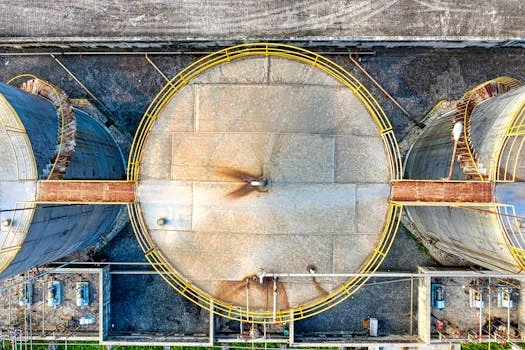
Accurate engineering specifications are critical for designing and sizing wastewater treatment systems that effectively manage the diverse and challenging characteristics of food processing effluent in South Korea. Influent characteristics typically include COD ranging from 1,000–10,000 mg/L, TSS from 300–1,500 mg/L, and FOG from 200–800 mg/L. pH levels can fluctuate widely, from 4–10, and temperatures from 20–60°C. Notably, specialized processes like kimchi and fermented food production generate particularly low-pH, high-salt streams, which require robust materials and specific biological adaptations within the treatment system.
| System Component/Parameter | Anaerobic Digestion (UASB/EGSB) | Dissolved Air Flotation (DAF) | Membrane Bioreactor (MBR) |
|---|---|---|---|
| Hydraulic Retention Time (HRT) | 15–30 days (standard); 10 days with thermal hydrolysis |
10–30 minutes | 6–18 hours |
| Organic Loading Rate (OLR) | 2–5 kg COD/m³/day | N/A (physical-chemical) | 0.3–1.0 kg COD/m³/day |
| Biogas Yield (Anaerobic Digestion) | 0.3–0.5 m³/kg COD removed | N/A | N/A |
| Air-to-Solids Ratio (DAF) | N/A | 0.02–0.06 kg air/kg TSS | N/A |
| Recycle Ratio (DAF) | N/A | 20–30% of influent flow | N/A |
| Loading Rate (DAF) | N/A | 5–10 m³/m²/h | N/A |
| Mixed Liquor Suspended Solids (MLSS) | N/A | N/A | 8,000–12,000 mg/L |
| Membrane Flux | N/A | N/A | 15–25 LMH (Liters/m²/hour) |
| Membrane Cleaning Interval | N/A | N/A | 3–6 months (chemical cleaning) |
Effective pretreatment is fundamental for protecting downstream processes and ensuring consistent food wastewater COD removal. This typically includes pretreatment screening for food solids and debris using rotary screens (such as HydropureWater’s GX Series) to remove particles larger than 5 mm. Equalization tanks are essential for balancing 24-hour flow and load variations, preventing shock loads to biological systems. For facilities located near residential areas, odor control measures are also a key consideration in system design. For anaerobic digestion, an organic loading rate (OLR) of 2–5 kg COD/m³/day is typical, with biogas yields of 0.3–0.5 m³/kg COD removed. Advanced systems, like the thermal hydrolysis plant in Anyang, can reduce hydraulic retention time (HRT) to just 10 days, enhancing efficiency. DAF systems operate with an air-to-solids ratio of 0.02–0.06 and a recycle ratio of 20–30%. For MBR membrane bioreactor module (DF Series), maintaining MLSS between 8,000–12,000 mg/L and a flux of 15–25 LMH is standard, with membrane cleaning intervals typically every 3–6 months.
Cost Breakdown and ROI Calculator for Korean Food Processors
Evaluating the financial viability of wastewater treatment investments requires a thorough understanding of both CAPEX (Capital Expenditure) and OPEX (Operational Expenditure), alongside projected payback periods. For the 2025 Korean market, CAPEX ranges for a new wastewater treatment plant cost Korea vary significantly by technology: anaerobic digestion systems typically cost ₩1.5–3.0 million/m³ of daily capacity, DAF systems are more economical at ₩0.8–1.5 million/m³/day, while MBR systems represent a higher initial investment at ₩2.0–4.0 million/m³/day.
| Cost Category | Anaerobic Digestion | DAF System | MBR System |
|---|---|---|---|
| CAPEX Range (₩/m³ daily capacity) | ₩1.5–3.0M | ₩0.8–1.5M | ₩2.0–4.0M |
| Energy OPEX (₩/m³) | ₩50–100 (net positive with biogas) | ₩50–150 | ₩150–200 |
| Chemicals OPEX (₩/m³) | ₩30–80 | ₩80–150 | ₩30–50 |
| Labor OPEX (₩/m³) | ₩30–50 | ₩20–40 | ₩40–50 |
| Sludge Disposal OPEX (₩/m³) | ₩50–100 (reduced volume) | ₩150–250 (higher volume) | ₩80–120 |
| Membrane Replacement (₩/m³) | N/A | N/A | ₩100–300 |
| Typical Payback Period | 12–18 months (biogas revenue) | 3–6 months (sludge disposal savings) | 24–36 months (water reuse savings) |
OPEX is a critical long-term factor. Energy costs typically range from ₩50–200/m³ of treated wastewater, chemicals from ₩30–150/m³, and labor from ₩20–50/m³. MBR systems incur additional costs for membrane replacement, estimated at ₩100–300/m³ over their lifespan. Return on Investment (ROI) calculations reveal distinct advantages: anaerobic digestion often achieves payback periods of 12–18 months due to biogas revenue, while DAF systems can recoup investments in 3–6 months through significant food processing sludge disposal Korea savings. MBR systems, despite higher CAPEX, can demonstrate payback within 24–36 months, primarily driven by water reuse savings and reduced discharge fees. A notable case study is Anyang’s ₩120 billion underground wastewater treatment plant, which saves approximately ₩8 billion annually in sludge disposal costs through co-digestion. Korean government subsidies, which can cover up to 50% of CAPEX under the Ministry of Environment’s 2024 guidelines, can substantially reduce payback periods and enhance the attractiveness of these investments.
Supplier Selection Checklist for Korean Food Processing Wastewater Systems
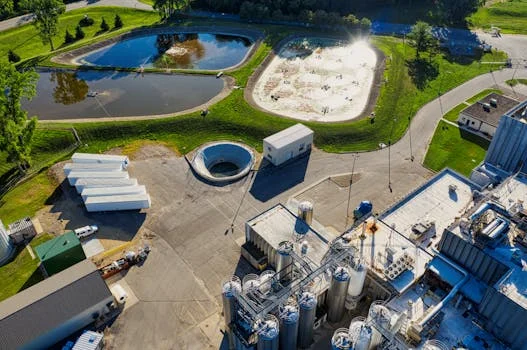
Choosing the right supplier for a food processing wastewater treatment in south korea system is paramount for ensuring long-term compliance and operational efficiency. Begin with compliance verification: ensure the vendor’s proposed solution meets Korean EPA Notice 2023-34 standards, holds ISO 14001 certification, and offers comprehensive support for local permitting processes. Technical criteria should include guaranteed removal efficiencies (aim for 90%+ COD/TSS for final effluent), availability of 24/7 remote monitoring capabilities, and modular expansion capability to accommodate future growth or regulatory changes. For high-strength streams, such as kimchi wastewater with COD exceeding 20,000 mg/L, request pilot testing to validate performance under specific site conditions.
Commercially, look for suppliers offering turnkey installation services, a minimum 2-year warranty on equipment, and a proven 10-year membrane lifespan for MBR components. During site visits, evaluate the proposed system’s odor control measures, especially crucial for facilities near residential areas, and assess noise levels (ideally below 60 dB). Consider footprint constraints, differentiating between underground and above-ground installation options. A reputable supplier should demonstrate a strong track record in the Korean market and provide references from similar food processing operations.
Frequently Asked Questions
Q: How does South Korea manage food waste?
A: South Korea employs a highly effective system involving mandatory source separation (since 2013), volume-based disposal fees (₩300–500/kg), and achieves a remarkable 95% recycling rate primarily through anaerobic digestion and composting.
Q: What is the 52-hour rule in South Korea?
A: The 52-hour rule, stemming from the Korean Waste Management Act, Article 22, stipulates that food waste must be treated within 52 hours of collection to prevent odor generation and leachate formation.
Q: Do eggshells go in food waste in Korea?
A: No, eggshells are classified as general waste in Korea. Their high calcium content can interfere with the anaerobic digestion process used for food waste recycling.
Q: Why is Seoul paying residents to throw away less food?
A: The Seoul Metropolitan Government launched a 2024 pilot program offering rebates of ₩100–300/kg to households that reduce their food waste by 10% or more, aiming to further decrease waste generation.
Q: What are the 2025 discharge limits for food processing wastewater in Korea?
A: As per Korean EPA Notice 2023-34, the 2025 discharge limits for food processing wastewater are COD < 50 mg/L, TSS < 20 mg/L, FOG < 30 mg/L, and pH 5.8–8.5.