Cardiff Wastewater Treatment Costs: Why Local Data Matters
Wastewater treatment plant costs in Cardiff vary widely by scale and application. A small residential system (e.g., 5 m³/day) starts at £50,000–£80,000 installed, while industrial plants (50–500 m³/day) range from £500,000 to £5M+, excluding land and permitting. Annual operational costs average £15–£30/m³ for residential and £5–£15/m³ for industrial systems, driven by energy (27.69p/kWh in 2025) and sludge disposal. Welsh Water’s £40M Cardiff WWTP upgrade highlights the city’s push for compliance with EU Urban Waste Water Directive 91/271/EEC, adding urgency to cost planning.
For a facility manager at a food processing plant in the Wentloog Corporate Park, the difference between a UK-wide cost estimate and a Cardiff-specific budget can be the difference between project approval and a £250,000 deficit. Cardiff’s wastewater infrastructure is managed by Dŵr Cymru Welsh Water, which enforces localized discharge standards and connection fees that deviate significantly from English water authorities. Typical connection fees for residential developments range from £500 to £2,000, but for industrial sites, these can escalate from £5,000 to over £50,000 depending on the required hydraulic capacity and chemical load.
Energy pricing in Wales presents another unique variable. Projections for 2025 indicate Welsh industrial energy rates will hover around 27.69p/kWh, approximately 5–10% higher than the UK average of 26.5p/kWh. This disparity necessitates a focus on energy-efficient aeration and sludge management. However, Cardiff-based projects can leverage Welsh Government grants, such as the Rural Communities Development Fund or Resource Efficiency Wales, which can offset 30–50% of capital expenditure for systems that demonstrate significant water reuse or carbon reduction. For instance, a Cardiff brewery recently saved £120,000 over five years by transitioning from traditional aerobic treatment to an anaerobic pretreatment system, significantly reducing both energy demand and sludge volume (HydropureWater field data, 2025).
Capital Costs: From Small-Scale Residential to Industrial WWTPs in Cardiff
Capital expenditure (CapEx) for wastewater treatment in Cardiff is heavily influenced by the complexity of the influent and the required effluent quality. Residential systems (1–10 m³/day) typically cost between £50,000 and £150,000 fully installed. This figure includes excavation, civil works, and the administrative costs of securing Welsh Water approvals. For developers, WSZ series underground package plants for Cardiff’s residential and commercial projects offer a streamlined installation process that minimizes surface footprint in high-value urban areas.
Commercial and mid-scale industrial systems (10–100 m³/day) move into the £200,000 to £1.2M bracket. At this scale, the choice of technology becomes a primary cost driver. Membrane Bioreactor (MBR) systems typically cost 20–30% more than conventional activated sludge (CAS) systems due to the membrane modules and advanced control logic. However, MBR systems for high-efficiency industrial wastewater treatment in Cardiff are often preferred for sites with limited land, as they provide a 40% reduction in footprint compared to CAS.
Large-scale industrial systems (100–1,000 m³/day) require budgets of £1M to £10M+. These projects often necessitate Dissolved Air Flotation (DAF) and sophisticated chemical dosing, which adds approximately £200–£500 per m³ of capacity. Land costs in Cardiff’s industrial zones, such as Tremorfa, range from £50 to £200/m², but costs can spike if the site requires flood mitigation measures common in the Severn Estuary region. Permitting and Environmental Impact Assessments (EIAs) add a further £10,000 to £100,000 to the pre-construction budget.
| System Scale | Capacity (m³/day) | Estimated CapEx (Installed) | Key Cost Drivers |
|---|---|---|---|
| Small Residential | 1–10 | £50k – £150k | Civils, Welsh Water Section 104 approval |
| Commercial/Light Industrial | 10–100 | £200k – £1.2M | MBR membranes, PLC automation |
| Heavy Industrial | 100–1,000 | £1M – £10M+ | DAF units, Sludge dewatering, EIAs |
Operational Costs: Energy, Maintenance, and Sludge Disposal in Cardiff
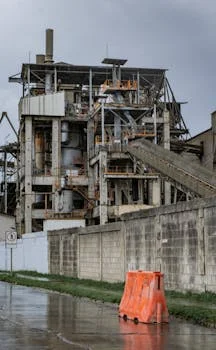
Operating expenditure (OpEx) is where the long-term viability of a Cardiff WWTP is determined. Energy is the largest variable, with aeration systems consuming between 0.3 and 0.6 kWh/m³. MBR systems, while more efficient in terms of space and effluent quality, consume slightly more energy (0.5–0.8 kWh/m³) to maintain membrane cross-flow. At the 2025 Cardiff rate of 27.69p/kWh, energy alone can account for 30–40% of the annual OpEx.
Maintenance costs for residential systems are relatively low, ranging from £5,000 to £20,000 per year, covering blower servicing and occasional tank pumping. Industrial plants face higher maintenance burdens of £50,000 to £200,000 per year, which includes labor, spare parts, and the periodic replacement of MBR membranes (typically every 5–8 years). Using PLC-controlled chemical dosing to optimize operational costs in Cardiff can reduce chemical waste by up to 15%, mitigating the rising costs of coagulants (£0.10–£0.30/m³) and flocculants (£0.05–£0.20/m³).
Sludge management is particularly sensitive in South Wales. Under Dŵr Cymru’s 2025 sludge management policy, landfill disposal costs have risen to £80–£150/tonne. However, many industrial operators are pivoting to agricultural reuse, which costs £30–£80/tonne, provided the sludge meets strict heavy metal and pathogen limits. To minimize these volumes, many Cardiff facilities integrate a plate and frame filter press to achieve higher cake dryness, directly reducing transport and disposal fees.
| OpEx Category | Residential (per m³) | Industrial (per m³) | Cardiff Specific Factor |
|---|---|---|---|
| Energy (27.69p/kWh) | £0.08 – £0.17 | £0.14 – £0.22 | 5-10% higher than UK avg |
| Sludge Disposal | £0.05 – £0.10 | £0.15 – £0.40 | Welsh Water 2025 policy limits |
| Chemicals | £0.02 – £0.05 | £0.17 – £0.60 | DAF & heavy metal removal needs |
| Maintenance/Labor | £0.10 – £0.25 | £0.30 – £0.80 | Specialized MBR servicing in Wales |
Industrial vs. Residential WWTPs: Cost Comparison for Cardiff Projects
The decision framework for selecting a WWTP in Cardiff depends on the required discharge limits and the available footprint. Industrial systems must adhere to much stricter Dŵr Cymru discharge permits. While a residential system might be permitted a Biological Oxygen Demand (BOD) of <40 mg/L, an industrial food processor in Cardiff is frequently capped at <20 mg/L, with Total Suspended Solids (TSS) <30 mg/L. These tighter limits necessitate advanced treatment stages, such as DAF systems for Cardiff’s food processing and industrial wastewater pretreatment, which significantly increase the initial CapEx but protect the company from non-compliance fines that start at £10,000.
Footprint is a critical constraint for Cardiff’s urban and brownfield developments. MBR technology allows for a 30–50% reduction in tank volume compared to CAS, which is vital for sites near the Cardiff Bay area where land is at a premium. From an ROI perspective, industrial systems often pay for themselves in 3–7 years through water reuse and energy recovery. Residential systems rarely offer a direct financial payback; their value is instead measured in enabling development on land without mains sewer access. To bridge the gap, the Welsh Government’s Resource Efficiency Wales program offers grants specifically for industrial water reuse projects, helping to align environmental compliance with financial viability.
| Feature | Residential WWTP | Industrial WWTP |
|---|---|---|
| Typical Tech | Activated Sludge / SBR | MBR / DAF / Anaerobic |
| BOD Limit | <40 mg/L | <20 mg/L (Typical) |
| ROI Potential | Low (Compliance driven) | High (Reuse & energy sales) |
| Grant Eligibility | Limited | High (Welsh Gov Resource grants) |
Cardiff WWTP Cost Calculator: Estimate Your Project’s ROI
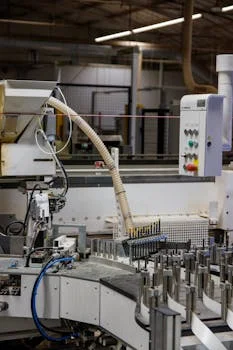
To accurately estimate the Return on Investment (ROI) for a Cardiff-based project, engineers must look beyond the initial purchase price. The following formula provides a baseline for calculating the payback period of an industrial system compared to paying Welsh Water trade effluent charges.
Step 1: Determine Annual Load. Calculate your m³/day and average contaminant concentration (BOD/COD). For a Cardiff brewery producing 100 m³/day, trade effluent charges can exceed £150,000 annually without onsite treatment.
Step 2: Calculate OpEx. Use the Cardiff energy rate of 27.69p/kWh. For an MBR system treating 100 m³/day, expect annual energy costs of approximately £8,000–£10,000. Add chemical and sludge costs (approx. £15,000) and maintenance (£12,000).
Step 3: Factor in Capital Offsets. Subtract potential Welsh Government grants (e.g., 30% of a £600,000 system = £180,000). Lessons from Washington’s WWTP cost structures for Cardiff projects suggest that utilizing local incentives is the single most effective way to shorten the payback period.
Step 4: Calculate Net Savings. (Annual Trade Effluent Charges) - (Annual OpEx) = Annual Savings. For the brewery example: £150,000 - £37,000 = £113,000 annual savings.
Step 5: ROI Period. (Net CapEx) / (Annual Savings). In this scenario: £420,000 / £113,000 = 3.7 years. This payback is competitive with industrial WWTP cost benchmarks from Durban’s high-compliance market and highlights why onsite treatment is becoming the standard for Cardiff’s industrial sector.