Sewage Treatment Equipment Supplier in Quebec City: 2025 Engineering Guide with Costs, Compliance & Decision Framework
Quebec City’s sewage treatment equipment market in 2025 demands systems that meet MDDELCC’s stringent effluent standards (e.g., TSS < 15 mg/L, COD < 80 mg/L for industrial discharges) while optimizing CAPEX and OPEX. Suppliers like H2Flow and SeptiTech offer DAF, MBR, and integrated systems, but costs vary widely: DAF systems range from $150,000–$500,000 CAD, while MBR systems start at $300,000 CAD but deliver near-reuse-quality effluent (<1 μm filtration). This guide compares technical specs, compliance requirements, and ROI data to help you select the right equipment for your project.Why Quebec City’s Sewage Treatment Equipment Market is Unique in 2025
Quebec’s unique regulatory environment and climatic conditions significantly impact the selection of a sewage treatment equipment supplier in Quebec City. MDDELCC’s (Ministère de l'Environnement et de la Lutte contre les changements climatiques) 2025 effluent standards for industrial and municipal wastewater are among the most stringent in Canada, requiring advanced treatment technologies. For instance, sensitive areas, particularly those discharging into the St. Lawrence River, face limits such as TSS < 15 mg/L, BOD5 < 25 mg/L, and phosphorus < 1 mg/L, necessitating solutions beyond conventional treatment. Quebec’s harsh climate, characterized by freeze-thaw cycles and high humidity, demands specific equipment considerations like freeze protection for outdoor systems and corrosion-resistant materials (e.g., 316 stainless steel or fiberglass) to ensure longevity and operational reliability. Quebec City’s diverse industrial base, including food processing plants with high FOG (fats, oils, and grease) loads and pulp & paper facilities requiring effective color removal, necessitates highly specialized pre-treatment and primary treatment solutions. Municipal growth in surrounding areas like Lévis and Boischatel also drives demand for scalable and efficient municipal wastewater equipment Quebec. Local permitting timelines, averaging 6–12 months for MDDELCC approval, underscore the need for suppliers who can provide comprehensive documentation and support for regulatory navigation, with pre-treatment systems often being a mandatory prerequisite for industrial discharges to municipal sewers.Sewage Treatment System Types: Technical Specs and Quebec Use Cases
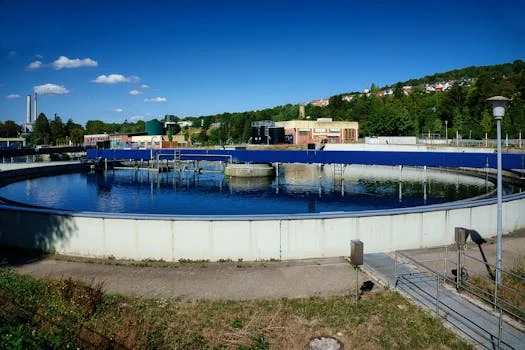
| System Type | Key Benefit | TSS Removal | COD/BOD5 Reduction | Footprint (relative) | Typical Flow Range (m³/day) | Primary Use Cases in Quebec |
|---|---|---|---|---|---|---|
| DAF System | High FOG/TSS removal, rapid clarification | 92–97% | 50–80% | Medium | 100–7,200 | Food processing (dairy, meat), pulp & paper pre-treatment |
| MBR System | Near-reuse quality effluent, small footprint | >99% | >95% | Small | 10–2,000 | Municipal, industrial reuse, strict effluent limits |
| Integrated Plant (WSZ) | Compact, automated, underground option | >95% | >90% | Very Small (buried) | 24–1,920 | Residential communities, commercial facilities, remote sites |
| Conventional Activated Sludge | Proven technology, high capacity | 85–95% | 85–95% | Large | >5,000 | Large municipal wastewater treatment plants |
Quebec Compliance Standards: What Your System Must Achieve
Adhering to Quebec compliance standards is paramount for any sewage treatment equipment supplier in Quebec City, as failure can result in substantial fines and mandated retrofits. MDDELCC’s 2025 effluent limits for industrial discharges are particularly stringent, typically requiring TSS < 15 mg/L, BOD5 < 25 mg/L, COD < 80 mg/L, and phosphorus < 1 mg/L for sensitive receiving environments such as the St. Lawrence River. Beyond provincial regulations, Quebec City municipal bylaws often mandate pre-treatment for industrial discharges to the municipal sewer system, specifying parameters like pH (6–9) and FOG (< 100 mg/L) to protect infrastructure and downstream processes. For residential and commercial systems, NSF/ANSI Standard 40 (wastewater treatment) and Standard 245 (nitrogen reduction) certifications are frequently mandatory, ensuring performance and reliability. Climate-specific requirements are also critical: outdoor equipment must include robust freeze protection (e.g., insulated tanks, heated pipes), and all components should utilize corrosion-resistant materials like 316 stainless steel or fiberglass to withstand Quebec’s humid and variable climate. A Quebec City food processor, for instance, successfully avoided $250,000 in annual MDDELCC fines by upgrading to a DAF system that incorporated precise pH adjustment and effective FOG removal, demonstrating the direct financial impact of compliance.| Parameter | MDDELCC 2025 Industrial Effluent Limit (Typical) | Quebec City Municipal Bylaw (Pre-treatment) | Impact on Equipment Selection |
|---|---|---|---|
| Total Suspended Solids (TSS) | < 15 mg/L | N/A (for direct discharge) | Requires advanced filtration (MBR, DAF, tertiary filters) |
| Biochemical Oxygen Demand (BOD5) | < 25 mg/L | N/A (for direct discharge) | Demands efficient biological treatment (MBR, activated sludge) |
| Chemical Oxygen Demand (COD) | < 80 mg/L | N/A (for direct discharge) | Requires robust organic load reduction capabilities |
| Total Phosphorus (P) | < 1 mg/L (sensitive areas) | N/A (for direct discharge) | Necessitates chemical precipitation or MBR with nutrient removal |
| pH | 6.0–9.0 | 6.0–9.0 | Requires pH adjustment systems for industrial outfalls |
| Fats, Oils, Grease (FOG) | N/A (for direct discharge) | < 100 mg/L (to sewer) | Mandates DAF or grease trap for industrial pre-treatment |
Cost Breakdown: CAPEX, OPEX, and ROI for Quebec Projects
| System Type | CAPEX Range (CAD) | OPEX Range (CAD/m³) | Key OPEX Drivers | Typical ROI/Payback (Years) |
|---|---|---|---|---|
| DAF System | $150,000–$500,000 | $0.50–$1.20 | Energy, chemicals, sludge disposal | 2–4 (industrial pre-treatment) |
| MBR System | $300,000–$1,200,000 | $0.80–$1.50 | Energy, membrane replacement, cleaning chemicals | 5–7 (reuse, strict compliance) |
| Integrated Plant (WSZ) | $80,000–$400,000 | $0.30–$0.70 | Energy, minor maintenance, less operator input | 4–6 (residential/commercial) |
| Conventional Activated Sludge | $500,000–$5,000,000+ | $0.40–$1.00 | Energy, aeration, sludge handling, labor | Longer (large municipal infrastructure) |
Supplier Decision Framework: How to Choose the Right Partner in Quebec City
Choosing the right sewage treatment equipment supplier in Quebec City requires a structured decision framework that goes beyond initial quotes to ensure long-term compliance and operational efficiency.- Step 1: Verify MDDELCC Compliance Support. The chosen supplier must provide robust assistance with permit applications, detailed effluent testing protocols, and a clear understanding of Quebec-specific MDDELCC wastewater standards. This proactive support can significantly reduce project delays and regulatory risks.
- Step 2: Check Local References. Request references from similar projects in Quebec City, Lévis, or Boischatel, particularly from food processors or municipal plants. Successful local installations indicate a supplier's familiarity with regional challenges and regulatory nuances.
- Step 3: Compare Technical Specs. Conduct a head-to-head comparison of critical technical specifications, including TSS removal efficiency, energy consumption (kWh/m³), and system footprint. This ensures the equipment meets your project's specific performance and space requirements.
- Step 4: Evaluate After-Sales Support. Assess the supplier's commitment to after-sales service, including 24/7 technical support, the availability of spare parts within Quebec, and local maintenance teams. Prompt service is crucial to minimize downtime.
- Step 5: Request a Pilot Test. For complex industrial applications, a 30-day pilot test for DAF or MBR systems can provide invaluable real-world performance data, validating the technology's effectiveness for your specific wastewater stream before full-scale investment.
| Decision Criterion | Supplier A (Example) | Supplier B (Example) | HydropureWater (Example) |
|---|---|---|---|
| MDDELCC Compliance Support | Basic documentation | Full permit assistance, testing | Full permit assistance, effluent testing, regulatory updates |
| Local References (Quebec) | Limited, mostly outside QC | 2-3 industrial projects in QC | 5+ industrial & municipal projects in QC/Lévis |
| TSS Removal Efficiency | 90% (DAF) | 95% (DAF), >99% (MBR) | 95% (DAF), >99% (MBR) |
| Energy Consumption (kWh/m³) | 0.6 (DAF), 1.2 (MBR) | 0.5 (DAF), 1.0 (MBR) | 0.5 (DAF), 0.9 (MBR) |
| Footprint (relative to flow) | Medium | Small-Medium | Small (MBR), Very Small (WSZ buried) |
| After-Sales Support | Remote support, limited local parts | Local technician network, 48h response | 24/7 local support, Quebec-based spare parts inventory |
| Pilot Test Availability | No | Case-by-case | Yes, 30-day trial for DAF/MBR |
Frequently Asked Questions
Q: How much does a septic tank cost in Quebec City?
A: Residential septic tanks in Quebec City typically range from $5,000–$20,000 CAD, depending on factors such as size, excavation requirements, and soil conditions. Commercial systems, often needed for restaurants or small businesses, start at $30,000 CAD and require more extensive MDDELCC approval processes due to higher flow rates and stricter effluent quality demands.
Q: What’s the difference between STP and WWTP?
A: STP (Sewage Treatment Plant) generally refers to smaller, decentralized systems often used for individual homes, small communities, or commercial facilities. WWTP (Wastewater Treatment Plant) typically denotes larger, centralized municipal or industrial facilities designed to treat wastewater from entire cities or large industrial complexes. Quebec City’s East End WWTP, for example, serves over 500,000 people, handling significantly larger volumes than a typical STP.
Q: Where does Quebec City’s drinking water come from?
A: Approximately 90% of Quebec City’s drinking water is sourced from the St. Lawrence River. This raw water undergoes rigorous treatment at major facilities like the Charles-J.-Des Baillets and Atwater plants before distribution. Treated wastewater, on the other hand, is processed at the East End and West End WWTPs before being discharged, meeting strict environmental standards.
Q: Can I use a DAF system for municipal wastewater in Quebec?
A: DAF systems are primarily utilized for industrial pre-treatment in Quebec (e.g., food processing, pulp & paper) to remove high concentrations of FOG, TSS, and other pollutants. Municipal plants in Quebec typically require more comprehensive biological treatment processes, such as activated sludge or MBR, to meet MDDELCC’s stringent BOD5 and nutrient removal limits for final discharge.
Q: What’s the best sewage treatment system for a Quebec City food processor?
A: DAF systems are exceptionally well-suited for Quebec City food processors due to their effectiveness in handling high-FOG loads commonly found in dairy, meat, and vegetable processing wastewaters. For instance, a Quebec City cheese plant successfully reduced FOG from 1,200 mg/L to below 50 mg/L using a DAF system, resulting in the avoidance of an estimated $180,000 in annual municipal surcharges and MDDELCC fines.
Related Equipment
- DAF systems for Quebec’s food processing and pulp & paper industries — view specifications, capacity range, and technical data
- MBR systems for municipal and industrial reuse projects in Quebec — view specifications, capacity range, and technical data
- Integrated sewage treatment plants for Quebec’s residential and commercial projects — view specifications, capacity range, and technical data
Need a customized solution? Request a free quote with your specific flow rate and pollutant parameters.