Why Sweden’s Sewage Treatment Equipment Market Demands Data-Driven Decisions in 2025
Sweden’s commitment to environmental stewardship, particularly in water resource management, is intensifying. By 2025, procurement managers, municipal engineers, and industrial facility operators face a complex landscape shaped by stringent EU and national regulations, coupled with a growing imperative for energy efficiency. The EU Urban Waste Water Directive 91/271/EEC mandates secondary treatment for agglomerations over 2,000 population equivalents (PE), while the Industrial Emissions Directive 2010/75/EU enforces Best Available Techniques (BAT) for industrial discharges. Compounding these requirements, Sweden’s target to reduce wastewater treatment energy use by 20% by 2030, as highlighted in a 2023 Swedish EPA report, means that the choice of sewage treatment equipment has direct implications for operational costs and environmental impact.
The financial implications of outdated or inefficient equipment are significant. A Swedish food processing plant in Gothenburg, for instance, saw its operational expenditures (OPEX) reduced by 30% after transitioning from a conventional activated sludge system to a Membrane Bioreactor (MBR) solution, according to a 2024 report from Nordic Water. This illustrates a critical point: lifecycle costs, encompassing not just capital expenditure (CAPEX) but also energy consumption, maintenance, and sludge disposal, can easily exceed the initial investment by three to five times over a ten-year period. the availability of local support is paramount. Suppliers like Hydrotech, offering 24/7 service, provide a distinct advantage over international providers with longer response times, crucial for minimizing downtime and ensuring continuous compliance.
Top 5 Sewage Treatment Equipment Suppliers in Sweden: Technical Specs Compared
Selecting the right sewage treatment equipment supplier in Sweden requires a detailed understanding of their technical capabilities, cost structures, and service offerings. The following comparison table provides an overview of five prominent suppliers, evaluating them against key performance indicators relevant to Swedish projects in 2025.
| Supplier | TSS Removal (%) | COD Removal (%) | Energy Consumption (kWh/m³) | Footprint (m²/m³) | CAPEX Range (€) | OPEX Range (€/m³) | Lead Time (Weeks) | Local Service Availability |
|---|---|---|---|---|---|---|---|---|
| Hydrotech | 95 (Drum Filters) | N/A (Filtration only) | 0.1–0.3 (Ancillary) | Low (Screening) | €100K–€800K | €0.05–0.15 | 12–20 | 24/7 |
| Nordic Water | 97 (MBR/DAF) | 90+ (MBR) | 0.3–0.8 (MBR) | Medium (MBR) | €500K–€2M | €0.30–0.80 | 16–24 | 48-hour response |
| MAF Pump | N/A (Pumps) | N/A (Pumps) | Low (Pumping) | N/A | €20K–€150K (Pumps) | €0.02–0.05 (Pumps) | 8–16 | 24/7 |
| Svea Environmental | 90–95 (Modular) | 85–90 (Modular) | 0.4–0.7 (Modular) | Medium (Containerized) | €200K–€1M | €0.20–0.50 | 14–22 | Limited on-site |
| EcoFlow | 85–90 (DAF) | 70–80 (DAF) | 0.1–0.3 (DAF) | Low (DAF) | €50K–€200K | €0.10–0.25 | 10–18 | Limited on-site |
Hydrotech excels in high-flow municipal applications, primarily offering advanced screening and filtration solutions. Their drum and disc filters achieve exceptional Total Suspended Solids (TSS) removal rates of up to 95%, making them ideal for pre-treatment stages. However, they do not provide biological treatment. Nordic Water offers a comprehensive suite of technologies, including Dissolved Air Flotation (DAF), MBR, and lamella clarifiers. Their MBR systems are particularly effective for industrial wastewater, capable of achieving over 97% TSS removal and high Chemical Oxygen Demand (COD) reduction, crucial for sectors like pulp and paper and food processing. MAF Pump specializes in Swedish-made pumps, such as progressing cavity pumps, guaranteeing 90% uptime and playing a vital role in sludge transfer rather than standalone treatment.
Svea Environmental provides modular, containerized systems suitable for remote locations or rapid deployment, offering a balance between CAPEX and installation efficiency. These systems are well-suited for communities or industrial sites requiring flexible treatment solutions. EcoFlow focuses on budget-friendly DAF systems, ideal for small-scale industrial wastewater, such as that from metalworking operations. While their TSS removal rates are slightly lower (85–90%), their cost-effectiveness positions them as a strong contender for specific applications where stringent removal is not the sole priority. For integrated solutions, HydropureWater's DAF systems for high-efficiency TSS and FOG removal in Swedish industrial wastewater and integrated MBR systems for municipal and industrial wastewater treatment in Sweden offer advanced performance metrics.
Matching Equipment to Use Cases: Municipal vs. Industrial Wastewater in Sweden
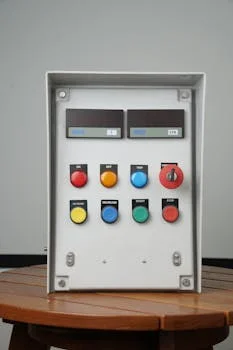
The optimal sewage treatment equipment for a Swedish project hinges on its specific application, scale, and the nature of the wastewater. A decision matrix can effectively guide this selection process by aligning use cases with recommended technologies and leading suppliers.
| Use Case | Recommended Technology | Top 2 Suppliers | Key Considerations |
|---|---|---|---|
| Municipal Wastewater (>1,000 PE) | MBR, Conventional Activated Sludge | Nordic Water, Svea Environmental | Footprint, energy efficiency, sludge production. MBR offers superior effluent quality but higher OPEX. |
| Food Processing | DAF, MBR, Chemical Dosing | EcoFlow, Nordic Water | High FOG and COD loads. DAF for pre-treatment, MBR for biological polishing. engineering guide for food processing wastewater treatment in Sweden. |
| Pulp & Paper | Lamella Clarifiers, Chemical Dosing | Nordic Water, HydropureWater | Fiber recovery, high suspended solids, pH control. Energy-intensive but compliant with EU BAT. PLC-controlled chemical dosing for pH adjustment and coagulation in Swedish wastewater plants. |
| Pharmaceutical | MBR, Advanced Oxidation | Nordic Water, Svea Environmental | API removal, strict effluent standards. MBR with tertiary treatment is essential. |
| Mining | DAF, Sludge Dewatering | Hydrotech, EcoFlow | Heavy metal removal, sediment management. DAF effective for metal precipitation. MAF Pump for dewatering. |
For municipal wastewater treatment plants serving over 1,000 PE, MBR systems from suppliers like Nordic Water are increasingly preferred for their compact footprint and high effluent quality, meeting stricter discharge limits. Conventional activated sludge systems, potentially offered by Svea Environmental, remain a viable, though less space-efficient, option. In the food processing industry, managing fats, oils, and grease (FOG) and high COD is critical. EcoFlow's DAF systems provide efficient pre-treatment for FOG removal, often complemented by MBR technology from Nordic Water for advanced biological treatment. Pulp and paper facilities benefit from lamella clarifiers for fiber recovery, with chemical dosing systems from suppliers like HydropureWater crucial for pH adjustment and coagulation, aligning with EU BAT requirements.
Pharmaceutical wastewater demands the highest standards for removing Active Pharmaceutical Ingredients (APIs). MBR systems from Nordic Water, potentially integrated with advanced oxidation processes, are essential. Svea Environmental's containerized solutions can serve remote laboratory facilities. For the mining sector, DAF systems from Hydrotech or EcoFlow are effective for removing heavy metals through precipitation, followed by sludge dewatering, where MAF Pump's robust equipment is invaluable. The choice between these technologies and suppliers should always consider the specific pollutant profile, flow rates, and regulatory requirements of the Swedish context. For a broader perspective on technology choices, consider a comparison of MBR vs. conventional systems for Swedish projects.
Cost Breakdown: CAPEX, OPEX, and ROI for Swedish Sewage Treatment Projects
Understanding the financial implications of sewage treatment equipment is paramount for any Swedish procurement decision. The total cost of ownership extends far beyond the initial purchase price, encompassing operational expenses, maintenance, and potential compliance costs. This section breaks down typical cost ranges and provides a framework for calculating Return on Investment (ROI).
| Cost Component | Typical Range (€) | Factors Influencing Cost |
|---|---|---|
| CAPEX (Equipment Purchase) | €50K–€2M | Technology type (DAF vs. MBR), capacity, automation level, supplier. |
| OPEX (Annual Operating Costs) | €0.10–€0.80/m³ | Energy consumption, chemical usage, sludge disposal, maintenance labour. |
| Installation & Commissioning | 10–30% of CAPEX | Site complexity, civil works, integration with existing infrastructure. |
| Permitting & Approvals | €10K–€50K | Complexity of project, local authority requirements, environmental impact assessments. |
| Maintenance Contracts | €5K–€20K/year (MBR membranes) | Service level agreements, spare parts, frequency of maintenance. |
Capital Expenditure (CAPEX) for sewage treatment equipment in Sweden can vary significantly. Small-scale DAF systems from suppliers like EcoFlow might range from €50,000 to €200,000. More advanced solutions, such as MBR plants from Nordic Water, can represent a CAPEX of €500,000 to €2 million, reflecting their higher technological complexity and performance. Lamella clarifier systems, offered by suppliers like Svea Environmental, typically fall within the €200,000 to €1 million range. Operational Expenditure (OPEX) is a critical long-term consideration. DAF systems generally have lower OPEX, around €0.10–€0.30/m³, due to their lower energy needs. MBR systems, while highly effective, can have higher OPEX of €0.30–€0.80/m³, largely driven by energy consumption for aeration and membrane operation.
The ROI calculator is a vital tool for justifying investment. The payback period can be estimated using the formula: Payback Period = CAPEX / (Annual OPEX Savings + Annual Compliance Cost Avoidance). For example, a €1 million MBR system with an OPEX of €0.50/m³ compared to a conventional system at €0.80/m³ would achieve a payback in approximately 4.2 years for a plant treating 1,000 m³ per day. Beyond direct equipment costs, consider hidden expenses such as permitting (€10,000–€50,000 in Sweden), installation (10–30% of CAPEX), and ongoing maintenance contracts. A Swedish dairy plant recently reduced its OPEX by 40% by upgrading to a DAF + MBR combination, achieving a payback period of just 3.5 years, as detailed in a 2024 project report. For more detailed financial analysis, consult a ROI calculator for wastewater treatment plants in EU markets.
Compliance Checklist: Meeting EU and Swedish Wastewater Regulations in 2025
Navigating the regulatory framework is a non-negotiable aspect of selecting sewage treatment equipment in Sweden. Ensuring compliance with EU directives and national guidelines prevents costly fines, operational disruptions, and environmental damage. This checklist outlines key regulatory requirements and considerations for 2025.
- EU Urban Waste Water Directive 91/271/EEC: For agglomerations exceeding 2,000 PE, secondary treatment is mandatory. In designated sensitive areas, such as those discharging into the Baltic Sea, tertiary treatment (e.g., enhanced nutrient removal) is often required. MBR systems are frequently chosen to meet these advanced standards.
- Industrial Emissions Directive 2010/75/EU: This directive, implemented through national legislation, requires industries to adopt Best Available Techniques (BAT) for their discharges. Specific BAT reference documents (BREFs) detail emission limit values for sectors like pulp and paper, food processing, and chemical manufacturing, often stipulating limits for COD (e.g., <125 mg/L) and TSS (e.g., <35 mg/L).
- Swedish EPA 2023 Guidelines: The Swedish Environmental Protection Agency (Naturvårdsverket) sets national targets and guidelines. For new wastewater treatment plants, energy efficiency targets typically range from 0.3 to 0.5 kWh/m³. Sludge disposal regulations are also critical; for instance, land application of industrial sludge containing heavy metals is generally prohibited.
- Supplier Compliance Certifications: When evaluating suppliers, look for internationally recognized certifications such as ISO 14001 (Environmental Management) and adherence to EU Ecolabel standards. Membership in national industry associations, like the Swedish Water & Wastewater Association (SWWA), can also indicate a commitment to Swedish standards. Nordic Water and Hydrotech are examples of suppliers with strong local compliance credentials.
- Permitting Process: The permitting process in Sweden typically takes 6–12 months and requires comprehensive documentation, including detailed technical specifications of the treatment equipment, an environmental impact assessment, and proof of compliance with relevant discharge limits. Common reasons for rejection include insufficient nutrient removal capabilities or inadequate consideration of sludge management.
Selecting equipment that demonstrably meets these standards from the outset will significantly streamline the permitting process and ensure long-term operational compliance.
Frequently Asked Questions
What is the most energy-efficient sewage treatment technology for Sweden in 2025?
For municipal wastewater, MBR systems typically offer the most energy efficiency, ranging from 0.3–0.5 kWh/m³, aligning with Sweden’s 2030 energy targets. DAF systems are highly efficient for industrial pre-treatment, consuming 0.1–0.3 kWh/m³. Nordic Water's MBR systems are designed to meet these stringent energy efficiency requirements.
How much does a sewage treatment plant cost in Sweden?
The cost varies widely. CAPEX for small DAF systems from suppliers like EcoFlow can start around €50,000, while large MBR plants from Nordic Water can reach €2 million. OPEX typically ranges from €0.10 to €0.80/m³, depending on the chosen technology and plant scale.
Which suppliers offer 24/7 service in Sweden?
Hydrotech and MAF Pump are known for providing 24/7 local service in Sweden. Nordic Water offers a response time of within 48 hours for service calls. Svea Environmental and EcoFlow have more limited on-site support capabilities, often relying on remote diagnostics and scheduled visits.
What are the compliance risks of using non-EU suppliers?
Non-EU suppliers may not always adhere to the EU's Best Available Techniques (BAT) requirements or Swedish EPA guidelines, potentially leading to significant delays in obtaining permits or facing fines for non-compliance. Local suppliers, such as Nordic Water, often have pre-approved solutions for many Swedish projects and a deeper understanding of local regulatory nuances.
Can I finance sewage treatment equipment in Sweden?
Yes, several financing options are available. These include green loans offered by Swedish banks like SEB, which often come with sustainability-linked incentives. Equipment leasing is another common arrangement. Additionally, grants from EU programs, such as the LIFE program for environmental projects, may be accessible for innovative water treatment initiatives.