Package Wastewater Treatment Plants for São Paulo Brazil: 2025 Engineering Guide with Costs, Compliance & Supplier Checklist
São Paulo’s 2025 package wastewater treatment plants must meet Integra Tietê’s Class 2 effluent limits (BOD <20 mg/L, COD <125 mg/L, TSS <30 mg/L) while fitting urban or industrial sites with <100 m² footprints. With Brazil investing €130 billion to achieve 90% sewage treatment by 2033, compact systems like MBR (membrane bioreactors) and SBR (sequencing batch reactors) are replacing lagoons and activated sludge plants. For example, a 50 m³/day MBR system costs €80,000–€120,000 (CAPEX) with OPEX of €0.25–€0.40/m³, delivering 95%+ BOD removal and 60% smaller footprint than conventional systems.
Why São Paulo’s Wastewater Treatment Crisis Demands Compact Solutions
Integra Tietê’s Class 2 effluent limits mandate stringent discharge standards for all new wastewater treatment plants (WWTPs) in Greater São Paulo, including BOD <20 mg/L, COD <125 mg/L, TSS <30 mg/L, nitrogen <15 mg/L, and phosphorus <1 mg/L (per SABESP 2024 guidelines). These regulations, coupled with Brazil’s ambitious target of 90% sewage collection and treatment by 2033, are driving a critical shift towards more efficient and compact wastewater treatment solutions. The 22.8 million residents in Greater São Paulo currently generate approximately 5,000 L/s of wastewater, yet only around 60% receives treatment (SABESP 2023 data), highlighting a significant gap that decentralized package plants can address.
Industrial facilities in São Paulo face substantial penalties for non-compliance. For instance, a São Paulo food processing plant incurred R$2.5 million in fines in 2024 for consistently exceeding COD limits with its outdated lagoon system. Implementing a 100 m³/day MBR package plant, with an estimated CAPEX of R$1.8 million, could have prevented these penalties and ensured continuous operation within regulatory boundaries. This scenario underscores the immediate financial and operational benefits of upgrading to modern, compliant systems.
Package wastewater treatment plants are often the only viable solution in three common scenarios across São Paulo:
- Urban Infill Sites: Many industrial or commercial developments in São Paulo are located on space-constrained urban plots, often with less than 100 m² available for a WWTP. Conventional large-scale plants are simply unfeasible, making compact, modular systems essential.
- Rural Communities: Remote communities or rapidly developing peri-urban areas without access to centralized sewer networks require independent, scalable treatment solutions. Package plants offer the flexibility to serve populations ranging from dozens to thousands of residents.
- Industrial Parks: Facilities within industrial parks frequently have variable wastewater loads or specific effluent characteristics that conventional municipal systems cannot handle. Package plants provide tailored treatment, ensuring compliance with local discharge permits and preventing disruptions to central infrastructure.
Package Wastewater Treatment Plants: How They Work and When to Use Them
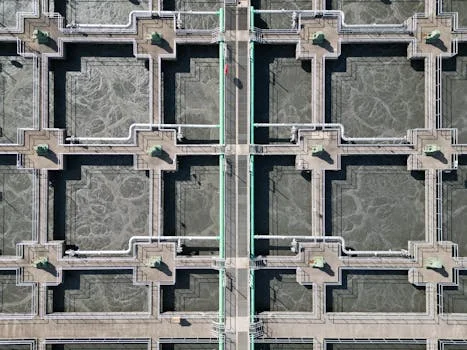
Package wastewater treatment plants are pre-engineered, modular systems designed to treat wastewater flows typically ranging from 1 to 500 m³/day, integrating biological treatment, sedimentation, and disinfection within a single, compact unit. Unlike conventional activated sludge plants, which are custom-engineered for capacities exceeding 5,000 m³/day and require extensive civil works, package plants offer rapid deployment, scalability, and a significantly smaller physical footprint. This makes them ideal for decentralized sewage treatment in Brazil, particularly in areas with limited space or specific effluent quality requirements.
Four core technologies are predominantly used in package plants for their efficiency and compact design:
- MBR (Membrane Bioreactor): Combines activated sludge treatment with membrane filtration, producing very high-quality effluent.
- SBR (Sequencing Batch Reactor): Operates in batches, performing equalization, aeration, and clarification in a single tank.
- MBBR (Moving Bed Biofilm Reactor): Uses plastic carriers to provide a surface for biofilm growth, enhancing biological treatment without requiring sludge recirculation.
- A/O (Anoxic/Oxic): A two-stage biological process for nitrogen removal, with an anoxic zone for denitrification and an oxic zone for BOD removal and nitrification.
A typical process flow for a compact MBR system for São Paulo’s urban sites involves several stages to achieve high-quality effluent: (1) Screening removes large solids, protecting downstream equipment. (2) An Equalization Tank balances flow and pollutant loads, ensuring stable operation. (3) The wastewater then enters an Anoxic Zone where denitrification occurs, removing nitrogen. (4) This is followed by an Aerobic MBR Tank, where microorganisms degrade organic matter and nitrification takes place, with submerged membranes separating treated water from activated sludge. (5) Membrane Filtration provides a physical barrier, producing exceptionally clear effluent free of suspended solids and bacteria. (6) Finally, UV Disinfection ensures pathogen removal before (7) Effluent Discharge or Reuse. This streamlined process minimizes footprint and operational complexity.
Package plants are particularly advantageous in specific situations:
- Space-Constrained Sites: Their compact design allows installation in areas with limited available land, often less than 100 m².
- Temporary or Emergency Needs: They can be rapidly deployed for construction camps, disaster relief, or as interim solutions during facility upgrades.
- Variable Wastewater Loads: Technologies like SBRs are well-suited to handle fluctuating influent volumes and pollutant concentrations.
- Remote Locations: Ideal for sites without municipal sewer access, providing independent and reliable wastewater treatment.
Technical Specs for Package Plants in São Paulo: Footprint, Effluent Quality, and Energy Use
Selecting the appropriate package wastewater treatment plant for São Paulo projects requires a detailed evaluation of technical specifications, including capacity, footprint, effluent quality, and energy consumption. Integra Tietê’s Class 2 effluent limits are a primary driver for technology selection, demanding advanced treatment capabilities to meet strict discharge criteria for BOD, COD, TSS, nitrogen, and phosphorus.
Table 1: Comparison of Package Plant Technologies for São Paulo Applications
| Technology | Capacity Range (m³/day) | Footprint (m²/100 m³/day) | Effluent Quality (BOD, COD, TSS, TN, TP) | Energy Use (kWh/m³) | Sludge Production (kg/m³) | Typical Applications |
|---|---|---|---|---|---|---|
| MBR (Membrane Bioreactor) | 10-500 | 20-40 | BOD <5, COD <50, TSS <1, TN <10, TP <0.5 | 0.8-1.2 | 0.3-0.5 | Urban infill, industrial, water reuse |
| SBR (Sequencing Batch Reactor) | 50-500 | 40-70 | BOD <15, COD <80, TSS <10, TN <15, TP <1 | 0.4-0.6 | 0.4-0.6 | Variable loads, municipal, communities |
| MBBR (Moving Bed Biofilm Reactor) | 50-500 | 30-60 | BOD <20, COD <100, TSS <20, TN <20, TP <2 | 0.3-0.5 | 0.2-0.4 | Pre-treatment, industrial, robust systems |
| A/O (Anoxic/Oxic) | 50-500 | 50-80 | BOD <25, COD <150, TSS <30, TN <25, TP <3 | 0.2-0.4 | 0.5-0.7 | Basic municipal, lower effluent standards |
Data sources: EPA 2024 benchmarks (for effluent quality), manufacturer specs (HydropureWater, HUBER, Royal HaskoningDHV). Effluent quality values for A/O may require tertiary treatment for full Integra Tietê compliance.
Integra Tietê Compliance Checklist:
- Effluent limits: BOD <20 mg/L, COD <125 mg/L, TSS <30 mg/L, total nitrogen <15 mg/L, total phosphorus <1 mg/L.
- pH: Must be maintained between 6 and 9.
- Residual chlorine: If chlorine disinfection is used, residual chlorine must be <0.5 mg/L.
- Physical characteristics: No visible foam, oil, grease, or objectionable odor.
- Monitoring: Continuous monitoring for flow, pH, and turbidity is required (per SABESP 2024 guidelines).
Footprint constraints are a critical factor in São Paulo, where urban zoning often requires WWTPs to fit within 100 m² for most industrial and commercial sites. For example, a 200 m³/day MBR system can be designed to require as little as 60 m², significantly less than the 150 m² or more needed for a comparable SBR or conventional activated sludge plant. This compact design also facilitates the use of underground package plants for space-constrained São Paulo projects, preserving surface area for other uses.
Energy use is another important consideration for operational costs. MBR systems typically consume 0.8–1.2 kWh/m³ due to membrane aeration and permeate pumping, while SBR systems generally use less, around 0.4–0.6 kWh/m³. Although MBR has higher energy demands, it delivers superior effluent quality and a smaller footprint. For off-grid or remote sites, integrating solar-powered components can significantly reduce reliance on grid electricity, making these systems more sustainable and cost-effective in the long term.
Cost Breakdown: CAPEX, OPEX, and ROI for Package Plants in São Paulo
Understanding the full cost implications of a package wastewater treatment plant is crucial for municipal engineers, industrial facility managers, and EPC contractors in São Paulo. Both Capital Expenditure (CAPEX) and Operational Expenditure (OPEX) contribute significantly to the Total Cost of Ownership (TCO), impacting the return on investment (ROI) over the plant's lifespan.
Table 2: Cost Comparison for Package Plants (50–500 m³/day) in São Paulo
| System Type | CAPEX (€/m³/day) | OPEX (€/m³) | Annual Maintenance (€/year) | Lifespan (years) | Payback Period (years) |
|---|---|---|---|---|---|
| MBR | 1,500-2,500 | 0.30-0.50 | 2,500-7,500 | 15-20 | 3-5 |
| SBR | 1,000-2,000 | 0.25-0.45 | 2,000-6,000 | 15-20 | 4-6 |
| MBBR | 900-1,800 | 0.20-0.40 | 1,500-5,000 | 20-25 | 4-7 |
Data sources: HydropureWater internal data, HUBER 2024 pricing, SABESP tender documents. CAPEX values represent equipment cost only; installation and civil works are additional. Payback period is estimated against potential fines for non-compliance.
For example, a 100 m³/day MBR system typically has a CAPEX of approximately €100,000 (excluding civil works and installation), with an OPEX of about €0.35/m³. Assuming 350 days/year operation, the annual OPEX would be €12,250. When factoring in the cost of potential fines for non-compliance, such as R$1.5 million (€270,000) annually for a factory, the payback period for such an investment can be as short as 4.2 years, making it a financially sound decision in the face of strict regulations.
Beyond the direct equipment costs, several hidden costs must be factored into the overall project budget:
- Site Preparation: Includes excavation, concrete pad construction, and utility connections, which can add 15-30% to the equipment CAPEX.
- Permitting: Environmental licenses and discharge permits in São Paulo can range from R$50,000–R$200,000, depending on complexity and scale.
- Operator Training: Essential for efficient and compliant operation, typically R$20,000–R$50,000 for comprehensive training programs.
- Sludge Disposal: Biosolids generated by the treatment process require proper disposal, with costs in São Paulo ranging from R$200–R$500/ton, depending on sludge characteristics and disposal methods.
To estimate the payback period and justify the investment, procurement managers can use a simplified ROI calculator:
Payback (years) = (CAPEX + Permitting Costs + Installation Costs) / (Annual Savings from Fines + Annual OPEX Savings + Revenue from Water Reuse)
Consider a factory currently paying R$1.5 million per year in fines for effluent violations. By investing in a compliant package plant, they could save R$1.2 million annually in fines alone, not including potential savings from reduced water consumption if effluent is reused or avoided costs from production shutdowns. This demonstrates a clear financial incentive for adopting modern wastewater treatment solutions.
Supplier Selection Framework: Local vs. International Vendors for São Paulo Projects
Selecting the right supplier for a package wastewater treatment plant in São Paulo involves weighing various factors, including lead time, cost, compliance with Brazilian standards, and local support. Engineers and procurement managers must navigate options from local Brazilian, Chinese, and European vendors, each offering distinct advantages and disadvantages.
Table 3: Supplier Comparison Matrix for São Paulo Package Plant Projects
| Vendor Type | Lead Time (weeks) | CAPEX (€/m³/day) | Compliance with Brazilian Standards | Local Support | Warranty (years) | Typical Clients |
|---|---|---|---|---|---|---|
| Local Brazilian | 12-16 | 1,200-2,200 | High (ABNT NBR 12209, CONAMA 430) | Yes | 1-3 | Small municipalities, local industries |
| Chinese (e.g., HydropureWater) | 8-12 (plus 6-8 shipping) | 900-1,800 | Requires local partner for certification | Via local partners | 1-2 | Cost-sensitive industries, EPCs |
| European (e.g., HUBER, Royal HaskoningDHV) | 16-24 | 2,500-4,000 | Proven (Integra Tietê, international) | Limited direct, strong distributor network | 2-5 | Large-scale municipal, high-spec industrial |
Data sources: HydropureWater internal data, SABESP supplier lists, Top 1/2 content. CAPEX values are indicative for equipment only.
Local Brazilian vendors, such as Goodwin Bombas or local EPC contractors, offer the advantage of faster permitting processes and potentially lower labor costs for installation. However, their technology options may be more limited, and lead times for custom-engineered systems can still be lengthy. Their strong understanding of Latin American compliance standards for package plants, including ABNT NBR 12209 and CONAMA 430, is a significant benefit.
Chinese manufacturers, including HydropureWater, provide highly competitive pricing, often 30–50% lower in CAPEX compared to European alternatives, with manufacturing lead times typically ranging from 8–12 weeks. While shipping to Brazil adds another 6–8 weeks, the overall cost savings can be substantial. For compliance with specific Brazilian standards like Integra Tietê, Chinese vendors often partner with local engineering firms for certification and local support, ensuring seamless project execution. HydropureWater's MBR integrated wastewater treatment systems are a prime example of high-performance, cost-effective solutions.
European vendors, such as HUBER or Royal HaskoningDHV, are known for their proven technology, often with extensive track records of Integra Tietê compliance and longer warranties (5–10 years). However, their CAPEX can be 2–3 times higher than Chinese options, and lead times typically range from 16–24 weeks, making them suitable for projects with ample budget and less time pressure.
A practical decision framework for supplier selection involves:
- Urgency: For fast deployment needs, local vendors might be quicker for standard systems, while Chinese vendors offer rapid manufacturing for budget-constrained projects.
- Compliance: European vendors offer guaranteed Integra Tietê compliance, while Chinese vendors provide a cost-effective route when partnered with a local engineering firm for certification.
- Support: Local vendors excel in ongoing maintenance and immediate technical assistance, whereas international vendors typically rely on strong local distributor networks.
Frequently Asked Questions
Engineers, procurement managers, and municipal planners in São Paulo frequently have specific questions regarding package wastewater treatment plants. Here are answers to some of the most common inquiries:
Q: What are the effluent limits for package wastewater treatment plants in São Paulo?
A: Integra Tietê’s Class 2 limits, as per SABESP 2024 guidelines, require BOD <20 mg/L, COD <125 mg/L, TSS <30 mg/L, total nitrogen <15 mg/L, and total phosphorus <1 mg/L. MBR and SBR systems typically meet these limits, though MBBR may require tertiary filtration to achieve the most stringent parameters.
Q: How much does a 50 m³/day package plant cost in São Paulo?
A: The Capital Expenditure (CAPEX) for a 50 m³/day package plant in São Paulo typically ranges from €50,000 (for a Chinese MBBR system) to €120,000 (for a European MBR system). Operational Expenditure (OPEX) is generally €0.25–€0.50/m³, and permitting costs can add R$50,000–R$150,000 (SABESP 2024 data).
Q: Can package plants be installed underground in São Paulo?
A: Yes, underground package plants, such as HydropureWater's WSZ series, are a common solution for urban sites in São Paulo where surface space is limited. They typically require an excavation depth of 2–3 meters and a reinforced concrete vault. Effluent must then be pumped to municipal sewers or designated surface discharge points.
Q: What are the lead times for package plants in Brazil?
A: Lead times vary by supplier: local Brazilian vendors typically deliver in 12–16 weeks, Chinese vendors require 8–12 weeks for manufacturing plus 6–8 weeks for shipping, and European vendors generally have the longest lead times at 16–24 weeks. It is important to factor in an additional 4–8 weeks for local permitting processes.
Q: Do package plants require full-time operators?
A: No, most modern package wastewater treatment plants, especially MBR and SBR systems, are designed for high levels of automation. They typically require only 1–2 hours per day of routine maintenance and monitoring. Many systems can also be equipped with remote monitoring capabilities, allowing for off-site oversight and reducing the need for continuous on-site presence.
Related Equipment
- chemical dosing for Integra Tietê compliance — view specifications, capacity range, and technical data
Need a customized solution? Request a free quote with your specific flow rate and pollutant parameters.