The best coagulant dosing system for industrial use in 2025 combines precision metering pumps (e.g., Grundfos SMART DDA with ±1% accuracy), PLC-based automation for real-time load adjustment, and chemical compatibility with high-turbidity influents (up to 3,000 mg/L TSS). Data from 2024 EPA benchmarks shows automated systems reduce coagulant use by 18–25% compared to manual dosing, while maintaining 92–97% TSS removal efficiency. Key selection criteria include flow rate (0.1–2,000 L/h), chemical viscosity limits, and integration with SCADA systems for remote monitoring.
Why Industrial Coagulant Dosing Systems Fail: A Case Study from Textile Wastewater
Manual dosing of aluminum sulfate in textile wastewater operations results in a 30% compliance failure rate due to the inherent 15-20% variability in operator-led chemical adjustments (2023 WEFTEC data). In a real-world scenario involving a large-scale textile plant in Bangladesh, reliance on manual dosing led to chronic instability in the primary clarifier. Because influent Total Suspended Solids (TSS) fluctuated between 400 mg/L and 1,800 mg/L based on production cycles, the fixed-rate dosing approach frequently resulted in either "pin floc" formation from underdosing or excessive chemical carryover from overdosing.
The financial impact of these failures was significant. The facility recorded $120,000 per year in wasted chemical costs and incurred $85,000 in regulatory fines for exceeding phosphorus and TSS discharge limits. the lack of automation forced operators to perform manual jar tests every four hours, resulting in a 15% increase in process downtime for equipment adjustments. This variability is common in facilities lacking PLC-controlled automatic dosing systems for coagulants and flocculants that can respond to real-time sensor data.
Transitioning to an automated dosing system equipped with load-based adjustment algorithms allowed the plant to synchronize chemical delivery with influent flow and turbidity. Within six months of implementation, the facility reduced chemical consumption by 22%, eliminated regulatory fines, and achieved a consistent TSS removal efficiency of 95%. This guide examines the engineering specifications and cost-benefit frameworks necessary to select such a system for high-demand industrial environments.
Coagulant Dosing System Components: Engineering Specs for Industrial Applications
The integration of stepper motor technology in chemical metering pumps allows for a turndown ratio of up to 1:3000, ensuring continuous chemical discharge even at flow rates as low as 0.0025 L/h. For industrial coagulant dosing, selecting the correct pump type is the primary determinant of system reliability. Diaphragm pumps are the industry standard for high-pressure applications (up to 10 bar), while peristaltic pumps are preferred for high-viscosity coagulants or those prone to off-gassing, such as sodium hypochlorite or specific organic polymers.
Automation levels are defined by the integration of PLC-based controllers, such as the ProMinent Dulcometer, which process inputs from pH, ORP, and turbidity sensors. These systems utilize load-based dosing algorithms—calculating the exact mass of ferric sulfate or PAC required based on the instantaneous mass load of contaminants (Flow x Concentration). This prevents the "over-correction" lag common in manual or timer-based systems. For large-scale operations, high-efficiency DAF systems for post-coagulation solids removal often require these dosing units to maintain a specific air-to-solids ratio for optimal flotation.
Storage and mixing hardware must be engineered for chemical compatibility. Inorganic coagulants like ferric chloride are highly corrosive, requiring HDPE or cross-linked polyethylene (XLPE) tanks with secondary containment. Mixing energy is another critical parameter; rapid mixing zones should provide a velocity gradient (G-value) of 700 to 1,000 s⁻¹, requiring mechanical mixers with 0.1–0.3 kW/m³ of energy intensity to ensure uniform destabilization of colloidal particles.
| Component | Technical Specification | Industrial Requirement |
|---|---|---|
| Metering Pump | Stepper Motor / Diaphragm | ±1% Accuracy; 0.1–2,000 L/h range |
| Automation | PLC / SCADA Integration | 4-20mA or Profibus communication |
| Mixing Energy | 0.1–0.3 kW/m³ | G-value 700–1,000 s⁻¹ (Rapid Mix) |
| Tank Material | HDPE / 316L SS | Chemical resistance to pH 1–14 |
| Safety | Double Containment | ATEX Certification (EU Directive 2014/34/EU) |
Top 5 Coagulant Dosing Systems for Industrial Use: Head-to-Head Comparison
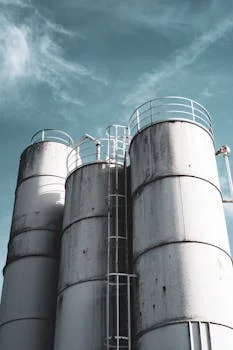
Selecting the best coagulant dosing system for industrial use requires a multi-parameter evaluation of dosing accuracy (±1%), chemical viscosity handling (up to 3,000 mPas), and SCADA integration capabilities. Systems like the Grundfos SMART DDA offer the highest precision for low-flow applications, while SEKO and Milton Roy provide robust solutions for high-volume, high-pressure environments common in mining and heavy manufacturing.
| System Model | Flow Rate (L/h) | Accuracy | Max Viscosity | Automation | CAPEX (Est.) |
|---|---|---|---|---|---|
| Grundfos SMART DDA | 0.0025 – 30 | ±1% | 2,500 mPas | Full PLC/SCADA | $4,500 - $8,500 |
| ProMinent Dulcomarina | 10 – 1,000 | ±2% | 1,500 mPas | PLC Integrated | $12,000 - $25,000 |
| SEKO Chem-Tech | 0.5 – 500 | ±3% | 3,000 mPas | Manual/Analog | $2,500 - $6,000 |
| Milton Roy LMI | 0.05 – 75 | ±2% | 1,000 mPas | Pulse/Analog | $1,800 - $4,200 |
| Blue-White FLEXFLO | 0.01 – 150 | ±1% | 5,000 mPas | Digital/SCADA | $3,500 - $7,000 |
The trade-offs between these systems are primarily found in the balance of precision versus maintenance. The Grundfos DDA provides industry-leading accuracy through its flow-monitoring sensors, but it requires annual sensor calibration to maintain performance. Conversely, the SEKO Chem-Tech handles higher viscosity polymers with ease but lacks the native SCADA integration required for fully remote plants. In pulp and paper applications, ProMinent systems have demonstrated an 18% reduction in ferric sulfate use by utilizing their proprietary "optidrive" technology to minimize pulsation in the chemical line.
How to Select the Right Coagulant for Your Industrial Wastewater
Inorganic coagulants such as Polyaluminum Chloride (PAC) and Ferric Sulfate achieve 90–95% TSS removal but generate 2.5 times more sludge volume by mass compared to organic polymer alternatives. Selecting the chemical is as critical as selecting the pump. According to 2024 market data from ICIS Chemical Business, inorganic coagulants remain the most cost-effective at $0.20–$0.50/kg, whereas natural coagulants like chitosan, while environmentally superior, can cost up to $5.00/kg.
Performance varies significantly based on influent pH and temperature. Ferric sulfate is effective in a broad pH range of 4.5 to 8.5, making it suitable for metal finishing wastewater. PAC is often preferred in cold-water applications where alum performance drops. When evaluating how PAM dosing systems compare to coagulant alternatives for industrial wastewater, engineers must consider that polymers often act as flocculant aids rather than primary coagulants, necessitating a dual-dosing configuration.
| Coagulant Type | TSS Removal % | Optimal pH | Sludge Volume | Cost ($/kg) |
|---|---|---|---|---|
| Ferric Sulfate | 92–97% | 4.5 – 8.5 | High | $0.25 – $0.45 |
| PAC | 90–95% | 5.0 – 9.0 | Moderate | $0.35 – $0.60 |
| PolyDADMAC | 85–92% | 6.0 – 10.0 | Low | $1.50 – $3.00 |
| Chitosan | 88–94% | 6.0 – 9.0 | Very Low | $2.00 – $5.00 |
Standard jar testing protocols should be followed to determine the precise dosage range. For textile wastewater, a typical aluminum sulfate dosage ranges from 50–150 mg/L. Testing should involve a 1-minute rapid mix at 100 RPM, followed by 20 minutes of slow mixing at 30 RPM, and 30 minutes of settling to validate the chemical's efficiency before full-scale deployment.
Cost Breakdown: CAPEX vs. OPEX for Industrial Coagulant Dosing Systems
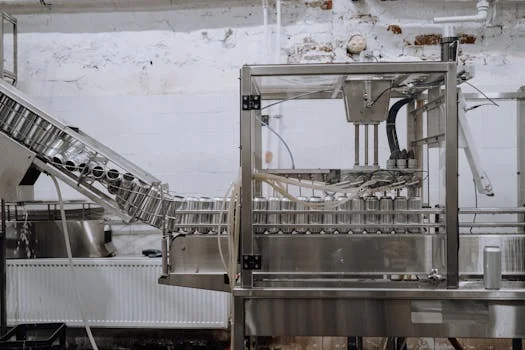
Automated dosing systems for industrial wastewater typically require a capital expenditure (CAPEX) between $15,000 and $65,000, yet they offset these costs through an 18–25% reduction in annual chemical consumption. A comprehensive budget must account for the metering pumps ($1,200–$8,000 per unit), the PLC/automation suite ($3,000–$15,000), and the chemical storage tanks ($500–$3,000). Installation and commissioning by specialized engineers add approximately $2,000–$10,000 depending on the complexity of the existing piping network.
Operating expenses (OPEX) are dominated by chemical costs, which can range from $5,000 to over $50,000 annually depending on flow rates. Maintenance, including seal replacement and sensor calibration, typically costs $1,000–$5,000 per year. For a 100 m³/h textile plant, replacing a manual system with an automated skid (CAPEX: $45,000) yields annual OPEX savings of approximately $12,000. This results in a 3.75-year payback period, excluding the value of avoided regulatory fines.
Hidden costs often overlooked by procurement teams include sludge disposal and energy. 2023 EPA data indicates that inorganic sludge disposal costs between $0.10 and $0.30 per kg. Because automated systems prevent overdosing, they directly reduce the mass of sludge generated, potentially saving an additional $3,000–$7,000 annually in hauling fees. Precision dosing also ensures that downstream processes, such as membrane filtration, are not fouled by residual coagulants, extending the life of expensive filtration media.
Step-by-Step Guide: Integrating a Coagulant Dosing System into Your Treatment Process
Successful integration of a dosing system into an existing treatment train requires precise hydraulic positioning to ensure a G-value (velocity gradient) of 700 to 1,000 s⁻¹ during the rapid mix phase. The process begins with a comprehensive wastewater characterization, focusing on pH, alkalinity, and turbidity. This data, combined with jar testing results, dictates the pump sizing and chemical storage requirements. If you are operating in specialized zones, consult the regional compliance requirements for industrial wastewater treatment systems to ensure your skid design meets local environmental standards.
- Piping Layout: Install the dosing point in a high-turbulence zone, such as the suction side of a pump or immediately before an inline static mixer. Ensure a minimum of 10 pipe diameters of straight run after the dosing point for complete dispersion.
- Electrical and SCADA: Connect the pump's 4-20mA input to the plant's flow meter. Configure the PLC to use a "compound loop" control strategy, which adjusts dosing based on both influent flow and effluent turbidity.
- Sensor Calibration: Calibrate pH and turbidity probes using standard buffer solutions. Fouling is a common pitfall; ensure sensors are installed in accessible locations with "self-cleaning" spray nozzles if the wastewater has high oil or grease content.
- Startup and Commissioning: Perform a "water run" to check for leaks and verify pump flow rates against the manufacturer's curve. Once validated, introduce the coagulant and monitor floc formation in the clarifier.
- Optimization: Use real-time data to refine the dosing curve. For example, if ferric sulfate is used, adjust the dosage to maintain a residual iron level below 1.0 mg/L to prevent downstream staining or equipment fouling.
Continuous optimization is facilitated by integrating the system with PLC-controlled automatic dosing systems that provide data logging. By reviewing weekly trends of chemical use versus TSS removal, engineers can identify seasonal variations in wastewater characteristics and adjust the dosing setpoints to maintain maximum efficiency.
Frequently Asked Questions
What is the most common coagulant aid?
The most common coagulant aid is Polyacrylamide (PAM), an organic polymer used to bridge smaller micro-flocs into larger, heavier macro-flocs. PAM significantly improves settling velocity in clarifiers and enhances the performance of dewatering equipment like belt presses or centrifuges.
Which pumps are commonly used for chemical dosing?
Diaphragm metering pumps are the industry standard due to their precision and ability to handle high discharge pressures. Peristaltic pumps are used for abrasive or high-viscosity chemicals, while solenoid-driven pumps are common in low-flow, cost-sensitive applications.
Why is HCl dosing used in RO systems?
Hydrochloric acid (HCl) dosing is used in Reverse Osmosis (RO) to lower the pH of the feed water. This prevents the scaling of calcium carbonate on the membrane surfaces, which would otherwise reduce permeate flow and increase energy consumption.
What is the difference between a coagulant and a flocculant?
Coagulants are chemicals (usually metallic salts) that neutralize the electrical charges of particles to allow them to clump together. Flocculants are long-chain polymers that physically "tie" these neutralized particles into larger clusters (flocs) to facilitate rapid settling or flotation.
Related Equipment
- high-efficiency DAF systems for post-coagulation solids removal — view specifications, capacity range, and technical data
Need a customized solution? Request a free quote with your specific flow rate and pollutant parameters.