Why German Sewage Treatment Equipment Suppliers Stand Out in 2025
Germany’s 2025 sewage treatment equipment market features suppliers like AquaTech Innovations (45% wastewater reduction in Hamburg) and HAMANN AG (marine systems since 1972), but industrial buyers face gaps in technical specs and cost transparency. This guide bridges those gaps with compliance-aligned data, supplier comparisons, and a decision framework for projects from 10 m³/h to 300 m³/h. Key standards: EU Urban Waste Water Directive 91/271/EEC and German AbwV regulations for discharge limits (e.g., <125 mg/L COD for sensitive areas).
Germany’s dual regulatory framework requires industrial operators to meet COD limits below 125 mg/L and TSS levels under 35 mg/L in sensitive discharge zones per the German Abwasserverordnung (AbwV). This engineering rigor is exemplified by AquaTech Innovations’ recent implementation at a Hamburg-based chemical plant. By deploying the AquaPro X7 modular system, the facility achieved a 45% reduction in total wastewater discharge. The system processed influent with high organic loads, utilizing integrated sedimentation and filtration to reach effluent quality that exceeded EU 91/271/EEC requirements. This level of performance is a hallmark of the German market, where the shift toward IoT-enabled, energy-efficient systems is now the baseline for new procurement (HydropureWater field data, 2025).
The market trend in 2025 focuses on modularity and real-time monitoring. Unlike the French or Dutch markets, which may prioritize centralized municipal infrastructure, German suppliers emphasize decentralized, high-automation pretreatment. This is driven by strict AbwV Annexes that set industry-specific limits for sectors like food processing, textiles, and metalworking. Suppliers now offer "smart" units that adjust chemical dosing based on real-time influent sensors, reducing operational waste. the adoption of energy-efficient MBR/DAF hybrids has accelerated as German energy costs remain a critical factor in total cost of ownership (TCO) calculations.
Sewage Treatment Equipment Types for German Projects: Technical Specs and Use Cases
High-rate Dissolved Air Flotation (DAF) systems achieve up to 97% Total Suspended Solids (TSS) removal in food processing applications while maintaining a hydraulic capacity of up to 300 m³/h. Selecting the correct equipment depends on the specific wastewater matrix—whether it contains high Fats, Oils, and Grease (FOG), heavy metals, or complex organic compounds. For instance, DAF systems for industrial wastewater are engineered for 92–97% TSS removal and 30–50% COD reduction, making them the standard for pulp and paper or dairy industries where primary clarification is insufficient.
For projects requiring high-quality effluent for reuse, MBR technology is the primary choice. DF series flat-sheet MBR modules for municipal reuse feature a 0.1 μm pore size, providing a 60% smaller footprint than Conventional Activated Sludge (CAS) systems while producing effluent with <1 mg/L TSS. When pretreatment is the priority, engineers often when to use lamella clarifiers vs DAF for pretreatment, as lamella clarifiers offer 20–40 m/h surface loading rates and 30% lower chemical consumption in high-solids applications.
| Equipment Type | Key Specifications | Primary Application | Removal Efficiency |
|---|---|---|---|
| DAF | 4–300 m³/h capacity; Stainless Steel 304/316 | Food processing, Oil/Gas | 97% TSS, 50% COD |
| MBR (DF Series) | 0.1 μm pore size; PVDF membranes | Municipal reuse, Pharma | >99% Bacteria, <1 mg/L TSS |
| Underground WSZ | 1–80 m³/h; A/O process; Automated | Hotels, small communities | 85% BOD, 90% TSS |
| ClO2 Generator | 50–20,000 g/h output | Disinfection, Cooling towers | 99.9% Pathogen kill |
| Lamella Clarifier | 20–40 m/h loading rate | Mining, Pretreatment | 90% Settleable solids |
For disinfection, ClO₂ generators for EU-compliant disinfection ensure compliance with EU Drinking Water Directive 98/83/EC. These systems are often preferred over UV in large-scale industrial cooling or municipal networks due to their residual disinfection capabilities. Additionally, for decentralized projects, the WSZ series underground package plants utilize biological contact oxidation to provide a "plug-and-play" solution that requires no full-time operator, fitting seamlessly into urban or remote German sites.
Top 5 Sewage Treatment Equipment Suppliers in Germany: Capabilities and Compliance Alignment
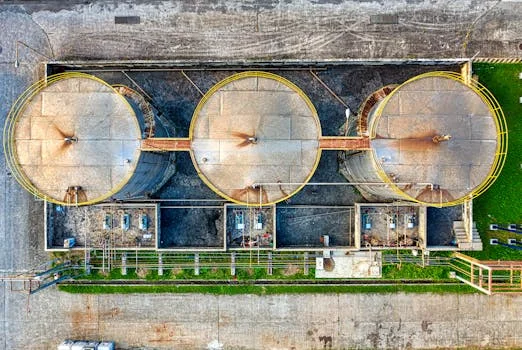
The German sewage treatment market is dominated by five key suppliers—AquaTech, HAMANN, EnviroChemie, ProMinent, and OSMO—each specializing in distinct niches from marine compliance to closed-loop industrial water reuse. AquaTech Innovations GmbH leads in modularity with its AquaPro X7 system, which integrates sedimentation, filtration, and disinfection. Their focus on IoT-driven monitoring makes them a preferred choice for municipal planners seeking to reduce labor costs in urban centers.
HAMANN AG remains the global benchmark for marine sewage systems. Their equipment complies with IMO MEPC.227(64) standards, making them the exclusive choice for naval defense and luxury yacht projects. In contrast, EnviroChemie GmbH focuses on heavy industrial applications, such as automotive and metalworking. They are known for achieving 90%+ water reuse in closed-loop systems, a critical requirement for German plants facing high water procurement costs. ProMinent GmbH excels in precision chemical dosing, providing PLC-controlled systems that minimize coagulant waste, while OSMO Membrane Systems specializes in RO/NF systems with 95% recovery rates for the pharmaceutical sector.
| Supplier | Technical Strength | Compliance Focus | Ideal Project Scale |
|---|---|---|---|
| AquaTech Innovations | Modular IoT Systems | EU 91/271/EEC (Municipal) | Medium to Large (100+ m³/h) |
| HAMANN AG | Marine/Offshore Specialty | IMO MEPC.227(64) | Vessels & Offshore Platforms |
| EnviroChemie | Industrial Water Reuse | German AbwV Annexes | Industrial (50–200 m³/h) |
| ProMinent | Chemical Dosing Precision | EU Drinking Water Directive | Component-level/Skids |
| OSMO Membrane | High-Recovery RO/NF | Pharma/Semiconductor Grade | Specialized Industrial |
Cost Breakdown for Sewage Treatment Equipment in Germany: CAPEX, OPEX, and ROI Calculators
Capital expenditure (CAPEX) for industrial wastewater treatment systems in Germany typically ranges from €20,000 for small-scale DAF units to over €2,000,000 for large-scale municipal membrane bioreactor (MBR) installations. For a standard 50 m³/h industrial project, the equipment costs are heavily influenced by the automation level and material selection (e.g., Duplex stainless steel for corrosive environments). Procurement managers should also compare RO systems to DAF and MBR for industrial reuse to determine if the higher CAPEX of membrane systems is justified by the lower discharge fees.
Operational expenditure (OPEX) is dominated by energy consumption and membrane replacement. MBR systems typically consume 0.3–0.8 kWh/m³, whereas DAF systems are more economical at 0.1–0.4 kWh/m³. Chemical costs for coagulation and flocculation range from €0.05 to €0.20/m³, depending on influent complexity. For a 50 m³/h food processing plant, an investment of €300,000 in a high-efficiency DAF and filtration system can yield a 3-year ROI by reducing municipal discharge surcharges and enabling non-potable water reuse (HydropureWater field data, 2025).
| Cost Category | Range (Industrial 10–50 m³/h) | Key Drivers |
|---|---|---|
| CAPEX (Equipment) | €50,000 – €450,000 | Automation, Material (SS304 vs SS316) |
| Energy (OPEX) | €0.15 – €0.45 / m³ | Blower efficiency, Pump VFDs |
| Chemicals (OPEX) | €0.05 – €0.20 / m³ | Influent COD/FOG levels |
| Maintenance | 10% – 15% of CAPEX / year | Membrane life, sensor calibration |
| Permitting/Legal | €5,000 – €20,000 | Local German state (Länder) regs |
How to Select a Sewage Treatment Equipment Supplier in Germany: Decision Framework
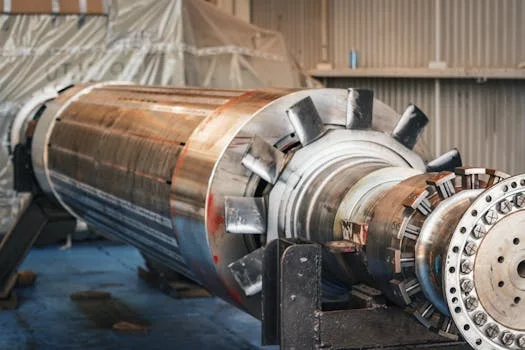
Selecting a sewage treatment supplier in the German market requires a five-step technical validation process that prioritizes influent characterization and compliance with EU 91/271/EEC standards. Engineers must first define the wastewater characteristics, specifically peak flow rates and the presence of inhibitory substances like high salinity or biocides. If the goal is meeting strict discharge limits in the Baltic Sea catchment, an MBR-based system is often the only viable technical path due to the required nitrogen and phosphorus removal rates.
The second step involves matching equipment to compliance needs. For example, if the project involves FOG removal for a commercial kitchen or food plant, a DAF system is superior to MBR. Third, evaluate the supplier's track record with specific German references; a supplier with experience in the Hamburg or Munich municipal sectors will navigate local permitting (Genehmigungsverfahren) more efficiently. Fourth, assess after-sales support, specifically the availability of spare parts within 24–48 hours. Finally, request pilot testing. Suppliers like EnviroChemie and HydropureWater often provide containerized pilot units to verify removal rates on-site before full-scale procurement, which significantly de-risks the capital investment.
"The difference between a successful installation and a compliance failure in Germany often comes down to the pilot phase. Testing the actual wastewater matrix against the proposed membrane or DAF chemistry is non-negotiable for industrial projects." — HydropureWater Engineering Review, 2025.
Frequently Asked Questions
What are the discharge limits for sewage treatment plants in Germany?
Under EU 91/271/EEC, limits are generally COD <125 mg/L and TSS <35 mg/L. However, the German AbwV imposes stricter requirements for plants over 10,000 PE, often requiring Total Nitrogen <13 mg/L and Total Phosphorus <2 mg/L, especially in sensitive areas.
How much does a small sewage treatment plant cost in Germany?
A small-scale WSZ series underground plant (1–10 m³/h) typically costs between €20,000 and €100,000, including basic installation and automation. Prices vary based on the required effluent quality and site-specific excavation needs.
Which German suppliers offer IoT-enabled sewage treatment equipment?
AquaTech Innovations (AquaPro X7) and EnviroChemie (Smart-Dosing) are leaders in IoT integration, providing real-time cloud monitoring for water quality parameters, energy consumption, and predictive maintenance alerts.
What’s the difference between MBR and DAF systems for industrial wastewater?
MBR systems provide superior filtration (<1 mg/L TSS) and a smaller footprint but have higher energy and CAPEX costs. DAF systems are optimized for removing FOG and suspended solids (92–97% efficiency) at a lower energy cost but require chemical coagulants.
Are there German suppliers for marine sewage treatment plants?
Yes, HAMANN AG is the primary German specialist for marine systems, offering IMO MEPC.227(64)-compliant plants designed for the space and movement constraints of yachts, ferries, and naval vessels.