Rawalpindi’s sewage treatment equipment market is fragmented, with suppliers ranging from local distributors of Chinese systems (PKR 2M–10M for small STPs) to European-engineered MBR plants (PKR 20M–50M+). Key compliance thresholds include Punjab EPA’s 50 mg/L BOD and 100 mg/L TSS limits for industrial discharge, while WASA mandates pre-treatment for municipal connections. This guide compares 5 top suppliers, breaks down costs by technology (DAF, MBR, conventional STP), and provides a 2025 ROI calculator for projects from 10 m³/h to 500 m³/h.
Why Rawalpindi Needs Better Sewage Treatment Equipment in 2025
Rawalpindi’s industrial zones face significant challenges in wastewater management, with WASA Rwp’s 2024 report indicating that 60% of industrial facilities lack adequate pre-treatment, leading to over PKR 15M in annual fines. This non-compliance not only incurs financial penalties but also contributes to environmental degradation and water scarcity issues across the region. The Punjab EPA's 2025 discharge limits for industrial effluent are stringent, mandating BOD levels below 50 mg/L, TSS below 100 mg/L, and COD below 250 mg/L, yet many textile and food processing sectors in Rawalpindi continue to struggle with meeting these standards.
The imperative for modern sewage treatment equipment extends beyond regulatory compliance. The Pakistan Council of Research in Water Resources (2023 data) highlights that approximately 40% of Rawalpindi's industrial water demand could be sustainably met through the reuse of properly treated wastewater. This potential for water recycling offers a critical solution to the escalating water scarcity in the region, reducing reliance on freshwater sources and lowering operational costs for industries.
Consider a local textile mill in Rawalpindi, which previously discharged effluent with BOD levels exceeding 300 mg/L and TSS over 400 mg/L, resulting in consistent WASA fines. After investing in a 100 m³/h DAF system for high-FOG wastewater in Rawalpindi’s food and textile industries followed by biological treatment, the mill achieved effluent quality of less than 40 mg/L BOD and 80 mg/L TSS. This significant improvement led to an 80% reduction in WASA fines within the first year, demonstrating the tangible benefits of upgrading wastewater treatment infrastructure.
Top 5 Sewage Treatment Equipment Suppliers in Rawalpindi: 2025 Shortlist
Identifying reliable sewage treatment equipment suppliers in Rawalpindi requires evaluating their technical capabilities, local presence, and commitment to after-sales support. The market offers a mix of government-backed entities, specialized industrial providers, and international manufacturers with local distribution networks.
WASA Rwp primarily focuses on municipal sewerage infrastructure, providing essential services and operating equipment like portable sewer cleaning machines and jetting machines for narrow streets, as noted in their equipment report. While crucial for public sanitation, their offerings are generally not tailored for industrial or commercial private sector needs.
TPS Water Technologies specializes in industrial wastewater treatment, with capabilities that include advanced reverse osmosis and wastewater treatment services, often achieving over 92% COD removal in their industrial projects. Their focus is on high-performance solutions for complex industrial effluents.
Abamet Pakistan offers a range of wastewater treatment solutions, including grey water treatment plants, effluent treatment plants, and conventional sewage treatment plants, catering to various scales from residential to light industrial applications.
HydropureWater, a prominent Chinese manufacturer, provides advanced wastewater treatment equipment through its local distributors in Rawalpindi. Their product portfolio includes the compact underground STP for residential and commercial projects in Rawalpindi (WSZ series) and high-efficiency MBR system for industrial and municipal wastewater in Rawalpindi, known for their modular design and high effluent quality.
Local distributors of European brands like Veolia and Suez also operate in the Rawalpindi market, offering high-end, custom-engineered solutions. These typically involve longer lead times (12-16 weeks) and come with a cost premium due to import duties and advanced technology.
When selecting a supplier, beware of red flags such as companies unable to provide valid Punjab EPA compliance certificates for their installations or lacking verifiable case studies within Rawalpindi. Common scams include selling "used equipment as new" or offering systems without adequate warranties or post-installation support, which can lead to significant operational issues and regulatory penalties down the line.
| Supplier | Primary Focus | Key Technologies Offered | Estimated Cost Range (PKR) | Typical Lead Time | After-Sales Support |
|---|---|---|---|---|---|
| WASA Rwp | Municipal Infrastructure | Sewer cleaning machines, Jetting machines | N/A (Public Sector) | Varies by project | Internal maintenance |
| TPS Water Technologies | Industrial Wastewater | RO, ETP, Biological treatment | 10M – 50M+ | 8-12 weeks | Comprehensive service contracts |
| Abamet Pakistan | Grey Water, ETP, STP | Conventional STP, Filtration | 5M – 25M | 6-10 weeks | Standard warranty, maintenance |
| HydropureWater | Industrial, Municipal, Hospital | WSZ (Underground STP), MBR, DAF | 2M – 40M | 4-8 weeks (local stock/assembly) | Local distributor support, spares |
| Local Distributors of European Brands | Large-scale Industrial, Municipal | MBR, UF, RO, Advanced Oxidation | 20M – 100M+ | 12-16 weeks | Manufacturer-backed, premium service |
Sewage Treatment Equipment Costs in Rawalpindi: 2025 Budget Benchmarks
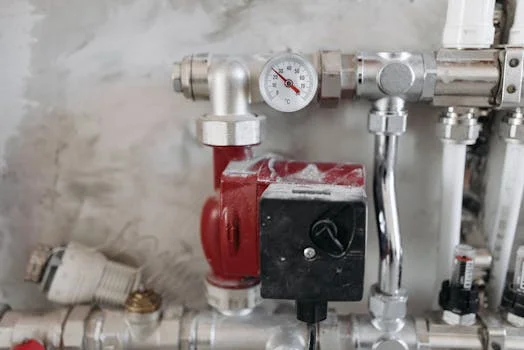
The total cost of a sewage treatment plant in Rawalpindi is a combination of capital expenditure (CAPEX) for equipment and civil works, and operational expenditure (OPEX) covering energy, chemicals, and labor. Understanding these components is essential for accurate budget planning.
For smaller capacities (10–50 m³/h), a conventional STP typically ranges from PKR 2M–8M in CAPEX. This system, utilizing activated sludge or trickling filters, has lower initial costs but often requires more land and manual oversight. Dissolved Air Flotation (DAF) systems, suitable for 20–100 m³/h, are priced between PKR 5M–20M, primarily for industries with high fats, oils, and grease (FOG) content. For higher capacities (50–200 m³/h) and superior effluent quality, a Membrane Bioreactor (MBR) system can cost PKR 15M–40M, offering a compact footprint and advanced treatment.
Operating expenses are critical. An MBR system, while highly efficient, consumes more energy (0.8–1.2 kWh/m³) compared to DAF (0.3–0.5 kWh/m³) or conventional STPs (0.2–0.4 kWh/m³). Chemical costs for DAF and conventional systems, along with labor for monitoring and sludge handling, also contribute significantly to OPEX. For instance, a 100 m³/h conventional STP might have an annual OPEX of PKR 3M–5M, while an MBR of similar capacity could be PKR 6M–10M, largely due to energy and membrane replacement.
The option of purchasing used sewage treatment equipment in Rawalpindi might offer a 30–50% reduction in CAPEX, but it carries substantial risks. Used MBR membranes are prone to fouling and premature failure, and pumps in DAF systems often exhibit significant wear, leading to 2–3 times higher maintenance costs and unreliable performance compared to new systems. Warranties are typically limited or non-existent, making it a high-risk investment.
Hidden costs can significantly impact the overall project budget. Punjab EPA permitting fees can range from PKR 500K–2M, depending on the project scale and complexity. WASA connection fees for municipal discharge can add another PKR 200K–1M. Civil works, including foundation, tanks, and housing, often account for 30–50% of the equipment cost, a factor frequently underestimated in initial budget estimations.
Financing options are available through major banks like HBL and MCB, which offer equipment leasing facilities with varying interest rates and eligibility criteria based on business creditworthiness. Some suppliers, including HydropureWater, may offer direct financing or deferred payment terms, providing flexibility for specific projects. For specific product details, consider exploring the WSZ series underground integrated sewage treatment plant, MBR integrated wastewater treatment system, or the Dissolved Air Flotation (DAF) machine.
| Technology | Capacity Range (m³/h) | CAPEX (PKR) | Annual OPEX (PKR) | Key Advantages | Key Disadvantages |
|---|---|---|---|---|---|
| Conventional STP | 10 – 50 | 2M – 8M | 1M – 3M | Lower initial cost, simple operation | Large footprint, lower effluent quality |
| DAF System | 20 – 100 | 5M – 20M | 1.5M – 4M | Effective for FOG/SS removal, compact pre-treatment | Requires chemical dosing, sludge disposal |
| MBR System | 50 – 200 | 15M – 40M | 3M – 8M | High effluent quality, small footprint | Higher CAPEX/OPEX, membrane fouling risk |
| Underground STP (e.g., WSZ) | 10 – 100 | 3M – 15M | 1.2M – 3.5M | Minimal land use, aesthetic appeal | Higher installation complexity, limited access |
How to Choose the Right Sewage Treatment Technology for Your Project
Selecting the optimal sewage treatment technology for a project in Rawalpindi depends critically on influent characteristics, space availability, budget, and desired effluent quality. A structured decision-making process helps align project requirements with the most suitable system.
A simple decision tree can guide initial choices: If your influent has high concentrations of FOG (fats, oils, and grease), common in food processing or certain textile industries, a DAF system for high-FOG wastewater in Rawalpindi’s food and textile industries is often the most effective primary treatment. If space is limited, particularly in urban or densely populated industrial areas, a high-efficiency MBR system for industrial and municipal wastewater in Rawalpindi offers a significantly smaller footprint (up to 50% less than conventional STPs) while delivering superior effluent quality. For projects with tight budgets and less stringent space constraints, a conventional STP remains a viable option, though it typically requires more land.
Performance parameters are key differentiators. Modern wastewater treatment systems can achieve TSS removal rates of 90–98%, BOD removal of 85–95%, and COD removal of 80–92%. MBR systems, for example, consistently produce effluent suitable for reuse due to their high filtration capabilities. Energy consumption is a major operational cost factor: MBRs typically consume 0.8–1.2 kWh/m³, DAF systems 0.3–0.5 kWh/m³, and conventional STPs 0.2–0.4 kWh/m³. At current electricity rates, this translates to an operational cost impact of PKR 5–20 per cubic meter of treated water, a significant consideration over the system's lifespan.
Space requirements vary dramatically by technology. While conventional STPs demand extensive land for aeration basins and clarifiers, MBR systems integrate biological treatment and filtration into a compact unit. For urban developments or residential communities, compact underground STPs (like the WSZ series) are ideal as they can be installed beneath green spaces or parking lots, preserving valuable surface area. For further insights on comparison of modular STPs vs. conventional and MBR systems, refer to our detailed guide.
Consider these case examples: A textile mill requiring high-quality effluent for partial reuse might opt for a DAF system for preliminary FOG and TSS removal, followed by biological treatment and potentially an MBR for final polishing. A hospital, which needs to disinfect wastewater to prevent pathogen spread, would benefit from an MBR system combined with ozone or UV disinfection, as discussed in our guide on hospital wastewater treatment standards and equipment selection. For a new residential community in Rawalpindi, an underground WSZ series STP offers an aesthetically pleasing and space-saving solution for domestic sewage treatment.
| Technology | Ideal Application | Key Advantage | Typical Footprint | Energy Consumption (kWh/m³) | Effluent Quality |
|---|---|---|---|---|---|
| Conventional STP | Low budget, ample space, general municipal | Low CAPEX | Large | 0.2 – 0.4 | Good (meets basic EPA) |
| DAF System | High FOG/SS industrial influent (e.g., food, textile) | Efficient pre-treatment | Medium | 0.3 – 0.5 | Excellent primary/secondary for specific influents |
| MBR System | Limited space, high reuse standards, industrial/hospital | Superior effluent, compact | Small (50% less than conventional) | 0.8 – 1.2 | Very High (reusable water) |
| Underground STP (WSZ) | Urban residential, commercial, aesthetic needs | Minimal surface footprint | Small (underground) | 0.25 – 0.5 | High (meets EPA for discharge) |
ROI Calculator: How Much Can You Save with Modern Sewage Treatment Equipment?
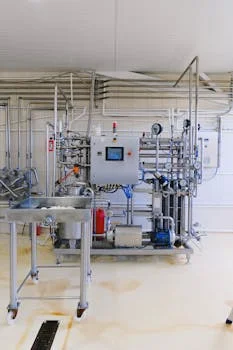
Investing in modern sewage treatment equipment in Rawalpindi is a strategic financial decision that offers significant returns, extending beyond mere compliance. A structured Return on Investment (ROI) calculation helps justify this capital expenditure to stakeholders.
Step 1: Calculate Current Costs. For a typical 100 m³/h textile plant discharging untreated wastewater, current annual costs could include WASA fines (e.g., PKR 5M), freshwater purchase (e.g., PKR 8M), and existing discharge fees (e.g., PKR 2M), totaling PKR 15M per year. These costs represent direct financial losses due to non-compliance and inefficient water management.
Step 2: Estimate Equipment Costs (CAPEX + OPEX). Based on the budget benchmarks, a suitable DAF + biological treatment system for this 100 m³/h textile plant might have a CAPEX of PKR 15M (equipment + civil works) and an annual OPEX of PKR 4M (energy, chemicals, labor). These figures provide the baseline investment.
Step 3: Calculate Savings. With the new system, the textile plant could achieve an 80% reduction in WASA fines (saving PKR 4M), reuse 30% of its treated water (saving PKR 2.4M in freshwater purchases), and potentially negotiate lower discharge fees due to improved effluent quality (saving PKR 1M). Total annual savings would be approximately PKR 7.4M. This calculation demonstrates the direct financial benefits of improved treatment.
Step 4: ROI Timeline. Using the calculated figures, the initial CAPEX of PKR 15M, combined with annual OPEX of PKR 4M and annual savings of PKR 7.4M, results in a net annual benefit of PKR 3.4M (7.4M savings - 4M OPEX). The payback period for this investment would be approximately 4.4 years (15M CAPEX / 3.4M net annual benefit). For a smaller 10 m³/h project, the payback period might be 2-3 years, while a larger 500 m³/h industrial plant could see a payback of 3-5 years, depending on the complexity and reuse potential. Internal Rate of Return (IRR) typically ranges from 15-25% for well-planned projects.
Sensitivity Analysis: The ROI is sensitive to several factors. A 20% increase in influent COD or TSS can raise chemical consumption and energy use, potentially extending the payback period by 6-12 months. Conversely, a projected 2025 increase in Punjab EPA fines or water purchase costs could shorten the payback period significantly, reinforcing the urgency of investment. For example, if WASA fines increase by 10% annually, the textile mill's savings would rise, accelerating its ROI.
| Project Scale (m³/h) | Estimated CAPEX (PKR) | Estimated Annual OPEX (PKR) | Estimated Annual Savings (PKR) | Net Annual Benefit (PKR) | Estimated Payback Period (Years) |
|---|---|---|---|---|---|
| 10 (Small Clinic/Restaurant) | 2.5M | 0.5M | 1.5M | 1.0M | 2.5 |
| 100 (Mid-size Textile Plant) | 15M | 4M | 7.4M | 3.4M | 4.4 |
| 500 (Large Industrial/Municipal) | 60M | 18M | 35M | 17M | 3.5 |
Frequently Asked Questions
Procurement managers and plant engineers often have specific questions regarding sewage treatment equipment in Rawalpindi. Here are answers to common concerns:
What are the Punjab EPA compliance requirements for sewage treatment in Rawalpindi?
The Punjab EPA mandates specific discharge limits for treated effluent. Key parameters include Biochemical Oxygen Demand (BOD) < 50 mg/L, Total Suspended Solids (TSS) < 100 mg/L, Chemical Oxygen Demand (COD) < 250 mg/L, and pH between 6.5 and 8.5. Heavy metal limits also apply depending on the industry. Non-compliance can result in daily fines ranging from PKR 50,000 to PKR 500,000, and potential plant closure in severe or repeated cases.
How much does a small sewage treatment plant cost in Rawalpindi?
A small sewage treatment plant (10–30 m³/h capacity) in Rawalpindi typically costs between PKR 2M–5M. This estimate includes the equipment, installation, and initial permitting fees. Factors like technology (conventional vs. compact modular), site conditions, and civil works complexity can influence the final price.
What is the difference between STP and WWTP?
An STP, or Sewage Treatment Plant, specifically processes domestic sewage, primarily focusing on removing organic matter and pathogens from household and commercial wastewater. A WWTP, or Wastewater Treatment Plant, is a broader term that encompasses the treatment of all types of wastewater, including municipal sewage, industrial effluents, and agricultural runoff. All STPs are WWTPs, but not all WWTPs are STPs. WWTPs often handle more complex contaminants and larger volumes.
Can I buy used sewage treatment equipment in Rawalpindi?
While used sewage treatment equipment may appear to offer cost savings (30-50% cheaper), it carries significant risks. Common issues include severe membrane fouling in used MBR systems, accelerated pump wear in DAF units, and general deterioration of components due to prior usage. Most importantly, used equipment rarely comes with a reliable warranty or after-sales support, leading to higher maintenance costs and potential operational failures that can result in regulatory fines. It is generally not recommended for critical compliance applications.
What is the lead time for sewage treatment equipment in Rawalpindi?
The lead time for sewage treatment equipment in Rawalpindi varies. For locally assembled or stocked systems from suppliers like HydropureWater's distributors, the lead time is typically 4–8 weeks. For imported, custom-engineered systems, especially from European brands, this can extend to 12–16 weeks. These estimates account for manufacturing and shipping, but do not include additional time required for Punjab EPA permitting and site-specific civil works, which can add several more weeks to the overall project timeline.